×

Somalia🇸🇴 | citiesBoramahilly terrain, university town, green valleys | things to do and best time to go

Explore BerberaExplore Bosaso

Backpacking in Borama
🌟 Highlightcity ranked #5
By Johan Kruseman 🇳🇱 | Updated June 11, 2026

Most travelers only realize after arriving: Borama is where you finally breathe. The air is cooler, the hills roll out in soft green, and the town’s rhythm is slow enough to let your shoulders drop. Borama sits in the northwest of Somalia, close to the Ethiopian border, and feels a world away from the dust and chaos of Hargeisa. For backpackers, it’s not a place of blockbuster sights, but a base for real downtime—think quiet walks through eucalyptus-scented neighborhoods, the low hum of tea shops, and the gentle chaos of the central market. The town is compact; you can walk almost everywhere, though shared taxis fill the gaps. Don’t expect a hostel scene—most travelers are local or Somali diaspora, so evenings are mellow, not wild. Costs are lower than in the capital, and the vibe is safer, more relaxed. Compared to Hargeisa or Berbera, Borama is less frantic, more genuine, and a soft landing for anyone craving a slower, more human pace.

Discover everything you want to know in the 📖 Somalia Travel Guide.
Safety warning

The current risk level for Somalia is high. Check the advice before going.


Get your Somalia guide
83 ranked highlights, routes & tips, works offline (354 pages)
Loading the map 🌍
CLICK TO FILTER
cities
towns
landmarks
national parks
hikes
beaches
attractions
festivals
regions
SHOW COUNTRY’S BESTSHOW ALL

✨ Why go?
Ranked #5 city in Somalia
Why Borama should be on your travel list

Borama, Somalia, is a strategic stop for backpackers seeking a blend of culture and nature. Nestled near the Hawd Plateau, it serves as a launchpad for hikes that reveal stunning landscapes, from rolling hills to rugged terrain. The beaches along the coast are a short drive away, offering a refreshing escape after a day on the trails.

Accommodations here are small-scale, with cozy guesthouses and hostels that foster a sense of community. You’ll find locals eager to share stories over a plate of traditional Somali food, like bariis iskukaris or sambusa, which adds a flavorful layer to your experience. The walkable streets invite exploration, making it easy to soak in the atmosphere without feeling rushed.

Backpackers often stay for a few days, enjoying the friendly social vibe that encourages … read more 👉
Borama, Somalia, is a strategic stop for backpackers seeking a blend of culture and nature. Nestled near the Hawd Plateau, it serves as a launchpad for hikes that reveal stunning landscapes, from rolling hills to rugged terrain. The beaches along the coast are a short drive away, offering a refreshing escape after a day on the trails.

Accommodations here are small-scale, with cozy guesthouses and hostels that foster a sense of community. You’ll find locals eager to share stories over a plate of traditional Somali food, like bariis iskukaris or sambusa, which adds a flavorful layer to your experience. The walkable streets invite exploration, making it easy to soak in the atmosphere without feeling rushed.

Backpackers often stay for a few days, enjoying the friendly social vibe that encourages connections among travelers. This town suits slow travelers, hikers, and solo adventurers looking for a quieter experience. While Borama isn’t a nightlife hub, its charm lies in the authentic interactions and the chance to immerse yourself in local life, making it a worthwhile stop on your journey.
Want to include Borama in your Somalia route?
Create a personalized Somalia itinerary that includes Borama and the places that fit your trip — based on your travel style, budget, and available time. Get your route in seconds.

Generate my trip

💡 HighlightsPlaces and moments you shouldn't skip

  1. Amoud University campus — The flagship university of the region, founded in 1998; worth visiting to see a lively campus, its library and lecture halls, the medical and agriculture faculties, and to feel Borama’s youthful energy and local intellectual life.
  2. Amoud Teaching Hospital — The university’s teaching hospital and one of the main healthcare centers in the area; visiting gives a direct look at community healthcare, medical training programs, and public-health projects that shape daily life in Borama.
  3. Borama Central Market (Suuq) — The city’s bustling market for food, textiles, household goods and livestock; full of bargaining, street-food tea stalls and vendors, it’s the best place to experience local commerce, cuisine and everyday rhythms.
A few good day-trip highlights nearby are … read more 👉
  1. Amoud University campus — The flagship university of the region, founded in 1998; worth visiting to see a lively campus, its library and lecture halls, the medical and agriculture faculties, and to feel Borama’s youthful energy and local intellectual life.
  2. Amoud Teaching Hospital — The university’s teaching hospital and one of the main healthcare centers in the area; visiting gives a direct look at community healthcare, medical training programs, and public-health projects that shape daily life in Borama.
  3. Borama Central Market (Suuq) — The city’s bustling market for food, textiles, household goods and livestock; full of bargaining, street-food tea stalls and vendors, it’s the best place to experience local commerce, cuisine and everyday rhythms.
A few good day-trip highlights nearby are the historic coastal town of Zeila (Saylac), the beaches and fishing villages around Lughaya, and the coastal ruins and traditional ports between them.
Spotted a mistake or missing something? Contact us.
🏘️ NeighborhoodsWhere things are and how it's laid out

Borama, a vibrant town in Somalia, offers a unique blend of culture and community. Each neighborhood has its own character, making it essential for backpackers to choose wisely.

Central Borama
This area is the heartbeat of the town. You’ll find bustling markets, local eateries, and friendly faces. The vibe is energetic, perfect for those who want to dive into daily life. Walkability is high; you can easily explore on foot. Costs are reasonable, with plenty of budget-friendly accommodations. It’s ideal for short stays, but longer visits can feel repetitive without day trips.

Borama University District
Home to students and young professionals, this neighborhood buzzes with youthful energy. Cafés and study spots line the streets, offering a relaxed atmosphere. It’s quieter at night, making … read more 👉
Borama, a vibrant town in Somalia, offers a unique blend of culture and community. Each neighborhood has its own character, making it essential for backpackers to choose wisely.

Central Borama
This area is the heartbeat of the town. You’ll find bustling markets, local eateries, and friendly faces. The vibe is energetic, perfect for those who want to dive into daily life. Walkability is high; you can easily explore on foot. Costs are reasonable, with plenty of budget-friendly accommodations. It’s ideal for short stays, but longer visits can feel repetitive without day trips.

Borama University District
Home to students and young professionals, this neighborhood buzzes with youthful energy. Cafés and study spots line the streets, offering a relaxed atmosphere. It’s quieter at night, making it suitable for those who prefer a peaceful retreat after a day of exploration. Transport options are decent, connecting you to other parts of the town. This area is great for longer stays, especially if you want to soak up local culture.

Hargeisa Road Area
This stretch is more commercial, with shops and services catering to locals and travelers alike. The vibe is practical, with less charm but more convenience. Nightlife is minimal, but you’ll find a few bars and restaurants. Walkability is moderate; some areas require a short taxi ride. It’s best for those on a budget who need quick access to amenities, making it suitable for both short and longer stays.

Outskirts of Borama
For the adventurous, the outskirts offer a glimpse into rural life. The atmosphere is serene, with stunning landscapes. However, transport can be tricky, and accommodations are limited. This area is perfect for longer stays if you’re looking to escape the hustle and immerse yourself in nature.

⌛️ 1 dayWhat you can realistically do in a day

Borama, Somalia, is a town that pulses with life, where the scent of fresh bread mingles with the salty breeze from the nearby coast. It’s a place where the vibrant culture and resilient spirit of the people shine through, making it a unique stop for the adventurous traveler.

Start your day early at the bustling Borama Market. The sun casts a warm glow over the stalls, illuminating colorful fabrics and fresh produce. Engage with local vendors; their stories are as rich as the spices they sell. Grab a breakfast of “canjeero,” a traditional Somali flatbread, paired with honey or spicy sauce. This isn’t just food; it’s a taste of community.

After fueling up, head to the nearby “Borama Cultural Center.” This spot is often overlooked by tourists, but it offers a glimpse into the local art scene … read more 👉
Borama, Somalia, is a town that pulses with life, where the scent of fresh bread mingles with the salty breeze from the nearby coast. It’s a place where the vibrant culture and resilient spirit of the people shine through, making it a unique stop for the adventurous traveler.

Start your day early at the bustling Borama Market. The sun casts a warm glow over the stalls, illuminating colorful fabrics and fresh produce. Engage with local vendors; their stories are as rich as the spices they sell. Grab a breakfast of “canjeero,” a traditional Somali flatbread, paired with honey or spicy sauce. This isn’t just food; it’s a taste of community.

After fueling up, head to the nearby “Borama Cultural Center.” This spot is often overlooked by tourists, but it offers a glimpse into the local art scene and history. The center’s walls are adorned with vibrant murals that tell stories of the region’s past. Spend some time here, absorbing the atmosphere and perhaps chatting with local artists.

As the afternoon rolls in, make your way to the “Borama Waterfall.” It’s a short drive from the town center, and the journey is filled with stunning landscapes. The sound of cascading water is a refreshing backdrop as you take a moment to relax. Bring a book or simply enjoy the tranquility.

As evening approaches, return to the town and stroll through the lively streets of the “Hargeisa Road” neighborhood. Here, you’ll find a mix of shops and cafes buzzing with energy. Grab dinner at a local eatery, where you can savor dishes like “bariis iskukaris,” a fragrant rice dish, while chatting with locals about their lives and dreams.

End your day with a walk under the stars, feeling the pulse of Borama. Each moment spent here is a thread woven into the fabric of your journey, making the effort to explore this town truly rewarding.
Turn your Borama visit into an Somalia adventure
Build a complete Somalia route with Borama, hidden gems, must-see destinations, and realistic travel times included.

Generate my trip

🌤️ When to go?When to go for the best experience


  • Topic: Weather — Borama sits in a semi-arid zone, so expect dry heat most of the year. The coolest months, December through February, hover around 20-25°C (68-77°F), making trekking and exploring much more comfortable than the scorching 35°C+ (95°F+) highs of April and May.

  • Topic: Temperature — Nights can dip sharply, especially in the cooler season, so pack layers. Daytime warmth contrasts with crisp evenings, giving you a chance to enjoy both sun-soaked trails and cool, clear nights under the stars.

  • Topic: Daylight Hours — Near the equator, daylight stays steady year-round, roughly 12 hours. This consistency means you can plan hikes and market visits without worrying about early sunsets cutting your day short.

  • Topic: Crowds — Borama isn’t a tourist hotspot, so crowds are minimal
read more 👉

  • Topic: Weather — Borama sits in a semi-arid zone, so expect dry heat most of the year. The coolest months, December through February, hover around 20-25°C (68-77°F), making trekking and exploring much more comfortable than the scorching 35°C+ (95°F+) highs of April and May.

  • Topic: Temperature — Nights can dip sharply, especially in the cooler season, so pack layers. Daytime warmth contrasts with crisp evenings, giving you a chance to enjoy both sun-soaked trails and cool, clear nights under the stars.

  • Topic: Daylight Hours — Near the equator, daylight stays steady year-round, roughly 12 hours. This consistency means you can plan hikes and market visits without worrying about early sunsets cutting your day short.

  • Topic: Crowds — Borama isn’t a tourist hotspot, so crowds are minimal year-round. However, local festivals in the cooler months bring a lively buzz, offering a rare chance to mingle with residents and experience authentic culture.

  • Topic: Seasonal Activities — The dry season aligns with traditional celebrations and market days, making it the best time to catch local crafts and music. Avoid the brief rainy season (July-August), when roads get tricky and outdoor plans often stall.

  • Topic: Price Fluctuations — Prices for lodging and transport stay fairly stable, but expect slight hikes during festival periods when demand spikes. Booking ahead during these times can save you hassle and cash.


Pro-tip: Aim for the cool, dry months between December and February to enjoy Borama’s full sensory palette—warm sun, cool nights, vibrant markets, and clear skies that make every step feel earned.


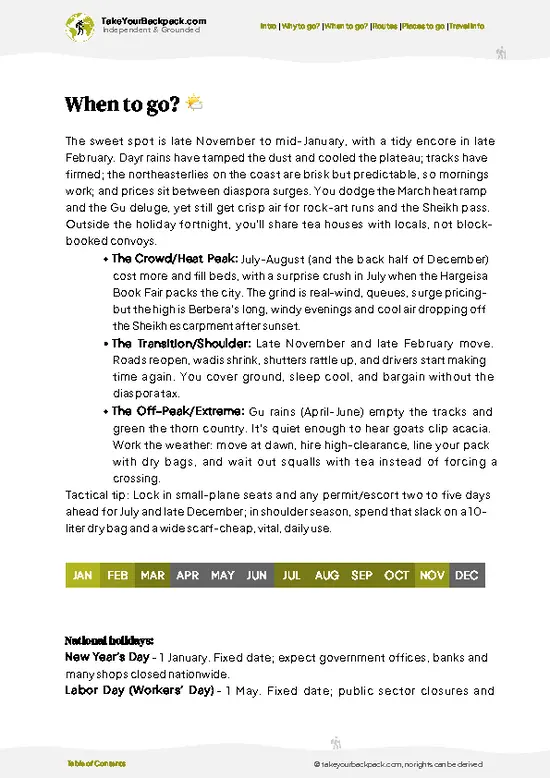
source: climatestotravel.comJANJanuary: excellent for travelingFEBFebruary: excellent for travelingMARMarch: highly recommended for travelingAPRApril: fair for travelingMAYMay: fair for travelingJUNJune: good for travelingJULJuly: below average for travelingAUGAugust: below average for travelingSEPSeptember: good for travelingOCTOctober: highly recommended for travelingNOVNovember: highly recommended for travelingDECDecember: excellent for traveling
when-to-go

✈️ The backpacker research shortcutSomalia Travel Guide

An offline-friendly backpacking guide with optimized travel routes, ranked highlights, transport advice, and the best areas to stay.
example page 0 from our offline Travel Guide for Somalia
example page 1 from our offline Travel Guide for Somalia
example page 2 from our offline Travel Guide for Somalia
example page 3 from our offline Travel Guide for Somalia
example page 4 from our offline Travel Guide for Somalia
example page 5 from our offline Travel Guide for Somalia
example page 6 from our offline Travel Guide for Somalia
example page 7 from our offline Travel Guide for Somalia
The digital guide (354 pages) contains:
83 highlights, ranked by travel appeal
Optimized 5, 10 & 15-day travel routes
Cities, national parks, landmarks, beaches
How to get around
Offline-friendly for travel without Wi-Fi
👉 Click to see all 30+ guide features

📅 Plan smarter in minutes, not weeks
Month by month travel advice
Festivals & national holidays
Budget expectations

🗺️ Go to the right places, skip the overrated ones
Honest pros & cons of destinations
Top hikes, parks & viewpoints
Lesser-known places most travelers miss
Clear “worth it vs skip it” guidance

🛏️ Travel smoothly without rookie mistakes
Best areas to stay
Transport systems explained simply
Common scams & safety advice
SIM cards, money & practical tips

🌍 Understand the country, not just visit it
Culture & traditions
52 Essential phrases & customs
Festivals worth planning around
Traveler-friendly historical context
Insights that make places more meaningful

📱 Built for real travel conditions
Fully downloadable PDF
Works completely offline
Optimized for phone use
Useful in remote areas & buses
Everything in one place
Save weeks of stressful planning
Get instant access to your full guide. 30‑day money-back guarantee.


By proceeding you agree to our terms.
Sent to your inbox immediately after payment • 100% Secure Checkout
Best Backpacking Travel Advisor 2025 tourism awardBest Backpacking
Travel Advisor
2025
What others say about Take Your Backpack Guides:
⭐⭐⭐⭐⭐
Fantastic, amazing amount of information!
⭐⭐⭐⭐⭐
My goodness this is amazing, it's what I've been looking for hats off too you!
⭐⭐⭐⭐⭐
I think this is absolutely BRILLIANT
⭐⭐⭐⭐
Very complete and informative. It's still missing places, but I gotta to commend you
⭐⭐⭐⭐⭐
This is truly amazing, thank you, can't wait to explore it with my kids!
⭐⭐⭐⭐⭐
Awesome resource, thank you!
⭐⭐⭐⭐⭐
This is amazing! Can't wait to explore the ones I haven't seen
⭐⭐⭐⭐
I love this! Well done, great idea.
⭐⭐⭐⭐⭐
Thanks for taking the time to make this gem!
⭐⭐⭐⭐⭐
This might be the best website I've ever seen.
⭐⭐⭐⭐⭐
Congratulations, and thank you so much for your work; it's incredibly valuable.
⭐⭐⭐⭐
In all seriousness I think you did a great job pointing out the important spots
⭐⭐⭐⭐⭐
10/10 very good
⭐⭐⭐⭐⭐
As someone who's only just starting to visit regularly this is awesome, thank you.
⭐⭐⭐⭐
Thank you very much! I'm going to visit my dad, it's going to be very useful!
⭐⭐⭐⭐⭐
This is really cool! We'll be travelling for the first time and this definitely come in handy.
⭐⭐⭐⭐⭐
You are now our minister of culture, congratulations 👨‍💼
⭐⭐⭐⭐⭐
Just wanted to tell you that this is a pearl! Going to follow your recommendations.
⭐⭐⭐⭐⭐
This is so cool. I'll definitely be using the resource for my travels soon.
⭐⭐⭐⭐⭐
This is very impressive! Good work.
⭐⭐⭐⭐⭐
This is an amazing and informative site. Very well done!

🛏️ Where to stay?Where staying makes the most sense

Borama’s heart for backpackers pulses strongest in the central district near the main market and university area. This neighborhood hums with life from dawn till dusk—vendors shouting over the scent of fresh spices, students weaving through narrow streets, and the occasional call to prayer threading through the air. Staying here means you’re plugged into the city’s rhythm, not isolated on its edges. It’s safer, too, because the foot traffic and local eyes keep things grounded.

Compared to the quieter outskirts, this area offers a social vibe that’s hard to beat. You’ll find small guesthouses … read more 👉
Borama’s heart for backpackers pulses strongest in the central district near the main market and university area. This neighborhood hums with life from dawn till dusk—vendors shouting over the scent of fresh spices, students weaving through narrow streets, and the occasional call to prayer threading through the air. Staying here means you’re plugged into the city’s rhythm, not isolated on its edges. It’s safer, too, because the foot traffic and local eyes keep things grounded.

Compared to the quieter outskirts, this area offers a social vibe that’s hard to beat. You’ll find small guesthouses and budget lodgings clustered around the university, where solo travelers and young Somalis mingle. Hostels are rare but the guesthouses often function like informal hubs—shared meals, storytelling, and easy introductions. The streets are dusty but lively, with a raw authenticity that feels earned, not polished for tourists.

Avoid the more residential or industrial zones—they’re quieter but lack the social pulse and can feel isolating after dark. In Borama, being close to the market and university isn’t just about convenience; it’s about stepping into the city’s daily life, where every corner offers a chance to connect and learn.

🚌 Getting aroundHow to get from A to B

Borama moves at its own pace, a rhythm shaped by the dusty streets and the steady hum of daily life. It’s not a place where you’ll find strict timetables or shiny transit hubs; instead, the town flows with a kind of organized chaos that rewards patience and a keen eye. The sun casts long shadows by mid-afternoon, and the air carries the scent of dry earth mixed with faint spices from local markets. Here, getting around isn’t about rushing—it’s about tuning into the pulse of the town, reading the cues from the people and vehicles that weave through its streets. Mastering Borama’s transit means embracing this flow, turning what might feel like unpredictability into a smooth, authentic experience.


  • Walking: The most reliable and immersive way to navigate Borama. Streets are compact and mostly
read more 👉
Borama moves at its own pace, a rhythm shaped by the dusty streets and the steady hum of daily life. It’s not a place where you’ll find strict timetables or shiny transit hubs; instead, the town flows with a kind of organized chaos that rewards patience and a keen eye. The sun casts long shadows by mid-afternoon, and the air carries the scent of dry earth mixed with faint spices from local markets. Here, getting around isn’t about rushing—it’s about tuning into the pulse of the town, reading the cues from the people and vehicles that weave through its streets. Mastering Borama’s transit means embracing this flow, turning what might feel like unpredictability into a smooth, authentic experience.


  • Walking: The most reliable and immersive way to navigate Borama. Streets are compact and mostly flat, making it easy to cover key areas on foot. Expect to spend about 15-30 minutes between major spots. Walking lets you soak in the textures of the town—the cracked pavement, the chatter from market stalls, the occasional stray goat crossing your path.


  • Shared Minibuses (Local Matatus): These are the backbone of Borama’s public transit. They don’t run on a strict schedule but start filling up early morning and keep rolling until dusk. Fares hover around a few hundred Somali shillings, making them a budget-friendly choice. They’re cramped and noisy, but you’ll get a front-row seat to local life and the town’s informal transit dance.


  • Motorcycle Taxis (Bajaj): When time is tight or the sun is beating down, these three-wheeled motorcycles offer a quick, nimble ride. Prices are negotiable but generally low; expect to pay a bit more than a minibus for the speed and convenience. Bajajs dart through traffic and narrow alleys, perfect for short hops or when you’re carrying gear.


  • Private Taxis: Less common and pricier, but useful if you want direct, door-to-door service. They’re best for early morning or late-night trips when other options thin out. Always agree on the fare upfront—expect to pay several times the minibus rate, but you gain comfort and reliability.

👛 Costs (as of 9 April 2026)Money, prices, and spending tips

Borama, Somalia, is a place where the cost of daily life for a backpacker remains modest but requires a bit of local savvy to navigate smoothly.
  • Dorm Accommodation: Options here are limited and basic, often guesthouses rather than formal hostels. Expect to pay around $5 to $10 per night. Rooms are simple, sometimes with shared bathrooms, but clean enough if you choose carefully.
  • Meals: Eating local is the way to go. Street food and small eateries serve up hearty Somali staples like rice, goat meat, and flatbread for about $2 to $5 per meal. Western-style or imported foods are rare and pricier, so stick to local dishes for both flavor and budget.
  • Local Transport: Transport is mostly informal—shared taxis or minibuses. A short ride within town will cost roughly $0.50 to $1.50. Walking is
read more 👉
Borama, Somalia, is a place where the cost of daily life for a backpacker remains modest but requires a bit of local savvy to navigate smoothly.
  • Dorm Accommodation: Options here are limited and basic, often guesthouses rather than formal hostels. Expect to pay around $5 to $10 per night. Rooms are simple, sometimes with shared bathrooms, but clean enough if you choose carefully.
  • Meals: Eating local is the way to go. Street food and small eateries serve up hearty Somali staples like rice, goat meat, and flatbread for about $2 to $5 per meal. Western-style or imported foods are rare and pricier, so stick to local dishes for both flavor and budget.
  • Local Transport: Transport is mostly informal—shared taxis or minibuses. A short ride within town will cost roughly $0.50 to $1.50. Walking is often the best way to soak in the atmosphere and save money.
  • Basic Activities/Entry Fees: Borama doesn’t have a heavy tourist infrastructure, so entry fees are minimal or nonexistent. Visiting local markets or cultural spots is usually free, but budgeting $1 to $3 for small donations or guides is wise.
  • Miscellaneous Expenses: This covers essentials like bottled water, snacks, or phone credit. Plan on about $1 to $3 daily, as clean water isn’t always guaranteed and connectivity is crucial for navigation and safety.

All told, a realistic daily budget for backpacking in Borama falls between $10 and $22. This range covers the essentials without cutting corners, letting you experience the town’s rhythm without unnecessary stress.
⚠️ Prices can change and everyone travels differently, so take this as a rough guide. Hope it helps you plan your adventure!

🚌 Day tripsShort trips worth adding

Borama, Somalia, is a fantastic base for day trips that reveal the region’s rich culture and stunning landscapes. The town itself has a laid-back vibe, with friendly locals and a market that buzzes with life. Here are some day trips that will make your backpacking adventure truly rewarding.

Hargeisa
Just a couple of hours from Borama, Hargeisa is the capital of Somaliland and a hub of activity. The drive is scenic, with rolling hills and the occasional glimpse of livestock dotting the landscape. Once there, explore the bustling markets where the scent of spices fills the air, and the vibrant colors of traditional fabrics catch your eye. Don’t miss the Hargeisa War Memorial, a poignant reminder of the region’s history. Budget around $10 for transport and a few dollars for lunch. The best … read more 👉
Borama, Somalia, is a fantastic base for day trips that reveal the region’s rich culture and stunning landscapes. The town itself has a laid-back vibe, with friendly locals and a market that buzzes with life. Here are some day trips that will make your backpacking adventure truly rewarding.

Hargeisa
Just a couple of hours from Borama, Hargeisa is the capital of Somaliland and a hub of activity. The drive is scenic, with rolling hills and the occasional glimpse of livestock dotting the landscape. Once there, explore the bustling markets where the scent of spices fills the air, and the vibrant colors of traditional fabrics catch your eye. Don’t miss the Hargeisa War Memorial, a poignant reminder of the region’s history. Budget around $10 for transport and a few dollars for lunch. The best time to visit is during the cooler months from November to February. A common mistake is underestimating the time needed to explore; plan for a full day to soak it all in.
👉 Explore Hargeisa

Laas Geel
This archaeological wonder is about an hour from Borama and is home to some of the oldest rock art in Africa. The drive is a bit bumpy, but the sight of ancient paintings depicting cattle and human figures is worth every jolt. Bring plenty of water and snacks, as there are no facilities on-site. Entrance fees are minimal, around $5. The cooler morning hours are best for visiting, as the sun can be fierce later in the day. Many first-timers miss the chance to hire a local guide, which adds depth to the experience through stories and context.
👉 Explore Laas Geel

Borama Market
Staying local can be just as rewarding. The Borama Market is a sensory overload, filled with the sounds of bargaining and the smell of fresh produce. Spend a morning wandering through the stalls, sampling local snacks like sambusa and fresh fruits. This trip costs next to nothing—just your budget for food. The market is most vibrant on weekends, so plan accordingly. A common mistake is rushing through; take your time to engage with vendors and learn about their crafts.


Mount Biyo
For a bit of adventure, head to Mount Biyo, about an hour’s hike from Borama. The trail winds through lush greenery, and the views from the top are breathtaking. Pack a picnic to enjoy at the summit, where the cool breeze feels like a reward for your effort. The hike is free, but bring sturdy shoes and plenty of water. The best time to go is early morning to avoid the heat. Many first-timers underestimate the trail’s difficulty; be prepared for some steep sections.


Each of these trips offers a unique glimpse into the heart of Somaliland, making your time in Borama not just a stopover, but a genuine adventure.
Want to know what more Somalia offers?
The Somalia Travel Guide describes 83 highlights, from cities to national parks, from beaches to hikes

Get the Travel Guide -

🍲 FoodWhat to Eat & Drink

In Borama, food is a gateway to the city’s soul, where every bite tells a story of Somali tradition and local flair. The standout dish here is , a spongy, fermented flatbread that’s both breakfast staple and snack, often paired with honey or a rich stew. Don’t miss , a simple yet satisfying sauté of tender meat cubes with onions and spices, served with rice or flatbread. These dishes aren’t just meals; they’re invitations to slow down and savor.

Backpackers will find themselves drawn to the bustling and street corners where food vendors work their magic over open flames. The aroma of grilled meat and freshly baked bread fills the air, creating a sensory map that guides you to authentic flavors. Casual eateries here are unpretentious, often family-run, where the chatter and clatter form part of the experience. Bars and cafés are rare, but tea stalls are everywhere, serving up —sweet, spiced Somali tea that’s as much about the ritual as the taste.

Eating in Borama is a communal affair. Sharing dishes is common, and it’s polite to accept food offered by locals. Hands are the traditional utensils, so be ready to get a little messy—it’s part of the charm. Respect the pace; meals aren’t rushed but savored, a reminder that in Borama, food is about connection as much as consumption.

🛡️ SafetyStaying Safe: What Travelers Should Know

Borama is generally safe for travelers, but a few practical tips can enhance your experience. The town has a relaxed vibe, yet it’s wise to stay aware, especially in crowded markets where distractions can lead to minor theft. Keep your belongings close and avoid flashy displays of wealth.

If you’re traveling solo, daytime exploration is ideal. The streets are lively, filled with the scent of spices and the sounds of local chatter. However, as night falls, it’s best to stick to well-lit areas and avoid wandering too far from your accommodations.

Scams are rare, but be cautious of overly friendly strangers offering unsolicited help. Politely decline and trust your instincts. Everyday annoyances might include occasional power outages or slow internet, so plan accordingly. Embrace the slower … read more 👉
Borama is generally safe for travelers, but a few practical tips can enhance your experience. The town has a relaxed vibe, yet it’s wise to stay aware, especially in crowded markets where distractions can lead to minor theft. Keep your belongings close and avoid flashy displays of wealth.

If you’re traveling solo, daytime exploration is ideal. The streets are lively, filled with the scent of spices and the sounds of local chatter. However, as night falls, it’s best to stick to well-lit areas and avoid wandering too far from your accommodations.

Scams are rare, but be cautious of overly friendly strangers offering unsolicited help. Politely decline and trust your instincts. Everyday annoyances might include occasional power outages or slow internet, so plan accordingly. Embrace the slower pace; it’s part of the charm. Carry yourself with confidence, engage with locals, and you’ll find that Borama’s warmth far outweighs any minor inconveniences.

Other Somali cities near Borama

Explore more nearby:

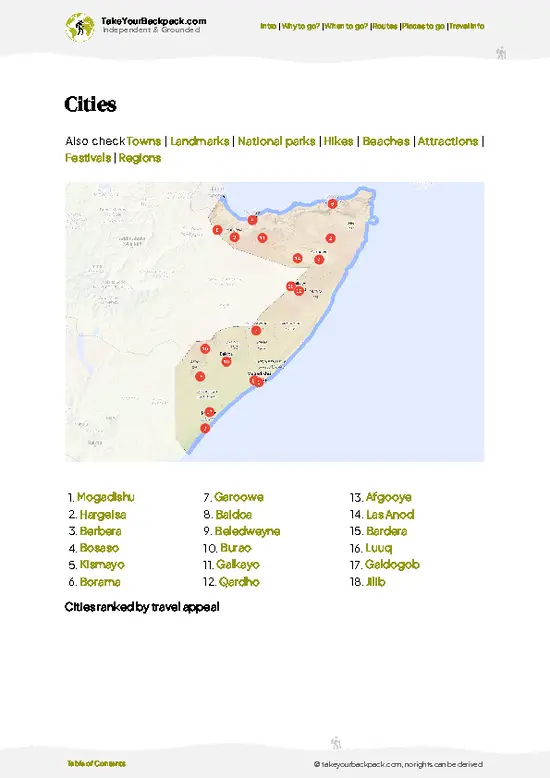
  • Hargeisa—Somaliland capital, art scene, bustling markets| 106 km away
  • Berbera—Gulf of Aden port, colonial relics, coastal heat| 208 km away
  • Burao—Togdheer Valley, camel markets, dry hills| 262 km away

💡 Not sure where to go next?
Create a personalized itinerary for Somalia including Borama and the places that fit your trip.

Generate my itinerary

👉 Discover all cities

Or checkout all Somalia has to offer (think cities, towns, villages, national parks, hikes, beaches, festivals)
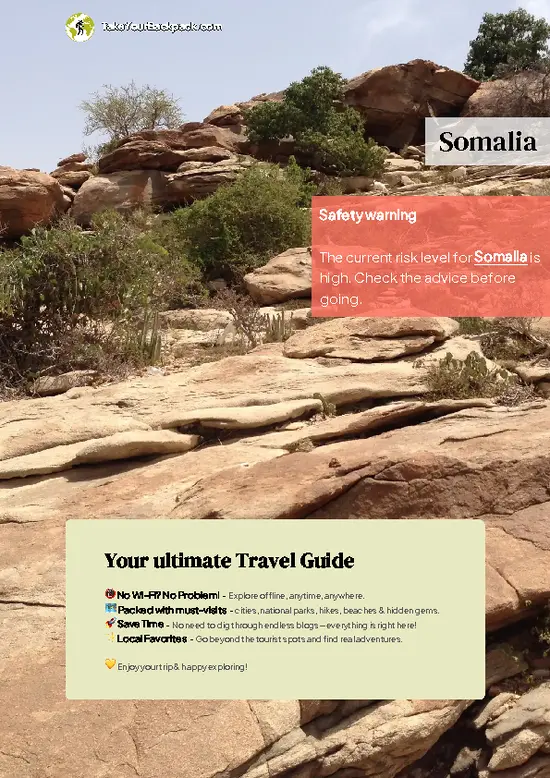
Country photo of Somalia

We 💚 feedbackIs it worth it?

Borama has a raw, unfiltered vibe that feels like stepping into a world untouched by time. The scent of spices wafts through the bustling markets, where locals greet you with genuine warmth. The best surprise? The stunning views from the surrounding hills at sunset—golden light spilling over the landscape, making every climb worth it. Just a heads-up: be mindful of local customs; respect goes a long way. Embrace the challenge, and you’ll find a connection that’s truly rewarding.

✍️ Help improve this page!
The information on this page is based on in-depth research, insights shared by experienced travelers, and feedback from the local travel community in Somalia. While every effort is made to keep the information accurate and current, conditions can change — so if you spot anything incorrect or outdated, please get in touch.


🙋‍♂️ Give feedback

👋 Meet the founderWho’s Behind Take Your Backpack?

Johan, backpacker and founder of TakeYourBackpackHi, I’m Johan (Netherlands 🇳🇱), the creator of TakeYourBackpack. Over the past decade, I’ve backpacked through 80+ countries across six continents, gaining extensive experience with independent travel, long-term trips, and overland routes.

This site is built on a combination of firsthand travel experience and carefully curated insights from other backpackers. Many guides are based on places I’ve personally visited, while others bring together tips, observations, and practical advice shared by trusted travelers I’ve met along the way.

The goal is to provide realistic, experience-driven guidance — not generic itineraries — so you can explore destinations with better context, clearer expectations, and more confidence.

Get full Somalia guide •
Instant download • 83 highlights • Full Offline guide