×

South Africa🇿🇦 | festivalsCape Town International Jazz FestivalCTICC stages, Afro-fusion, two-day lineup, free community concert | things to do and best time to go

Explore AfrikaBurnExplore Knysna Oyster Festival

Backpacking in Cape Town International Jazz
🏆 Top pickfestival ranked #2
By Johan Kruseman 🇳🇱 | Updated October 22, 2026

Two nights of music for the price of one city: the festival packs five stages and dozens of acts into a single venue, so you skip the logistics of chasing gigs across town. Cape Town International Jazz Festival takes place at the Cape Town International Convention Centre (CTICC) in the city bowl of Cape Town, South Africa, a short walk from the Foreshore and the harbor. It runs over two days in late March or early April, mixing South African jazz, Afro-fusion, soul and international headliners for a crowd of locals, jazz students and well-dressed regulars. I walked in through the foyer and heard a township saxophone line drifting down the escalators before I saw a single stage. Skip the VIP lounge, it adds little. Spend your time hopping between the smaller halls, where the best sets happen. Book tickets and a bed early, since both sell out.

Discover everything you want to know in the 📖 South Africa Travel Guide.


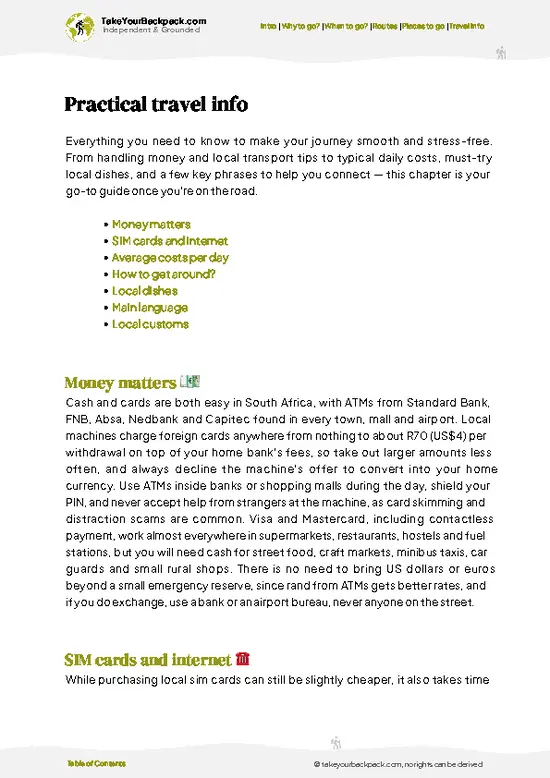
example page 0 from our offline Travel Guide for South Africa
example page 1 from our offline Travel Guide for South Africa
example page 2 from our offline Travel Guide for South Africa
example page 3 from our offline Travel Guide for South Africa
example page 4 from our offline Travel Guide for South Africa
example page 5 from our offline Travel Guide for South Africa
example page 6 from our offline Travel Guide for South Africa
example page 7 from our offline Travel Guide for South Africa
Loading the map 🌍
CLICK TO FILTER
cities
towns
villages
landmarks
national parks
hikes
beaches
attractions
festivals
regions
SHOW COUNTRY’S BESTSHOW ALL

✨ Why go?
Ranked #2 festival in South Africa
What sets this place apart

Cape Town International Jazz Festival gives backpackers a rare chance to hear the Cape’s homegrown jazz tradition alongside international names, all under one roof. The Cape has a long jazz history rooted in the District Six era, and you feel it in the audience: people sing the lines back to the players, and strangers will explain who is on stage if you ask.

The social side is easy. Five halls and five stages mean you keep bumping into the same faces between sets, and a seat beside a local fan is the quickest route into a conversation about Abdullah Ibrahim or Hugh Masekela. Compared with open-air festivals, the CTICC setting means no mud, no camping and no gear to haul, so a daypack is enough.

It also fits a longer route well. The festival sits in a city where the Winelands, the Peninsula … read more 👉
Cape Town International Jazz Festival gives backpackers a rare chance to hear the Cape’s homegrown jazz tradition alongside international names, all under one roof. The Cape has a long jazz history rooted in the District Six era, and you feel it in the audience: people sing the lines back to the players, and strangers will explain who is on stage if you ask.

The social side is easy. Five halls and five stages mean you keep bumping into the same faces between sets, and a seat beside a local fan is the quickest route into a conversation about Abdullah Ibrahim or Hugh Masekela. Compared with open-air festivals, the CTICC setting means no mud, no camping and no gear to haul, so a daypack is enough.

It also fits a longer route well. The festival sits in a city where the Winelands, the Peninsula and the Garden Route are all reachable, so you can build a wider South Africa trip around the date. Prices are lower than comparable jazz events in Europe or North America, and the Friday and Saturday format keeps the commitment short.

💡 HighlightsKey sights and experiences for travelers

  1. The Kasi Stage: Named for the township tradition, this stage showcases South African jazz and Afro-fusion acts, and it has the loudest, most participatory crowd of the weekend.
  2. The Moses Molelekwa Arena: A large hall for the major headliners, with a proper concert sound system. It is where the biggest local and international names land, and the atmosphere here is closest to a full concert.
  3. The Rosies Stage: A more intimate room suited to contemporary and vocal jazz, where you can stand close to the players and hear every detail.
  4. The Manyano Stage: Built for emerging and mid-career artists, this is where you hear the names you will want to follow up afterward.
  5. Free Community Concert: Held before the main event in a Cape Town neighborhood, it brings top acts to local audiences at no charge and shows
… read more 👉
  1. The Kasi Stage: Named for the township tradition, this stage showcases South African jazz and Afro-fusion acts, and it has the loudest, most participatory crowd of the weekend.
  2. The Moses Molelekwa Arena: A large hall for the major headliners, with a proper concert sound system. It is where the biggest local and international names land, and the atmosphere here is closest to a full concert.
  3. The Rosies Stage: A more intimate room suited to contemporary and vocal jazz, where you can stand close to the players and hear every detail.
  4. The Manyano Stage: Built for emerging and mid-career artists, this is where you hear the names you will want to follow up afterward.
  5. Free Community Concert: Held before the main event in a Cape Town neighborhood, it brings top acts to local audiences at no charge and shows the festival’s link to the city beyond the convention centre.
Cape Town International Jazz Festival requires a ticket for the CTICC days, and these should be bought well ahead, while the community concert is free.
Spotted a mistake or missing something? Contact us.

Things to do around Cape Town International Jazz Festival

Ratings based on Tripadvisor reviews. When you book through this link, you support our work at no extra cost to you.

🌤️ When to go?When is the celebration of Cape Town International Jazz Festival?

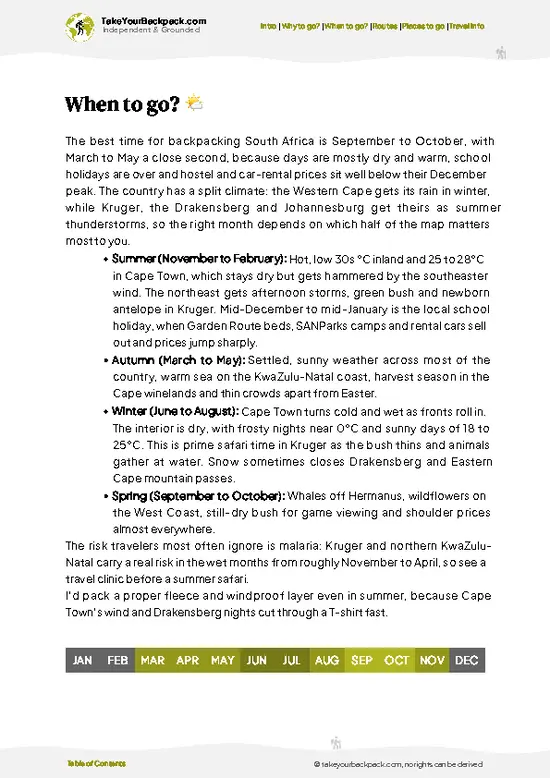
Cape Town International Jazz Festival runs over two days, usually on a Friday and Saturday in late March or early April (some years the dates shift to the weekend around Easter), at the Cape Town International Convention Centre (CTICC) in the city center.
  • Best day: Saturday has the bigger headliners and the fullest halls, while Friday is easier to move around in and still has strong international acts.
  • Weather: Expect warm, mostly dry days of 20 to 27°C (68 to 81°F), with a sea wind that can cool evenings. The halls are indoors and chilly with air conditioning, so bring a light layer, plus sunscreen for the queues outside.
  • Booking: Buy tickets and beds two to three months ahead. Central rooms often cost 30 to 60 percent more over the festival weekend.
  • Crowds: Arrive about an hour before doors
… read more 👉
Cape Town International Jazz Festival runs over two days, usually on a Friday and Saturday in late March or early April (some years the dates shift to the weekend around Easter), at the Cape Town International Convention Centre (CTICC) in the city center.
  • Best day: Saturday has the bigger headliners and the fullest halls, while Friday is easier to move around in and still has strong international acts.
  • Weather: Expect warm, mostly dry days of 20 to 27°C (68 to 81°F), with a sea wind that can cool evenings. The halls are indoors and chilly with air conditioning, so bring a light layer, plus sunscreen for the queues outside.
  • Booking: Buy tickets and beds two to three months ahead. Central rooms often cost 30 to 60 percent more over the festival weekend.
  • Crowds: Arrive about an hour before doors open to clear security. Rideshare surges are heavy after the last set, so leave 20 minutes early or walk with a group toward Long Street.
Book a Thursday-night arrival so you can sort out your tickets and wristband without stress.


source: climatestotravel.comJANJanuary: not recommended for travelingFEBFebruary: not recommended for travelingMARMarch: excellent for travelingAPRApril: not recommended for travelingMAYMay: not recommended for travelingJUNJune: not recommended for travelingJULJuly: not recommended for travelingAUGAugust: not recommended for travelingSEPSeptember: not recommended for travelingOCTOctober: not recommended for travelingNOVNovember: not recommended for travelingDECDecember: not recommended for traveling

✈️ The backpacker research shortcutSouth Africa Travel Guide

An offline-friendly backpacking guide with optimized travel routes, ranked highlights, transport advice, and the best areas to stay.
example page 0 from our offline Travel Guide for South Africa
example page 1 from our offline Travel Guide for South Africa
example page 2 from our offline Travel Guide for South Africa
example page 3 from our offline Travel Guide for South Africa
example page 4 from our offline Travel Guide for South Africa
example page 5 from our offline Travel Guide for South Africa
example page 6 from our offline Travel Guide for South Africa
example page 7 from our offline Travel Guide for South Africa
The digital guide (457 pages) contains:
✅ 125 highlights, ranked by travel appeal
✅ Optimized 7, 14 & 21-day travel routes
✅ Cities, national parks, landmarks, beaches
✅ How to get around
✅ Offline-friendly for travel without Wi-Fi
👉 Click to see all 30+ guide features

📅 Plan smarter in minutes, not weeks
✅ Month by month travel advice
✅ Festivals & national holidays
✅ Budget expectations

🗺️ Go to the right places, skip the overrated ones
✅ Honest pros & cons of destinations
✅ Top hikes, parks & viewpoints
✅ Lesser-known places most travelers miss
✅ Clear “worth it vs skip it” guidance

🛏️ Travel smoothly without rookie mistakes
✅ Best areas to stay
✅ Transport systems explained simply
✅ Common scams & safety advice
✅ SIM cards, money & practical tips

🌍 Understand the country, not just visit it
✅ Culture & traditions
✅ 52 Essential phrases & customs
✅ Festivals worth planning around
✅ Traveler-friendly historical context
✅ Insights that make places more meaningful

📱 Built for real travel conditions
✅ Fully downloadable PDF
✅ Works completely offline
✅ Optimized for phone use
✅ Useful in remote areas & buses
✅ Everything in one place
Stop searching, start planning
Get instant access to your full guide. 30‑day money-back guarantee.
+ Add another guide for just

By proceeding you agree to our terms.
Sent to your inbox immediately after payment • 100% Secure Checkout
Best Backpacking Travel Advisor 2025 tourism awardBest Backpacking
Travel Advisor
2025
What others say about Take Your Backpack Guides:
⭐⭐⭐⭐⭐
Fantastic, amazing amount of information!
⭐⭐⭐⭐⭐
My goodness this is amazing, it's what I've been looking for hats off too you!
⭐⭐⭐⭐⭐
I think this is absolutely BRILLIANT
⭐⭐⭐⭐
Very complete and informative. It's still missing places, but I gotta to commend you
⭐⭐⭐⭐⭐
This is truly amazing, thank you, can't wait to explore it with my kids!
⭐⭐⭐⭐⭐
Awesome resource, thank you!
⭐⭐⭐⭐⭐
This is amazing! Can't wait to explore the ones I haven't seen
⭐⭐⭐⭐
I love this! Well done, great idea.
⭐⭐⭐⭐⭐
Thanks for taking the time to make this gem!
⭐⭐⭐⭐⭐
This might be the best website I've ever seen.
⭐⭐⭐⭐⭐
Congratulations, and thank you so much for your work; it's incredibly valuable.
⭐⭐⭐⭐
In all seriousness I think you did a great job pointing out the important spots
⭐⭐⭐⭐⭐
10/10 very good
⭐⭐⭐⭐⭐
As someone who's only just starting to visit regularly this is awesome, thank you.
⭐⭐⭐⭐
Thank you very much! I'm going to visit my dad, it's going to be very useful!
⭐⭐⭐⭐⭐
This is really cool! We'll be travelling for the first time and this definitely come in handy.
⭐⭐⭐⭐⭐
You are now our minister of culture, congratulations 👨‍💼
⭐⭐⭐⭐⭐
Just wanted to tell you that this is a pearl! Going to follow your recommendations.
⭐⭐⭐⭐⭐
This is so cool. I'll definitely be using the resource for my travels soon.
⭐⭐⭐⭐⭐
This is very impressive! Good work.
⭐⭐⭐⭐⭐
This is an amazing and informative site. Very well done!

🛏️ Where to stay?Best areas and accommodation options

The City Bowl, especially the streets around Long Street and Bree Street, is the best area for backpackers because the CTICC is a 10 to 20 minute walk away and the neighborhood is full of hostels, bars and fellow travelers. It is the most social option, with plenty of solo travelers to share a rideshare or a post-show drink with. Stick to the main, well-lit streets at night and use a rideshare for the short hop home after late sets.

Gardens and Tamboerskloof, just up the slope, are quieter and a little safer after dark. Guesthouses and small hostels there suit people who want sleep between two … read more 👉
The City Bowl, especially the streets around Long Street and Bree Street, is the best area for backpackers because the CTICC is a 10 to 20 minute walk away and the neighborhood is full of hostels, bars and fellow travelers. It is the most social option, with plenty of solo travelers to share a rideshare or a post-show drink with. Stick to the main, well-lit streets at night and use a rideshare for the short hop home after late sets.

Gardens and Tamboerskloof, just up the slope, are quieter and a little safer after dark. Guesthouses and small hostels there suit people who want sleep between two long festival days, and the walk or a short ride down to the venue takes 10 to 15 minutes.

De Waterkant and the Waterfront side are within walking distance too and feel calm and tidy, though beds cost more and the social scene is thinner. Woodstock is cheaper and creative, with good cafes, but it sits farther from the venue, so plan on rideshares at night.

Whichever area you choose, book early, since the festival weekend fills the central dorms fast.

👛 Costs (as of 22 October 2026)How expensive it really is

Cape Town International Jazz Festival costs a backpacker about US$88 to 210 a day, including a two-day pass spread across both days and a central dorm bed.
CategoryBudget RangeLocal Reality
Festival ticketsUS$40 to 100 per dayDay passes vary by day and stage lineup, with Saturday costing more. Two-day passes work out cheaper per day. Sold through the official ticketing platform.
AccommodationUS$18 to 45 (high season)Dorm beds in the City Bowl climb noticeably over festival weekend. Private rooms start around US$60 to 100.
Local transportUS$5 to 15Rideshares cost US$3 to 8 for short central trips and are the safest way home after late sets. The MyCiTi bus covers longer routes with a card.
Food & drinksUS$20 to 35Festival meals run US$5 to 10, a beer or glass of wine US$2 to 5. Eating before
… read more 👉
Cape Town International Jazz Festival costs a backpacker about US$88 to 210 a day, including a two-day pass spread across both days and a central dorm bed.
CategoryBudget RangeLocal Reality
Festival ticketsUS$40 to 100 per dayDay passes vary by day and stage lineup, with Saturday costing more. Two-day passes work out cheaper per day. Sold through the official ticketing platform.
AccommodationUS$18 to 45 (high season)Dorm beds in the City Bowl climb noticeably over festival weekend. Private rooms start around US$60 to 100.
Local transportUS$5 to 15Rideshares cost US$3 to 8 for short central trips and are the safest way home after late sets. The MyCiTi bus covers longer routes with a card.
Food & drinksUS$20 to 35Festival meals run US$5 to 10, a beer or glass of wine US$2 to 5. Eating before you enter saves money.
Miscellaneous expensesUS$5 to 15Lockers, merchandise, a tip for the cloakroom or parking attendants, and a data bundle for ticket access.
Total Daily BudgetUS$88 to 210Roughly US$115 to 205 for most travelers choosing mid-range tickets and a shared dorm.
⚠️ Prices can change and everyone travels differently, so take this as a rough guide. Hope it helps you plan your adventure!

🍲 FoodLocal Cuisine & Drinks

Food at Cape Town International Jazz Festival is mostly a mix of food stalls and counters inside the convention centre, with the usual South African crowd-pleasers. Look for boerewors rolls, grilled over coals and served in a soft bun with sauce, along with burgers, wraps, pizza and curries. Many stands also serve Cape Malay favorites such as samoosas and chicken or lamb curry with rotis.

For the real local taste, try a gatsby, the huge Cape Town sandwich stuffed with chips and meat, and split it with someone because one is easily two meals. Sweet koeksisters and milk tart turn up at snack tables, too.

Drinks lean toward Western Cape wine, local craft beer and ciders, plus soft drinks and strong coffee to carry you through the late sets. Rooibos tea is an easy non-alcoholic choice.

Expect … read more 👉
Food at Cape Town International Jazz Festival is mostly a mix of food stalls and counters inside the convention centre, with the usual South African crowd-pleasers. Look for boerewors rolls, grilled over coals and served in a soft bun with sauce, along with burgers, wraps, pizza and curries. Many stands also serve Cape Malay favorites such as samoosas and chicken or lamb curry with rotis.

For the real local taste, try a gatsby, the huge Cape Town sandwich stuffed with chips and meat, and split it with someone because one is easily two meals. Sweet koeksisters and milk tart turn up at snack tables, too.

Drinks lean toward Western Cape wine, local craft beer and ciders, plus soft drinks and strong coffee to carry you through the late sets. Rooibos tea is an easy non-alcoholic choice.

Expect queues at peak times, especially between big acts, so eat early in the afternoon or during a lull. Cards are widely accepted, but carry some cash in rand for smaller stalls, since networks can slow when the halls are packed. Outside food is generally not allowed in, so eat well before you go in.

FAQTraveler FAQ

Cape Town International Jazz Festival takes place over two days, usually a Friday and Saturday in late March or early April. It is held at the Cape Town International Convention Centre in the city center, and dates occasionally shift around the Easter weekend. Check the official site for the exact dates a few months ahead.
Attending Cape Town International Jazz Festival costs roughly US$40 to 100 per day for a ticket, with two-day passes cheaper per day. Add US$18 to 45 for a dorm bed, which rises over the festival weekend, and about US$20 to 35 for food and drinks. A realistic daily total for a backpacker is US$115 to 205.
Yes, buy tickets for Cape Town International Jazz Festival in advance through the official online ticketing platform, because Saturday passes in particular sell out or run low. Booking two to three months ahead also gets you better prices. Entry at the Cape Town International Convention Centre is by ticket or wristband, so keep your confirmation on your phone.
⚠️ Things can change over time, so always validate details locally before you go.

Other South African festivals near Cape Town International Jazz

Explore more nearby:


💡 Not sure where to go next?
Create a personalized itinerary for South Africa including Cape Town International Jazz and the places that fit your trip.

Generate my itinerary

👉 Discover all festivals

Or checkout all South Africa has to offer (think cities, towns, villages, national parks, hikes, beaches, festivals)
Country photo of South Africa

We 💚 feedbackFinal thoughts on celebrating the Cape Town International Jazz

Cape Town International Jazz Festival works best as the opening act of a longer Western Cape loop. I would add a few days in the Winelands, then drive the Garden Route, so the music anchors the trip. Skip trying to see every set; pick two stages and stay put.

✈️ When did I visit South Africa?
I have visited South Africa, before and after my Zimbabwe trip in 2001.

✍️ Help improve this page!
The information on this page is based on my own backpacking experience in South Africa, supplemented with up-to-date research and feedback from other travelers. Travel details can change, so if you notice anything outdated or incomplete, feel free to let me know.


🙋‍♂️ Give feedback

👋 Meet the founderWho’s Behind Take Your Backpack?

Johan, backpacker and founder of TakeYourBackpackHi, I’m Johan (Netherlands 🇳🇱), the creator of TakeYourBackpack. Over the past 3 decades, I’ve backpacked through 90+ countries across six continents, gaining extensive experience with independent travel, long-term trips, and overland routes.

This site is built on a combination of firsthand travel experience and carefully curated insights from other backpackers. Many guides are based on places I’ve personally visited, while others bring together tips, observations, and practical advice shared by trusted travelers I’ve met along the way.

The goal is to provide realistic, experience-driven guidance — not generic itineraries — so you can explore destinations with better context, clearer expectations, and more confidence.