×

South Africa🇿🇦 | attractionsCradle of Humankind Visitor Centrefossil sites, interactive displays, UNESCO caves | things to do and best time to go

Explore uShaka Marine WorldExplore Origins Centre Museum

Backpacking in Cradle of Humankind Visitor Centre
🏆 Top pickattraction ranked #3
By Johan Kruseman 🇳🇱 | Updated September 3, 2026

You won’t see a single real fossil at the Cradle of Humankind Visitor Centre—just replicas. That’s the first thing nobody tells you on Instagram, and it’s a curveball if you’re expecting Indiana Jones-level relics. The Centre sits in Maropeng, about an hour northwest of Johannesburg, surrounded by rolling highveld and the kind of dry grass that crunches under your boots. Here’s the deal: the Cradle is a UNESCO World Heritage Site, but the visitor experience is more science museum than wild cave adventure. The wow-factor is cerebral, not visual—think mind-bending timelines and the realization that you’re standing where humanity literally began. It’s not cheap for South Africa, and the crowds can be thick with school groups and tour buses, especially on weekends. But if you’re the kind of backpacker who gets goosebumps from deep time and big questions, this place delivers. Just don’t expect solitude or Instagram-perfect vistas—expect a jolt of existential awe.

Discover everything you want to know in the 📖 South Africa Travel Guide.
Loading the map 🌍
CLICK TO FILTER
cities
towns
villages
landmarks
national parks
hikes
beaches
attractions
festivals
regions
SHOW COUNTRY’S BESTSHOW ALL

✨ Why go?
Ranked #3 attraction in South Africa
Why Cradle of Humankind Visitor Centre should be on your travel list

The Cradle of Humankind Visitor Centre isn’t just another stop on South Africa’s tourist map—it’s a heavyweight in the story of human origins. Yes, it draws crowds, especially on weekends, and the entrance fee isn’t pocket change for a backpacker. But here’s the kicker: this place is where you confront the raw, unfiltered roots of humanity. The fossils and caves here aren’t props; they’re the real deal, dating back millions of years. That’s not just history—it’s the foundation of who we are.

Backpackers who carve out time for the Cradle aren’t just ticking a box; they’re stepping into a global milestone. It’s a cultural and scientific hotspot that challenges your perspective on time and existence. The Visitor Centre itself is more than a museum—it’s an immersive experience that blends education … read more 👉
The Cradle of Humankind Visitor Centre isn’t just another stop on South Africa’s tourist map—it’s a heavyweight in the story of human origins. Yes, it draws crowds, especially on weekends, and the entrance fee isn’t pocket change for a backpacker. But here’s the kicker: this place is where you confront the raw, unfiltered roots of humanity. The fossils and caves here aren’t props; they’re the real deal, dating back millions of years. That’s not just history—it’s the foundation of who we are.

Backpackers who carve out time for the Cradle aren’t just ticking a box; they’re stepping into a global milestone. It’s a cultural and scientific hotspot that challenges your perspective on time and existence. The Visitor Centre itself is more than a museum—it’s an immersive experience that blends education with a sense of awe that no Instagram filter can replicate. The effort to get here, often a detour from the usual South African routes, pays off in a way that’s both intellectual and visceral. If you want a travel story that’s about more than scenery or nightlife, this is your pit stop. It’s a reminder that some places demand your attention because they hold the blueprint of all of us.
Want to include Cradle of Humankind Visitor Centre in your South Africa route?
Create a personalized South Africa itinerary that includes Cradle of Humankind Visitor Centre and the places that fit your trip — based on your travel style, budget, and available time. Get your route in seconds.

Generate my trip

💡 HighlightsKey sights and experiences for travelers

1. Maropeng Visitor Centre’s Underground Journey
Forget the glossy brochures: the real thrill here is the underground boat ride. You’re not just looking at fossils behind glass—you’re floating through a dark, theatrical tunnel that cranks up the drama with shifting climates, eerie sound effects, and a timeline that yanks you from the fiery birth of Earth to the rise of humanity. It’s part science museum, part theme park, and yes, it’s a little kitsch, but it’s also a rare case where the spectacle actually helps you feel the scale of deep time. Kids love it, but adults get that “whoa, we’re tiny” moment too.


2. The Hominid Fossil Displays
This is the real backbone of the Cradle—actual fossils and casts of our ancient relatives, including Australopithecus africanus and the famous “Mrs. Ples. … read more 👉
1. Maropeng Visitor Centre’s Underground Journey
Forget the glossy brochures: the real thrill here is the underground boat ride. You’re not just looking at fossils behind glass—you’re floating through a dark, theatrical tunnel that cranks up the drama with shifting climates, eerie sound effects, and a timeline that yanks you from the fiery birth of Earth to the rise of humanity. It’s part science museum, part theme park, and yes, it’s a little kitsch, but it’s also a rare case where the spectacle actually helps you feel the scale of deep time. Kids love it, but adults get that “whoa, we’re tiny” moment too.


2. The Hominid Fossil Displays
This is the real backbone of the Cradle—actual fossils and casts of our ancient relatives, including Australopithecus africanus and the famous “Mrs. Ples.” You won’t find these in some dusty corner; they’re front and center, with clear, no-nonsense explanations. The displays don’t sugarcoat the science or dumb it down. You get a direct line from the dig site to the display case, and the context is refreshingly honest about what we know and what’s still a mystery. If you want to see the bones that changed the story of human evolution, this is the place.


3. Interactive Evolution Exhibits
This isn’t a “read the plaque and move on” kind of place. The hands-on exhibits let you test your grip strength against a chimp, try to walk upright like an early hominin, and even simulate ancient tool use. It’s not just for kids—adults get sucked in too, especially when you realize how hard it is to do things our ancestors mastered. The interactivity turns abstract science into something you feel in your muscles.


4. Sterkfontein Caves Guided Tour
Here’s where the Instagrammers drop off. The caves are not for the claustrophobic or the selfie-obsessed. You’ll duck, crawl, and sometimes slide through narrow passages, led by guides who actually know their stuff (and aren’t afraid to crack a joke at your expense). You’ll see the excavation sites where some of the world’s most important fossils were found. It’s muddy, it’s dark, and it’s absolutely worth it. This is my personal favorite—there’s nothing like standing in the same spot where scientists pulled the bones of our ancestors from the earth.


5. The View from the Maropeng Tumulus Mound
Most people rush inside, but the real payoff is stepping onto the grassy mound and looking out over the rolling Magaliesberg landscape. No crowds, no noise—just the same horizon our ancestors saw. It’s a rare moment of quiet in a place that’s usually buzzing with school groups and tour buses. If you want to feel the weight of history, stand here at sunset. The view is pure, unfiltered South Africa—no filter needed, no hashtags required.
Spotted a mistake or missing something? Contact us.

Things to do near Cradle of Humankind Visitor Centre

Ratings based on Tripadvisor reviews. When you book through this link, you support our work at no extra cost to you.

🌤️ When to go?Weather, crowds, and seasonal trade-offs


  • Weather: The Cradle of Humankind sits in a temperate zone, so expect dry, cool winters from May to August with temperatures around 10-20°C (50-68°F). Summers, from November to February, bring heat and afternoon thunderstorms, pushing temps up to 30°C (86°F). Rain can make trails slippery and caves damp.

  • Temperature: Spring (September to November) and autumn (March to April) offer the best balance—mild days in the low to mid-20s Celsius (70s Fahrenheit) and cooler nights. This is when you’ll avoid the extremes that can sap your energy on a backpacking trip.

  • Daylight Hours: Longer days from October to March mean more time to explore the caves and trails without rushing. In winter, daylight shrinks to about 10 hours, which can cramp your schedule if you’re relying on natural light.

  • Crowds:
read more 👉

  • Weather: The Cradle of Humankind sits in a temperate zone, so expect dry, cool winters from May to August with temperatures around 10-20°C (50-68°F). Summers, from November to February, bring heat and afternoon thunderstorms, pushing temps up to 30°C (86°F). Rain can make trails slippery and caves damp.

  • Temperature: Spring (September to November) and autumn (March to April) offer the best balance—mild days in the low to mid-20s Celsius (70s Fahrenheit) and cooler nights. This is when you’ll avoid the extremes that can sap your energy on a backpacking trip.

  • Daylight Hours: Longer days from October to March mean more time to explore the caves and trails without rushing. In winter, daylight shrinks to about 10 hours, which can cramp your schedule if you’re relying on natural light.

  • Crowds: Peak tourist season hits during South African school holidays (July and December-January), so expect busier visitor centers and guided tours. Off-peak months like April and September offer a quieter, more personal experience.

  • Seasonal Activities: The site doesn’t have many seasonal events, but spring brings wildflowers and more active wildlife, adding layers to your visit beyond the fossils and caves.

  • Price Fluctuations: Entrance fees and tour prices stay relatively stable year-round, but accommodation and transport costs spike during school holidays and public holidays, so plan accordingly if you’re on a budget.


Pro-tip: Aim for late spring or early autumn to dodge crowds, enjoy comfortable weather, and stretch your daylight hours—this combo turns a fossil tour into a full-on adventure without the hassle.


source: climatestotravel.comJANJanuary: good for travelingFEBFebruary: good for travelingMARMarch: highly recommended for travelingAPRApril: highly recommended for travelingMAYMay: good for travelingJUNJune: good for travelingJULJuly: fair for travelingAUGAugust: good for travelingSEPSeptember: highly recommended for travelingOCTOctober: highly recommended for travelingNOVNovember: highly recommended for travelingDECDecember: fair for traveling
south-africa-attraction-cradle-of-humankind-visitor-centre
© Google |

✈️ The backpacker research shortcutSouth Africa Travel Guide

An offline-friendly backpacking guide with optimized travel routes, ranked highlights, transport advice, and the best areas to stay.
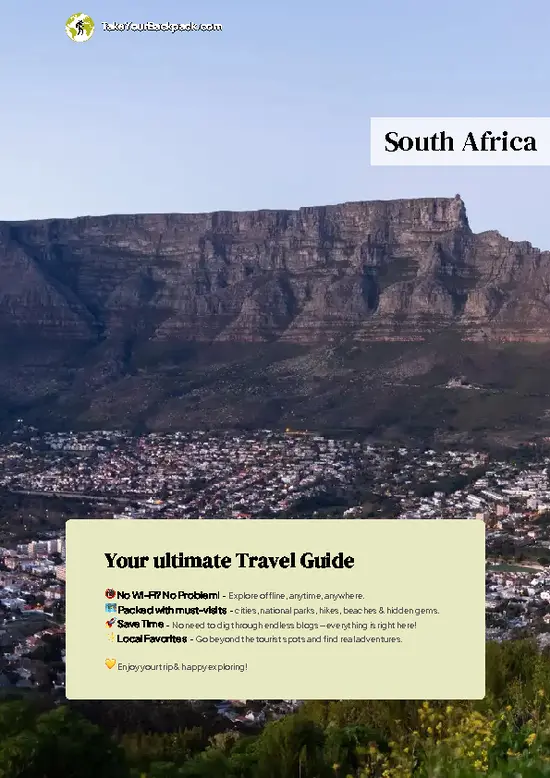
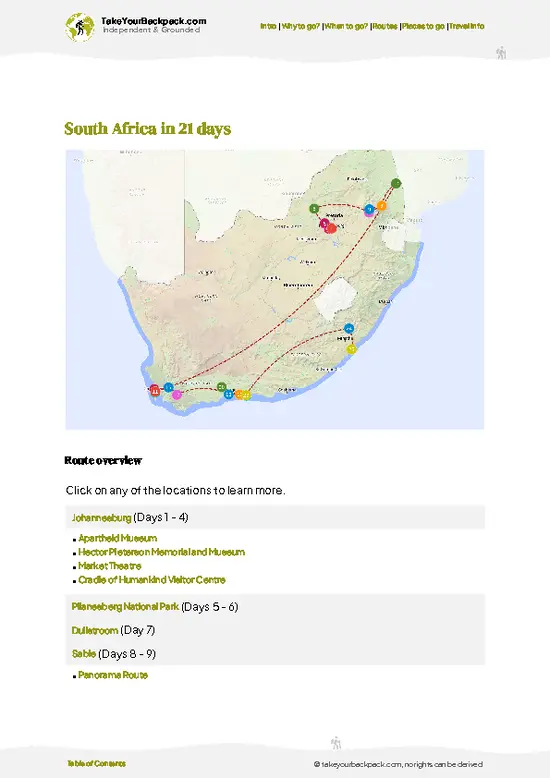
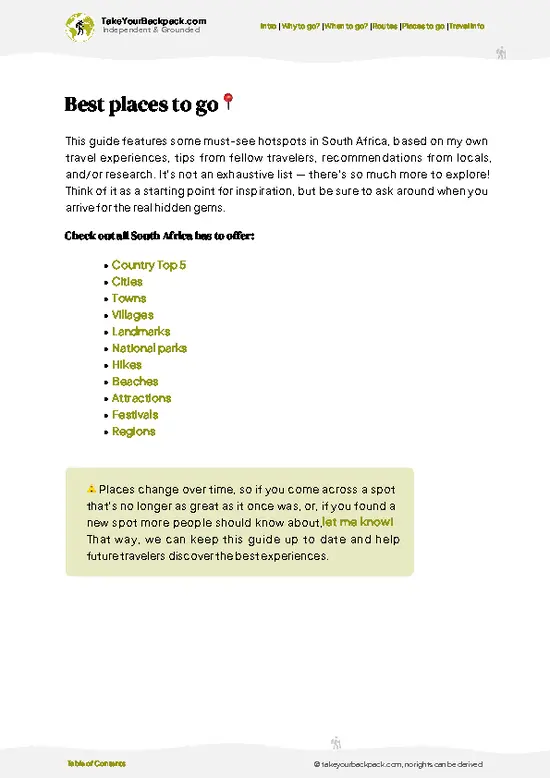
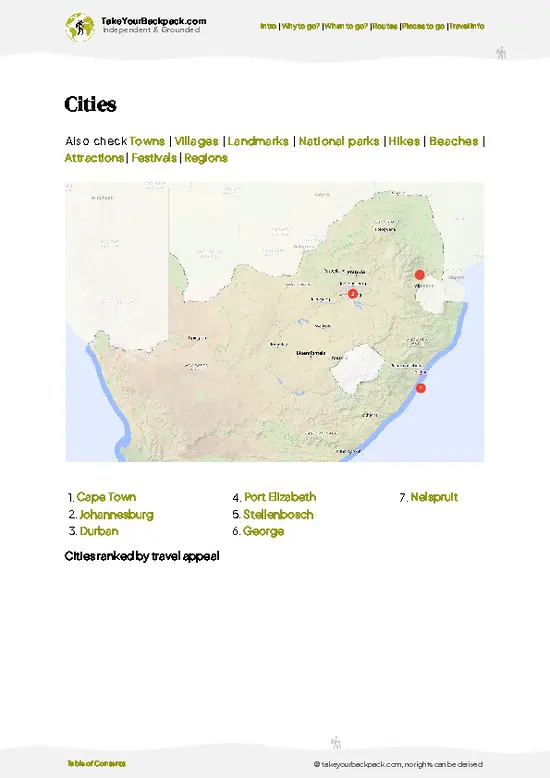
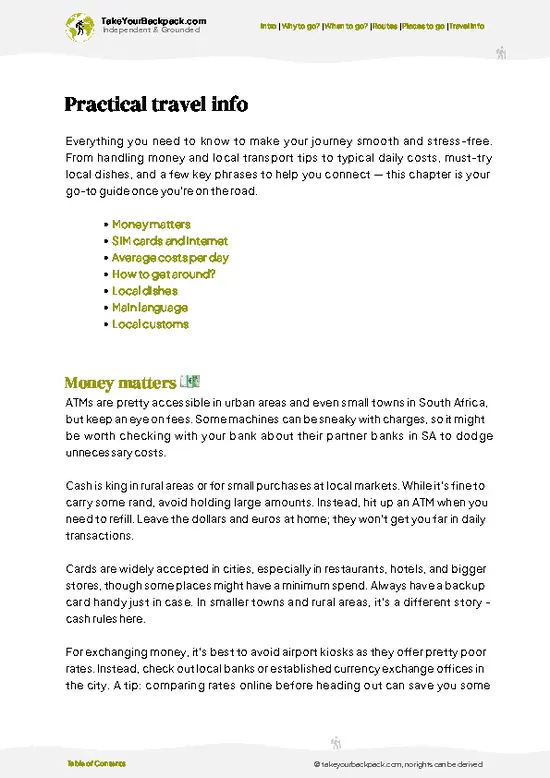
example page 0 from our offline Travel Guide for South Africa
example page 1 from our offline Travel Guide for South Africa
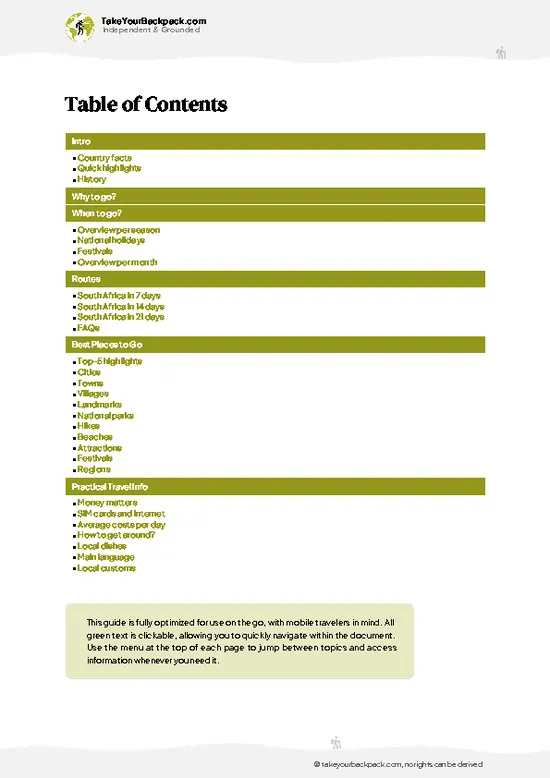
example page 2 from our offline Travel Guide for South Africa
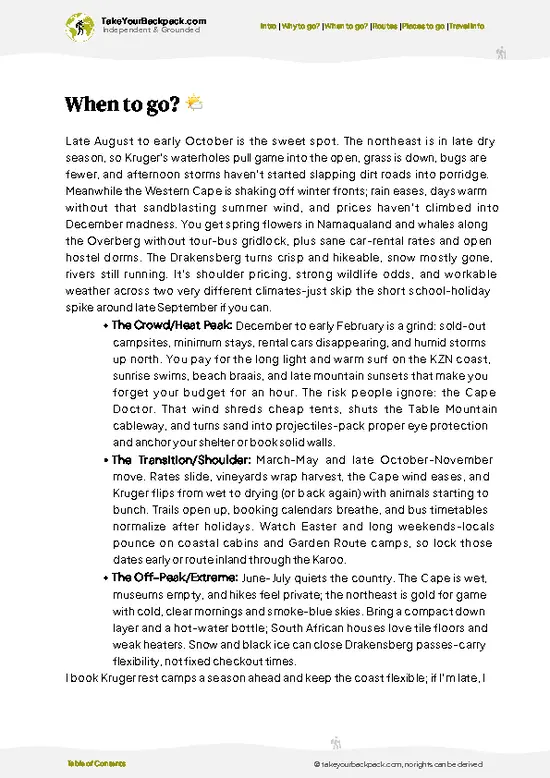
example page 3 from our offline Travel Guide for South Africa
example page 4 from our offline Travel Guide for South Africa
example page 5 from our offline Travel Guide for South Africa
example page 6 from our offline Travel Guide for South Africa
example page 7 from our offline Travel Guide for South Africa
The digital guide (453 pages) contains:
129 highlights, ranked by travel appeal
Optimized 7, 14 & 21-day travel routes
Cities, national parks, landmarks, beaches
How to get around
Offline-friendly for travel without Wi-Fi
👉 Click to see all 30+ guide features

📅 Plan smarter in minutes, not weeks
Month by month travel advice
Festivals & national holidays
Budget expectations

🗺️ Go to the right places, skip the overrated ones
Honest pros & cons of destinations
Top hikes, parks & viewpoints
Lesser-known places most travelers miss
Clear “worth it vs skip it” guidance

🛏️ Travel smoothly without rookie mistakes
Best areas to stay
Transport systems explained simply
Common scams & safety advice
SIM cards, money & practical tips

🌍 Understand the country, not just visit it
Culture & traditions
Local customs
Festivals worth planning around
Traveler-friendly historical context
Insights that make places more meaningful

📱 Built for real travel conditions
Fully downloadable PDF
Works completely offline
Optimized for phone use
Useful in remote areas & buses
Everything in one place
Save weeks of stressful planning
Get instant access to your full guide. 30‑day money-back guarantee.
+ Add another guide for just US$7.80

By proceeding you agree to our terms.
Sent to your inbox immediately after payment • 100% Secure Checkout
Best Backpacking Travel Advisor 2025 tourism awardBest Backpacking
Travel Advisor
2025
What others say about Take Your Backpack Guides:
⭐⭐⭐⭐⭐
Fantastic, amazing amount of information!
⭐⭐⭐⭐⭐
My goodness this is amazing, it's what I've been looking for hats off too you!
⭐⭐⭐⭐⭐
I think this is absolutely BRILLIANT
⭐⭐⭐⭐
Very complete and informative. It's still missing places, but I gotta to commend you
⭐⭐⭐⭐⭐
This is truly amazing, thank you, can't wait to explore it with my kids!
⭐⭐⭐⭐⭐
Awesome resource, thank you!
⭐⭐⭐⭐⭐
This is amazing! Can't wait to explore the ones I haven't seen
⭐⭐⭐⭐
I love this! Well done, great idea.
⭐⭐⭐⭐⭐
Thanks for taking the time to make this gem!
⭐⭐⭐⭐⭐
This might be the best website I've ever seen.
⭐⭐⭐⭐⭐
Congratulations, and thank you so much for your work; it's incredibly valuable.
⭐⭐⭐⭐
In all seriousness I think you did a great job pointing out the important spots
⭐⭐⭐⭐⭐
10/10 very good
⭐⭐⭐⭐⭐
As someone who's only just starting to visit regularly this is awesome, thank you.
⭐⭐⭐⭐
Thank you very much! I'm going to visit my dad, it's going to be very useful!
⭐⭐⭐⭐⭐
This is really cool! We'll be travelling for the first time and this definitely come in handy.
⭐⭐⭐⭐⭐
You are now our minister of culture, congratulations 👨‍💼
⭐⭐⭐⭐⭐
Just wanted to tell you that this is a pearl! Going to follow your recommendations.
⭐⭐⭐⭐⭐
This is so cool. I'll definitely be using the resource for my travels soon.
⭐⭐⭐⭐⭐
This is very impressive! Good work.
⭐⭐⭐⭐⭐
This is an amazing and informative site. Very well done!

🛏️ Where to stay?Where staying makes the most sense

The Cradle of Humankind Visitor Centre is a must-see for anyone curious about our origins, but let’s cut through the hype: it’s not a bustling urban hub with endless nightlife or budget hostels on every corner. The reality is, this area is more about quiet, reflective exploration than party scenes or backpacker crowds. If you’re chasing social vibes and safety without blowing your budget, your best bets are the nearby towns of Krugersdorp and Muldersdrift.

Krugersdorp is the practical choice. It’s a working town with a solid local feel, not a tourist playground. You’ll find guesthouses and small … read more 👉
The Cradle of Humankind Visitor Centre is a must-see for anyone curious about our origins, but let’s cut through the hype: it’s not a bustling urban hub with endless nightlife or budget hostels on every corner. The reality is, this area is more about quiet, reflective exploration than party scenes or backpacker crowds. If you’re chasing social vibes and safety without blowing your budget, your best bets are the nearby towns of Krugersdorp and Muldersdrift.

Krugersdorp is the practical choice. It’s a working town with a solid local feel, not a tourist playground. You’ll find guesthouses and small backpacker spots that lean on the affordable side, and the locals are friendly without the touristy gloss. It’s safe enough if you stick to the main areas, and you’ll get a genuine slice of South African township life. Plus, it’s a short drive to the Cradle, so you’re close without paying a premium for proximity.

Muldersdrift, on the other hand, offers a slightly more upscale vibe but still has budget-friendly lodges and backpacker-friendly guesthouses. It’s quieter, greener, and has a few social spots where travelers and locals mingle—think small pubs and weekend markets rather than packed bars. It’s safer and more relaxed, perfect if you want to decompress after a day of fossil hunting.

Neither spot is going to give you the backpacker party capital experience, but both offer safety, social opportunities, and real local flavor. If you want to experience the Cradle of Humankind without the Instagram gloss, these towns are your launchpads.

👛 Costs (as of 3 September 2026)Money, prices, and spending tips

The entrance fee to the Cradle of Humankind Visitor Centre typically ranges from USD15 to USD25 per person. This includes access to the main exhibitions and walking trails. Additional costs may apply for guided tours, special exhibitions, or activities such as cave tours, which can add approximately USD10 to USD20. Budget for parking fees and any food or souvenirs purchased on site.
⚠️ Prices can change and everyone travels differently, so take this as a rough guide. Hope it helps you plan your adventure!

FAQTraveler FAQ

2 to 3 hours is sufficient to visit the Cradle of Humankind Visitor Centre, allowing time to explore the exhibitions and watch the introductory film. Allocate extra time if you plan to visit nearby caves or take guided tours. The centre is well-organized for a half-day visit.
Yes, the entrance fee is worth it for the educational value and unique insight into human evolution. Tickets cost around 100 to 150 ZAR, which grants access to interactive displays and fossil exhibits. The experience is highly rated by visitors interested in anthropology and natural history.
The Cradle of Humankind Visitor Centre is about 50 kilometers northwest of Johannesburg. You can reach it by car via the R28 road from Johannesburg or Pretoria. Public transport options are limited, so renting a car or joining a guided tour is recommended.
⚠️ Things can change over time, so always validate details locally before you go.

Other South African attractions near Cradle of Humankind Visitor Centre

Explore more nearby:


💡 Not sure where to go next?
Create a personalized itinerary for South Africa including Cradle of Humankind Visitor Centre and the places that fit your trip.

Generate my itinerary

👉 Discover all attractions

Or checkout all South Africa has to offer (think cities, towns, villages, national parks, hikes, beaches, festivals)
Country photo of South Africa

We 💚 feedbackWhat to keep in mind

The Cradle of Humankind Visitor Centre isn’t just another museum stop—it’s where you get face-to-face with the deep, tangled roots of humanity. The fossil displays and cave tours hit you with the real weight of our shared past. But heads-up: it can get crowded, especially on weekends, and the entrance fee isn’t pocket change. Still, if you want a raw, mind-bending look at where we come from, this place delivers in a way no flashy tourist trap can.

✈️ When did I visit South Africa?
I have visited South Africa, before and after my Zimbabwe trip in 2001.

✍️ Help improve this page!
The information on this page is based on my own backpacking experience in South Africa, supplemented with up-to-date research and feedback from other travelers. Travel details can change, so if you notice anything outdated or incomplete, feel free to let me know.


🙋‍♂️ Give feedback

👋 Meet the founderWho’s Behind Take Your Backpack?

Johan, backpacker and founder of TakeYourBackpackHi, I’m Johan (Netherlands 🇳🇱), the creator of TakeYourBackpack. Over the past decade, I’ve backpacked through 80+ countries across six continents, gaining extensive experience with independent travel, long-term trips, and overland routes.

This site is built on a combination of firsthand travel experience and carefully curated insights from other backpackers. Many guides are based on places I’ve personally visited, while others bring together tips, observations, and practical advice shared by trusted travelers I’ve met along the way.

The goal is to provide realistic, experience-driven guidance — not generic itineraries — so you can explore destinations with better context, clearer expectations, and more confidence.

Get full country guide •
Instant download • 129 highlights • Full Offline guide