×

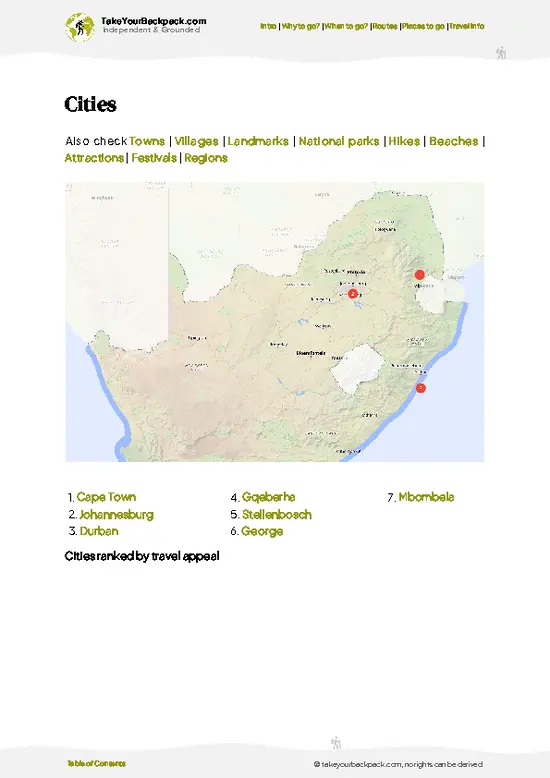
South Africa🇿🇦 | citiesJohannesburgArt districts, mining history, Soweto township, urban regeneration | things to do and best time to go

Explore DurbanExplore Port Elizabeth

Backpacking in Johannesburg
🏆 Top pickcity ranked #2
By Johan Kruseman 🇳🇱 | Updated September 3, 2026

Forget the myth that Johannesburg is just a stopover or a city to be rushed through—this place is the engine room of South Africa, not just a pit stop before the safari. Smack in the northeast, Joburg is the country’s economic pulse and a city that rewards curiosity. Backpackers get a real urban adventure here: the Apartheid Museum hits hard, Maboneng’s street art and rooftop bars buzz with energy, and Constitution Hill’s history is as raw as it gets. Yes, safety is a concern—don’t wander aimlessly at night, and keep your wits about you—but I’ve met more open, talkative locals here than anywhere else in the country. It’s less polished than Cape Town, less touristy than Durban, but that’s the point: you’re in the thick of real South African life. Hostels are affordable, public transport is patchy, but rideshares fill the gap. If you want comfort, you’ll pay for it; if you want stories, Joburg delivers.

Discover everything you want to know in the 📖 South Africa Travel Guide.
Loading the map 🌍
CLICK TO FILTER
cities
towns
villages
landmarks
national parks
hikes
beaches
attractions
festivals
regions
SHOW COUNTRY’S BESTSHOW ALL

✨ Why go?
Ranked #2 city in South Africa
What makes it a must-see city

Johannesburg is a strategic hub for backpackers, blending affordability with a vibrant atmosphere. The city offers a wealth of highlights and activities that cater to diverse interests, making it a great base for exploration. You’ll find hostels that are not just budget-friendly but also social, perfect for meeting fellow travelers.

The food scene is a delightful mix of local flavors and international cuisine, allowing you to indulge without breaking the bank. Plus, the city’s walkability means you can easily explore neighborhoods, soaking in the culture and street art.

When the sun sets, the nightlife kicks in, offering everything from laid-back bars to lively clubs, ensuring your evenings are just as engaging as your days.

Johannesburg also serves as a launchpad for day trips to nearby … read more 👉
Johannesburg is a strategic hub for backpackers, blending affordability with a vibrant atmosphere. The city offers a wealth of highlights and activities that cater to diverse interests, making it a great base for exploration. You’ll find hostels that are not just budget-friendly but also social, perfect for meeting fellow travelers.

The food scene is a delightful mix of local flavors and international cuisine, allowing you to indulge without breaking the bank. Plus, the city’s walkability means you can easily explore neighborhoods, soaking in the culture and street art.

When the sun sets, the nightlife kicks in, offering everything from laid-back bars to lively clubs, ensuring your evenings are just as engaging as your days.

Johannesburg also serves as a launchpad for day trips to nearby attractions, making it a practical choice for those wanting to explore beyond the city limits. If you’re looking for a place that balances comfort and value, while also being a gateway to South Africa’s wonders, Johannesburg is worth more than just a quick stop.
Want to include Johannesburg in your South Africa route?
Create a personalized South Africa itinerary that includes Johannesburg and the places that fit your trip — based on your travel style, budget, and available time. Get your route in seconds.

Generate my trip

💡 HighlightsWhat this place is best known for

  • Constitution Hill — A gripping slice of South African history: an old prison complex turned home to the Constitutional Court. Walk the courtroom galleries, tour the Old Fort and Women’s Gaol, and feel how the site bridges the country’s painful past with its democratic present.
  • Apartheid Museum — Heavy but essential. The chronological exhibits, audio-visual displays and personal stories make the apartheid era tangible; it’s the place to go if you want context before exploring the city and Soweto.
  • Hector Pieterson Museum & Memorial (Soweto) — Small but powerful: dedicated to the 1976 Soweto Uprising and the students who protested. The museum and the adjacent memorial park are visceral, reflective sites that explain a turning point in South African history.
  • Vilakazi Street & Mandela House
read more 👉
  • Constitution Hill — A gripping slice of South African history: an old prison complex turned home to the Constitutional Court. Walk the courtroom galleries, tour the Old Fort and Women’s Gaol, and feel how the site bridges the country’s painful past with its democratic present.
  • Apartheid Museum — Heavy but essential. The chronological exhibits, audio-visual displays and personal stories make the apartheid era tangible; it’s the place to go if you want context before exploring the city and Soweto.
  • Hector Pieterson Museum & Memorial (Soweto) — Small but powerful: dedicated to the 1976 Soweto Uprising and the students who protested. The museum and the adjacent memorial park are visceral, reflective sites that explain a turning point in South African history.
  • Vilakazi Street & Mandela House (Soweto) — Lively, tourist-friendly street where you can visit Nelson Mandela’s former home, browse local craft stalls, and soak up the neighborhood energy. It’s one of the most human, immediate ways to connect with anti-apartheid history.
  • Maboneng Precinct (Arts on Main, street art, markets) — A gritty-turned-creative district packed with galleries, cafés, street food and murals. Come for the rotating markets and exhibitions; stay for the people-watching and rooftop bars as the neighborhood lights up at night.
  • Newtown Cultural Precinct (Market Theatre, Museum Africa) — Johannesburg’s cultural heart: theatre with a strong anti-apartheid legacy, Museum Africa’s social-history displays, and regular cultural events. It’s where the city’s arts, activism and working-class stories intersect.
  • Gold Reef City & Underground Mine Tour — Part amusement park, part living-history site built on an old gold mine. The underground mine tour and mining museum explain why Johannesburg exists — and the theme-park rides are a bonus if you need a lighter break.
  • Melville Koppies Nature Reserve — A surprising natural patch with archaeological sites, hiking trails and skyline views. Great for a short escape from urban noise and to appreciate Johannesburg’s original koppie landscape.
  • Johannesburg Art Gallery (JAG) — One of the largest public art collections in Africa, with South African and international works. It’s quieter than the hip precincts but rewarding if you care about local art history and changing exhibitions.
  • Carlton Centre — “Top of Africa” observation deck — Head up for a raw, panoramic view over the CBD and sprawling suburbs. The deck gives a real sense of Johannesburg’s scale and its patchwork of neighborhoods — especially useful for first-time visitors trying to orient themselves.
A few nearby day trips worth adding to your Johannesburg itinerary: the Sterkfontein Caves/Maropeng in the Cradle of Humankind, the Lion & Safari Park near Lanseria/Muldersdrift, and Pretoria’s Union Buildings and museums — all easily reachable from the city for a full-day outing.
Spotted a mistake or missing something? Contact us.

Things to do in Johannesburg

Ratings based on Tripadvisor reviews. When you book through this link, you support our work at no extra cost to you.

🏘️ NeighborhoodsHow different areas shape the experience

Johannesburg is a city of contrasts, where each neighborhood offers a unique flavor for backpackers. Here’s a breakdown to help you navigate your choices.

Melville: This bohemian enclave is perfect for those seeking a laid-back vibe. With its quirky cafes and street art, it’s walkable and affordable. The nightlife is vibrant but not overwhelming, making it suitable for both short and longer stays. Public transport is decent, but expect to do some walking.

Braamfontein: A hub for students and creatives, Braamfontein buzzes with energy. It’s a bit pricier but offers a wealth of cultural experiences. The area is highly walkable, with plenty of bars and eateries. It’s great for short stays, especially if you want to soak up local art and music scenes.

Soweto: Rich in history, Soweto is a must-visit. … read more 👉
Johannesburg is a city of contrasts, where each neighborhood offers a unique flavor for backpackers. Here’s a breakdown to help you navigate your choices.

Melville: This bohemian enclave is perfect for those seeking a laid-back vibe. With its quirky cafes and street art, it’s walkable and affordable. The nightlife is vibrant but not overwhelming, making it suitable for both short and longer stays. Public transport is decent, but expect to do some walking.

Braamfontein: A hub for students and creatives, Braamfontein buzzes with energy. It’s a bit pricier but offers a wealth of cultural experiences. The area is highly walkable, with plenty of bars and eateries. It’s great for short stays, especially if you want to soak up local art and music scenes.

Soweto: Rich in history, Soweto is a must-visit. While it’s less walkable, the cultural tours are invaluable. Costs can vary, but you’ll find budget-friendly options. Nightlife is more subdued, focusing on local music and community vibes. Ideal for longer stays if you want to dive deep into South African culture.

Sandton: Known as the financial district, Sandton is upscale and polished. It’s not the backpacker’s paradise in terms of cost, but it’s well-connected via the Gautrain. The area is less walkable, so plan for transport. Great for a splurge if you want a taste of luxury, but better for short stays.

Each neighborhood has its trade-offs. Choose wisely based on what you value most: time, money, or comfort.

⌛️ 1 day1-day itinerary for Johannesburg

Johannesburg is a city that pulses with energy, a blend of history, culture, and innovation. It’s a place where the past and present collide, offering a rich tapestry of experiences that can ignite your curiosity. With just one day, you can dive into its vibrant neighborhoods and uncover stories that resonate.

Start your morning in the Maboneng Precinct, a creative hub that’s transformed from industrial space to a lively arts district. Grab a coffee at one of the local cafés, like the bustling Father Coffee, where the aroma of freshly brewed beans fills the air. Take a stroll through the streets adorned with murals and pop-up markets, soaking in the artistic vibe. Don’t miss the Market on Main, where you can sample local delicacies and pick up unique crafts.

As the sun climbs higher, head … read more 👉
Johannesburg is a city that pulses with energy, a blend of history, culture, and innovation. It’s a place where the past and present collide, offering a rich tapestry of experiences that can ignite your curiosity. With just one day, you can dive into its vibrant neighborhoods and uncover stories that resonate.

Start your morning in the Maboneng Precinct, a creative hub that’s transformed from industrial space to a lively arts district. Grab a coffee at one of the local cafés, like the bustling Father Coffee, where the aroma of freshly brewed beans fills the air. Take a stroll through the streets adorned with murals and pop-up markets, soaking in the artistic vibe. Don’t miss the Market on Main, where you can sample local delicacies and pick up unique crafts.

As the sun climbs higher, head to the Apartheid Museum. This isn’t just a stop; it’s a profound experience that sheds light on South Africa’s complex history. Allow a couple of hours to absorb the exhibits. It’s heavy but essential, and it’ll give you a deeper understanding of the city’s spirit.

For lunch, venture to the nearby neighborhood of Braamfontein. Here, you’ll find a mix of trendy eateries and street food. Try the local favorite, Bunny Chow, at a casual spot like The Saxon. It’s a delicious, hearty dish that’ll fuel your afternoon.

In the evening, make your way to Soweto. This area is often overlooked by tourists, but it’s rich in culture and community. Visit Vilakazi Street, the only street in the world where two Nobel Prize winners lived. Grab dinner at a local restaurant like Vilakazi Street Restaurant, where you can enjoy traditional dishes while soaking in the lively atmosphere.

As night falls, consider catching a live music performance at a local venue. Johannesburg’s music scene is vibrant, and experiencing it will leave you with a sense of connection to the city. Each moment spent here is a piece of the puzzle that makes Johannesburg a captivating destination.
Turn your Johannesburg visit into an South Africa adventure
Build a complete South Africa route with Johannesburg, hidden gems, must-see destinations, and realistic travel times included.

Generate my trip

🌤️ When to go?Best time to visit Johannesburg


  • Weather: Johannesburg enjoys a mild climate year-round, but the dry winter months (May to September) bring cooler temperatures and almost no rain, making it ideal for outdoor activities. Summers (October to April) are warmer, with afternoon thunderstorms that can disrupt plans but also cool things down.

  • Temperature: Winter lows hover around 7°C (45°F) and highs reach 19°C (66°F), perfect for hiking and city exploration without sweating buckets. Summer highs can hit 26°C (79°F) to 29°C (84°F), but humidity and rain can make it feel hotter.

  • Daylight Hours: Daylight is fairly balanced, with about 10-11 hours in winter and up to 13 hours in summer. Longer summer days mean more time to explore but also more chance of afternoon storms.

  • Crowds: Peak tourist season aligns with South African summer
read more 👉

  • Weather: Johannesburg enjoys a mild climate year-round, but the dry winter months (May to September) bring cooler temperatures and almost no rain, making it ideal for outdoor activities. Summers (October to April) are warmer, with afternoon thunderstorms that can disrupt plans but also cool things down.

  • Temperature: Winter lows hover around 7°C (45°F) and highs reach 19°C (66°F), perfect for hiking and city exploration without sweating buckets. Summer highs can hit 26°C (79°F) to 29°C (84°F), but humidity and rain can make it feel hotter.

  • Daylight Hours: Daylight is fairly balanced, with about 10-11 hours in winter and up to 13 hours in summer. Longer summer days mean more time to explore but also more chance of afternoon storms.

  • Crowds: Peak tourist season aligns with South African summer holidays (December to January), so expect more tourists and higher prices. Winter months see fewer visitors, offering a quieter, more authentic experience.

  • Seasonal Activities: Winter is prime for wildlife viewing in nearby reserves, as animals gather around waterholes. Summer bursts with cultural festivals and outdoor markets but plan around rain showers.

  • Price Fluctuations: Accommodation and flights spike during summer holidays and major events. Booking in shoulder seasons (April-May or September-October) can save money while still enjoying pleasant weather.


Pro-tip: Aim for late winter or early spring—cool, dry, fewer crowds, and wallet-friendly—so you can savor Johannesburg’s raw energy without sweating the small stuff.


source: climatestotravel.comJANJanuary: good for travelingFEBFebruary: good for travelingMARMarch: good for travelingAPRApril: highly recommended for travelingMAYMay: excellent for travelingJUNJune: excellent for travelingJULJuly: excellent for travelingAUGAugust: excellent for travelingSEPSeptember: highly recommended for travelingOCTOctober: highly recommended for travelingNOVNovember: good for travelingDECDecember: good for traveling
when-to-go

✈️ The backpacker research shortcutSouth Africa Travel Guide

An offline-friendly backpacking guide with optimized travel routes, ranked highlights, transport advice, and the best areas to stay.
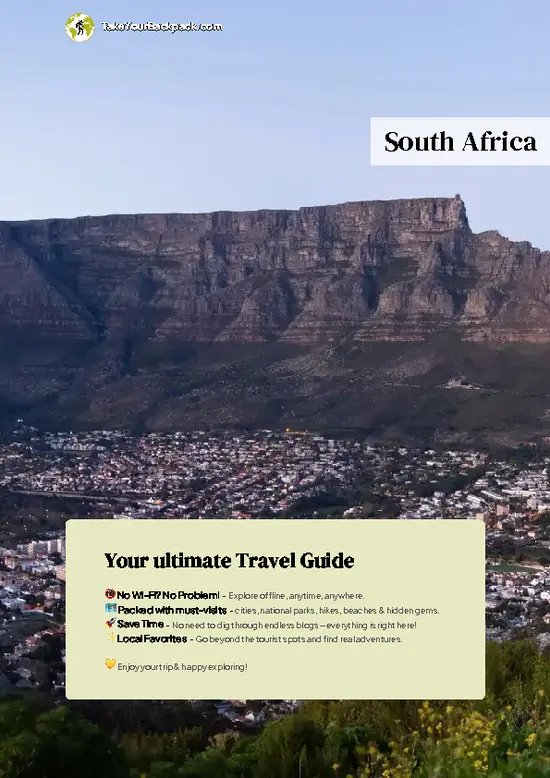
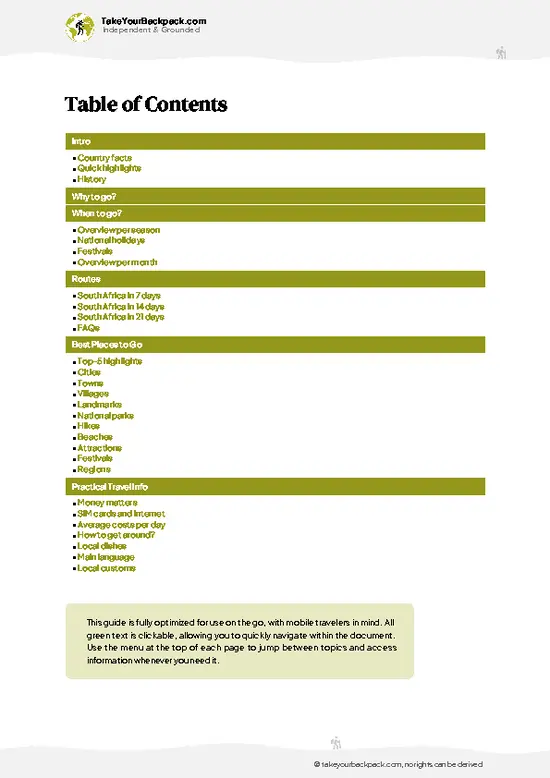
example page 0 from our offline Travel Guide for South Africa
example page 1 from our offline Travel Guide for South Africa
example page 2 from our offline Travel Guide for South Africa
example page 3 from our offline Travel Guide for South Africa
example page 4 from our offline Travel Guide for South Africa
example page 5 from our offline Travel Guide for South Africa
example page 6 from our offline Travel Guide for South Africa
example page 7 from our offline Travel Guide for South Africa
The digital guide (453 pages) contains:
129 highlights, ranked by travel appeal
Optimized 7, 14 & 21-day travel routes
Cities, national parks, landmarks, beaches
How to get around
Offline-friendly for travel without Wi-Fi
👉 Click to see all 30+ guide features

📅 Plan smarter in minutes, not weeks
Month by month travel advice
Festivals & national holidays
Budget expectations

🗺️ Go to the right places, skip the overrated ones
Honest pros & cons of destinations
Top hikes, parks & viewpoints
Lesser-known places most travelers miss
Clear “worth it vs skip it” guidance

🛏️ Travel smoothly without rookie mistakes
Best areas to stay
Transport systems explained simply
Common scams & safety advice
SIM cards, money & practical tips

🌍 Understand the country, not just visit it
Culture & traditions
Local customs
Festivals worth planning around
Traveler-friendly historical context
Insights that make places more meaningful

📱 Built for real travel conditions
Fully downloadable PDF
Works completely offline
Optimized for phone use
Useful in remote areas & buses
Everything in one place
Save weeks of stressful planning
Get instant access to your full guide. 30‑day money-back guarantee.
+ Add another guide for just US$7.80

By proceeding you agree to our terms.
Sent to your inbox immediately after payment • 100% Secure Checkout
Best Backpacking Travel Advisor 2025 tourism awardBest Backpacking
Travel Advisor
2025
What others say about Take Your Backpack Guides:
⭐⭐⭐⭐⭐
Fantastic, amazing amount of information!
⭐⭐⭐⭐⭐
My goodness this is amazing, it's what I've been looking for hats off too you!
⭐⭐⭐⭐⭐
I think this is absolutely BRILLIANT
⭐⭐⭐⭐
Very complete and informative. It's still missing places, but I gotta to commend you
⭐⭐⭐⭐⭐
This is truly amazing, thank you, can't wait to explore it with my kids!
⭐⭐⭐⭐⭐
Awesome resource, thank you!
⭐⭐⭐⭐⭐
This is amazing! Can't wait to explore the ones I haven't seen
⭐⭐⭐⭐
I love this! Well done, great idea.
⭐⭐⭐⭐⭐
Thanks for taking the time to make this gem!
⭐⭐⭐⭐⭐
This might be the best website I've ever seen.
⭐⭐⭐⭐⭐
Congratulations, and thank you so much for your work; it's incredibly valuable.
⭐⭐⭐⭐
In all seriousness I think you did a great job pointing out the important spots
⭐⭐⭐⭐⭐
10/10 very good
⭐⭐⭐⭐⭐
As someone who's only just starting to visit regularly this is awesome, thank you.
⭐⭐⭐⭐
Thank you very much! I'm going to visit my dad, it's going to be very useful!
⭐⭐⭐⭐⭐
This is really cool! We'll be travelling for the first time and this definitely come in handy.
⭐⭐⭐⭐⭐
You are now our minister of culture, congratulations 👨‍💼
⭐⭐⭐⭐⭐
Just wanted to tell you that this is a pearl! Going to follow your recommendations.
⭐⭐⭐⭐⭐
This is so cool. I'll definitely be using the resource for my travels soon.
⭐⭐⭐⭐⭐
This is very impressive! Good work.
⭐⭐⭐⭐⭐
This is an amazing and informative site. Very well done!

🛏️ Where to stay?Where staying makes the most sense

Johannesburg’s backpacker scene centers around a few key neighborhoods where safety, social life, and budget-conscious options intersect. The standout is Maboneng Precinct, a former industrial zone turned creative hub. It’s buzzing with street art, cafes, and a youthful vibe that draws solo travelers looking to plug into the city’s cultural pulse without breaking the bank. Hostels here tend to be lively, offering a built-in social network, which is gold for solo backpackers. The trade-off? It’s not the quietest spot, and prices are a notch above the city’s cheapest, but you’re paying for atmosphere … read more 👉
Johannesburg’s backpacker scene centers around a few key neighborhoods where safety, social life, and budget-conscious options intersect. The standout is Maboneng Precinct, a former industrial zone turned creative hub. It’s buzzing with street art, cafes, and a youthful vibe that draws solo travelers looking to plug into the city’s cultural pulse without breaking the bank. Hostels here tend to be lively, offering a built-in social network, which is gold for solo backpackers. The trade-off? It’s not the quietest spot, and prices are a notch above the city’s cheapest, but you’re paying for atmosphere and convenience.

Then there’s Braamfontein, a university district with a strong backpacker presence. It’s more laid-back than Maboneng but still packed with bars, eateries, and affordable hostels. The vibe leans toward the intellectual and artsy crowd, which means you’ll find plenty of opportunities to meet locals and fellow travelers. Safety here is generally good, especially around the main streets, but like any urban area, staying alert is key.

Avoid downtown Johannesburg’s Central Business District for overnight stays; it’s a logistical headache with safety concerns that outweigh the savings. Instead, Maboneng and Braamfontein strike the best balance between comfort, social energy, and budget, making them the smart choice for backpackers who want to experience Joburg’s soul without unnecessary risk or isolation.

🚌 Getting aroundMoving around without the hassle

Johannesburg moves with a pulse that’s part clockwork, part improvisation. The city’s flow is a dance between the strict timetables of formal transit and the unpredictable rhythm of informal options. You’ll find yourself toggling between the two, balancing your budget against your schedule and comfort. It’s a place where time can be saved or lost in a heartbeat, and where your choice of transport reveals how much you value speed, money, or ease. Understanding this trade-off is your secret weapon to mastering the city’s sprawling energy without getting swallowed by it.


  • Metrobus: Runs roughly from 5:30 AM to 9:30 PM, with fares around 10-15 ZAR. It’s a budget-friendly, reliable option for covering major routes, but expect crowded buses during rush hours and a slower pace due to frequent
read more 👉
Johannesburg moves with a pulse that’s part clockwork, part improvisation. The city’s flow is a dance between the strict timetables of formal transit and the unpredictable rhythm of informal options. You’ll find yourself toggling between the two, balancing your budget against your schedule and comfort. It’s a place where time can be saved or lost in a heartbeat, and where your choice of transport reveals how much you value speed, money, or ease. Understanding this trade-off is your secret weapon to mastering the city’s sprawling energy without getting swallowed by it.


  • Metrobus: Runs roughly from 5:30 AM to 9:30 PM, with fares around 10-15 ZAR. It’s a budget-friendly, reliable option for covering major routes, but expect crowded buses during rush hours and a slower pace due to frequent stops. Comfort is basic, but it’s a solid choice if you want to stick to a schedule without breaking the bank.


  • Minibus Taxis: Operating almost 24/7, these are the lifeblood of Johannesburg’s informal transit. Fares hover around 10-20 ZAR depending on distance. They’re fast and flexible, darting through traffic with a local’s intuition, but comfort and safety can vary wildly. If you’re up for a bit of chaos and want to save time, this is your go-to—just be ready for a wild ride and no fixed timetable.


  • Gautrain: The premium option, running from 5 AM to midnight, with fares starting at about 70 ZAR. It’s fast, clean, and comfortable, connecting key points like Sandton, OR Tambo Airport, and Pretoria. If you value time and comfort over cost, this is the clear winner. It’s a smooth, predictable ride that slices through Johannesburg’s notorious traffic snarls.


  • Walking: Not just a way to save money, but a way to absorb the city’s texture. Johannesburg’s neighborhoods vary widely in safety and walkability, so pick your zones carefully—Central Johannesburg and Maboneng offer walkable streets packed with street art and local life. Walking costs zero but demands awareness and a good sense of timing, especially as daylight fades.


  • Ride-Hailing (Uber/Bolt): Available 24/7 with fares fluctuating based on demand, typically 50-150 ZAR for short to medium trips. Offers door-to-door comfort and safety, but prices spike during rush hours or bad weather. It’s a perfect middle ground if you want convenience without the unpredictability of minibus taxis, though it’s the priciest option on this list.


In Johannesburg, every transit choice is a strategic move on a chessboard where time, money, and comfort are your pieces. You can save cash by embracing the minibus taxis’ wild efficiency, but risk unpredictability. Or you can pay a premium for the Gautrain’s smooth precision, buying back hours lost in traffic. Walking lets you soak in the city’s pulse but demands vigilance and time. Ride-hailing offers a reliable fallback but at a cost that adds up fast. Your job is to read the city’s tempo and pick the combination that turns your travel from a grind into a game you’re winning.

👛 Costs (as of 3 September 2026)Travel costs and budget guide for Johannesburg

Backpacking in Johannesburg means balancing your budget with the city’s unique pace and vibe. Here’s how the daily costs typically stack up for an independent traveler navigating this urban landscape.
  • Dorm Accommodation (High Season): Expect to pay around $12 to $18 per night. High season, usually around South African summer and holidays, pushes prices up as demand spikes, especially in popular hostels close to the city center.
  • Dorm Accommodation (Off-Season): Prices drop to about $8 to $12 per night. Off-season offers a quieter, more affordable stay, perfect if you’re flexible and want to stretch your budget without sacrificing safety or location.
  • Meals: Budget about $5 to $10 per day if you stick to street food, local markets, or casual eateries. Johannesburg has a solid range of affordable
read more 👉
Backpacking in Johannesburg means balancing your budget with the city’s unique pace and vibe. Here’s how the daily costs typically stack up for an independent traveler navigating this urban landscape.
  • Dorm Accommodation (High Season): Expect to pay around $12 to $18 per night. High season, usually around South African summer and holidays, pushes prices up as demand spikes, especially in popular hostels close to the city center.
  • Dorm Accommodation (Off-Season): Prices drop to about $8 to $12 per night. Off-season offers a quieter, more affordable stay, perfect if you’re flexible and want to stretch your budget without sacrificing safety or location.
  • Meals: Budget about $5 to $10 per day if you stick to street food, local markets, or casual eateries. Johannesburg has a solid range of affordable options where you can grab a hearty meal without breaking the bank. Splurging on a nicer restaurant will push this higher, but street-level eats deliver great value.
  • Local Transport: Minibus taxis and buses are the cheapest options, costing roughly $1 to $2 per trip within the city. They’re efficient but can be a bit chaotic if you’re new to the scene.
  • City Transport Pass: A monthly Gautrain or Rea Vaya bus pass isn’t usually necessary for short stays, but if you’re around longer, it’s about $30 to $40 per month, offering convenience and safety over minibus taxis.
  • Basic Activities/Entry Fees: Museums, galleries, and local attractions typically charge between $3 and $10. Johannesburg’s cultural spots are affordable and worth the investment to understand the city’s complex history and vibrant art scene.
  • Miscellaneous Expenses: Factor in around $3 to $7 for essentials like bottled water, snacks, or occasional tips. These small costs add up but are manageable with a bit of planning.

All told, you’re looking at roughly $20 to $40 per day to cover the essentials comfortably. This range gives you enough room to enjoy the city’s offerings without feeling pinched, especially if you time your visit to avoid peak accommodation rates. Johannesburg rewards those who understand its rhythm—budget smart, and you’ll find the city’s energy well worth the investment.


source: southafrica.net
⚠️ Prices can change and everyone travels differently, so take this as a rough guide. Hope it helps you plan your adventure!

🚌 Day tripsExploring the surroundings

Johannesburg is a fantastic launchpad for day trips that pack a punch without draining your wallet. Here are some standout options that will enrich your South African adventure.

Soweto
Just a short 30-minute drive from Johannesburg, Soweto is a vibrant tapestry of history and culture. You can explore the streets where Nelson Mandela and Desmond Tutu once walked, visit the Apartheid Museum, and grab a bite at Vilakazi Street. The local food scene is a treat, with street vendors serving up bunny chow and kota. Expect to spend around R200 for transport and meals. The best time to visit is during the cooler months from May to September. A common mistake? Skipping the guided tours; they add depth to your experience.


Cradle of Humankind
About an hour’s drive from the city, this UNESCO World … read more 👉
Johannesburg is a fantastic launchpad for day trips that pack a punch without draining your wallet. Here are some standout options that will enrich your South African adventure.

Soweto
Just a short 30-minute drive from Johannesburg, Soweto is a vibrant tapestry of history and culture. You can explore the streets where Nelson Mandela and Desmond Tutu once walked, visit the Apartheid Museum, and grab a bite at Vilakazi Street. The local food scene is a treat, with street vendors serving up bunny chow and kota. Expect to spend around R200 for transport and meals. The best time to visit is during the cooler months from May to September. A common mistake? Skipping the guided tours; they add depth to your experience.


Cradle of Humankind
About an hour’s drive from the city, this UNESCO World Heritage site is a treasure trove of ancient history. You can explore the Sterkfontein Caves, where some of the oldest hominid fossils were found. The visitor center is engaging, and the surrounding landscape is stunning. Budget around R300 for entrance fees and transport. The ideal time to visit is in spring (September to November) when the weather is mild. Many first-timers underestimate the time needed for the caves; plan for at least half a day.


Magaliesberg
Just over an hour away, Magaliesberg offers a refreshing escape into nature. You can hike, rock climb, or simply soak in the views. The area is dotted with charming cafes where you can refuel. Expect to spend around R150 for transport and snacks. The best time to go is during the dry season from May to September. A common pitfall is not checking the weather; storms can roll in unexpectedly, so be prepared.


Pilansberg National Park
Roughly two hours from Johannesburg, Pilansberg is a prime spot for wildlife enthusiasts. You can go on a self-drive safari or join a guided tour to see the Big Five. Entrance fees are around R100, plus transport costs. The dry winter months (May to September) are best for spotting animals. Many backpackers underestimate the time needed for a good safari experience; plan for a full day to maximize your chances.
Want to know what more South Africa offers?
The South Africa Travel Guide describes 129 highlights, from cities to national parks, from beaches to hikes

Get the Travel Guide -

🍲 FoodWhat to Eat & Drink

Johannesburg’s food scene is a vibrant tapestry of flavors that reflects its rich history and diverse cultures. You can’t visit without trying bunny chow, a hollowed-out loaf of bread filled with spicy curry. It’s a street food staple that’s both filling and flavorful. Pair it with a local beer—the craft scene is booming, and you’ll find unique brews that tell the story of the city.

Markets are the heartbeat of Johannesburg’s culinary landscape. Wander through the bustling stalls of Neighbourgoods Market on a Saturday, where you can sample everything from boerewors rolls to artisanal cheeses. The atmosphere is electric, filled with laughter and the sizzling sounds of food being prepared right before your eyes.

When it comes to drinking, sundowners are a cherished tradition. Grab a drink … read more 👉
Johannesburg’s food scene is a vibrant tapestry of flavors that reflects its rich history and diverse cultures. You can’t visit without trying bunny chow, a hollowed-out loaf of bread filled with spicy curry. It’s a street food staple that’s both filling and flavorful. Pair it with a local beer—the craft scene is booming, and you’ll find unique brews that tell the story of the city.

Markets are the heartbeat of Johannesburg’s culinary landscape. Wander through the bustling stalls of Neighbourgoods Market on a Saturday, where you can sample everything from boerewors rolls to artisanal cheeses. The atmosphere is electric, filled with laughter and the sizzling sounds of food being prepared right before your eyes.

When it comes to drinking, sundowners are a cherished tradition. Grab a drink at a rooftop bar as the sun sets, and you’ll see locals unwind, sharing stories and laughter. Don’t forget to embrace the Ubuntu spirit—it’s all about community and connection. Sharing food and drink is a way to bond, so don’t hesitate to join in the camaraderie. This is where the real magic happens, turning a meal into a memorable experience.

🛡️ SafetyTraveler Safety Guide

Johannesburg has a vibrant pulse, but like any major city, it requires a bit of savvy. Areas like Hillbrow and parts of Soweto can be tricky, especially after dark. If you’re solo, stick to well-lit streets and avoid wandering off the beaten path.

When it comes to scams, the most common involve overzealous street vendors or “helpful” locals offering unsolicited assistance. A polite but firm “no thanks” usually does the trick. Keep your belongings close, especially in crowded areas like markets or public transport.

Annoyances can pop up, like persistent taxi drivers or people asking for money. A friendly smile and a quick walk away often resolve these situations. Overall, Johannesburg is manageable with a bit of awareness. Carry yourself confidently, engage with locals, and you’ll find … read more 👉
Johannesburg has a vibrant pulse, but like any major city, it requires a bit of savvy. Areas like Hillbrow and parts of Soweto can be tricky, especially after dark. If you’re solo, stick to well-lit streets and avoid wandering off the beaten path.

When it comes to scams, the most common involve overzealous street vendors or “helpful” locals offering unsolicited assistance. A polite but firm “no thanks” usually does the trick. Keep your belongings close, especially in crowded areas like markets or public transport.

Annoyances can pop up, like persistent taxi drivers or people asking for money. A friendly smile and a quick walk away often resolve these situations. Overall, Johannesburg is manageable with a bit of awareness. Carry yourself confidently, engage with locals, and you’ll find the city’s charm outweighs the minor bumps along the way.

FAQFrequently asked questions about Johannesburg

3 to 4 days are sufficient to explore Johannesburg's main attractions, including the Apartheid Museum, Soweto township, and the Maboneng Precinct. This timeframe allows for a mix of cultural, historical, and urban experiences without rushing.
Yes, Johannesburg can be safe for solo backpackers if they take precautions such as avoiding risky neighborhoods, using registered taxis or ride-hailing apps, and staying in well-reviewed hostels or guesthouses. Daytime exploration in popular areas is generally safer than nighttime wandering.
Johannesburg is known for its rich history related to apartheid, vibrant urban culture, and as the economic hub of South Africa. Key highlights include the Apartheid Museum, Constitution Hill, and the bustling markets and street art in Soweto.
⚠️ Things can change over time, so always validate details locally before you go.

Other South African cities near Johannesburg

Explore more nearby:

  • Nelspruit—Lowveld gateway, subtropical climate, Kruger access| 304 km away
  • Durban—Indian Ocean promenade, Zulu markets, subtropical climate, curry houses| 499 km away
  • Port Elizabeth—Algoa Bay, colonial architecture, wind-swept beaches, marine wildlife| 888 km away

💡 Not sure where to go next?
Create a personalized itinerary for South Africa including Johannesburg and the places that fit your trip.

Generate my itinerary

👉 Discover all cities

Or checkout all South Africa has to offer (think cities, towns, villages, national parks, hikes, beaches, festivals)
Country photo of South Africa

We 💚 feedbackFinal thoughts on visiting Johannesburg

Johannesburg is a vibrant hub of culture and history. The Apartheid Museum is a must-see; it’s raw and eye-opening, giving you a deeper understanding of South Africa’s journey. But, be aware: the city has its challenges. Crime can be a concern, so stay alert and stick to safer areas. Embrace the energy, but keep your wits about you. It’s a balancing act that makes the experience all the more rewarding.

✈️ When did I visit South Africa?
I have visited South Africa, before and after my Zimbabwe trip in 2001.

✍️ Help improve this page!
The information on this page is based on my own backpacking experience in South Africa, supplemented with up-to-date research and feedback from other travelers. Travel details can change, so if you notice anything outdated or incomplete, feel free to let me know.


🙋‍♂️ Give feedback

👋 Meet the founderWho’s Behind Take Your Backpack?

Johan, backpacker and founder of TakeYourBackpackHi, I’m Johan (Netherlands 🇳🇱), the creator of TakeYourBackpack. Over the past decade, I’ve backpacked through 80+ countries across six continents, gaining extensive experience with independent travel, long-term trips, and overland routes.

This site is built on a combination of firsthand travel experience and carefully curated insights from other backpackers. Many guides are based on places I’ve personally visited, while others bring together tips, observations, and practical advice shared by trusted travelers I’ve met along the way.

The goal is to provide realistic, experience-driven guidance — not generic itineraries — so you can explore destinations with better context, clearer expectations, and more confidence.

Get full country guide •
Instant download • 129 highlights • Full Offline guide