×

South Sudan🇸🇸 | festivalsJuba International Trade Fairbusiness networking, regional products, city venue, commercial displays | things to do and best time to go

Explore PariangExplore Torit Trade Fair

Backpacking in Juba International Trade Fair
🏆 Top pickfestival ranked #2
By Johan Kruseman 🇳🇱 | Updated May 17, 2026

Here’s the trick almost nobody tells you: the Juba International Trade Fair is the rare festival where showing up early actually pays off. Vendors cut deals before the crowds surge, and you’ll snag the best local crafts before the midday heat turns bargaining into a sweaty endurance sport. The fairgrounds sit just outside Juba’s city center, wedged between the White Nile and the airport—close enough to walk if you’re light on gear, but far enough that you’ll want to plan your exit before dusk.

This isn’t your average backpacker party. The Juba International Trade Fair is a collision of business hustle and cultural showmanship, where South Sudanese entrepreneurs, regional traders, and a handful of curious expats mingle over pulsing Afropop and the occasional live drumming set. Expect a crowd that’s more suit-and-sandals than tie-dye, with a vibe that’s energetic but not chaotic. The fair runs for about a week, and while it’s not a music festival, the energy is infectious—think commerce with a side of celebration. If you’re chasing authenticity and want to see what ambition looks like in South Sudan, this is the place. Just don’t expect backpacker prices or tourist hand-holding; this is real, raw, and worth it if you’re ready to engage.

Discover everything you want to know in the 📖 South Sudan Travel Guide.
Safety warning

The current risk level for South Sudan is high. Check the advice before going.


Get your South Sudan guide
69 ranked highlights, routes & tips, works offline (273 pages)
Loading the map 🌍
CLICK TO FILTER
cities
towns
landmarks
national parks
hikes
attractions
festivals
regions
SHOW COUNTRY’S BESTSHOW ALL

✨ Why go?
Ranked #2 festival in South Sudan
The unique appeal for travelers

Backpackers flock to the Juba International Trade Fair for a shot of social energy that’s hard to find elsewhere. This festival isn’t just about stalls and booths; it’s a temporary community where locals and travelers mingle, share stories, and celebrate culture. You’ll dive into cultural immersion that’s raw and authentic, from traditional dances to local cuisine that makes your taste buds dance.

Plus, it’s affordable compared to similar events around the globe, allowing you to stretch your budget while soaking up the vibrant atmosphere. Planning your route around this festival means you’re not just passing through; you’re engaging with the heart of South Sudan.

Incorporating the fair into your longer travel plans transforms your journey into a dynamic experience. You’ll leave with more … read more 👉
Backpackers flock to the Juba International Trade Fair for a shot of social energy that’s hard to find elsewhere. This festival isn’t just about stalls and booths; it’s a temporary community where locals and travelers mingle, share stories, and celebrate culture. You’ll dive into cultural immersion that’s raw and authentic, from traditional dances to local cuisine that makes your taste buds dance.

Plus, it’s affordable compared to similar events around the globe, allowing you to stretch your budget while soaking up the vibrant atmosphere. Planning your route around this festival means you’re not just passing through; you’re engaging with the heart of South Sudan.

Incorporating the fair into your longer travel plans transforms your journey into a dynamic experience. You’ll leave with more than just photos; you’ll carry the spirit of connection and adventure, fueling your next steps on the trail.
Want to include Juba International Trade Fair in your South Sudan route?
Create a personalized South Sudan itinerary that includes Juba International Trade Fair and the places that fit your trip — based on your travel style, budget, and available time. Get your route in seconds.

Generate my trip

💡 HighlightsTop highlights of Juba International Trade Fair

  • Cultural performances and live music — rhythmic drumming, vocal call-and-response, and traditional dances from South Sudan’s many ethnic groups make the fair feel alive. These aren’t museum pieces: performances are raw, loud, colorful, and often interactive, so you can watch—and sometimes join—local celebrations as they happen.
  • Handicrafts and artisan market — rows of stalls selling beadwork, woven goods, carved wood and leather items made by local artisans. It’s the easiest place to buy genuinely local souvenirs, watch makers work, and haggle a fair price while directly supporting small producers.
  • Food alley of local eats — an informal strip of stalls cooking up hearty, budget-friendly food: flatbreads, stews, grilled meat, snacks and fresh juices. Eating here is as much about the communal
read more 👉
  • Cultural performances and live music — rhythmic drumming, vocal call-and-response, and traditional dances from South Sudan’s many ethnic groups make the fair feel alive. These aren’t museum pieces: performances are raw, loud, colorful, and often interactive, so you can watch—and sometimes join—local celebrations as they happen.
  • Handicrafts and artisan market — rows of stalls selling beadwork, woven goods, carved wood and leather items made by local artisans. It’s the easiest place to buy genuinely local souvenirs, watch makers work, and haggle a fair price while directly supporting small producers.
  • Food alley of local eats — an informal strip of stalls cooking up hearty, budget-friendly food: flatbreads, stews, grilled meat, snacks and fresh juices. Eating here is as much about the communal vibe and local flavors as it is about filling your pack with cheap, tasty fuel for exploring.
  • Agriculture and livestock showcases — live animal displays, crop demos and agricultural gear give a window into South Sudan’s rural economy and pastoral traditions. It’s a rare chance to see prized cattle breeds, farming tools, and how urban and rural livelihoods intersect at a single event.
  • Entrepreneur booths and trading floor — a melting pot of local startups, traders and foreign exhibitors where deals happen and ideas circulate. For budget travelers it’s great for spotting low-cost goods, learning about local businesses, and meeting people who’ll tell you where to find the real bargains off the beaten path.
Spotted a mistake or missing something? Contact us.

🌤️ When to go?When is the celebration of Juba International Trade Fair?


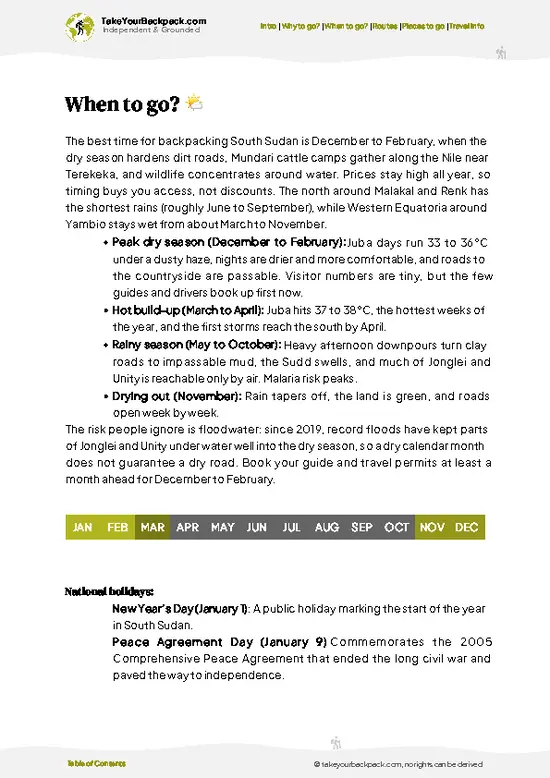
  • Topic: Weather – The festival runs during the dry season, roughly from November to February. Expect minimal rain, which means trails and streets stay walkable, and your gear won’t be battling mud or humidity. Avoid the wet season (May to October) when heavy rains can shut down activities and turn the city into a slog.

  • Topic: Temperature – Daytime highs hover around 30-35°C (86-95°F), with nights cooling to a comfortable 20-25°C (68-77°F). The dry season’s heat is intense but manageable if you pace yourself and stay hydrated. The wet season brings more humidity, making the same temps feel stickier and more draining.

  • Topic: Daylight Hours – South Sudan sits near the equator, so daylight stays steady year-round, about 12 hours daily. This consistency lets you plan your days without worrying
read more 👉

  • Topic: Weather – The festival runs during the dry season, roughly from November to February. Expect minimal rain, which means trails and streets stay walkable, and your gear won’t be battling mud or humidity. Avoid the wet season (May to October) when heavy rains can shut down activities and turn the city into a slog.

  • Topic: Temperature – Daytime highs hover around 30-35°C (86-95°F), with nights cooling to a comfortable 20-25°C (68-77°F). The dry season’s heat is intense but manageable if you pace yourself and stay hydrated. The wet season brings more humidity, making the same temps feel stickier and more draining.

  • Topic: Daylight Hours – South Sudan sits near the equator, so daylight stays steady year-round, about 12 hours daily. This consistency lets you plan your days without worrying about early sunsets cutting your explorations short.

  • Topic: Crowds – The dry season draws the biggest crowds, especially locals and regional traders. This means more buzz and energy but also higher prices and busier accommodations. Arrive early to secure your spot and avoid last-minute scramble.

  • Topic: Seasonal Activities – The dry season aligns with peak trade activity and cultural showcases. You’ll catch the full spectrum of the fair’s offerings, from livestock markets to artisan stalls. The wet season sees a lull, with fewer vendors and less spectacle.

  • Topic: Price Fluctuations – Expect accommodation and transport costs to spike during the festival’s dry season peak. Booking ahead is non-negotiable to lock in reasonable rates. Off-season travel can save money but at the cost of missing the fair’s core experience.


Pro-tip: Target the early dry season months—November and December—for the best balance of weather, crowd energy, and wallet-friendly options before the festival’s peak crush hits full throttle.


source: climatestotravel.comJANJanuary: highly recommended for travelingFEBFebruary: highly recommended for travelingMARMarch: not recommended for travelingAPRApril: not recommended for travelingMAYMay: not recommended for travelingJUNJune: not recommended for travelingJULJuly: not recommended for travelingAUGAugust: not recommended for travelingSEPSeptember: not recommended for travelingOCTOctober: not recommended for travelingNOVNovember: highly recommended for travelingDECDecember: highly recommended for traveling

✈️ The backpacker research shortcutSouth Sudan Travel Guide

An offline-friendly backpacking guide with optimized travel routes, ranked highlights, transport advice, and the best areas to stay.
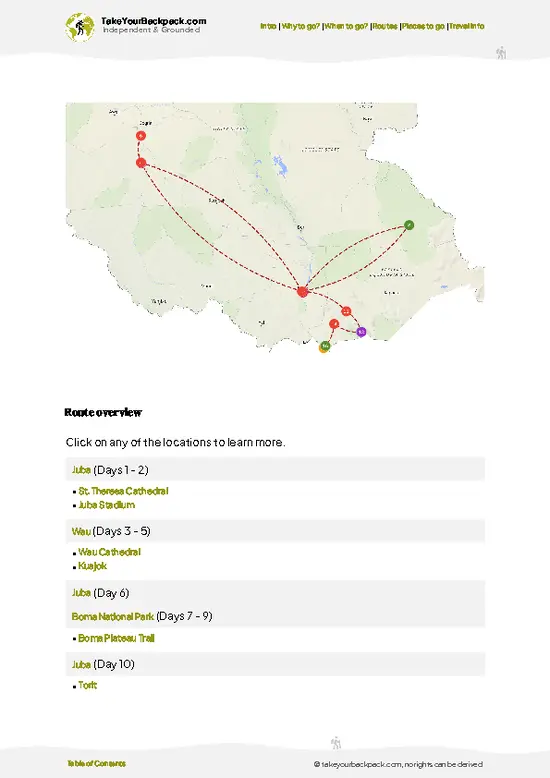
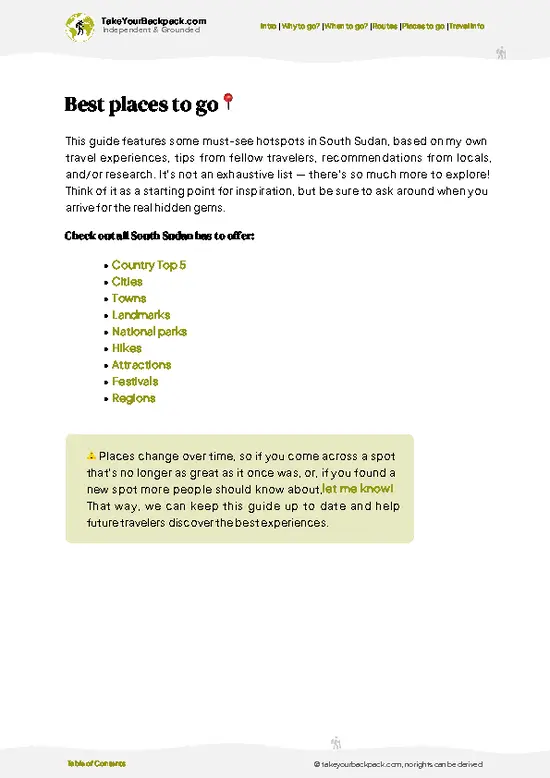
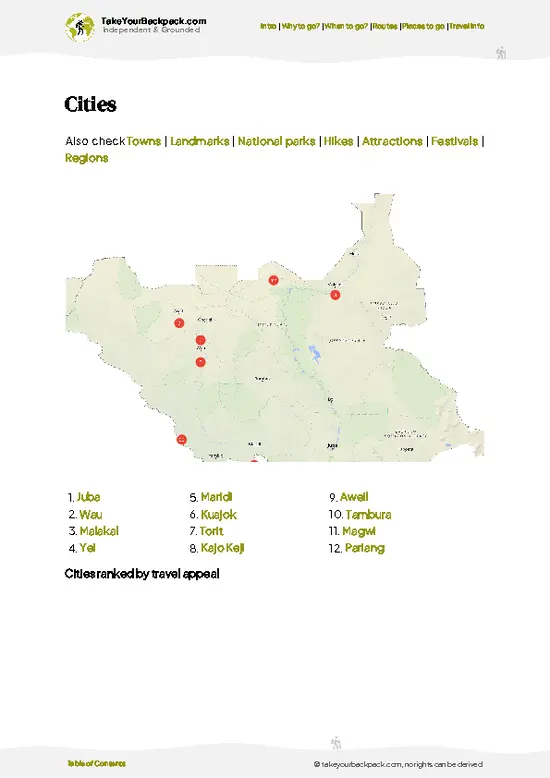
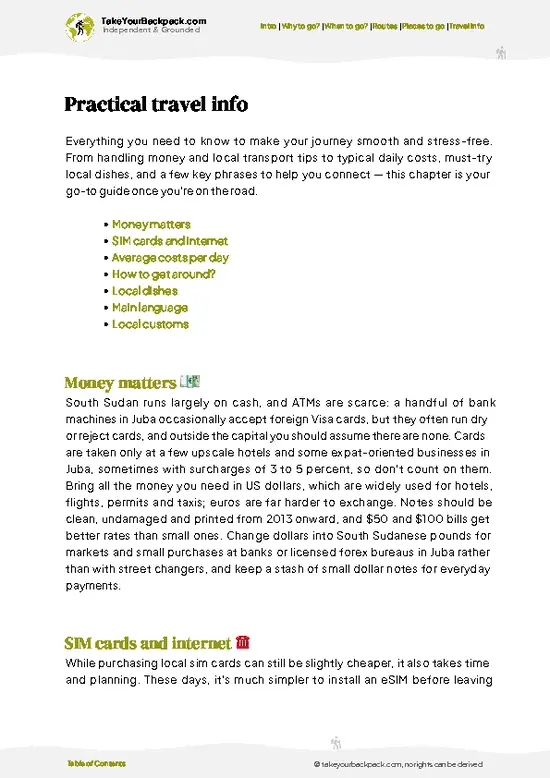
example page 0 from our offline Travel Guide for South Sudan
example page 1 from our offline Travel Guide for South Sudan
example page 2 from our offline Travel Guide for South Sudan
example page 3 from our offline Travel Guide for South Sudan
example page 4 from our offline Travel Guide for South Sudan
example page 5 from our offline Travel Guide for South Sudan
example page 6 from our offline Travel Guide for South Sudan
example page 7 from our offline Travel Guide for South Sudan
The digital guide (273 pages) contains:
69 highlights, ranked by travel appeal
Optimized 5, 10 & 15-day travel routes
Cities, national parks, landmarks, beaches
How to get around
Offline-friendly for travel without Wi-Fi
👉 Click to see all 30+ guide features

📅 Plan smarter in minutes, not weeks
Month by month travel advice
Festivals & national holidays
Budget expectations

🗺️ Go to the right places, skip the overrated ones
Honest pros & cons of destinations
Top hikes, parks & viewpoints
Lesser-known places most travelers miss
Clear “worth it vs skip it” guidance

🛏️ Travel smoothly without rookie mistakes
Best areas to stay
Transport systems explained simply
Common scams & safety advice
SIM cards, money & practical tips

🌍 Understand the country, not just visit it
Culture & traditions
52 Essential phrases & customs
Festivals worth planning around
Traveler-friendly historical context
Insights that make places more meaningful

📱 Built for real travel conditions
Fully downloadable PDF
Works completely offline
Optimized for phone use
Useful in remote areas & buses
Everything in one place
Save weeks of stressful planning
Get instant access to your full guide. 30‑day money-back guarantee.


By proceeding you agree to our terms.
Sent to your inbox immediately after payment • 100% Secure Checkout
Best Backpacking Travel Advisor 2025 tourism awardBest Backpacking
Travel Advisor
2025
What others say about Take Your Backpack Guides:
⭐⭐⭐⭐⭐
Fantastic, amazing amount of information!
⭐⭐⭐⭐⭐
My goodness this is amazing, it's what I've been looking for hats off too you!
⭐⭐⭐⭐⭐
I think this is absolutely BRILLIANT
⭐⭐⭐⭐
Very complete and informative. It's still missing places, but I gotta to commend you
⭐⭐⭐⭐⭐
This is truly amazing, thank you, can't wait to explore it with my kids!
⭐⭐⭐⭐⭐
Awesome resource, thank you!
⭐⭐⭐⭐⭐
This is amazing! Can't wait to explore the ones I haven't seen
⭐⭐⭐⭐
I love this! Well done, great idea.
⭐⭐⭐⭐⭐
Thanks for taking the time to make this gem!
⭐⭐⭐⭐⭐
This might be the best website I've ever seen.
⭐⭐⭐⭐⭐
Congratulations, and thank you so much for your work; it's incredibly valuable.
⭐⭐⭐⭐
In all seriousness I think you did a great job pointing out the important spots
⭐⭐⭐⭐⭐
10/10 very good
⭐⭐⭐⭐⭐
As someone who's only just starting to visit regularly this is awesome, thank you.
⭐⭐⭐⭐
Thank you very much! I'm going to visit my dad, it's going to be very useful!
⭐⭐⭐⭐⭐
This is really cool! We'll be travelling for the first time and this definitely come in handy.
⭐⭐⭐⭐⭐
You are now our minister of culture, congratulations 👨‍💼
⭐⭐⭐⭐⭐
Just wanted to tell you that this is a pearl! Going to follow your recommendations.
⭐⭐⭐⭐⭐
This is so cool. I'll definitely be using the resource for my travels soon.
⭐⭐⭐⭐⭐
This is very impressive! Good work.
⭐⭐⭐⭐⭐
This is an amazing and informative site. Very well done!

🛏️ Where to stay?Where staying makes the most sense

When you’re gearing up for the Juba International Trade Fair, your choice of where to stay can make or break your experience. Aim for the neighborhoods around the city center. This area buzzes with energy and is a hub for fellow travelers. You’ll find a mix of budget-friendly accommodations that foster a social atmosphere, perfect for swapping stories and tips.

Stay near the Nile River for a scenic backdrop. The riverside vibe is relaxed, and you can catch locals enjoying the evening breeze. Plus, it’s a short walk to the festival grounds.

Safety is key, so stick to well-trafficked areas. The … read more 👉
When you’re gearing up for the Juba International Trade Fair, your choice of where to stay can make or break your experience. Aim for the neighborhoods around the city center. This area buzzes with energy and is a hub for fellow travelers. You’ll find a mix of budget-friendly accommodations that foster a social atmosphere, perfect for swapping stories and tips.

Stay near the Nile River for a scenic backdrop. The riverside vibe is relaxed, and you can catch locals enjoying the evening breeze. Plus, it’s a short walk to the festival grounds.

Safety is key, so stick to well-trafficked areas. The city has its quirks, but staying close to the main roads and popular spots keeps you in the loop and out of trouble.

Don’t overlook the local markets nearby. They’re not just for shopping; they’re a cultural immersion. Grab a bite, chat with vendors, and soak in the rhythm of Juba. This is where the real adventure begins.

👛 Costs (as of 24 January 2025)Typical daily expenses

The Juba International Trade Fair is an exciting opportunity to dive into South Sudan’s culture and commerce, but it’s essential to budget wisely to keep your adventure smooth and enjoyable.
  • Festival Tickets: Expect to pay around $10 to $20 for entry. Prices can vary based on the day and events you want to attend. Some special sessions or workshops might cost extra, so keep an eye out for those add-ons.
  • Accommodation: Options range from budget guesthouses at about $15 to $30 per night to mid-range hotels that can go from $50 to $100. Book early to secure a spot, as places fill up quickly during the festival.
  • Local Transport: Public transport is limited, so budget for taxis or motorbike taxis. A short ride might cost around $2 to $5, while longer trips could reach $10. Always negotiate
read more 👉
The Juba International Trade Fair is an exciting opportunity to dive into South Sudan’s culture and commerce, but it’s essential to budget wisely to keep your adventure smooth and enjoyable.
  • Festival Tickets: Expect to pay around $10 to $20 for entry. Prices can vary based on the day and events you want to attend. Some special sessions or workshops might cost extra, so keep an eye out for those add-ons.
  • Accommodation: Options range from budget guesthouses at about $15 to $30 per night to mid-range hotels that can go from $50 to $100. Book early to secure a spot, as places fill up quickly during the festival.
  • Local Transport: Public transport is limited, so budget for taxis or motorbike taxis. A short ride might cost around $2 to $5, while longer trips could reach $10. Always negotiate fares upfront to avoid surprises.
  • Food & Drinks: Street food is your best friend here. You can grab a meal for as little as $3 to $7. Restaurants will charge more, typically between $10 and $20 for a decent meal. Don’t forget to budget for drinks; local beer is around $2, while bottled water is about $1.
  • Miscellaneous Expenses: Set aside $20 to $50 for souvenirs, tips, or unexpected costs. Markets can be tempting, and haggling is part of the fun, but it’s easy to overspend if you’re not careful.

Keep these figures in mind to navigate your experience without draining your energy or wallet. Enjoy the festival!
⚠️ Prices can change and everyone travels differently, so take this as a rough guide. Hope it helps you plan your adventure!

🍲 FoodEating & Drinking in Juba International Trade Fair

At the Juba International Trade Fair, food is a vibrant celebration of local culture. You’ll find stalls brimming with traditional dishes like kisra (a fermented flatbread) and ful medames (stewed fava beans). Don’t miss out on nyama choma, grilled meat that’s smoky and tender, often served with a spicy dipping sauce that packs a punch.

For drinks, grab a local beer or try sugarcane juice—it’s refreshing and sweet, perfect for the warm atmosphere. The festival buzzes with energy, and sharing food is part of the experience. Expect to see people passing around plates, so don’t hesitate to join in.

Lines can get long, especially for the most popular stalls, so be patient and enjoy the chatter around you. Cash is king here; many vendors don’t accept cards, so stock up on local currency. Serving … read more 👉
At the Juba International Trade Fair, food is a vibrant celebration of local culture. You’ll find stalls brimming with traditional dishes like kisra (a fermented flatbread) and ful medames (stewed fava beans). Don’t miss out on nyama choma, grilled meat that’s smoky and tender, often served with a spicy dipping sauce that packs a punch.

For drinks, grab a local beer or try sugarcane juice—it’s refreshing and sweet, perfect for the warm atmosphere. The festival buzzes with energy, and sharing food is part of the experience. Expect to see people passing around plates, so don’t hesitate to join in.

Lines can get long, especially for the most popular stalls, so be patient and enjoy the chatter around you. Cash is king here; many vendors don’t accept cards, so stock up on local currency. Serving sizes can be generous, so consider sharing dishes to sample more flavors without overdoing it. Embrace the chaos, savor the tastes, and let the festival spirit fuel your adventure!

Other South Sudanese festivals near Juba International Trade Fair

Explore more nearby:


💡 Not sure where to go next?
Create a personalized itinerary for South Sudan including Juba International Trade Fair and the places that fit your trip.

Generate my itinerary

👉 Discover all festivals

Or checkout all South Sudan has to offer (think cities, towns, villages, national parks, hikes, beaches, festivals)
Country photo of South Sudan

We 💚 feedbackIs it worth it?

Juba International Trade Fair is a whirlwind of energy. You’ll feel the pulse of South Sudan’s entrepreneurial spirit. The best surprise? The local food stalls—don’t skip the grilled fish; it’s a flavor explosion. Just a heads-up: stay hydrated and keep cash handy; card payments can be hit-or-miss. Embrace the chaos and connect with the people. It’s not just an event; it’s a glimpse into a vibrant culture.

✍️ Help improve this page!
The information on this page is based on in-depth research, insights shared by experienced travelers, and feedback from the local travel community in South Sudan. While every effort is made to keep the information accurate and current, conditions can change — so if you spot anything incorrect or outdated, please get in touch.


🙋‍♂️ Give feedback

👋 Meet the founderWho’s Behind Take Your Backpack?

Johan, backpacker and founder of TakeYourBackpackHi, I’m Johan (Netherlands 🇳🇱), the creator of TakeYourBackpack. Over the past decade, I’ve backpacked through 80+ countries across six continents, gaining extensive experience with independent travel, long-term trips, and overland routes.

This site is built on a combination of firsthand travel experience and carefully curated insights from other backpackers. Many guides are based on places I’ve personally visited, while others bring together tips, observations, and practical advice shared by trusted travelers I’ve met along the way.

The goal is to provide realistic, experience-driven guidance — not generic itineraries — so you can explore destinations with better context, clearer expectations, and more confidence.

Get full country guide •
Instant download • 69 highlights • Full Offline guide