×

South Sudan🇸🇸 | best festivalsDiscover the 10 Best festivals Across South Sudan

South Sudan’s festivals pulse with the heartbeat of its diverse cultures, offering a vibrant tapestry of traditions that shift with the seasons. From the lively Juba International Trade Fair in the capital to the Dinka cattle camps celebrating age-old rites, each event shapes your backpacking experience uniquely. Timing is crucial; festivals often coincide with harvests or significant cultural milestones, impacting crowds and travel logistics. Choosing the right festival can enhance your cultural immersion, influence your budget, and dictate safety levels. Understanding these nuances allows independent travelers to navigate South Sudan’s rich landscape, ensuring your journey is both authentic and memorable.

By Johan Kruseman 🇳🇱 | Updated May 22, 2026
Explore the best regions in South Sudan

Why go?Key Factors That Shape the Experience

Festivals in South Sudan are a vibrant expression of its rich cultural tapestry, deeply rooted in the country’s history and traditions. They serve as a vital link between communities, showcasing unique rituals and performances that reflect the diverse ethnic groups within the nation. Unlike many other countries, South Sudan’s festivals often stem from agricultural cycles, marking the rhythms of life and the changing seasons. This connection to the land is palpable, making each celebration a heartfelt homage to the environment.

However, attending these festivals comes with trade-offs. The timing of events can be tricky, as many are aligned with the rainy season, which can impact accessibility. Travelers may face logistical challenges, including limited infrastructure and transportation options. … read more 👉
Festivals in South Sudan are a vibrant expression of its rich cultural tapestry, deeply rooted in the country’s history and traditions. They serve as a vital link between communities, showcasing unique rituals and performances that reflect the diverse ethnic groups within the nation. Unlike many other countries, South Sudan’s festivals often stem from agricultural cycles, marking the rhythms of life and the changing seasons. This connection to the land is palpable, making each celebration a heartfelt homage to the environment.

However, attending these festivals comes with trade-offs. The timing of events can be tricky, as many are aligned with the rainy season, which can impact accessibility. Travelers may face logistical challenges, including limited infrastructure and transportation options. While the crowds can be overwhelming, especially during major celebrations, they also offer a chance to immerse oneself in the local culture. The energy is infectious, but it’s essential to balance the desire for deep engagement with the realities of navigating large gatherings.

Moreover, South Sudan’s climatic conditions can be harsh, with extreme heat or heavy rains. This can affect not only comfort but also the overall experience. Understanding these factors is crucial for making the most of your journey, ensuring that the moments that truly matter are preserved and cherished.
Evaluating the Top Choices
The list of best festivals in South Sudan is created based on energy, traditions, crowd experience, activities, and overall excitement. If you feel a festival is missing in this list, please let us know.

When to go?Seasonal Guide to Visiting

Seasonality plays a crucial role in experiencing festivals in South Sudan. The dry season, typically from November to April, is when most festivals occur. This period offers pleasant weather, making it easier to engage with local celebrations. Expect vibrant displays of culture, music, and dance. However, this is also peak tourist season, leading to larger crowds and higher costs for accommodations and travel.

Optimal months for visiting align with major festivals, usually during the dry season. The atmosphere is electric, but be prepared for the hustle and bustle. If you thrive on energy and excitement, this is your time. Yet, the trade-off is that authentic interactions may be harder to come by amid the throngs of visitors.

Shoulder seasons, like late April to early June and September … read more 👉
Seasonality plays a crucial role in experiencing festivals in South Sudan. The dry season, typically from November to April, is when most festivals occur. This period offers pleasant weather, making it easier to engage with local celebrations. Expect vibrant displays of culture, music, and dance. However, this is also peak tourist season, leading to larger crowds and higher costs for accommodations and travel.

Optimal months for visiting align with major festivals, usually during the dry season. The atmosphere is electric, but be prepared for the hustle and bustle. If you thrive on energy and excitement, this is your time. Yet, the trade-off is that authentic interactions may be harder to come by amid the throngs of visitors.

Shoulder seasons, like late April to early June and September to October, offer a different experience. Fewer tourists mean lower prices and a more intimate atmosphere. However, the weather can be unpredictable, with the onset of rains in late April potentially affecting travel plans.

Peak periods can significantly influence travel decisions. While the energy is palpable, the costs and crowd dynamics can detract from the experience. Weigh the benefits of vibrant celebrations against the potential for logistical challenges. Understanding these seasonal patterns is key to maximizing the festival experience in South Sudan.

festival hoppingOptimizing Your Multi-Stop Itinerary

Regional Clustering

To make the most of South Sudan’s vibrant festivals, start by clustering events regionally. Focus on the Greater Upper Nile region for the Juba Market Festival and the Bor Cultural Festival. This keeps travel time manageable and allows for deeper immersion in local culture.

Optimal Sequencing

Travel from Juba to Bor, then head north to Malakal. This route not only minimizes backtracking but also lets you experience a variety of celebrations in a logical flow. Each festival has its own rhythm, so plan for at least two to three days at each stop to soak it all in without feeling rushed.

Time Management

Allocate time wisely. Expect to spend a full day at major festivals, with additional time for local exploration. Avoid the common mistake of trying to cram too many events … read more 👉

Regional Clustering

To make the most of South Sudan’s vibrant festivals, start by clustering events regionally. Focus on the Greater Upper Nile region for the Juba Market Festival and the Bor Cultural Festival. This keeps travel time manageable and allows for deeper immersion in local culture.

Optimal Sequencing

Travel from Juba to Bor, then head north to Malakal. This route not only minimizes backtracking but also lets you experience a variety of celebrations in a logical flow. Each festival has its own rhythm, so plan for at least two to three days at each stop to soak it all in without feeling rushed.

Time Management

Allocate time wisely. Expect to spend a full day at major festivals, with additional time for local exploration. Avoid the common mistake of trying to cram too many events into a short timeframe. This leads to exhaustion and missed experiences.

Trade-offs and Constraints

Consider the trade-offs between speed and depth. Rushing through festivals can dilute the experience. Budget for comfortable accommodations and local transport to enhance your journey. Flexibility is key; be prepared to adjust plans based on festival schedules or local conditions.

Final Thoughts

Prioritize quality over quantity. Engaging deeply with fewer festivals will yield richer memories than skimming the surface of many.

The ListThe Best festivals of South Sudan

1 Nimule Cultural Festival

borderland traditions, dance performances, ethnic attire

Watch traditional dances and explore the cultural diversity of Nimule, where borderland communities gather to celebrate their heritage.

2 Juba International Trade Fair

business networking, regional products, city venue, commercial displays

Meet entrepreneurs and discover South Sudan’s commercial landscape as Juba’s main event brings together traders, products, and new business ideas.

3 Rumbek Cultural Festival

Dinka heritage, cattle parades, storytelling

Immerse yourself in Rumbek’s festival, where cattle culture, oral histories, and local customs shape a unique communal experience.

4 Malakal Cultural Festival

riverfront gatherings, Shilluk music, food sharing

Join riverside celebrations in Malakal, where music, communal meals, and local traditions bring together diverse groups from the Upper Nile.

5 Wau International Trade Fair

cross-border commerce, Bahr el Ghazal goods, trade exhibitions

Experience the intersection of local and international trade as Wau’s fair highlights regional specialties and cross-border business opportunities.

6 Aweil Cultural Festival

folk music, traditional wrestling, local cuisine

Sample regional dishes and watch wrestling matches as Aweil’s festival highlights folk music and the area’s distinctive social customs.

7 Yambio Agricultural Show

farm demonstrations, tropical crops, community farming

See how local farmers cultivate tropical staples and share agricultural knowledge at Yambio’s annual showcase of rural innovation.

8 Yei Agricultural Show

fruit displays, smallholder techniques, farming competitions

Join growers and visitors as Yei’s show features fruit harvests, practical farming skills, and friendly contests among agricultural communities.

9 Torit Trade Fair

local crafts, Eastern Equatoria produce, open-air stalls

Browse handmade goods and sample regional harvests while connecting with Torit’s producers in a relaxed, open-air market setting.

10 Bentiu Cultural Festival

Nuer ceremonies, youth dance, community feasts

Experience Bentiu’s festival through ceremonial gatherings, energetic youth performances, and shared meals that reflect Nuer social life.

Loading the map 🌍

Expert viewInsights from Locals and Experts

Energy
Festivals in South Sudan pulse with a raw energy that’s hard to replicate. The vibrant celebrations are often tied to agricultural cycles, traditional rites, or significant historical events. Expect a mix of music, dance, and communal feasting that can leave you exhilarated. However, don’t underestimate the physical toll. These events can stretch long into the night, and if you’re not used to the heat and the crowds, you might find yourself drained. Pace yourself. Hydrate, take breaks, and don’t feel pressured to be in the thick of it the entire time.

Seasonal Timing
Timing is everything. Most festivals occur during the dry season, roughly from November to April. This is when the weather is more forgiving, and travel is easier. However, be aware that this is also peak season for … read more 👉
Energy
Festivals in South Sudan pulse with a raw energy that’s hard to replicate. The vibrant celebrations are often tied to agricultural cycles, traditional rites, or significant historical events. Expect a mix of music, dance, and communal feasting that can leave you exhilarated. However, don’t underestimate the physical toll. These events can stretch long into the night, and if you’re not used to the heat and the crowds, you might find yourself drained. Pace yourself. Hydrate, take breaks, and don’t feel pressured to be in the thick of it the entire time.

Seasonal Timing
Timing is everything. Most festivals occur during the dry season, roughly from November to April. This is when the weather is more forgiving, and travel is easier. However, be aware that this is also peak season for tourists, which can lead to crowded events and inflated prices. If you can, aim for the shoulder months—late October or early May—when you might catch a festival with fewer tourists and a more authentic vibe. Just remember, some festivals may shift dates based on local customs or agricultural needs, so flexibility is key.

Cultural Context
Understanding the cultural backdrop is crucial. Festivals are not just parties; they’re deeply rooted in the community’s identity. Engage with locals, learn their stories, and respect their traditions. This isn’t just about being a spectator; it’s about being part of something bigger. However, be mindful of cultural sensitivities. Some events may have restrictions on photography or participation, especially those tied to sacred rituals. Always ask first and be respectful of the local customs.

Crowd Management
Expect large crowds, especially at popular festivals. This can be both exhilarating and overwhelming. Arrive early to secure a good spot, but also be prepared to navigate through throngs of people. If you’re not comfortable in large gatherings, consider attending smaller, community-focused events. They often provide a more intimate experience and allow for deeper connections with locals. Just be aware that smaller events may not have the same level of organization, so keep your expectations in check.

Budget and Comfort
Costs can vary widely depending on the festival and your travel style. While some events are free, others may charge for entry or have associated costs for food and lodging. Plan for a range; you might spend less than you expect if you’re willing to embrace local food and accommodations. However, if comfort is a priority, be prepared to splurge a bit on lodging, especially during peak festival times. It’s worth it to have a comfortable place to recharge after a long day of festivities.

Safety Considerations
Safety is paramount. While South Sudan is rich in culture, it’s also a country with ongoing challenges. Stay informed about the local situation and avoid areas known for unrest. Festivals can be lively, but they can also attract opportunistic crime. Keep your belongings secure and be aware of your surroundings. Traveling with a local guide can enhance your experience and provide an extra layer of safety.

Planning and Prioritizing
Aim to attend two or three festivals during your trip. This allows you to immerse yourself without feeling rushed. Prioritize based on your interests—whether it’s music, dance, or cultural rituals. Research which festivals align with your travel dates and make a plan, but remain flexible. The beauty of these events lies in their spontaneity. You might stumble upon a local celebration that wasn’t on your radar, and that could turn out to be the highlight of your trip.

✈️ The backpacker research shortcutSouth Sudan Travel Guide

An offline-friendly backpacking guide with optimized travel routes, ranked highlights, transport advice, and the best areas to stay.
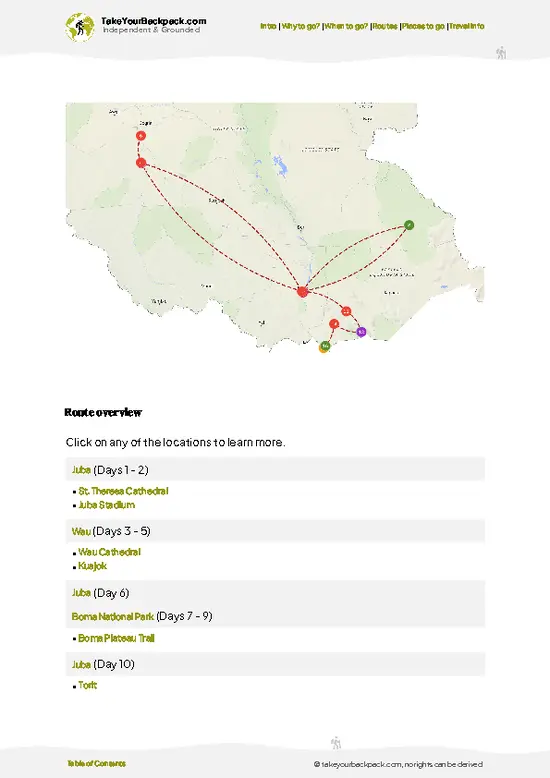
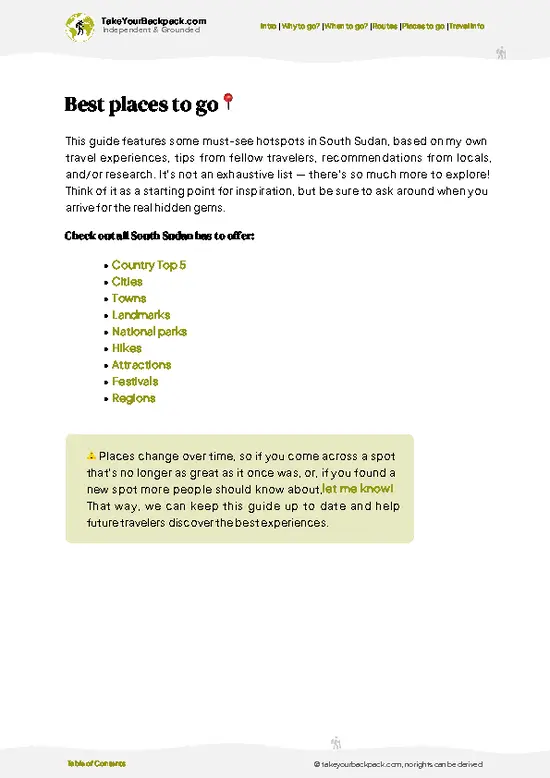
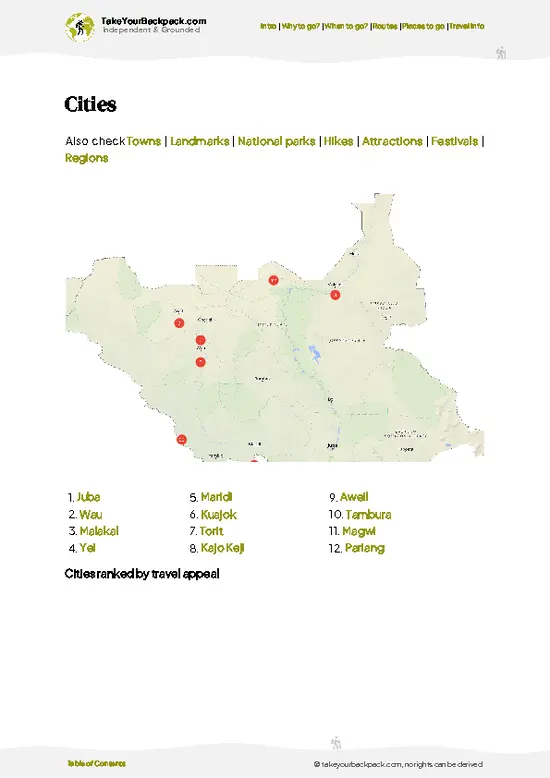
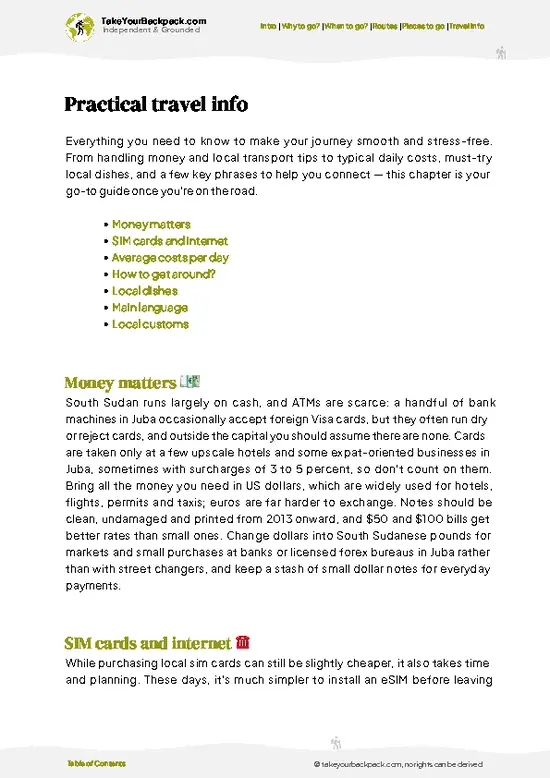
example page 0 from our offline Travel Guide for South Sudanexample page 1 from our offline Travel Guide for South Sudanexample page 2 from our offline Travel Guide for South Sudanexample page 3 from our offline Travel Guide for South Sudanexample page 4 from our offline Travel Guide for South Sudanexample page 5 from our offline Travel Guide for South Sudanexample page 6 from our offline Travel Guide for South Sudanexample page 7 from our offline Travel Guide for South Sudan
The digital guide (273 pages) contains:
69 highlights, ranked by travel appeal
Optimized 5, 10 & 15-day travel routes
Cities, national parks, beaches, historical sites, ...
How to get around
Offline-friendly for travel without Wi-Fi
👉 Click to see all 30+ guide features

📅 Plan smarter in minutes, not weeks
Month by month travel advice
Festivals & national holidays
Budget expectations

🗺️ Go to the right places, skip the overrated ones
Honest pros & cons of destinations
Top hikes, parks & viewpoints
Lesser-known places most travelers miss
Clear “worth it vs skip it” guidance

🛏️ Travel smoothly without rookie mistakes
Best areas to stay
Transport systems explained simply
Common scams & safety advice
SIM cards, money & practical tips

🌍 Understand the country, not just visit it
Culture & traditions
52 Essential phrases & customs
Festivals worth planning around
Traveler-friendly historical context
Insights that make places more meaningful

📱 Built for real travel conditions
Fully downloadable PDF
Works completely offline
Optimized for phone use
Useful in remote areas & buses
Everything in one place
Save weeks of stressful planning
Get instant access to the full guide directly. 30-day money-back guarantee.


Sent to your inbox immediately after payment • 100% Secure Checkout
Best Backpacking Travel Advisor 2025 tourism awardBest Backpacking
Travel Advisor
2025
What others say about Take Your Backpack Guides:
⭐⭐⭐⭐⭐
Fantastic, amazing amount of information!
⭐⭐⭐⭐⭐
My goodness this is amazing, it's what I've been looking for hats off too you!
⭐⭐⭐⭐⭐
I think this is absolutely BRILLIANT
⭐⭐⭐⭐
Very complete and informative. It's still missing places, but I gotta to commend you
⭐⭐⭐⭐⭐
This is truly amazing, thank you, can't wait to explore it with my kids!
⭐⭐⭐⭐⭐
Awesome resource, thank you!
⭐⭐⭐⭐⭐
This is amazing! Can't wait to explore the ones I haven't seen
⭐⭐⭐⭐
I love this! Well done, great idea.
⭐⭐⭐⭐⭐
Thanks for taking the time to make this gem!
⭐⭐⭐⭐⭐
This might be the best website I've ever seen.
⭐⭐⭐⭐⭐
Congratulations, and thank you so much for your work; it's incredibly valuable.
⭐⭐⭐⭐
In all seriousness I think you did a great job pointing out the important spots
⭐⭐⭐⭐⭐
10/10 very good
⭐⭐⭐⭐⭐
As someone who's only just starting to visit regularly this is awesome, thank you.
⭐⭐⭐⭐
Thank you very much! I'm going to visit my dad, it's going to be very useful!
⭐⭐⭐⭐⭐
This is really cool! We'll be travelling for the first time and this definitely come in handy.
⭐⭐⭐⭐⭐
You are now our minister of culture, congratulations 👨‍💼
⭐⭐⭐⭐⭐
Just wanted to tell you that this is a pearl! Going to follow your recommendations.
⭐⭐⭐⭐⭐
This is so cool. I'll definitely be using the resource for my travels soon.
⭐⭐⭐⭐⭐
This is very impressive! Good work.
⭐⭐⭐⭐⭐
This is an amazing and informative site. Very well done!

🛏️ Where to stay?Best Places to Stay in South Sudan

There are very few formal hostels in South Sudan; budget options are mostly basic guesthouses and small hotels concentrated in Juba with sporadic lodgings in regional centers like Malakal, Wau and Bentiu.
In Juba the most choices cluster in the Central Business District / Kator (closest to restaurants, government offices and NGO hubs but busier and subject to checkpoints), Gudele (near the airport and NGO compounds, quieter and often relatively secure but with fewer amenities) and the riverfront/Jebel areas (more scenic and quiet evenings but limited budget availability).
Outside the capital expect very basic facilities, intermittent water and power, strict security procedures and limited … read more 👉
There are very few formal hostels in South Sudan; budget options are mostly basic guesthouses and small hotels concentrated in Juba with sporadic lodgings in regional centers like Malakal, Wau and Bentiu.
In Juba the most choices cluster in the Central Business District / Kator (closest to restaurants, government offices and NGO hubs but busier and subject to checkpoints), Gudele (near the airport and NGO compounds, quieter and often relatively secure but with fewer amenities) and the riverfront/Jebel areas (more scenic and quiet evenings but limited budget availability).
Outside the capital expect very basic facilities, intermittent water and power, strict security procedures and limited nightlife, so arrive in daylight, carry cash, pack basic bedding and insect protection, and plan to use guesthouses that cater to foreigners rather than relying on backpacker-style hostels.

If you enjoy meeting fellow travelers, consider choosing hostels with high ratings for atmosphere. On the other hand, if you prefer having your own space, a hotel might be a better option.

South SudanExplore South Sudan

👋 Meet the founderWho’s Behind Take Your Backpack?

Johan, backpacker and founder of TakeYourBackpackHi, I’m Johan (Netherlands 🇳🇱), the creator of TakeYourBackpack. Over the past decade, I’ve backpacked through 80+ countries across six continents, gaining extensive experience with independent travel, long-term trips, and overland routes.

This site is built on a combination of firsthand travel experience and carefully curated insights from other backpackers. Many guides are based on places I’ve personally visited, while others bring together tips, observations, and practical advice shared by trusted travelers I’ve met along the way.

The goal is to provide realistic, experience-driven guidance — not generic itineraries — so you can explore destinations with better context, clearer expectations, and more confidence.

Get full country guide •
Instant download • 69 highlights • Full Offline guide