×

South Sudan🇸🇸 | festivalsTorit Trade FairRed-earth lanes, Lotuko beadwork, sorghum and sesame, Imatong views | things to do and best time to go

Explore Juba International Trade FairExplore Wau International Trade Fair

Backpacking in Torit Trade Fair
👌 Worth visitingfestival ranked #10
By Johan Kruseman 🇳🇱 | Updated October 22, 2026

Dust rises off the red-earth lanes as traders unfold tarpaulins, and a goat bleats somewhere behind a pile of Ugandan plastic basins. That is Torit Trade Fair on a market morning. It sits in Torit, the capital of Eastern Equatoria in the south of South Sudan, below the Imatong foothills. Expect a regional trading event: farm produce, cloth, tools, and the Lotuko people’s own crafts, with locals rather than tourists as the crowd. Skip it if you want organized entertainment or polished facilities. Go for the real exchange, where you can taste sesame paste and sorghum beer and talk with farmers. Unlike Juba’s large commercial markets, it is smaller, slower and far easier to talk your way around.

Discover everything you want to know in the 📖 South Sudan Travel Guide.
Safety warning

The current risk level for South Sudan is high. Check the advice before going.


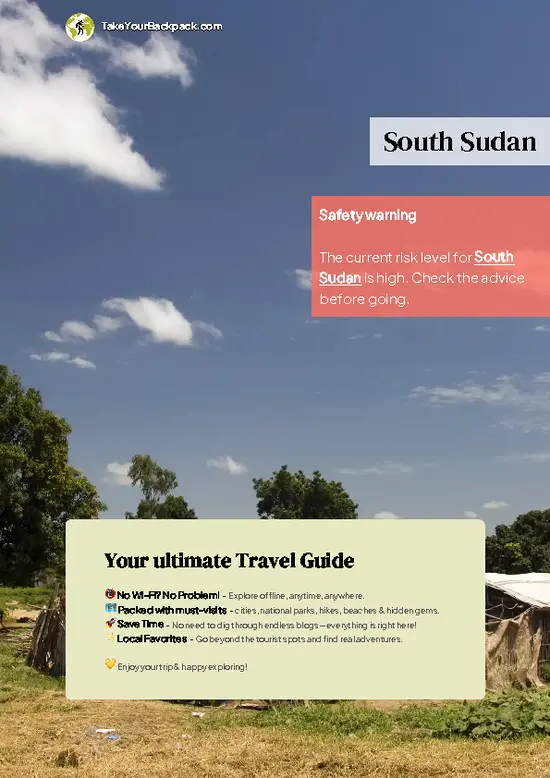
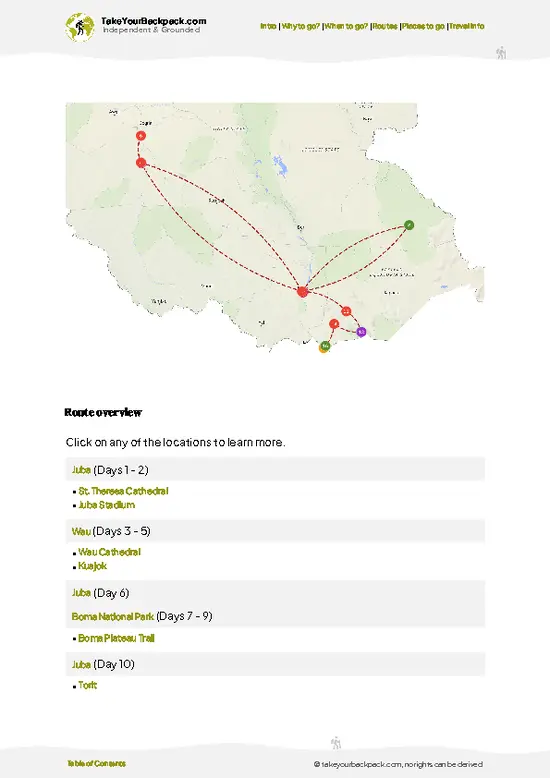
example page 0 from our offline Travel Guide for South Sudan
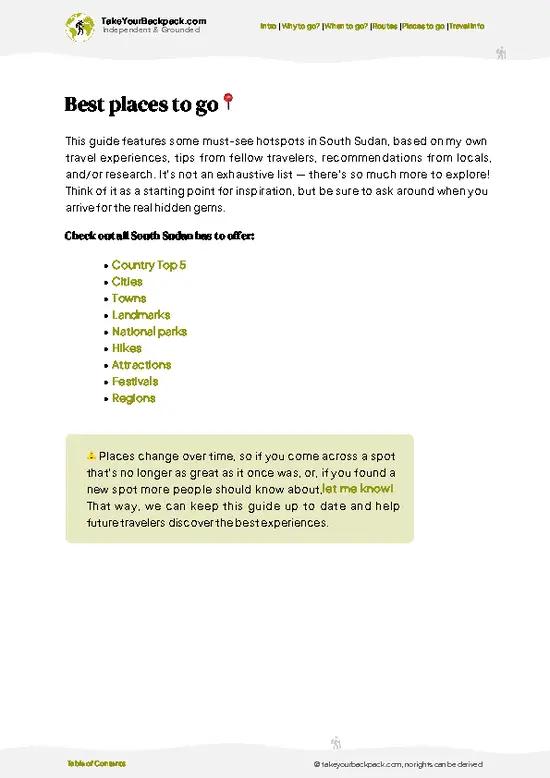
example page 1 from our offline Travel Guide for South Sudan
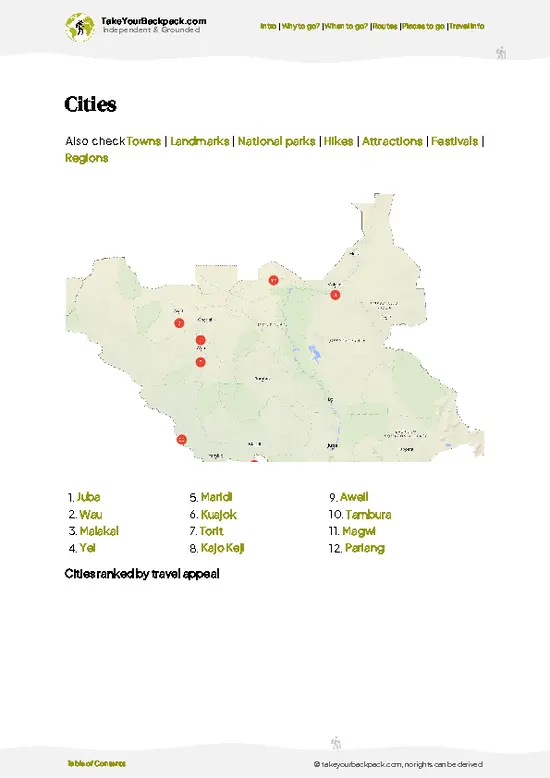
example page 2 from our offline Travel Guide for South Sudan
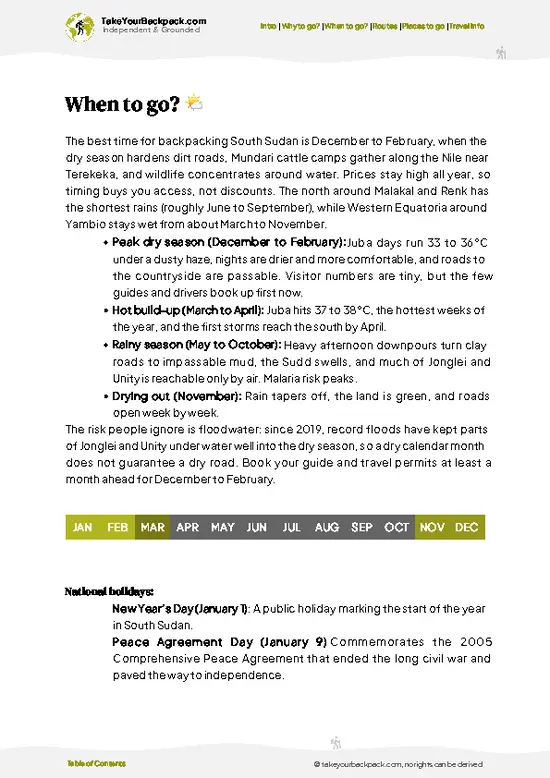
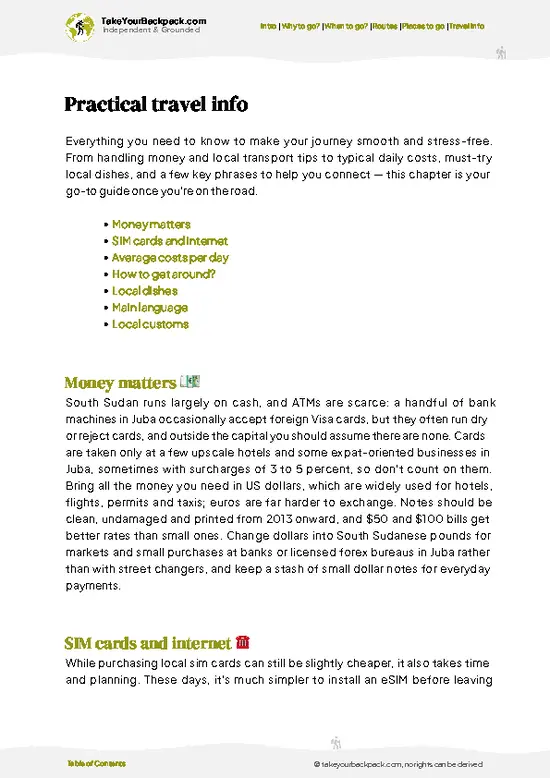
example page 3 from our offline Travel Guide for South Sudan
example page 4 from our offline Travel Guide for South Sudan
example page 5 from our offline Travel Guide for South Sudan
example page 6 from our offline Travel Guide for South Sudan
example page 7 from our offline Travel Guide for South Sudan
Loading the map 🌍
CLICK TO FILTER
cities
towns
landmarks
national parks
hikes
attractions
festivals
regions
SHOW COUNTRY’S BESTSHOW ALL

✨ Why go?
Ranked #10 festival in South Sudan
Why visitors keep coming back

Torit Trade Fair draws backpackers because few places in South Sudan let a foreigner stand among ordinary traders without a wall of formality. The crowd is made up of Lotuko farmers and herders from the surrounding hills, plus merchants who come across from the Ugandan border region, so a single afternoon puts you beside several communities at once. That mix is the real cultural education: you hear Lotuko, Arabic and English traded in the same stall, and you see what a region produces when roads are poor. It also fits a route toward the Imatong Mountains and the Kenya or Uganda corridor, giving you a reason to stop in Torit instead of rushing through. Prices are low because everything is sold by locals for locals, and bargaining is expected and friendly.

💡 HighlightsDon't-miss highlights and experiences

  1. The Main Trading Lanes: Rows of stalls selling sorghum, groundnuts, sesame, dried fish and secondhand clothes. Walk them slowly and you see the whole regional supply chain in a few hundred meters.
  2. Lotuko Crafts and Beadwork: Local women sell beaded jewelry, woven baskets and gourds. These are objects made for daily use, so you get something real rather than a souvenir copy.
  3. Livestock and Farm Produce Corner: Goats, chickens and seasonal vegetables change hands here with loud, good-natured haggling. It is the best place to understand how the local economy actually runs.
  4. Tea and Street Food Stalls: Sweet spiced tea, flatbread, grilled meat and bean stews are cooked on charcoal beside the stalls. Sit on a low bench and you are usually pulled into conversation within minutes.
  5. Views Toward the Imatong
… read more 👉
  1. The Main Trading Lanes: Rows of stalls selling sorghum, groundnuts, sesame, dried fish and secondhand clothes. Walk them slowly and you see the whole regional supply chain in a few hundred meters.
  2. Lotuko Crafts and Beadwork: Local women sell beaded jewelry, woven baskets and gourds. These are objects made for daily use, so you get something real rather than a souvenir copy.
  3. Livestock and Farm Produce Corner: Goats, chickens and seasonal vegetables change hands here with loud, good-natured haggling. It is the best place to understand how the local economy actually runs.
  4. Tea and Street Food Stalls: Sweet spiced tea, flatbread, grilled meat and bean stews are cooked on charcoal beside the stalls. Sit on a low bench and you are usually pulled into conversation within minutes.
  5. Views Toward the Imatong Foothills: From the edges of the fairground the land rises in blue ridges to the south. It is a quiet pause from the crowd and a useful way to get your bearings.
Torit Trade Fair has no ticketed attraction, and entry to the stalls needs no booking.
Spotted a mistake or missing something? Contact us.

🌤️ When to go?When is the celebration of Torit Trade Fair?

Torit Trade Fair is a multi-day market event held in Torit, the capital of Eastern Equatoria, and I would plan around the dry months, roughly December to March, since exact dates are set locally each year.
  • Best day: Go on the opening days, when traders arrive with fresh stock and prices are most open to bargaining. Weekdays are calmer.
  • Weather: Expect 30 to 36°C (86 to 97°F), strong sun and dust. Bring a hat, a scarf for your face and a liter or two of water.
  • Booking: Rooms in Torit are few, so reserve a week or more ahead. Prices can rise 30 to 50 percent.
  • Roads: Arrive the day before and leave midmorning, once the first rush of departing vehicles thins.
Confirm the dates with the county office in Torit before you set out.

source: climatestotravel.comJANJanuary: not recommended for travelingFEBFebruary: not recommended for travelingMARMarch: not recommended for travelingAPRApril: not recommended for travelingMAYMay: not recommended for travelingJUNJune: not recommended for travelingJULJuly: not recommended for travelingAUGAugust: not recommended for travelingSEPSeptember: not recommended for travelingOCTOctober: not recommended for travelingNOVNovember: not recommended for travelingDECDecember: excellent for traveling

✈️ The backpacker research shortcutSouth Sudan Travel Guide

An offline-friendly backpacking guide with optimized travel routes, ranked highlights, transport advice, and the best areas to stay.
example page 0 from our offline Travel Guide for South Sudan
example page 1 from our offline Travel Guide for South Sudan
example page 2 from our offline Travel Guide for South Sudan
example page 3 from our offline Travel Guide for South Sudan
example page 4 from our offline Travel Guide for South Sudan
example page 5 from our offline Travel Guide for South Sudan
example page 6 from our offline Travel Guide for South Sudan
example page 7 from our offline Travel Guide for South Sudan
The digital guide (242 pages) contains:
✅ 57 highlights, ranked by travel appeal
✅ Optimized 5, 10 & 15-day travel routes
✅ Cities, national parks, landmarks, beaches
✅ How to get around
✅ Offline-friendly for travel without Wi-Fi
👉 Click to see all 30+ guide features

📅 Plan smarter in minutes, not weeks
✅ Month by month travel advice
✅ Festivals & national holidays
✅ Budget expectations

🗺️ Go to the right places, skip the overrated ones
✅ Honest pros & cons of destinations
✅ Top hikes, parks & viewpoints
✅ Lesser-known places most travelers miss
✅ Clear “worth it vs skip it” guidance

🛏️ Travel smoothly without rookie mistakes
✅ Best areas to stay
✅ Transport systems explained simply
✅ Common scams & safety advice
✅ SIM cards, money & practical tips

🌍 Understand the country, not just visit it
✅ Culture & traditions
✅ 52 Essential phrases & customs
✅ Festivals worth planning around
✅ Traveler-friendly historical context
✅ Insights that make places more meaningful

📱 Built for real travel conditions
✅ Fully downloadable PDF
✅ Works completely offline
✅ Optimized for phone use
✅ Useful in remote areas & buses
✅ Everything in one place
Stop searching, start planning
Get instant access to your full guide. 30‑day money-back guarantee.
+ Add another guide for just

By proceeding you agree to our terms.
Sent to your inbox immediately after payment • 100% Secure Checkout
Best Backpacking Travel Advisor 2025 tourism awardBest Backpacking
Travel Advisor
2025
What others say about Take Your Backpack Guides:
⭐⭐⭐⭐⭐
Fantastic, amazing amount of information!
⭐⭐⭐⭐⭐
My goodness this is amazing, it's what I've been looking for hats off too you!
⭐⭐⭐⭐⭐
I think this is absolutely BRILLIANT
⭐⭐⭐⭐
Very complete and informative. It's still missing places, but I gotta to commend you
⭐⭐⭐⭐⭐
This is truly amazing, thank you, can't wait to explore it with my kids!
⭐⭐⭐⭐⭐
Awesome resource, thank you!
⭐⭐⭐⭐⭐
This is amazing! Can't wait to explore the ones I haven't seen
⭐⭐⭐⭐
I love this! Well done, great idea.
⭐⭐⭐⭐⭐
Thanks for taking the time to make this gem!
⭐⭐⭐⭐⭐
This might be the best website I've ever seen.
⭐⭐⭐⭐⭐
Congratulations, and thank you so much for your work; it's incredibly valuable.
⭐⭐⭐⭐
In all seriousness I think you did a great job pointing out the important spots
⭐⭐⭐⭐⭐
10/10 very good
⭐⭐⭐⭐⭐
As someone who's only just starting to visit regularly this is awesome, thank you.
⭐⭐⭐⭐
Thank you very much! I'm going to visit my dad, it's going to be very useful!
⭐⭐⭐⭐⭐
This is really cool! We'll be travelling for the first time and this definitely come in handy.
⭐⭐⭐⭐⭐
You are now our minister of culture, congratulations 👨‍💼
⭐⭐⭐⭐⭐
Just wanted to tell you that this is a pearl! Going to follow your recommendations.
⭐⭐⭐⭐⭐
This is so cool. I'll definitely be using the resource for my travels soon.
⭐⭐⭐⭐⭐
This is very impressive! Good work.
⭐⭐⭐⭐⭐
This is an amazing and informative site. Very well done!

🛏️ Where to stay?Choosing the right base

Central Torit, within walking distance of the main market and the fairground, is where I would stay. It is the only area where you can reach stalls on foot, find a motorbike taxi quickly and meet other travelers, mostly aid workers, traders and the odd independent visitor. Guesthouses and small lodges here often have generators, which matters when the power drops.

The quieter neighborhoods on the edge of the center suit you if you want sleep over socializing. They are residential, calmer at night and still a short boda-boda ride from the action. Book a place with a walled compound and a night … read more 👉
Central Torit, within walking distance of the main market and the fairground, is where I would stay. It is the only area where you can reach stalls on foot, find a motorbike taxi quickly and meet other travelers, mostly aid workers, traders and the odd independent visitor. Guesthouses and small lodges here often have generators, which matters when the power drops.

The quieter neighborhoods on the edge of the center suit you if you want sleep over socializing. They are residential, calmer at night and still a short boda-boda ride from the action. Book a place with a walled compound and a night guard, and ask the owner about movement in the evening.

Avoid staying far out on the roads toward the hills, because transport thins quickly after dark. Solo travelers do best by choosing a place where the owner knows the local market organizers. Camping is not a practical option in town. Cash is the norm for rooms, so carry small US dollar notes.

👛 Costs (as of 22 October 2026)Travel costs and budget guide for Torit Trade Fair

Torit Trade Fair costs roughly US$30 to 60 a day for an independent traveler, with a daily total of US$55 once high-season lodging is counted.
CategoryBudget RangeLocal Reality
Festival ticketsUS$0 to 2Entry to the fairground is usually free or a small gate fee; stalls are paid separately.
AccommodationUS$15 to 35 (high season)Basic guesthouse rooms with a fan. Prices climb during the fair and the choice is limited.
Local transportUS$3 to 8Boda-boda rides around Torit cost US$0.50 to 2 each. Shared vehicles from Juba cost more, so budget extra for arrival.
Food & drinksUS$8 to 12Street plates US$2 to 4, tea under US$1, bottled water US$0.50 to 1.
Miscellaneous expensesUS$5 to 10Phone credit, small purchases, bargaining for crafts and local permits if needed.
Total Daily BudgetUS$55Carry cash in small
… read more 👉
Torit Trade Fair costs roughly US$30 to 60 a day for an independent traveler, with a daily total of US$55 once high-season lodging is counted.
CategoryBudget RangeLocal Reality
Festival ticketsUS$0 to 2Entry to the fairground is usually free or a small gate fee; stalls are paid separately.
AccommodationUS$15 to 35 (high season)Basic guesthouse rooms with a fan. Prices climb during the fair and the choice is limited.
Local transportUS$3 to 8Boda-boda rides around Torit cost US$0.50 to 2 each. Shared vehicles from Juba cost more, so budget extra for arrival.
Food & drinksUS$8 to 12Street plates US$2 to 4, tea under US$1, bottled water US$0.50 to 1.
Miscellaneous expensesUS$5 to 10Phone credit, small purchases, bargaining for crafts and local permits if needed.
Total Daily BudgetUS$55Carry cash in small US dollar notes and local currency for stalls.
⚠️ Prices can change and everyone travels differently, so take this as a rough guide. Hope it helps you plan your adventure!

🍲 FoodWhat to Eat & Drink

Expect grilled meat first. Goat and chicken sizzle over charcoal beside the stalls, served with ugali or sorghum porridge, and you eat with your right hand from a shared plate. Look for fried fish from the Nile side traders and groundnut sauces from local women who set up pots under tarps.

For drinks, sweet milky tea and spiced coffee come in small cups for around US$0.30 to 0.70. Bottled water and sodas are sold cold in limited supply, so buy early. Local brews such as sorghum beer appear in the evenings; take it slowly and accept a sip if it is offered, since refusing outright can seem curt.

Pay in cash only, in small notes, because cards and mobile apps are rarely accepted. A plate of meat with a starch is typically US$2 to 4. Lines are loose crowds, so catch the vendor's eye and say … read more 👉
Expect grilled meat first. Goat and chicken sizzle over charcoal beside the stalls, served with ugali or sorghum porridge, and you eat with your right hand from a shared plate. Look for fried fish from the Nile side traders and groundnut sauces from local women who set up pots under tarps.

For drinks, sweet milky tea and spiced coffee come in small cups for around US$0.30 to 0.70. Bottled water and sodas are sold cold in limited supply, so buy early. Local brews such as sorghum beer appear in the evenings; take it slowly and accept a sip if it is offered, since refusing outright can seem curt.

Pay in cash only, in small notes, because cards and mobile apps are rarely accepted. A plate of meat with a starch is typically US$2 to 4. Lines are loose crowds, so catch the vendor's eye and say what you want. Wash your hands first and choose stalls with busy turnover.

FAQFrequently asked questions about Torit Trade Fair

Torit Trade Fair is typically held in the dry months, around December to March, in Torit, Eastern Equatoria. It runs for several days, and organizers set the exact dates locally each year. Confirm them with the county office in Torit before you travel, and arrive a day early.
Attending Torit Trade Fair is cheap at the gate, usually free or about US$0 to 2. Your real costs are lodging at US$15 to 35 a night, meals at US$2 to 4 a plate and transport at US$3 to 8 a day. Plan on about US$55 a day all in.
Torit Trade Fair does not normally require advance tickets, since entry is at the gate and often free. What you do need to book ahead is a room in Torit, ideally a week or more before, because lodging is limited. Carry cash, as cards are rarely accepted.
⚠️ Things can change over time, so always validate details locally before you go.

Other South Sudanese festivals near Torit Trade Fair

Explore more nearby:


💡 Not sure where to go next?
Create a personalized itinerary for South Sudan including Torit Trade Fair and the places that fit your trip.

Generate my itinerary

👉 Discover all festivals

Or checkout all South Sudan has to offer (think cities, towns, villages, national parks, hikes, beaches, festivals)
Country photo of South Sudan

We 💚 feedbackFinal thoughts on celebrating the Torit Trade Fair

Torit Trade Fair is at its best in the cool early morning, when traders are setting up, tea is brewing and nobody is yet tired of haggling. I would arrive then, bring small notes and a hat, and leave before the midday heat flattens the crowd.

✍️ Help improve this page!
The information on this page is based on in-depth research, insights shared by experienced travelers, and feedback from the local travel community in South Sudan. While every effort is made to keep the information accurate and current, conditions can change — so if you spot anything incorrect or outdated, please get in touch.


🙋‍♂️ Give feedback

👋 Meet the founderWho’s Behind Take Your Backpack?

Johan, backpacker and founder of TakeYourBackpackHi, I’m Johan (Netherlands 🇳🇱), the creator of TakeYourBackpack. Over the past 3 decades, I’ve backpacked through 90+ countries across six continents, gaining extensive experience with independent travel, long-term trips, and overland routes.

This site is built on a combination of firsthand travel experience and carefully curated insights from other backpackers. Many guides are based on places I’ve personally visited, while others bring together tips, observations, and practical advice shared by trusted travelers I’ve met along the way.

The goal is to provide realistic, experience-driven guidance — not generic itineraries — so you can explore destinations with better context, clearer expectations, and more confidence.