×

Spain🇪🇸 | regionsAndalusiaMoorish palaces, olive groves, flamenco venues | things to do and best time to go

Explore Parque Natural de la AlbuferaExplore Asturias

Backpacking in Andalusia
🏆 Top pickregion ranked #1
By Johan Kruseman 🇳🇱 | Updated September 4, 2026

Everyone thinks Andalusia is just sunburnt Brits in Costa del Sol resorts and flamenco-for-tour-groups. That exists, sure, but it’s only one thin strip of a huge region in southern Spain, stretching from Portugal almost to Murcia and up toward Extremadura and La Mancha. For backpackers, it’s a trade: you get wild variety and big character, but you pay with heat, distances, and some touristy pockets. Seville, Granada, and Córdoba are the obvious headliners, with real depth if you step two streets off the main drag; Cádiz and Málaga feel more lived-in than “theme park,” especially outside peak summer. Buses and trains are decent but not surgical—expect slower hops than in Catalonia or the Basque Country, and plan around siesta hours. Costs are friendlier than Barcelona or Madrid, tapas culture still feels local in many barrios, and if you chase the Sierra Nevada, Cabo de Gata, or the white villages instead of package beaches, Andalusia feels a lot more like Spain than a resort brochure.

Discover everything you want to know in the 📖 Spain Travel Guide.


Get your Spain guide
148 ranked highlights, routes & tips, works offline (542 pages)
Loading the map 🌍
CLICK TO FILTER
cities
towns
villages
landmarks
national parks
hikes
beaches
attractions
festivals
regions
SHOW COUNTRY’S BESTSHOW ALL

✨ Why go?
Ranked #1 region in Spain
Why Andalusia should be on your travel list

Andalusia is a backpacker’s paradise for a reason. First off, the variety of landscapes is mind-blowing. You can hike the Sierra Nevada, chill on the Costa del Sol, or wander through the olive groves. Each spot feels like a different world, yet they’re all within reach.

You won’t be constantly relocating, which is a huge win. With cities like Seville, Granada, and Málaga just a bus or train ride apart, you can soak in the culture without the hassle of packing and unpacking every few days. This transport flexibility means you can easily hop from a flamenco show in Seville to the Alhambra in Granada, all while enjoying the scenic routes.

What’s really special is how you can mix nature and culture seamlessly. Spend your mornings hiking, then dive into tapas and local history in the afternoons. … read more 👉
Andalusia is a backpacker’s paradise for a reason. First off, the variety of landscapes is mind-blowing. You can hike the Sierra Nevada, chill on the Costa del Sol, or wander through the olive groves. Each spot feels like a different world, yet they’re all within reach.

You won’t be constantly relocating, which is a huge win. With cities like Seville, Granada, and Málaga just a bus or train ride apart, you can soak in the culture without the hassle of packing and unpacking every few days. This transport flexibility means you can easily hop from a flamenco show in Seville to the Alhambra in Granada, all while enjoying the scenic routes.

What’s really special is how you can mix nature and culture seamlessly. Spend your mornings hiking, then dive into tapas and local history in the afternoons. This slow travel approach lets you savor every moment, making your experience richer.

So, if you’re looking to balance time, money, and comfort, Andalusia offers a treasure trove of high-value experiences that’ll make you feel like a local, not just another tourist.
Want to include Andalusia in your Spain route?
Create a personalized Spain itinerary that includes Andalusia and the places that fit your trip — based on your travel style, budget, and available time. Get your route in seconds.

Generate my trip

💡 HighlightsPlaces and moments you shouldn't skip

  1. Alhambra (Granada) — The finest surviving example of Nasrid Moorish architecture: intricate stucco, tiled patios, the Nasrid Palaces and the Generalife gardens with unbeatable views over Granada. It’s crowded for a reason — the detailing and the way the complex sits on the ridge above the city are genuinely one-of-a-kind. Book a timed slot for the Nasrid Palaces and try to catch golden hour from the Mirador de San Nicolás across the river.
  2. Mezquita-Catedral (Córdoba) — A mosque converted into a cathedral that somehow keeps both identities visible: endless arched columns, a serene central cathedral nave, and a courtyard of orange trees. Walking the hypostyle hall feels like nowhere else in Spain; it’s history layered in stone, light and faith.
  3. Caminito del Rey (El Chorro, Málaga) — A walkway
read more 👉
  1. Alhambra (Granada) — The finest surviving example of Nasrid Moorish architecture: intricate stucco, tiled patios, the Nasrid Palaces and the Generalife gardens with unbeatable views over Granada. It’s crowded for a reason — the detailing and the way the complex sits on the ridge above the city are genuinely one-of-a-kind. Book a timed slot for the Nasrid Palaces and try to catch golden hour from the Mirador de San Nicolás across the river.
  2. Mezquita-Catedral (Córdoba) — A mosque converted into a cathedral that somehow keeps both identities visible: endless arched columns, a serene central cathedral nave, and a courtyard of orange trees. Walking the hypostyle hall feels like nowhere else in Spain; it’s history layered in stone, light and faith.
  3. Caminito del Rey (El Chorro, Málaga) — A walkway bolted to sheer cliffs through a narrow gorge, restored and safe but still thrilling. The narrow path, plunge views and river far below give a proper edge-of-the-world vibe that’s hard to replicate without a cliff. Reserve tickets in advance and go early to avoid groups.
  4. Sierra Nevada (Granada/Almería) — High alpine terrain in southern Spain: snow-capped peaks in winter, wildflower meadows and mule tracks in summer, and villages like Capileira at the foothills. Hike up to Mulhacén if you want real altitude without leaving Andalusia — the contrast between Mediterranean towns and snowy summits is striking.
  5. Doñana National Park (Huelva/Seville/Cádiz) — Immense marshes, shifting sand dunes and one of Europe’s most important stopovers for migratory birds. Guided 4x4 safaris are the best way to see flamingos, raptors and the fragile dune systems; it’s also the centre of Iberian lynx conservation, so sightings are rare but the ecosystem is special.
  6. Cabo de Gata-Níjar Natural Park (Almería) — Volcanic coastline, hidden coves, salt flats and an honest-to-goodness Mediterranean “desert.” Beaches here feel remote, the snorkeling is excellent, and the light is cinematic. Personal favorite — I keep going back for the empty coves and relaxed fishing-village vibe (try a sunset from Playa de los Genoveses).
  7. El Torcal de Antequera (Hidden gem) — A surreal karst landscape of sculpted limestone blocks that look almost lunar. Short walks between bizarre pillars and caves reward you with dramatic formations and far fewer people than the coasts. Sunrise or late afternoon shadows make the shapes glow.
  8. Setenil de las Bodegas (Hidden gem) — A village literally built into the river gorge: houses tucked under massive rock overhangs, narrow streets and local bars that still feel authentically Andalusian. It’s compact, photogenic and a brilliant place to sample tapas away from the big crowds.
  9. The Alpujarras (Pampaneira, Bubión, Capileira — Hidden gem) — Terraced, whitewashed mountain villages on the southern slopes of the Sierra Nevada with narrow lanes, handmade crafts and a distinct Berber-influenced layout. Walk between villages, eat local goat cheese, and enjoy an altitude change that feels like stepping into a different Spain.
  10. Cueva de Nerja (Nerja) — Giant caverns with massive stalactites, prehistoric paintings and an enormous concert hall-like chamber. The scale and the ancient art give a real sense of deep time, and the nearby Balcón de Europa viewpoint and beaches make it easy to pair natural wonder with a seaside afternoon.
Spotted a mistake or missing something? Contact us.

Things to do around Andalusia

Ratings based on Tripadvisor reviews. When you book through this link, you support our work at no extra cost to you.

⌛️ 5 daysHow to make the most of Andalusia

Day 1: Seville
Seville is your launchpad. The city’s transport system is efficient, with buses and trams zipping you around. Start your day at the iconic Alcázar, where the intricate Moorish architecture will leave you breathless. Spend the afternoon wandering the Santa Cruz neighborhood, where narrow streets and vibrant plazas invite exploration. The evening is for tapas; hit up La Carbonería for a local vibe. This first day sets the tone, immersing you in Andalusian culture while keeping travel time minimal.

Day 2: Córdoba
A quick train ride from Seville to Córdoba (about 45 minutes) opens up a world of history. The Mezquita is a must-see, with its stunning arches and rich past. Spend the afternoon in the Jewish Quarter, where you can sip coffee in a quaint courtyard. The train system … read more 👉
Day 1: Seville
Seville is your launchpad. The city’s transport system is efficient, with buses and trams zipping you around. Start your day at the iconic Alcázar, where the intricate Moorish architecture will leave you breathless. Spend the afternoon wandering the Santa Cruz neighborhood, where narrow streets and vibrant plazas invite exploration. The evening is for tapas; hit up La Carbonería for a local vibe. This first day sets the tone, immersing you in Andalusian culture while keeping travel time minimal.

Day 2: Córdoba
A quick train ride from Seville to Córdoba (about 45 minutes) opens up a world of history. The Mezquita is a must-see, with its stunning arches and rich past. Spend the afternoon in the Jewish Quarter, where you can sip coffee in a quaint courtyard. The train system is reliable, so you can maximize your time here without feeling rushed. This day is all about soaking in the essence of Andalusia’s diverse influences.

Day 3: Granada
Catch an early train to Granada (around 2.5 hours). The Alhambra is the crown jewel, so pre-book your tickets to avoid long lines. After exploring the fortress, stroll through the Albayzín neighborhood, where the views of the Sierra Nevada are jaw-dropping. The transport here is straightforward, but the city’s layout encourages you to walk, adding to the experience.

Day 4: Ronda
Take a bus to Ronda (about 2 hours), a town perched on a cliff. The Puente Nuevo bridge offers stunning views, and the bullring is worth a visit. This day is slower-paced, allowing you to savor the dramatic landscapes. The bus ride is scenic, making it a perfect transition day.

Day 5: Málaga
Finish in Málaga (1.5 hours by bus). The Picasso Museum and the beach are highlights. This city is a blend of art and relaxation, perfect for winding down. The transport options are plentiful, making it easy to navigate.

Off-Path Reward: While in Ronda, take a short hike to the nearby gorge for breathtaking views that most tourists miss.

The must-do day? Day 3 in Granada. The Alhambra is not just a site; it’s an experience that encapsulates the soul of Andalusia. You’ll leave with stories and memories that linger long after you’ve returned home.
Turn your Andalusia visit into an Spain adventure
Build a complete Spain route with Andalusia, hidden gems, must-see destinations, and realistic travel times included.

Generate my trip

🌤️ When to go?When to go for the best experience


  • Weather: Spring (March to May) and fall (September to November) offer the sweet spot—mild, dry days with temps around 18-24°C (64-75°F). Summer can scorch you with highs hitting 35-40°C (95-104°F), especially inland.

  • Temperature: Winters are mild but can dip to 8-12°C (46-54°F) at night, so pack layers. Summer nights barely cool off, sticking around 20-25°C (68-77°F), which can wear you down if you’re hiking or city roaming.

  • Daylight Hours: Long days in summer mean up to 15 hours of light—great for squeezing in extra hikes or tapas runs. Winter days shrink to about 9-10 hours, so plan your outdoor adventures accordingly.

  • Crowds: Peak summer draws tourists in droves, especially in coastal hotspots like Costa del Sol. Spring and fall see fewer crowds, letting you enjoy flamenco shows
read more 👉

  • Weather: Spring (March to May) and fall (September to November) offer the sweet spot—mild, dry days with temps around 18-24°C (64-75°F). Summer can scorch you with highs hitting 35-40°C (95-104°F), especially inland.

  • Temperature: Winters are mild but can dip to 8-12°C (46-54°F) at night, so pack layers. Summer nights barely cool off, sticking around 20-25°C (68-77°F), which can wear you down if you’re hiking or city roaming.

  • Daylight Hours: Long days in summer mean up to 15 hours of light—great for squeezing in extra hikes or tapas runs. Winter days shrink to about 9-10 hours, so plan your outdoor adventures accordingly.

  • Crowds: Peak summer draws tourists in droves, especially in coastal hotspots like Costa del Sol. Spring and fall see fewer crowds, letting you enjoy flamenco shows or Alhambra visits without elbowing through throngs.

  • Seasonal Activities: Spring brings vibrant festivals like Feria de Abril in Seville, while fall is harvest time—perfect for wine lovers and foodies chasing fresh olives and grapes. Winter’s quieter but offers a more authentic local vibe.

  • Price Fluctuations: Summer prices spike—think accommodation and flights. Shoulder seasons (spring and fall) offer better deals and more availability. Winter can be a steal if you don’t mind cooler temps and shorter days.


Pro-tip: Aim for late April or early October—weather’s kind, crowds are thin, and you’ll snag better prices. Plus, you’ll feel like you’ve cracked the code on Andalusia’s best-kept secrets.


source: climatestotravel.comJANJanuary: good for travelingFEBFebruary: good for travelingMARMarch: highly recommended for travelingAPRApril: excellent for travelingMAYMay: highly recommended for travelingJUNJune: fair for travelingJULJuly: below average for travelingAUGAugust: below average for travelingSEPSeptember: highly recommended for travelingOCTOctober: excellent for travelingNOVNovember: highly recommended for travelingDECDecember: good for traveling
when-to-go

✈️ The backpacker research shortcutSpain Travel Guide

An offline-friendly backpacking guide with optimized travel routes, ranked highlights, transport advice, and the best areas to stay.
example page 0 from our offline Travel Guide for Spain
example page 1 from our offline Travel Guide for Spain
example page 2 from our offline Travel Guide for Spain
example page 3 from our offline Travel Guide for Spain
example page 4 from our offline Travel Guide for Spain
example page 5 from our offline Travel Guide for Spain
example page 6 from our offline Travel Guide for Spain
example page 7 from our offline Travel Guide for Spain
The digital guide (542 pages) contains:
148 highlights, ranked by travel appeal
Optimized 7, 14 & 21-day travel routes
Cities, national parks, landmarks, beaches
How to get around
Offline-friendly for travel without Wi-Fi
👉 Click to see all 30+ guide features

📅 Plan smarter in minutes, not weeks
Month by month travel advice
Festivals & national holidays
Budget expectations

🗺️ Go to the right places, skip the overrated ones
Honest pros & cons of destinations
Top hikes, parks & viewpoints
Lesser-known places most travelers miss
Clear “worth it vs skip it” guidance

🛏️ Travel smoothly without rookie mistakes
Best areas to stay
Transport systems explained simply
Common scams & safety advice
SIM cards, money & practical tips

🌍 Understand the country, not just visit it
Culture & traditions
52 Essential phrases & customs
Festivals worth planning around
Traveler-friendly historical context
Insights that make places more meaningful

📱 Built for real travel conditions
Fully downloadable PDF
Works completely offline
Optimized for phone use
Useful in remote areas & buses
Everything in one place
Save weeks of stressful planning
Get instant access to your full guide. 30‑day money-back guarantee.
+ Add another guide for just US$7.80

By proceeding you agree to our terms.
Sent to your inbox immediately after payment • 100% Secure Checkout
Best Backpacking Travel Advisor 2025 tourism awardBest Backpacking
Travel Advisor
2025
What others say about Take Your Backpack Guides:
⭐⭐⭐⭐⭐
Fantastic, amazing amount of information!
⭐⭐⭐⭐⭐
My goodness this is amazing, it's what I've been looking for hats off too you!
⭐⭐⭐⭐⭐
I think this is absolutely BRILLIANT
⭐⭐⭐⭐
Very complete and informative. It's still missing places, but I gotta to commend you
⭐⭐⭐⭐⭐
This is truly amazing, thank you, can't wait to explore it with my kids!
⭐⭐⭐⭐⭐
Awesome resource, thank you!
⭐⭐⭐⭐⭐
This is amazing! Can't wait to explore the ones I haven't seen
⭐⭐⭐⭐
I love this! Well done, great idea.
⭐⭐⭐⭐⭐
Thanks for taking the time to make this gem!
⭐⭐⭐⭐⭐
This might be the best website I've ever seen.
⭐⭐⭐⭐⭐
Congratulations, and thank you so much for your work; it's incredibly valuable.
⭐⭐⭐⭐
In all seriousness I think you did a great job pointing out the important spots
⭐⭐⭐⭐⭐
10/10 very good
⭐⭐⭐⭐⭐
As someone who's only just starting to visit regularly this is awesome, thank you.
⭐⭐⭐⭐
Thank you very much! I'm going to visit my dad, it's going to be very useful!
⭐⭐⭐⭐⭐
This is really cool! We'll be travelling for the first time and this definitely come in handy.
⭐⭐⭐⭐⭐
You are now our minister of culture, congratulations 👨‍💼
⭐⭐⭐⭐⭐
Just wanted to tell you that this is a pearl! Going to follow your recommendations.
⭐⭐⭐⭐⭐
This is so cool. I'll definitely be using the resource for my travels soon.
⭐⭐⭐⭐⭐
This is very impressive! Good work.
⭐⭐⭐⭐⭐
This is an amazing and informative site. Very well done!

🛏️ Where to stay?How to pick the right area

Andalusia is a treasure trove for backpackers, and knowing where to lay your head can make all the difference.

Start in Seville. The historic center is a maze of narrow streets, perfect for wandering. You’ll find lively plazas and tapas bars where locals mingle. It’s safe, social, and the nightlife is electric. Plus, the city’s compactness means you can explore on foot, saving both time and money.

Next up, Granada. Stay near the Albayzín district for a bohemian vibe. The views of the Alhambra at sunset are worth every penny you save on transportation. The atmosphere is relaxed, and you’ll meet … read more 👉
Andalusia is a treasure trove for backpackers, and knowing where to lay your head can make all the difference.

Start in Seville. The historic center is a maze of narrow streets, perfect for wandering. You’ll find lively plazas and tapas bars where locals mingle. It’s safe, social, and the nightlife is electric. Plus, the city’s compactness means you can explore on foot, saving both time and money.

Next up, Granada. Stay near the Albayzín district for a bohemian vibe. The views of the Alhambra at sunset are worth every penny you save on transportation. The atmosphere is relaxed, and you’ll meet fellow travelers in the many tea houses and bars.

Then there’s Málaga. The beach and the historic center are a stone’s throw apart. It’s a great spot for those who want a mix of culture and sun. The local markets are a feast for the senses, and you can easily find budget-friendly eats.

Finally, consider Ronda. This cliffside town is less touristy but offers breathtaking views and a laid-back charm. It’s perfect for those seeking a quieter experience without sacrificing social opportunities.

Choose wisely, and you’ll unlock the true essence of Andalusia.

🚌 Getting aroundHow to get around Andalusia

Andalusia is a dance of spontaneity and rhythm, where the sun-soaked streets pulse with life. Forget rigid schedules; here, the vibe is more about following your instincts than adhering to a timetable. You might find yourself lingering over tapas in Seville, only to hop on a bus to Granada at the last minute, chasing the sunset over the Alhambra. This region thrives on the unexpected, and your transport options reflect that fluidity. Whether you’re zipping between cities or meandering through charming villages, you’ll discover that getting around is part of the adventure.


  • Bus: The backbone of budget travel in Andalusia. Buses like ALSA connect major cities such as Seville, Granada, and Málaga. Prices start around €10, with trips taking 2-3 hours. They run frequently, but check the schedule
read more 👉
Andalusia is a dance of spontaneity and rhythm, where the sun-soaked streets pulse with life. Forget rigid schedules; here, the vibe is more about following your instincts than adhering to a timetable. You might find yourself lingering over tapas in Seville, only to hop on a bus to Granada at the last minute, chasing the sunset over the Alhambra. This region thrives on the unexpected, and your transport options reflect that fluidity. Whether you’re zipping between cities or meandering through charming villages, you’ll discover that getting around is part of the adventure.


  • Bus: The backbone of budget travel in Andalusia. Buses like ALSA connect major cities such as Seville, Granada, and Málaga. Prices start around €10, with trips taking 2-3 hours. They run frequently, but check the schedule for late-night options—some routes wind down by 10 PM.

  • Train: Renfe operates a reliable network of trains, including the AVE high-speed service. Expect to pay €20-€50 for a ticket, depending on the distance. The trains are comfortable and fast, zipping you from Seville to Córdoba in about 45 minutes. Just remember, they can sell out, so book ahead for peak times.

  • Car Rental: If you crave freedom, renting a car is your ticket to the hidden corners of Andalusia. Prices can start around €30 per day. Just be prepared for narrow roads in rural areas and parking challenges in cities. Early morning or late evening drives offer the best light for those Instagram-worthy shots.

  • Metro: In Seville, the metro is a quick way to navigate the city. A single ticket costs €1.40, and trains run from 6 AM to 11 PM. It’s efficient for reaching major attractions, but don’t rely on it for late-night escapades.

  • Bicycle: Many cities, like Málaga and Seville, are bike-friendly. Rentals can be as low as €10 per day. It’s a fantastic way to explore at your own pace, but be mindful of the heat during the day—early mornings or evenings are best.


For a seamless journey across Andalusia, consider timing your travel around meal hours. Buses and trains can be less crowded during lunch, making for a more comfortable ride. Plus, you’ll have the added bonus of arriving just in time for a late lunch or early dinner—perfect for diving into the local culinary scene.

🍲 FoodLocal Flavors for Backpackers

In Andalusia, food is a vibrant celebration of flavors and traditions. Dive into tapas, those small plates that invite you to sample a bit of everything. Try jamón ibérico, a rich, cured ham that melts in your mouth, or salmorejo, a chilled tomato soup that’s creamy and refreshing. Pair it with a glass of tinto de verano, a local red wine mixed with lemon soda—perfect for those hot afternoons.

For a true local experience, hit the mercados. The bustling stalls of Mercado de Triana in Seville are alive with the scent of fresh seafood and spices. Grab a plate of fried fish or some churros dusted with sugar, and don’t forget to dip them in thick chocolate. Street vendors are your friends here; their bocadillos (sandwiches) are a quick, satisfying bite.

Dining customs are relaxed but rich in … read more 👉
In Andalusia, food is a vibrant celebration of flavors and traditions. Dive into tapas, those small plates that invite you to sample a bit of everything. Try jamón ibérico, a rich, cured ham that melts in your mouth, or salmorejo, a chilled tomato soup that’s creamy and refreshing. Pair it with a glass of tinto de verano, a local red wine mixed with lemon soda—perfect for those hot afternoons.

For a true local experience, hit the mercados. The bustling stalls of Mercado de Triana in Seville are alive with the scent of fresh seafood and spices. Grab a plate of fried fish or some churros dusted with sugar, and don’t forget to dip them in thick chocolate. Street vendors are your friends here; their bocadillos (sandwiches) are a quick, satisfying bite.

Dining customs are relaxed but rich in tradition. Expect to eat late—dinner often starts around 9 PM. When you’re at a bar, don’t hesitate to order a few tapas to share; it’s all about community and connection. And remember, it’s perfectly acceptable to linger over your drink, soaking in the lively atmosphere. Embrace the rhythm of Andalusian life, and let the flavors guide your journey.

FAQTraveler FAQ

7 to 10 days are ideal to explore Andalusia thoroughly, covering major cities like Seville, Granada, and Córdoba, plus some coastal or rural areas. This timeframe allows for a balanced mix of cultural sites, nature, and relaxation without rushing.
You can get around Andalusia without a car using its extensive bus and train networks. Renfe trains connect major cities, with prices starting around 15 euros for medium distances, while ALSA buses cover smaller towns and rural areas efficiently.
Andalusia is known for its rich Moorish heritage, flamenco music and dance, and iconic landmarks like the Alhambra in Granada and the Mezquita in Córdoba. It also boasts diverse landscapes, from beaches on the Costa del Sol to the Sierra Nevada mountains.
⚠️ Things can change over time, so always validate details locally before you go.

Other Spanish regions near Andalusia

Explore more nearby:

  • Ibiza—Pine forests, whitewashed villages, open-air clubs| 547 km away
  • Cantabria—Prehistoric caves, alpine meadows, fishing ports| 640 km away
  • Basque Country—Pintxos bars, modern art, Atlantic surf towns| 654 km away

💡 Not sure where to go next?
Create a personalized itinerary for Spain including Andalusia and the places that fit your trip.

Generate my itinerary

👉 Discover all regions

Or checkout all Spain has to offer (think cities, towns, villages, national parks, hikes, beaches, festivals)
Country photo of Spain

We 💚 feedbackIs it worth it?

Andalusia is a feast for the senses. The flamenco rhythms, the scent of orange blossoms, and the vibrant street life pull you in like a warm embrace. But here’s the kicker: summer can be brutal. Temperatures soar, and you’ll sweat more than you’d like. Plan your hikes for early morning or late afternoon to dodge the heat. Embrace the siesta culture; it’s not just for tourists. You’ll savor every moment, trust me.

✈️ When did I visit Spain?
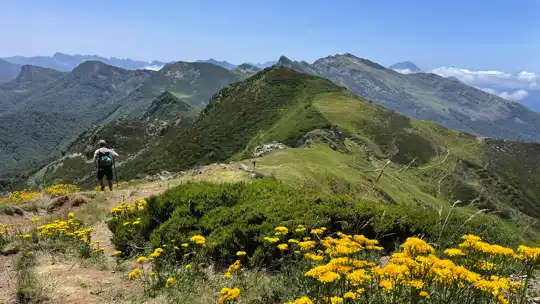
With Spain having so much to offer, I have visited it many times. Best trip was a hiking tour in the Picos de Europa in the North of Spain in July 2023.

✍️ Help improve this page!
The information on this page is based on my own backpacking experience in Spain, supplemented with up-to-date research and feedback from other travelers. Travel details can change, so if you notice anything outdated or incomplete, feel free to let me know.


🙋‍♂️ Give feedback

👋 Meet the founderWho’s Behind Take Your Backpack?

Johan, backpacker and founder of TakeYourBackpackHi, I’m Johan (Netherlands 🇳🇱), the creator of TakeYourBackpack. Over the past decade, I’ve backpacked through 80+ countries across six continents, gaining extensive experience with independent travel, long-term trips, and overland routes.

This site is built on a combination of firsthand travel experience and carefully curated insights from other backpackers. Many guides are based on places I’ve personally visited, while others bring together tips, observations, and practical advice shared by trusted travelers I’ve met along the way.

The goal is to provide realistic, experience-driven guidance — not generic itineraries — so you can explore destinations with better context, clearer expectations, and more confidence.

Get full Spain guide •
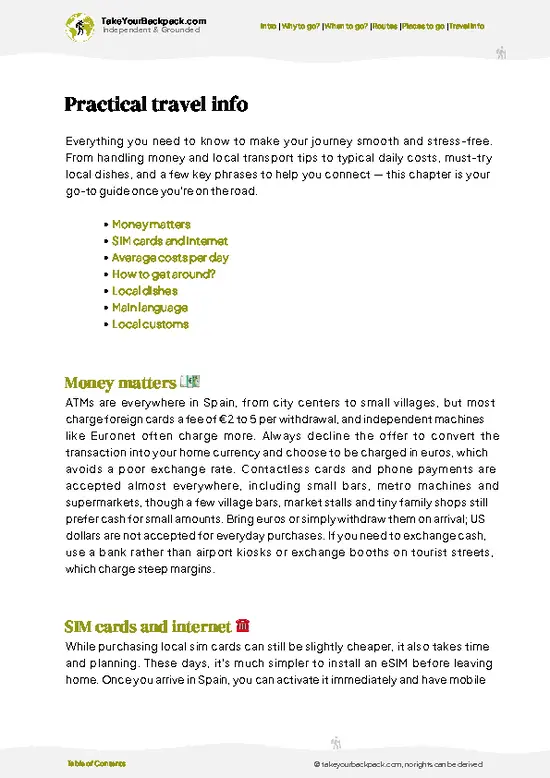
Instant download • 148 highlights • Full Offline guide