
×

Spain🇪🇸 | national parksParque Natural de la Albuferafreshwater lagoon, rice paddies, migratory birds, boat rides | things to do and best time to go

Explore El PalmarExplore Andalusia

Backpacking in Parque Natural de la Albufera
👍 Recommendednational park ranked #11
By Johan Kruseman 🇳🇱 | Updated May 9, 2026

Most travelers only realize after the fact that Parque Natural de la Albufera’s best hours are late afternoon—when the tour buses thin out, the light softens, and the birdlife gets bold. You’ll find this wetland reserve just south of Valencia, hugging the Mediterranean coast. Albufera isn’t a show-off park; it’s flat, laced with rice paddies, and the hiking is more about slow observation than summit-bagging. The scenery is subtle—think mirror-flat lagoons, reeds, and the occasional flash of a heron. Entrance is free, but boat tours and bike rentals add up if you’re not careful. Wild camping is a no-go, and budget beds are scarce unless you base yourself in Valencia and day-trip in. Crowds cluster near the main viewpoints, especially on weekends, but wander a little and you’ll find quiet. Compared to Spain’s mountainous parks like Sierra de Grazalema or Ordesa, Albufera is gentler, less dramatic, and more about patience than adrenaline. It rewards those who don’t rush.

Discover everything you want to know in the 📖 Spain Travel Guide.


Get your Spain guide
151 ranked highlights, routes & tips, works offline (553 pages)
Loading the map 🌍
CLICK TO FILTER
cities
towns
villages
landmarks
national parks
hikes
beaches
attractions
festivals
regions
SHOW COUNTRY’S BESTSHOW ALL

✨ Why go?
Ranked #11 national park in Spain
Reasons people choose to explore here

Backpackers lean into Parque Natural de la Albufera because it offers a rare blend of freedom and focus. This isn’t a place where you’re herded through with a tour group, ticking boxes. Instead, it’s built for independent exploration. You can wander the wetlands, rice fields, and lagoons at your own pace, which means you control the rhythm—no rushed photo stops or waiting on others.

Budget travelers appreciate the camping options and affordable hostels nearby, which keep costs low without sacrificing access. The park’s trail variety is another draw: from short, flat walks perfect for a relaxed afternoon to longer routes that challenge your stamina and reward with quiet, wildlife-rich corners.

If you’re the type who values self-guided travel, this park fits like a glove. It’s straightforward … read more 👉
Backpackers lean into Parque Natural de la Albufera because it offers a rare blend of freedom and focus. This isn’t a place where you’re herded through with a tour group, ticking boxes. Instead, it’s built for independent exploration. You can wander the wetlands, rice fields, and lagoons at your own pace, which means you control the rhythm—no rushed photo stops or waiting on others.

Budget travelers appreciate the camping options and affordable hostels nearby, which keep costs low without sacrificing access. The park’s trail variety is another draw: from short, flat walks perfect for a relaxed afternoon to longer routes that challenge your stamina and reward with quiet, wildlife-rich corners.

If you’re the type who values self-guided travel, this park fits like a glove. It’s straightforward to navigate with maps and signs, so you won’t feel stranded without a guide. Just be mindful that some areas can flood seasonally, so timing your visit matters. Avoiding guided tours here isn’t just about saving money—it’s about preserving the park’s calm and making the experience truly yours.
Get the complete Travel Guide for Spain
Everything organized for offline planning — routes, highlights, costs & tips

See what’s inside 👉

Get the Travel Guide -

💡 HighlightsKey sights and experiences for travelers

1. Boat Ride on the Albufera Lagoon
This is the heart of the park and the reason it exists. The lagoon is a shallow, brackish body of water separated from the Mediterranean by a thin strip of dunes. Locals have been fishing here for centuries, and the traditional wooden boats—albuferencs—still glide through the reeds. You’ll see egrets, herons, and, if you’re lucky, a purple gallinule strutting across the lily pads. The light at sunset is the kind that makes you forget your phone exists. If you do one thing here, make it this. (Personal favorite: there’s something about the hush of the water and the bird calls that resets your brain.)


2. Birdwatching at Racó de l’Olla
This is the park’s best-equipped bird observatory, with hides and boardwalks that let you get close without disturbing the … read more 👉
1. Boat Ride on the Albufera Lagoon
This is the heart of the park and the reason it exists. The lagoon is a shallow, brackish body of water separated from the Mediterranean by a thin strip of dunes. Locals have been fishing here for centuries, and the traditional wooden boats—albuferencs—still glide through the reeds. You’ll see egrets, herons, and, if you’re lucky, a purple gallinule strutting across the lily pads. The light at sunset is the kind that makes you forget your phone exists. If you do one thing here, make it this. (Personal favorite: there’s something about the hush of the water and the bird calls that resets your brain.)


2. Birdwatching at Racó de l’Olla
This is the park’s best-equipped bird observatory, with hides and boardwalks that let you get close without disturbing the wildlife. The diversity is serious: over 300 species have been recorded, including flamingos during migration. Spring and autumn are peak times, but even in winter, you’ll spot marsh harriers and squadrons of ducks. Bring binoculars, but don’t expect solitude—this is a known spot for local birders and school groups.


3. Walking the Devesa Dunes and Pine Forest
The Devesa is a narrow, six-kilometer strip of land that separates the lagoon from the sea. It’s a patchwork of shifting dunes, pine groves, and Mediterranean scrub. The trails are sandy and sometimes overgrown, but you’ll get a sense of what this coast looked like before the hotels arrived. Look for wild orchids in spring and the occasional tortoise sunning itself on the path. The sea breeze is a bonus—especially in summer, when the inland heat can be punishing.


4. Cycling the Albufera Greenway
There’s a dedicated bike path running from Valencia city right into the park. It’s flat, well-marked, and takes you past rice paddies, irrigation canals, and the odd crumbling farmhouse. In late spring, the fields are a mirror of sky and water; by late summer, they’re a patchwork of gold and green. You’ll pass through tiny villages where you can stop for an ice-cold horchata or a plate of paella (this is the birthplace, after all). Watch for tractors and the occasional loose dog.


5. Sunset at the Mirador del Pujol
This is the classic sunset spot, and for good reason. The viewing platform gives you a panoramic sweep over the lagoon, the rice fields, and the distant city skyline. It’s not a secret—expect a crowd on weekends—but the view is worth the company. Bring insect repellent; the mosquitoes here are legendary, and they don’t care how poetic the light is.
Spotted a mistake or missing something? Contact us.

🌤️ When to go?When to go for the best experience


  • Topic: Weather and Temperature – The best months to visit Parque Natural de la Albufera are from late March to early June and September to October. During these periods, temperatures hover between 15-25°C (59-77°F), avoiding the intense summer heat that can soar above 35°C (95°F) in July and August. Winters are mild but can be damp and chilly, averaging 10-15°C (50-59°F).

  • Topic: Daylight Hours – Spring and early autumn offer a solid balance of daylight, with roughly 11-14 hours of light. This gives you enough time for long hikes and boat trips without rushing, unlike the shorter days of December and January, which limit exploration time.

  • Topic: Crowds – Summer months bring local tourists and weekend day-trippers, especially in July and August, which can make the park feel crowded and
read more 👉

  • Topic: Weather and Temperature – The best months to visit Parque Natural de la Albufera are from late March to early June and September to October. During these periods, temperatures hover between 15-25°C (59-77°F), avoiding the intense summer heat that can soar above 35°C (95°F) in July and August. Winters are mild but can be damp and chilly, averaging 10-15°C (50-59°F).

  • Topic: Daylight Hours – Spring and early autumn offer a solid balance of daylight, with roughly 11-14 hours of light. This gives you enough time for long hikes and boat trips without rushing, unlike the shorter days of December and January, which limit exploration time.

  • Topic: Crowds – Summer months bring local tourists and weekend day-trippers, especially in July and August, which can make the park feel crowded and less peaceful. Visiting in shoulder seasons like April or October means fewer people, letting you enjoy the natural setting without the noise.

  • Topic: Seasonal Activities – Birdwatching peaks during spring migration (March-May) and autumn (September-November). Rice harvesting happens in late summer and early autumn, offering a unique cultural glimpse but also increased agricultural activity that can limit access to some trails.

  • Topic: Price Fluctuations – Accommodation and local services tend to spike in summer, especially around August. Visiting in spring or autumn usually means better rates and more availability, which is crucial if you want to stretch your budget without sacrificing comfort.


Pro-tip: Aim for late April or early October to dodge the heat, crowds, and inflated prices while catching the park in its most active and accessible state.


source: climatestotravel.comJANJanuary: fair for travelingFEBFebruary: fair for travelingMARMarch: highly recommended for travelingAPRApril: excellent for travelingMAYMay: highly recommended for travelingJUNJune: good for travelingJULJuly: fair for travelingAUGAugust: fair for travelingSEPSeptember: highly recommended for travelingOCTOctober: excellent for travelingNOVNovember: good for travelingDECDecember: fair for traveling
when-to-go

✈️ The backpacker research shortcutSpain Travel Guide

An offline-friendly backpacking guide with optimized travel routes, ranked highlights, transport advice, and the best areas to stay.
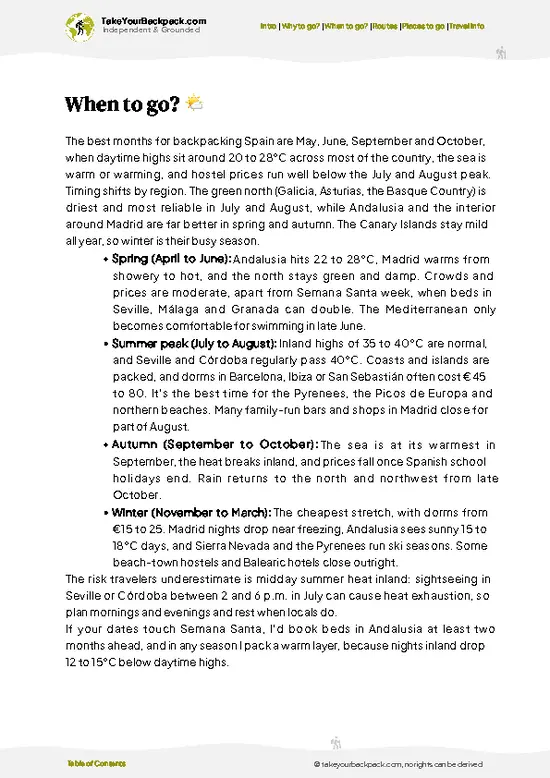
example page 0 from our offline Travel Guide for Spainexample page 1 from our offline Travel Guide for Spainexample page 2 from our offline Travel Guide for Spainexample page 3 from our offline Travel Guide for Spainexample page 4 from our offline Travel Guide for Spainexample page 5 from our offline Travel Guide for Spainexample page 6 from our offline Travel Guide for Spainexample page 7 from our offline Travel Guide for Spain
The digital guide (553 pages) contains:
151 highlights, ranked by travel appeal
Optimized 7, 14 & 21-day travel routes
Cities, national parks, beaches, historical sites, ...
How to get around
Offline-friendly for travel without Wi-Fi
👉 Click to see all 30+ guide features

📅 Plan smarter in minutes, not weeks
Month by month travel advice
Festivals & national holidays
Budget expectations

🗺️ Go to the right places, skip the overrated ones
Honest pros & cons of destinations
Top hikes, parks & viewpoints
Lesser-known places most travelers miss
Clear “worth it vs skip it” guidance

🛏️ Travel smoothly without rookie mistakes
Best areas to stay
Transport systems explained simply
Common scams & safety advice
SIM cards, money & practical tips

🌍 Understand the country, not just visit it
Culture & traditions
52 Essential phrases & customs
Festivals worth planning around
Traveler-friendly historical context
Insights that make places more meaningful

📱 Built for real travel conditions
Fully downloadable PDF
Works completely offline
Optimized for phone use
Useful in remote areas & buses
Everything in one place
Save weeks of stressful planning
Get instant access to the full guide directly. 30-day money-back guarantee.


Sent to your inbox immediately after payment • 100% Secure Checkout
Best Backpacking Travel Advisor 2025 tourism awardBest Backpacking
Travel Advisor
2025
What others say about Take Your Backpack Guides:
⭐⭐⭐⭐⭐
Fantastic, amazing amount of information!
⭐⭐⭐⭐⭐
My goodness this is amazing, it's what I've been looking for hats off too you!
⭐⭐⭐⭐⭐
I think this is absolutely BRILLIANT
⭐⭐⭐⭐
Very complete and informative. It's still missing places, but I gotta to commend you
⭐⭐⭐⭐⭐
This is truly amazing, thank you, can't wait to explore it with my kids!
⭐⭐⭐⭐⭐
Awesome resource, thank you!
⭐⭐⭐⭐⭐
This is amazing! Can't wait to explore the ones I haven't seen
⭐⭐⭐⭐
I love this! Well done, great idea.
⭐⭐⭐⭐⭐
Thanks for taking the time to make this gem!
⭐⭐⭐⭐⭐
This might be the best website I've ever seen.
⭐⭐⭐⭐⭐
Congratulations, and thank you so much for your work; it's incredibly valuable.
⭐⭐⭐⭐
In all seriousness I think you did a great job pointing out the important spots
⭐⭐⭐⭐⭐
10/10 very good
⭐⭐⭐⭐⭐
As someone who's only just starting to visit regularly this is awesome, thank you.
⭐⭐⭐⭐
Thank you very much! I'm going to visit my dad, it's going to be very useful!
⭐⭐⭐⭐⭐
This is really cool! We'll be travelling for the first time and this definitely come in handy.
⭐⭐⭐⭐⭐
You are now our minister of culture, congratulations 👨‍💼
⭐⭐⭐⭐⭐
Just wanted to tell you that this is a pearl! Going to follow your recommendations.
⭐⭐⭐⭐⭐
This is so cool. I'll definitely be using the resource for my travels soon.
⭐⭐⭐⭐⭐
This is very impressive! Good work.
⭐⭐⭐⭐⭐
This is an amazing and informative site. Very well done!

🛏️ Where to stay?Where staying makes the most sense

If you’re heading to Parque Natural de la Albufera, here’s the reality: there are no accommodations inside the park itself. It’s a protected wetland, and overnight stays within its boundaries are off-limits. That means you’ll need to base yourself in nearby towns or cities.

The obvious choice is Valencia, just a short 10-15 km drive away. It’s a major city with all the backpacker essentials—hostels, budget hotels, and easy public transport to the park. Staying in Valencia means you can explore the city’s rich culture and nightlife, then escape to the calm of the Albufera for a day trip. Just … read more 👉
If you’re heading to Parque Natural de la Albufera, here’s the reality: there are no accommodations inside the park itself. It’s a protected wetland, and overnight stays within its boundaries are off-limits. That means you’ll need to base yourself in nearby towns or cities.

The obvious choice is Valencia, just a short 10-15 km drive away. It’s a major city with all the backpacker essentials—hostels, budget hotels, and easy public transport to the park. Staying in Valencia means you can explore the city’s rich culture and nightlife, then escape to the calm of the Albufera for a day trip. Just be prepared for some travel time each day if you want to hit the park early or stay late.

If you want something quieter and closer, the small town of El Palmar sits right on the edge of the park. It’s a fishing village with a handful of guesthouses and small inns. This is where you’ll find the authentic local vibe and the best access to boat rides on the lagoon. But don’t expect luxury or a wide range of options—El Palmar is basic and rustic, perfect for those who want to immerse themselves in nature without city distractions.

Bottom line: plan to stay in Valencia for convenience and variety, or El Palmar for proximity and atmosphere. Trying to find lodging inside the park is a dead end, so don’t waste time or money chasing that. Save your energy for the trails and the rice fields instead.

👛 Costs (as of 3 February 2026)Typical daily expenses

Visiting Parque Natural de la Albufera in Spain offers a range of experiences to suit different budgets. Entrance to the park is free, but certain activities and tours may incur additional costs. For instance, the Albufera Bus Turistic tour, which provides a guided exploration of the park, is priced at €17 for adults and €11 for children aged 7 to 16. Alternatively, organized excursions from Valencia, including transportation and a boat ride, are available starting at €22 per person. For a more immersive experience, guided bicycle tours are offered at €20 per person. These options allow visitors to tailor their visit to their preferences and budget. ([valenciablog.com](https://www.valenciablog.com/visita-el-parque-natural-de-la-albufera/?utm_source=openai))

source: valenciablog.com
⚠️ Prices can change and everyone travels differently, so take this as a rough guide. Hope it helps you plan your adventure!

🥾 TrailsHiking Parque Natural de la Albufera national park: highlights and difficulty

Parque Natural de la Albufera offers a different kind of hiking experience—one that trades rugged mountain trails for flat, expansive wetlands and rice paddies. The terrain is mostly level, making it accessible for most fitness levels, but don’t mistake easy footing for a lack of engagement. The real draw here is the interplay of water, sky, and wildlife. Expect to see a rich variety of birds, especially during migration seasons, including herons, egrets, and the elusive purple gallinule. The park’s signature feature is the large freshwater lagoon, which reflects the shifting light and clouds … read more 👉
Parque Natural de la Albufera offers a different kind of hiking experience—one that trades rugged mountain trails for flat, expansive wetlands and rice paddies. The terrain is mostly level, making it accessible for most fitness levels, but don’t mistake easy footing for a lack of engagement. The real draw here is the interplay of water, sky, and wildlife. Expect to see a rich variety of birds, especially during migration seasons, including herons, egrets, and the elusive purple gallinule. The park’s signature feature is the large freshwater lagoon, which reflects the shifting light and clouds in a way that’s quietly mesmerizing.

Hiking here is less about elevation gain and more about immersion in a unique ecosystem. The trails wind through reed beds and alongside canals, offering close encounters with the flora and fauna that define this coastal wetland. You’ll want binoculars and a good camera, but also patience—the wildlife can be shy, and the best moments often come from stillness and observation rather than speed.

The park has a few designated trails worth noting:

El Saler Trail
  • Length: 6 km
  • Estimated Duration: 2 hours
  • Difficulty Level: Easy
  • Key Features: Coastal dunes, pine forests, lagoon views
  • Terrain: Flat, sandy paths with some boardwalk sections

La Devesa Trail
  • Length: 4 km
  • Estimated Duration: 1.5 hours
  • Difficulty Level: Easy
  • Key Features: Dense pine forest, birdwatching spots, shaded paths
  • Terrain: Flat dirt trails, some roots and uneven ground

El Palmar Loop
  • Length: 5 km
  • Estimated Duration: 1.5 hours
  • Difficulty Level: Easy
  • Key Features: Traditional fishing village, rice fields, water channels
  • Terrain: Flat, mostly dirt paths with occasional paved sections

Getting to the park is straightforward. It lies just south of Valencia, and public transport options include buses from the city center that drop you near the main entrances. The park can get busy on weekends and holidays, especially during spring and autumn when birdwatchers and locals flock here. Arriving early in the morning or later in the afternoon can help you avoid the crowds and catch better wildlife activity.

There’s no entrance fee, which is a relief, but don’t expect visitor centers to be open late or on off-peak days. Bring your own water and snacks, as amenities inside the park are limited. Also, keep in mind that while the trails are easy, the flat terrain means there’s little shade in some areas—sun protection is a must, especially in summer. The park’s charm lies in its quiet, natural rhythms, so pace yourself accordingly. This isn’t a place for a power hike; it’s a place to slow down and tune in.
⚠️ Hiking info can sometimes be outdated or inaccurate. Before you hit the trail, check the latest conditions with locals. If you do spot anything that's off, I'd love to hear from you, so I can update it for fellow travelers.

🛡️ SafetyScams, Hazards, and Annoyances

Parque Natural de la Albufera is a lowland wetland, so altitude and steep terrain won’t be on your worry list. The trails are generally flat and well-marked, making navigation straightforward even for first-timers. That said, the park’s defining feature—its marshes and lagoons—means footing can get slippery, especially after rain. Waterproof shoes with good grip are a must to avoid unnecessary slips.

Weather here can shift quickly, particularly in spring and autumn. Mornings often start cool and misty, warming up sharply by midday. Dress in layers and carry sun protection; the open landscape offers little shade. Mosquitoes are a real presence during warmer months, so insect repellent is non-negotiable if you want to keep your focus on the scenery rather than the bites.

Wildlife encounters … read more 👉
Parque Natural de la Albufera is a lowland wetland, so altitude and steep terrain won’t be on your worry list. The trails are generally flat and well-marked, making navigation straightforward even for first-timers. That said, the park’s defining feature—its marshes and lagoons—means footing can get slippery, especially after rain. Waterproof shoes with good grip are a must to avoid unnecessary slips.

Weather here can shift quickly, particularly in spring and autumn. Mornings often start cool and misty, warming up sharply by midday. Dress in layers and carry sun protection; the open landscape offers little shade. Mosquitoes are a real presence during warmer months, so insect repellent is non-negotiable if you want to keep your focus on the scenery rather than the bites.

Wildlife encounters are mostly peaceful—herons, egrets, and other birds dominate. Keep your distance and avoid sudden movements to respect their space. Feeding animals or straying off paths disrupts the delicate ecosystem and can lead to fines. Stick to marked trails, pace yourself to enjoy the quiet rhythms of the park, and you’ll avoid the common pitfalls that trip up less-prepared visitors.

Other Spanish national parks near Parque Natural de la Albufera

Explore more nearby:


👉 Discover all national parks

Or checkout all Spain has to offer (think cities, towns, villages, national parks, hikes, beaches, festivals)
Country photo of Spain

We 💚 feedbackSumming up the experience

Final Thoughts

Parque Natural de la Albufera offers a rare chance to step away from Spain’s usual tourist circuits and immerse yourself in a landscape where water, rice fields, and birdlife shape the rhythm of life. It’s a quiet, grounding experience that rewards patience and a slower pace. Just be ready for the mid-summer heat and the occasional mosquito battalion—pack accordingly or risk losing your focus to itchy distractions instead of the park’s subtle beauty.

✈️ When did I visit Spain?
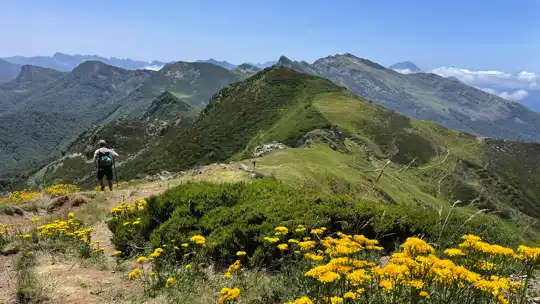
With Spain having so much to offer, I have visited it many times. Best trip was a hiking tour in the Picos de Europa in the North of Spain in July 2023.

✍️ Help improve this page!
The information on this page is based on my own backpacking experience in Spain, supplemented with up-to-date research and feedback from other travelers. Travel details can change, so if you notice anything outdated or incomplete, feel free to let me know.


🙋‍♂️ Give feedback

👋 Meet the founderWho’s Behind Take Your Backpack?

Johan, backpacker and founder of TakeYourBackpackHi, I’m Johan (Netherlands 🇳🇱), the creator of TakeYourBackpack. Over the past decade, I’ve backpacked through 80+ countries across six continents, gaining extensive experience with independent travel, long-term trips, and overland routes.

This site is built on a combination of firsthand travel experience and carefully curated insights from other backpackers. Many guides are based on places I’ve personally visited, while others bring together tips, observations, and practical advice shared by trusted travelers I’ve met along the way.

The goal is to provide realistic, experience-driven guidance — not generic itineraries — so you can explore destinations with better context, clearer expectations, and more confidence.

Get full Spain guide •
Instant download • 151 highlights • Full Offline guide