
×

Spain🇪🇸 | regionsCanary IslandsVolcanic terrain, black sand beaches, subtropical flora | things to do and best time to go

Explore Basque CountryExplore Cantabria

Backpacking in Canary Islands
🏆 Top pickregion ranked #4
By Johan Kruseman 🇳🇱 | Updated October 15, 2026

Most people think the Canary Islands are just “Brits-on-the-beach,” but here’s the twist: you can wild-camp above the clouds on Tenerife, wake up to frost, then be in board shorts at the surf break two hours later. The archipelago sits off the northwest coast of Africa but belongs to Spain, politically and culturally. For backpackers, it’s a weirdly good deal: cheap inter-island flights and ferries, solid bus networks on the main islands, and plenty of hostel beds if you avoid peak winter sun-chaser season. Nature is the headline—Teide National Park feels like Mars, La Gomera’s ravines are brutal in the best way, and Fuerteventura’s beaches go on forever—but some resort strips are aggressively package-tour. Compared with mainland Andalusia or the Costa Blanca, the Canaries are more outdoorsy, less historic-core charm, but if you’re chasing trails, waves, and microclimates, they punch far above their reputation.

Discover everything you want to know in the 📖 Spain Travel Guide.


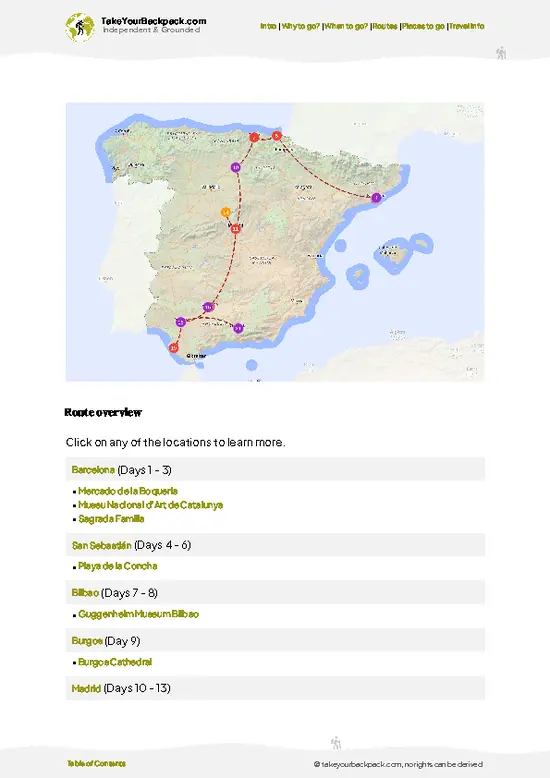
example page 0 from our offline Travel Guide for Spain
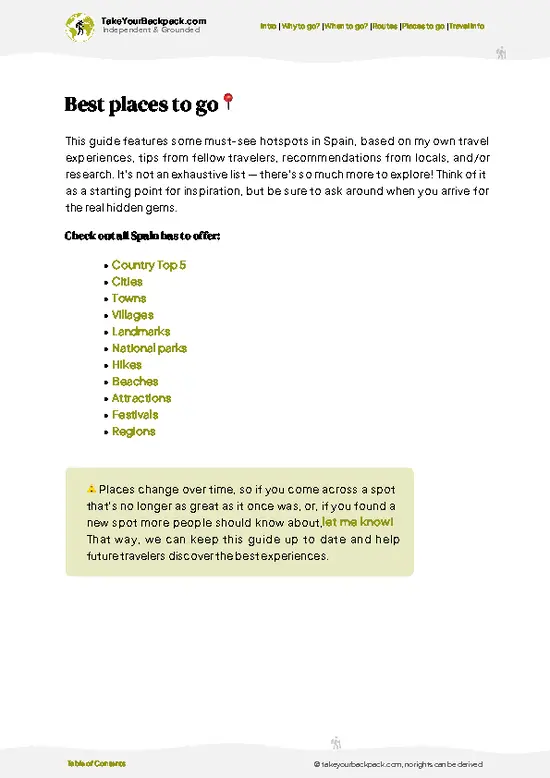
example page 1 from our offline Travel Guide for Spain
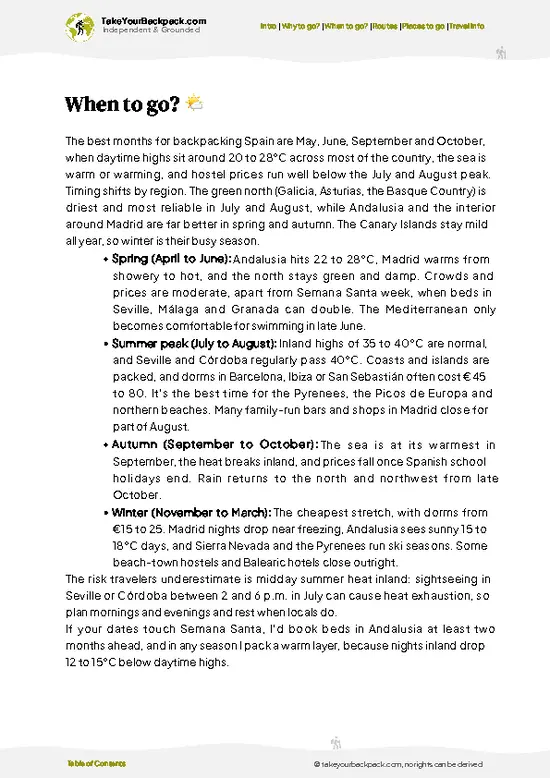
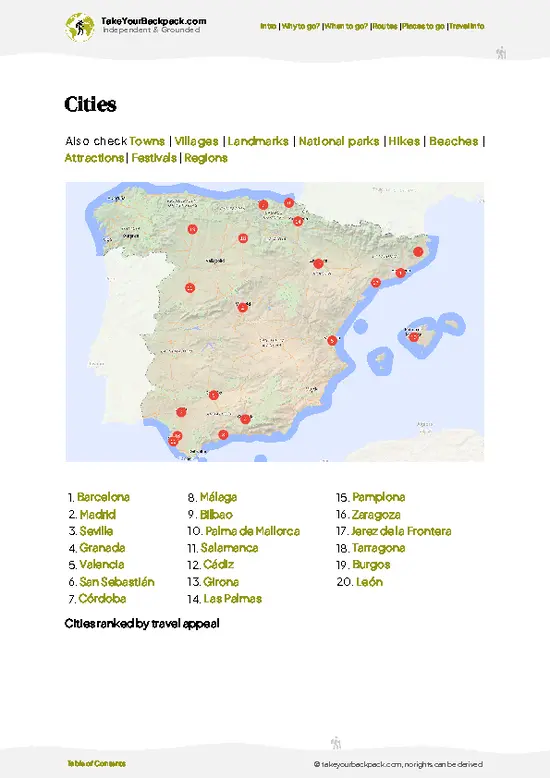
example page 2 from our offline Travel Guide for Spain
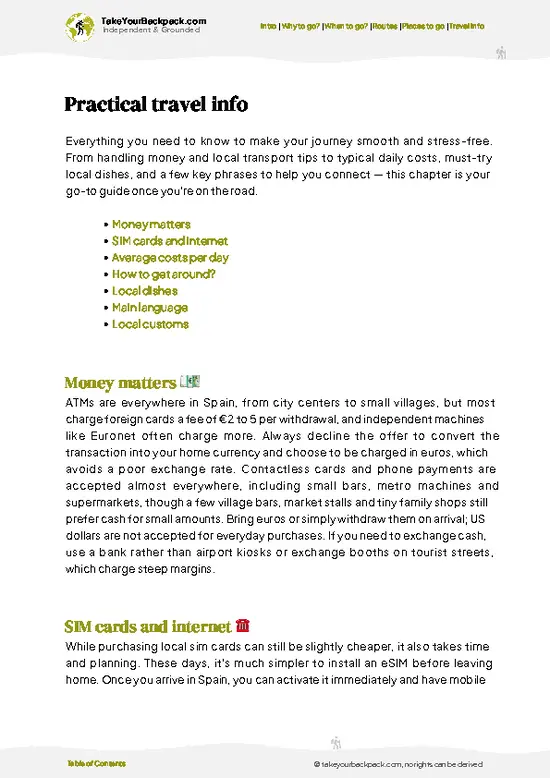
example page 3 from our offline Travel Guide for Spain
example page 4 from our offline Travel Guide for Spain
example page 5 from our offline Travel Guide for Spain
example page 6 from our offline Travel Guide for Spain
example page 7 from our offline Travel Guide for Spain
Loading the map 🌍
CLICK TO FILTER
cities
towns
villages
landmarks
national parks
hikes
beaches
attractions
festivals
regions
SHOW COUNTRY’S BESTSHOW ALL

✨ Why go?
Ranked #4 region in Spain
What makes this region worth visiting

The Canary Islands are a backpacker’s playground, and here’s why savvy travelers keep coming back. First off, the variety of landscapes is mind-blowing. You can hike volcanic mountains in Tenerife, chill on golden beaches in Gran Canaria, or explore lush forests in La Gomera. Each island offers a unique vibe, so you can dive into multiple experiences without the hassle of constant relocation.

Transport is a breeze. Ferries and budget flights connect the islands, giving you the flexibility to hop around as you please. Want to spend a lazy afternoon in a local café? Go for it. Prefer to chase sunsets on a remote beach? You can do that too.

What’s more, the mix of nature and culture here is unbeatable. You can hike during the day and then immerse yourself in local festivals or traditional cuisine … read more 👉
The Canary Islands are a backpacker’s playground, and here’s why savvy travelers keep coming back. First off, the variety of landscapes is mind-blowing. You can hike volcanic mountains in Tenerife, chill on golden beaches in Gran Canaria, or explore lush forests in La Gomera. Each island offers a unique vibe, so you can dive into multiple experiences without the hassle of constant relocation.

Transport is a breeze. Ferries and budget flights connect the islands, giving you the flexibility to hop around as you please. Want to spend a lazy afternoon in a local café? Go for it. Prefer to chase sunsets on a remote beach? You can do that too.

What’s more, the mix of nature and culture here is unbeatable. You can hike during the day and then immerse yourself in local festivals or traditional cuisine at night. This is slow travel at its finest—savoring every moment while soaking up the island’s rich character. Embrace the trade-offs, and you’ll find the Canary Islands are worth every minute spent exploring.

💡 HighlightsTop highlights of Canary Islands

  1. Teide National Park (Tenerife) — A moonscape of lava fields and strange rock pinnacles surrounding Spain’s highest peak. Hike above the clouds, watch the colors change at sunset, or time it for stargazing — the altitude and clear skies make it one of the best places in Europe to see the Milky Way.
  2. Timanfaya / Montañas del Fuego (Lanzarote) — A volcanic theater: steaming ground, sweeping basalt cones and surreal, rust-colored ridges. The geothermal demos at the visitor area prove you’re standing on fresh, raw geology — nowhere else in the Canaries feels quite this primeval.
  3. Garajonay National Park (La Gomera) — Ancient laurel forest carpeted in moss and dripping ferns, a living relic of subtropical Europe. Walk the misty trails, listen for silbo gomero (the island’s whistled language),
… read more 👉
  1. Teide National Park (Tenerife) — A moonscape of lava fields and strange rock pinnacles surrounding Spain’s highest peak. Hike above the clouds, watch the colors change at sunset, or time it for stargazing — the altitude and clear skies make it one of the best places in Europe to see the Milky Way.
  2. Timanfaya / Montañas del Fuego (Lanzarote) — A volcanic theater: steaming ground, sweeping basalt cones and surreal, rust-colored ridges. The geothermal demos at the visitor area prove you’re standing on fresh, raw geology — nowhere else in the Canaries feels quite this primeval.
  3. Garajonay National Park (La Gomera) — Ancient laurel forest carpeted in moss and dripping ferns, a living relic of subtropical Europe. Walk the misty trails, listen for silbo gomero (the island’s whistled language), and feel like you’ve stepped into a different climate zone.
  4. Caldera de Taburiente & Roque de los Muchachos (La Palma) — A huge, emerald-floored crater rim with dramatic viewpoints and one of the world’s top stargazing sites. The contrast between the lush caldera below and the lunar-like observatory heights is unforgettable.
  5. Roque Nublo (Gran Canaria) — A towering volcanic monolith rising from alpine-like scrub; a short hike rewards you with sculptural geology and 360° island views. It’s my personal favorite — simple, raw, and hands-down the best place on the island for a sunset hike without needing fancy gear.
  6. Anaga Rural Park (Tenerife) — Jagged coastal ridges, narrow laurel-forest valleys and tiny hamlets that feel off the beaten track. The trails are a mix of old goat paths and panoramic ridgelines — great for people who like villages and wild hiking in the same day.
  7. Jameos del Agua (Lanzarote) — A volcanic tunnel repurposed into a cavernous cultural space with a subterranean lagoon and delicate architecture. It’s a weirdly beautiful mash-up of nature and Lanzarote’s distinctive art/architecture tradition — iconic in a very island-specific way.
  8. Barranco de Guayadeque cave village (Gran Canaria) — Hidden gem — a deep ravine with cave dwellings, a cliffside chapel and family-run cave restaurants where locals still live and cook in carved-out houses. You won’t get the authentic vibe in glossy tourist brochures; this is old-school island life.
  9. Tamadaba Natural Park & Agaete Valley (Gran Canaria) — Hidden gem — dense pine and laurel stands plunging down to dramatic coastal cliffs, plus a rich, terraced valley dotted with fincas and coffee plantations in Agaete. Hike here for true solitude, sea views and a slice of rural Canarian life most tourists miss.
  10. Charco Azul and natural pools / El Hierro coastline — Hidden gem — rugged volcanic coast punctuated by natural swimming pools and tiny fishing villages. The island’s off-grid feel, crystal-clear water and dramatic cliffs make it perfect for easy snorkeling, cliff walks and a quieter pace than the big islands.
Spotted a mistake or missing something? Contact us.

Things to do around Canary Islands

Ratings based on Tripadvisor reviews. When you book through this link, you support our work at no extra cost to you.

⌛️ 5 daysHow to make the most of Canary Islands

Day 1: Tenerife
Tenerife is your gateway. Fly into the island and get your bearings. The transport system here is robust, with buses connecting major spots. Rent a car if you want to explore the less accessible areas. Start with a visit to Teide National Park; the cable car ride to the summit is a must. The views are breathtaking, and it sets the tone for your adventure.

Day 2: La Gomera
Take an early ferry to La Gomera. The ride is about an hour, and it’s a scenic introduction to the islands. Once there, the bus system is efficient, but you’ll want to hike the Garajonay National Park. The trails are well-marked, and the ancient laurel forests feel like stepping back in time. This day is about immersing yourself in nature, so pack a picnic and enjoy the tranquility.

Day 3: Gran Canaria … read more 👉
Day 1: Tenerife
Tenerife is your gateway. Fly into the island and get your bearings. The transport system here is robust, with buses connecting major spots. Rent a car if you want to explore the less accessible areas. Start with a visit to Teide National Park; the cable car ride to the summit is a must. The views are breathtaking, and it sets the tone for your adventure.

Day 2: La Gomera
Take an early ferry to La Gomera. The ride is about an hour, and it’s a scenic introduction to the islands. Once there, the bus system is efficient, but you’ll want to hike the Garajonay National Park. The trails are well-marked, and the ancient laurel forests feel like stepping back in time. This day is about immersing yourself in nature, so pack a picnic and enjoy the tranquility.

Day 3: Gran Canaria
Catch another ferry or a short flight to Gran Canaria. The island’s transport is a bit more spread out, but the bus routes are reliable. Head to the dunes of Maspalomas for a unique landscape. Spend the afternoon at the beach, soaking in the sun. This is your comfort day, where you can recharge.

Day 4: Fuerteventura
A quick flight or ferry gets you to Fuerteventura. The island is known for its stunning beaches and windsurfing spots. Rent a bike to explore the coastline; it’s a fantastic way to see the island at your own pace. The local vibe here is laid-back, perfect for unwinding.

Day 5: Off-Path Reward - La Graciosa
Take a ferry to La Graciosa, a tiny island that feels worlds away. The lack of cars means you’ll explore on foot or by bike. The beaches here are pristine, and the atmosphere is relaxed. It’s a perfect way to cap off your trip, offering a slice of paradise without the crowds.

The must-do day? Day 1 in Tenerife. Teide National Park is the heart of the Canary Islands experience, and it sets the stage for everything that follows. You’ll leave with a sense of wonder and a deeper connection to this unique region.

🌤️ When to go?Weather, crowds, and seasonal trade-offs

  • Weather: The Canary Islands boast mild, spring-like weather year-round, but the sweet spot is spring (March to May) and autumn (September to November). You dodge the intense summer heat and the winter’s occasional chill, keeping temps between 18°C and 24°C (64°F to 75°F).
  • Temperature: Summer can push highs to 28°C (82°F), which is great for beach days but less ideal for hiking. Winters dip to around 15°C (59°F) at night, so pack layers if you’re camping or trekking.
  • Daylight Hours: Expect roughly 10 to 12 hours of daylight year-round. The longer days in summer mean more time to explore, but also more tourists crowding trails and beaches.
  • Crowds: Peak season hits in July and August, plus around Christmas and Easter. If you want to feel like a local rather than a tourist, aim for shoulder
… read more 👉
  • Weather: The Canary Islands boast mild, spring-like weather year-round, but the sweet spot is spring (March to May) and autumn (September to November). You dodge the intense summer heat and the winter’s occasional chill, keeping temps between 18°C and 24°C (64°F to 75°F).
  • Temperature: Summer can push highs to 28°C (82°F), which is great for beach days but less ideal for hiking. Winters dip to around 15°C (59°F) at night, so pack layers if you’re camping or trekking.
  • Daylight Hours: Expect roughly 10 to 12 hours of daylight year-round. The longer days in summer mean more time to explore, but also more tourists crowding trails and beaches.
  • Crowds: Peak season hits in July and August, plus around Christmas and Easter. If you want to feel like a local rather than a tourist, aim for shoulder seasons when the islands are quieter and accommodations cheaper.
  • Seasonal Activities: Spring and autumn bring festivals, whale watching, and ideal hiking conditions. Winter is prime for surfing, while summer is all about beach parties and water sports.
  • Price Fluctuations: Accommodation and flights spike in summer and holidays. Booking in shoulder seasons can save you 30-50%, letting you splurge on experiences instead.
Pro-tip: Arrive late April or early October—weather’s perfect, crowds thin, and you’ll snag deals that let you upgrade your digs or add a guided hike without breaking the bank.


source: climatestotravel.comJANJanuary: good for travelingFEBFebruary: good for travelingMARMarch: excellent for travelingAPRApril: excellent for travelingMAYMay: excellent for travelingJUNJune: highly recommended for travelingJULJuly: fair for travelingAUGAugust: fair for travelingSEPSeptember: excellent for travelingOCTOctober: excellent for travelingNOVNovember: highly recommended for travelingDECDecember: good for traveling
spain-region-canary-islands
© Google |

✈️ The backpacker research shortcutSpain Travel Guide

An offline-friendly backpacking guide with optimized travel routes, ranked highlights, transport advice, and the best areas to stay.
example page 0 from our offline Travel Guide for Spain
example page 1 from our offline Travel Guide for Spain
example page 2 from our offline Travel Guide for Spain
example page 3 from our offline Travel Guide for Spain
example page 4 from our offline Travel Guide for Spain
example page 5 from our offline Travel Guide for Spain
example page 6 from our offline Travel Guide for Spain
example page 7 from our offline Travel Guide for Spain
The digital guide (543 pages) contains:
✅ 147 highlights, ranked by travel appeal
✅ Optimized 7, 14 & 21-day travel routes
✅ Cities, national parks, landmarks, beaches
✅ How to get around
✅ Offline-friendly for travel without Wi-Fi
👉 Click to see all 30+ guide features

📅 Plan smarter in minutes, not weeks
✅ Month by month travel advice
✅ Festivals & national holidays
✅ Budget expectations

🗺️ Go to the right places, skip the overrated ones
✅ Honest pros & cons of destinations
✅ Top hikes, parks & viewpoints
✅ Lesser-known places most travelers miss
✅ Clear “worth it vs skip it” guidance

🛏️ Travel smoothly without rookie mistakes
✅ Best areas to stay
✅ Transport systems explained simply
✅ Common scams & safety advice
✅ SIM cards, money & practical tips

🌍 Understand the country, not just visit it
✅ Culture & traditions
✅ 52 Essential phrases & customs
✅ Festivals worth planning around
✅ Traveler-friendly historical context
✅ Insights that make places more meaningful

📱 Built for real travel conditions
✅ Fully downloadable PDF
✅ Works completely offline
✅ Optimized for phone use
✅ Useful in remote areas & buses
✅ Everything in one place
Stop searching, start planning
Get instant access to your full guide. 30‑day money-back guarantee.
+ Add another guide for just

By proceeding you agree to our terms.
Sent to your inbox immediately after payment • 100% Secure Checkout
Best Backpacking Travel Advisor 2025 tourism awardBest Backpacking
Travel Advisor
2025
What others say about Take Your Backpack Guides:
⭐⭐⭐⭐⭐
Fantastic, amazing amount of information!
⭐⭐⭐⭐⭐
My goodness this is amazing, it's what I've been looking for hats off too you!
⭐⭐⭐⭐⭐
I think this is absolutely BRILLIANT
⭐⭐⭐⭐
Very complete and informative. It's still missing places, but I gotta to commend you
⭐⭐⭐⭐⭐
This is truly amazing, thank you, can't wait to explore it with my kids!
⭐⭐⭐⭐⭐
Awesome resource, thank you!
⭐⭐⭐⭐⭐
This is amazing! Can't wait to explore the ones I haven't seen
⭐⭐⭐⭐
I love this! Well done, great idea.
⭐⭐⭐⭐⭐
Thanks for taking the time to make this gem!
⭐⭐⭐⭐⭐
This might be the best website I've ever seen.
⭐⭐⭐⭐⭐
Congratulations, and thank you so much for your work; it's incredibly valuable.
⭐⭐⭐⭐
In all seriousness I think you did a great job pointing out the important spots
⭐⭐⭐⭐⭐
10/10 very good
⭐⭐⭐⭐⭐
As someone who's only just starting to visit regularly this is awesome, thank you.
⭐⭐⭐⭐
Thank you very much! I'm going to visit my dad, it's going to be very useful!
⭐⭐⭐⭐⭐
This is really cool! We'll be travelling for the first time and this definitely come in handy.
⭐⭐⭐⭐⭐
You are now our minister of culture, congratulations 👨‍💼
⭐⭐⭐⭐⭐
Just wanted to tell you that this is a pearl! Going to follow your recommendations.
⭐⭐⭐⭐⭐
This is so cool. I'll definitely be using the resource for my travels soon.
⭐⭐⭐⭐⭐
This is very impressive! Good work.
⭐⭐⭐⭐⭐
This is an amazing and informative site. Very well done!

🛏️ Where to stay?Where staying makes the most sense

In the Canary Islands, the right spot can make or break your trip. Let’s dive into the best areas for backpackers that balance safety, social vibes, and budget-friendliness.

Start with Las Palmas on Gran Canaria. This city buzzes with energy. The Vegueta district is where history meets nightlife. You’ll find cozy cafes and vibrant markets. Plus, the beach is just a stroll away. It’s a melting pot of locals and travelers, perfect for making friends.

Next up, Santa Cruz de Tenerife. This capital city offers a laid-back atmosphere with plenty of parks and plazas. The local food scene is a treat, … read more 👉
In the Canary Islands, the right spot can make or break your trip. Let’s dive into the best areas for backpackers that balance safety, social vibes, and budget-friendliness.

Start with Las Palmas on Gran Canaria. This city buzzes with energy. The Vegueta district is where history meets nightlife. You’ll find cozy cafes and vibrant markets. Plus, the beach is just a stroll away. It’s a melting pot of locals and travelers, perfect for making friends.

Next up, Santa Cruz de Tenerife. This capital city offers a laid-back atmosphere with plenty of parks and plazas. The local food scene is a treat, and the Carnival here is legendary. Stay near the waterfront for easy access to both culture and sun.

If you’re after something quieter, check out El Cotillo on Fuerteventura. This village is known for its stunning beaches and chill vibe. It’s a great place to unwind after a day of surfing or exploring.

Finally, Puerto de la Cruz on Tenerife is a backpacker favorite. With its botanical gardens and black sand beaches, it’s picturesque and affordable. The nightlife is lively, but it’s not overwhelming, making it ideal for solo travelers.

Choose wisely, and you’ll unlock the true spirit of the Canaries.

🚌 Getting aroundMoving around without the hassle

The Canary Islands pulse with a rhythm that’s both laid-back and exhilarating. Picture this: sun-drenched beaches, volcanic landscapes, and a vibe that swings between the leisurely and the spontaneous. Here, rigid schedules take a backseat to the whims of island life. You might find yourself hopping on a ferry just because the sea looks inviting or catching a bus that seems to be running on its own time. It’s a place where intuition guides your journey, and every choice can lead to a new adventure.
  • Local Buses (Guaguas): These are your best friends for budget travel. They run frequently between islands and towns, with fares around €1-€3 depending on distance. Just be ready for a bit of a wait; schedules can be more of a suggestion than a rule. Expect a mix of comfort levels, but they’re generally
… read more 👉
The Canary Islands pulse with a rhythm that’s both laid-back and exhilarating. Picture this: sun-drenched beaches, volcanic landscapes, and a vibe that swings between the leisurely and the spontaneous. Here, rigid schedules take a backseat to the whims of island life. You might find yourself hopping on a ferry just because the sea looks inviting or catching a bus that seems to be running on its own time. It’s a place where intuition guides your journey, and every choice can lead to a new adventure.
  • Local Buses (Guaguas): These are your best friends for budget travel. They run frequently between islands and towns, with fares around €1-€3 depending on distance. Just be ready for a bit of a wait; schedules can be more of a suggestion than a rule. Expect a mix of comfort levels, but they’re generally reliable for getting you where you need to go.
  • Ferries: The inter-island ferries are essential for hopping between the islands. Prices range from €20-€40, depending on the distance and the operator. They run regularly, but check the schedules ahead of time, especially in off-peak seasons. The ride can be a bit bumpy, but the views of the ocean and islands are worth it.
  • Car Rentals: If you want to explore at your own pace, renting a car is a solid option. Prices start around €25 per day, but fuel can add up. You’ll have the freedom to chase sunsets and hidden beaches, but parking can be tricky in popular spots. Just remember, driving is on the right side of the road!
  • Taxis and Rideshares: Taxis are available, but they can be pricey, especially for longer distances. Expect to pay around €1.20 per kilometer. Rideshare apps are also available in major areas, offering a more convenient option if you’re not in the mood for public transport.

For a tactical tip: download the local bus app before you arrive. It’ll give you real-time updates and help you navigate the sometimes-chaotic schedules. This way, you can maximize your time soaking up the sun instead of waiting around.

🍲 FoodEating & Drinking in Canary Islands

In the Canary Islands, food is a celebration of flavors and community. Dive into papas arrugadas, those wrinkled potatoes served with a drizzle of mojo sauce—the green version packs a punch with cilantro, while the red is a smoky delight. Pair these with fresh seafood, like grilled octopus or local fish, caught that very morning. The aroma of salt and sea will make your mouth water.

For a true local experience, hit up the mercados. These bustling markets are where the heart of the islands beats. Stalls overflow with vibrant fruits, cheeses, and cured meats. Grab a tinto de verano, a refreshing mix of red wine and lemonade, and sip it while people-watching.

Street food is a must. Look for food trucks or small stands serving arepas or croquetas—perfect for a quick bite between hikes.

Dining … read more 👉
In the Canary Islands, food is a celebration of flavors and community. Dive into papas arrugadas, those wrinkled potatoes served with a drizzle of mojo sauce—the green version packs a punch with cilantro, while the red is a smoky delight. Pair these with fresh seafood, like grilled octopus or local fish, caught that very morning. The aroma of salt and sea will make your mouth water.

For a true local experience, hit up the mercados. These bustling markets are where the heart of the islands beats. Stalls overflow with vibrant fruits, cheeses, and cured meats. Grab a tinto de verano, a refreshing mix of red wine and lemonade, and sip it while people-watching.

Street food is a must. Look for food trucks or small stands serving arepas or croquetas—perfect for a quick bite between hikes.

Dining here is relaxed. Don’t rush; linger over your meal and soak in the atmosphere. Sharing plates is common, so don’t hesitate to order a few dishes to pass around. And remember, it’s all about enjoying the moment—so raise a glass and toast to the good life!

FAQCommon questions from travelers

7 to 10 days are ideal to explore the main islands of the Canary Islands, allowing time to visit Tenerife, Gran Canaria, Lanzarote, and Fuerteventura. Each island offers unique landscapes and activities, so allocate at least 2 days per island for a basic experience.
You can get around the Canary Islands without a car using the extensive bus network called Guaguas, which connects major towns and tourist spots. Ferries also link the islands, with prices typically ranging from 30 to 60 euros for inter-island travel.
The Canary Islands are known for their volcanic landscapes, year-round mild climate, and diverse beaches ranging from black volcanic sand to golden shores. They are also famous for outdoor activities like hiking in Teide National Park and water sports such as surfing and diving.
⚠️ Things can change over time, so always validate details locally before you go.

Other Spanish regions near Canary Islands

Explore more nearby:

  • Tenerife—Teide volcano, laurel woods, black sand coves
  • La Gomera—Laurisilva forests, terraced hillsides, deep ravines| 62 km away
  • Risco Caído—Archaeological sites, cave dwellings, sacred peaks| 99 km away

💡 Not sure where to go next?
Create a personalized itinerary for Spain including Canary Islands and the places that fit your trip.

Generate my itinerary

👉 Discover all regions

Or checkout all Spain has to offer (think cities, towns, villages, national parks, hikes, beaches, festivals)
Country photo of Spain

We 💚 feedbackSumming up the experience

The Canary Islands are a paradise for those who crave both adventure and relaxation. Picture this: hiking volcanic landscapes by day and sipping local wine under the stars at night. But here’s the catch—getting around can be a hassle. Public transport isn’t always reliable, and renting a car can add up. If you’re willing to navigate those logistics, the rewards are immense. Just be prepared to trade some comfort for those epic views and experiences.

✈️ When did I visit Spain?
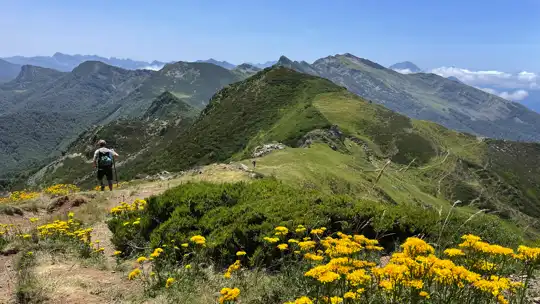
With Spain having so much to offer, I have visited it many times. Best trip was a hiking tour in the Picos de Europa in the North of Spain in July 2023.

✍️ Help improve this page!
The information on this page is based on my own backpacking experience in Spain, supplemented with up-to-date research and feedback from other travelers. Travel details can change, so if you notice anything outdated or incomplete, feel free to let me know.


🙋‍♂️ Give feedback

👋 Meet the founderWho’s Behind Take Your Backpack?

Johan, backpacker and founder of TakeYourBackpackHi, I’m Johan (Netherlands 🇳🇱), the creator of TakeYourBackpack. Over the past 3 decades, I’ve backpacked through 90+ countries across six continents, gaining extensive experience with independent travel, long-term trips, and overland routes.

This site is built on a combination of firsthand travel experience and carefully curated insights from other backpackers. Many guides are based on places I’ve personally visited, while others bring together tips, observations, and practical advice shared by trusted travelers I’ve met along the way.

The goal is to provide realistic, experience-driven guidance — not generic itineraries — so you can explore destinations with better context, clearer expectations, and more confidence.