×

Spain🇪🇸 | citiesCordobaMezquita mosque, Roman bridge, Andalusian patios | things to do and best time to go

Explore BarcelonaExplore Granada

Backpacking in Cordoba
UNESCO World Heritage site
🌟 Highlightcity ranked #7
By Johan Kruseman 🇳🇱 | Updated September 4, 2026

Most people treat Córdoba as a half-day pit stop between Seville and Granada; that’s the mistake. It sits in northern Andalusia, on the Guadalquivir River, and rewards anyone who actually lingers. For backpackers, it’s compact, walkable, and cheaper than Seville, though not as dirt-cheap as smaller Andalusian towns. The Mezquita alone justifies the detour, but the real payoff is wandering the Judería at night, when the day-trippers vanish and the patios go quiet. Nightlife is more low-key student bars than big-club chaos, so it’s easy to meet people but not a party capital. Trains and buses make it an effortless hub. It feels safe, especially in the center, but in high season the old town can feel like a museum unless you push into local neighborhoods.

Discover everything you want to know in the 📖 Spain Travel Guide.


Get your Spain guide
148 ranked highlights, routes & tips, works offline (542 pages)
Loading the map 🌍
CLICK TO FILTER
cities
towns
villages
landmarks
national parks
hikes
beaches
attractions
festivals
regions
SHOW COUNTRY’S BESTSHOW ALL

✨ Why go?
Ranked #7 city in Spain
What sets this place apart

Cordoba is a backpacker’s haven that strikes a balance between time, money, and comfort. It’s compact and walkable, making it easy to soak in the rich history without burning out. You’ll find a range of hostels that cater to every budget, often buzzing with fellow travelers eager to share tips. The food scene is a treat, offering everything from cheap tapas to local delicacies that won’t break the bank.

As a basecamp for day trips, Cordoba opens doors to stunning nearby destinations, allowing you to maximize your time without sacrificing comfort. The nightlife is vibrant yet laid-back, perfect for unwinding after a day of exploration. Plus, its transport links make onward travel a breeze, whether you’re heading to Seville or Granada. If you’re after a city that offers both character and read more 👉
Cordoba is a backpacker’s haven that strikes a balance between time, money, and comfort. It’s compact and walkable, making it easy to soak in the rich history without burning out. You’ll find a range of hostels that cater to every budget, often buzzing with fellow travelers eager to share tips. The food scene is a treat, offering everything from cheap tapas to local delicacies that won’t break the bank.

As a basecamp for day trips, Cordoba opens doors to stunning nearby destinations, allowing you to maximize your time without sacrificing comfort. The nightlife is vibrant yet laid-back, perfect for unwinding after a day of exploration. Plus, its transport links make onward travel a breeze, whether you’re heading to Seville or Granada. If you’re after a city that offers both character and convenience, Cordoba is worth more than just a fleeting stop.
Want to include Cordoba in your Spain route?
Create a personalized Spain itinerary that includes Cordoba and the places that fit your trip — based on your travel style, budget, and available time. Get your route in seconds.

Generate my trip

💡 HighlightsMust-see experiences and standout moments

  • Mezquita-Catedral de Córdoba — The city’s heart: a jaw-dropping mix of mosque arches and a Renaissance cathedral jammed into one building; seeing the forest of columns and the mihrab in person is unforgettable.
  • Alcázar de los Reyes Cristianos — A compact fortress with well-kept gardens, Roman mosaics and views over the Guadalquivir; the gardens alone are a peaceful break from the crowds.
  • La Judería and the Sinagoga — Narrow, flowered lanes that tell Córdoba’s medieval multicultural story; the small 14th-century synagogue is one of the few original synagogues still standing in Spain.
  • Puente Romano (Roman Bridge) — Walkable, photogenic and historic—this bridge frames the Mezquita and the river, especially beautiful at sunset when the city lights come on.
  • Torre de la Calahorra — At the
read more 👉
  • Mezquita-Catedral de Córdoba — The city’s heart: a jaw-dropping mix of mosque arches and a Renaissance cathedral jammed into one building; seeing the forest of columns and the mihrab in person is unforgettable.
  • Alcázar de los Reyes Cristianos — A compact fortress with well-kept gardens, Roman mosaics and views over the Guadalquivir; the gardens alone are a peaceful break from the crowds.
  • La Judería and the Sinagoga — Narrow, flowered lanes that tell Córdoba’s medieval multicultural story; the small 14th-century synagogue is one of the few original synagogues still standing in Spain.
  • Puente Romano (Roman Bridge) — Walkable, photogenic and historic—this bridge frames the Mezquita and the river, especially beautiful at sunset when the city lights come on.
  • Torre de la Calahorra — At the bridge’s southern end, this fortified tower houses a small museum about Córdoba’s three cultures; climb inside for a compact, interpretive take on the city’s past.
  • Palacio de Viana — A manor house famous for its dozen-plus private patios and period rooms; it’s the best place in the city to understand Córdoba’s courtyard culture without needing a friend with a key.
  • Museo Julio Romero de Torres — A small, atmospheric museum dedicated to Córdoba’s most famous painter; loads of local character and a quiet, moody contrast to the big monuments.
  • Baños Califales (Caliphal Baths) — Archaeological remains of medieval Muslim baths near the Alcázar; compact but evocative, they give a real sense of daily life in Al-Andalus.
  • Templo Romano (Roman Temple) — A few columns and ruins tucked into the city centre that remind you Córdoba was a major Roman city long before the mosque; quick, free, and oddly satisfying.
  • Plaza de la Corredera — A broad, lively square with arcades and tapas bars where locals drink, argue football and linger; great for people-watching and feeling the modern pulse of the city.
If you’ve got extra time, good day trips nearby include the archaeological site of Medina Azahara (my personal favorite), the white village of Zuheros and the Sierra Subbética for hiking and scenic villages.
Spotted a mistake or missing something? Contact us.

Things to do in Cordoba

Ratings based on Tripadvisor reviews. When you book through this link, you support our work at no extra cost to you.

🏘️ NeighborhoodsHow different areas shape the experience

Cordoba is a city where history and modernity collide, offering a rich tapestry of experiences for backpackers. Here’s how to navigate its neighborhoods for maximum value.

Judería: This historic Jewish quarter is a must-see. Its narrow, winding streets are packed with charm and history. Expect higher prices here, but the ambiance is worth it. Walkability is excellent, and you’re close to major sights like the Mezquita. Perfect for short stays, but can feel touristy at night.

Centro: The heart of Cordoba, Centro is bustling with shops, cafes, and vibrant street life. It’s budget-friendly, with plenty of hostels and eateries. Walkable and well-connected by public transport, it’s ideal for longer stays if you want to soak in the local vibe. Nightlife is lively, making it a great spot for socializing. … read more 👉
Cordoba is a city where history and modernity collide, offering a rich tapestry of experiences for backpackers. Here’s how to navigate its neighborhoods for maximum value.

Judería: This historic Jewish quarter is a must-see. Its narrow, winding streets are packed with charm and history. Expect higher prices here, but the ambiance is worth it. Walkability is excellent, and you’re close to major sights like the Mezquita. Perfect for short stays, but can feel touristy at night.

Centro: The heart of Cordoba, Centro is bustling with shops, cafes, and vibrant street life. It’s budget-friendly, with plenty of hostels and eateries. Walkable and well-connected by public transport, it’s ideal for longer stays if you want to soak in the local vibe. Nightlife is lively, making it a great spot for socializing.

San Basilio: This quieter neighborhood offers a more local experience. It’s picturesque, with beautiful patios and gardens. Prices are moderate, and it’s still walkable to the main attractions. Best for longer stays if you prefer a peaceful atmosphere, though nightlife options are limited.

El Arenal: Close to the river, this area is known for its tapas bars and flamenco shows. It’s lively and slightly more expensive, but the energy is infectious. Walkable and well-connected, it’s great for both short and longer visits, especially if you want to experience Cordoba’s nightlife.

⌛️ 1 dayHow to make the most of one day

Cordoba, with its rich tapestry of history and culture, is a city that invites exploration. The stunning Mezquita, a former mosque turned cathedral, is a must-see, but there’s so much more to uncover.

Start your morning in the Judería, the old Jewish quarter. Wander through its narrow, winding streets, where whitewashed buildings and colorful flower pots create a charming atmosphere. Grab a coffee and a pastry at a local café—try the pastel de nata for a sweet kick. After fueling up, head to the Mezquita. Arrive early to beat the crowds and soak in the intricate arches and serene ambiance.

In the afternoon, stroll over to the Alcázar de los Reyes Cristianos. The gardens are a peaceful retreat, perfect for a leisurely walk. If you’re feeling adventurous, seek out the lesser-known Palacio … read more 👉
Cordoba, with its rich tapestry of history and culture, is a city that invites exploration. The stunning Mezquita, a former mosque turned cathedral, is a must-see, but there’s so much more to uncover.

Start your morning in the Judería, the old Jewish quarter. Wander through its narrow, winding streets, where whitewashed buildings and colorful flower pots create a charming atmosphere. Grab a coffee and a pastry at a local café—try the pastel de nata for a sweet kick. After fueling up, head to the Mezquita. Arrive early to beat the crowds and soak in the intricate arches and serene ambiance.

In the afternoon, stroll over to the Alcázar de los Reyes Cristianos. The gardens are a peaceful retreat, perfect for a leisurely walk. If you’re feeling adventurous, seek out the lesser-known Palacio de Viana, a hidden gem with beautiful courtyards that often flies under the radar.

As evening approaches, make your way to the lively Plaza de la Corredera. This square is a hub of local life, where you can enjoy tapas at one of the many outdoor terraces. Try salmorejo, a local cold soup that’s refreshing and delicious.

Wrap up your day with a stroll along the Guadalquivir River, where the sunset casts a golden hue over the city. Cordoba may be compact, but its layers of history and vibrant local culture make it a place you’ll remember long after you leave.
Turn your Cordoba visit into an Spain adventure
Build a complete Spain route with Cordoba, hidden gems, must-see destinations, and realistic travel times included.

Generate my trip

🌤️ When to go?Choosing the right time of year


  • Weather: Spring (March to May) and fall (September to November) offer mild, pleasant weather. Expect highs around 20-25°C (68-77°F), perfect for walking without overheating or freezing.

  • Temperature: Summers scorch with highs hitting 35-40°C (95-104°F), making midday exploration brutal. Winters dip to 6-12°C (43-54°F), cool but manageable with layers.

  • Daylight Hours: Long days in summer stretch up to 14 hours, giving you more time to explore but also more heat. Spring and fall balance daylight and comfort with about 10-12 hours.

  • Crowds: Peak tourist season is summer, especially July and August, when locals flee and tourists flood in. Spring and fall see fewer crowds, letting you enjoy sites like the Mezquita without elbowing your way through.

  • Seasonal Activities: Spring hosts the
read more 👉

  • Weather: Spring (March to May) and fall (September to November) offer mild, pleasant weather. Expect highs around 20-25°C (68-77°F), perfect for walking without overheating or freezing.

  • Temperature: Summers scorch with highs hitting 35-40°C (95-104°F), making midday exploration brutal. Winters dip to 6-12°C (43-54°F), cool but manageable with layers.

  • Daylight Hours: Long days in summer stretch up to 14 hours, giving you more time to explore but also more heat. Spring and fall balance daylight and comfort with about 10-12 hours.

  • Crowds: Peak tourist season is summer, especially July and August, when locals flee and tourists flood in. Spring and fall see fewer crowds, letting you enjoy sites like the Mezquita without elbowing your way through.

  • Seasonal Activities: Spring hosts the famous Patio Festival, a cultural highlight with blooming courtyards. Fall brings harvest celebrations and wine tastings, adding local flavor beyond the usual sightseeing.

  • Price Fluctuations: Summer prices spike sharply for accommodation and tours. Shoulder seasons (spring and fall) offer better deals and more availability, maximizing your budget without sacrificing experience.


Pro-tip: Aim for late April or early October to hit the sweet spot—great weather, manageable crowds, and wallet-friendly prices.


source: climatestotravel.comJANJanuary: fair for travelingFEBFebruary: fair for travelingMARMarch: highly recommended for travelingAPRApril: excellent for travelingMAYMay: highly recommended for travelingJUNJune: good for travelingJULJuly: below average for travelingAUGAugust: below average for travelingSEPSeptember: highly recommended for travelingOCTOctober: excellent for travelingNOVNovember: highly recommended for travelingDECDecember: fair for traveling
when-to-go

✈️ The backpacker research shortcutSpain Travel Guide

An offline-friendly backpacking guide with optimized travel routes, ranked highlights, transport advice, and the best areas to stay.
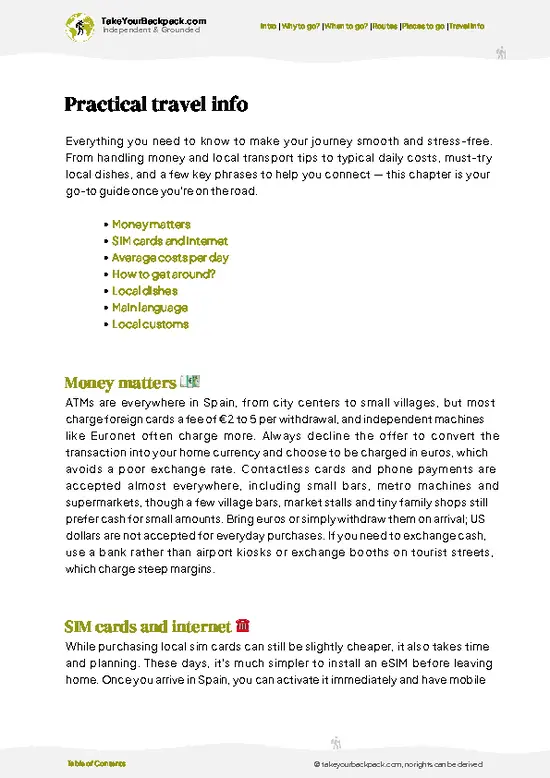
example page 0 from our offline Travel Guide for Spain
example page 1 from our offline Travel Guide for Spain
example page 2 from our offline Travel Guide for Spain
example page 3 from our offline Travel Guide for Spain
example page 4 from our offline Travel Guide for Spain
example page 5 from our offline Travel Guide for Spain
example page 6 from our offline Travel Guide for Spain
example page 7 from our offline Travel Guide for Spain
The digital guide (542 pages) contains:
148 highlights, ranked by travel appeal
Optimized 7, 14 & 21-day travel routes
Cities, national parks, landmarks, beaches
How to get around
Offline-friendly for travel without Wi-Fi
👉 Click to see all 30+ guide features

📅 Plan smarter in minutes, not weeks
Month by month travel advice
Festivals & national holidays
Budget expectations

🗺️ Go to the right places, skip the overrated ones
Honest pros & cons of destinations
Top hikes, parks & viewpoints
Lesser-known places most travelers miss
Clear “worth it vs skip it” guidance

🛏️ Travel smoothly without rookie mistakes
Best areas to stay
Transport systems explained simply
Common scams & safety advice
SIM cards, money & practical tips

🌍 Understand the country, not just visit it
Culture & traditions
52 Essential phrases & customs
Festivals worth planning around
Traveler-friendly historical context
Insights that make places more meaningful

📱 Built for real travel conditions
Fully downloadable PDF
Works completely offline
Optimized for phone use
Useful in remote areas & buses
Everything in one place
Save weeks of stressful planning
Get instant access to your full guide. 30‑day money-back guarantee.
+ Add another guide for just US$7.80

By proceeding you agree to our terms.
Sent to your inbox immediately after payment • 100% Secure Checkout
Best Backpacking Travel Advisor 2025 tourism awardBest Backpacking
Travel Advisor
2025
What others say about Take Your Backpack Guides:
⭐⭐⭐⭐⭐
Fantastic, amazing amount of information!
⭐⭐⭐⭐⭐
My goodness this is amazing, it's what I've been looking for hats off too you!
⭐⭐⭐⭐⭐
I think this is absolutely BRILLIANT
⭐⭐⭐⭐
Very complete and informative. It's still missing places, but I gotta to commend you
⭐⭐⭐⭐⭐
This is truly amazing, thank you, can't wait to explore it with my kids!
⭐⭐⭐⭐⭐
Awesome resource, thank you!
⭐⭐⭐⭐⭐
This is amazing! Can't wait to explore the ones I haven't seen
⭐⭐⭐⭐
I love this! Well done, great idea.
⭐⭐⭐⭐⭐
Thanks for taking the time to make this gem!
⭐⭐⭐⭐⭐
This might be the best website I've ever seen.
⭐⭐⭐⭐⭐
Congratulations, and thank you so much for your work; it's incredibly valuable.
⭐⭐⭐⭐
In all seriousness I think you did a great job pointing out the important spots
⭐⭐⭐⭐⭐
10/10 very good
⭐⭐⭐⭐⭐
As someone who's only just starting to visit regularly this is awesome, thank you.
⭐⭐⭐⭐
Thank you very much! I'm going to visit my dad, it's going to be very useful!
⭐⭐⭐⭐⭐
This is really cool! We'll be travelling for the first time and this definitely come in handy.
⭐⭐⭐⭐⭐
You are now our minister of culture, congratulations 👨‍💼
⭐⭐⭐⭐⭐
Just wanted to tell you that this is a pearl! Going to follow your recommendations.
⭐⭐⭐⭐⭐
This is so cool. I'll definitely be using the resource for my travels soon.
⭐⭐⭐⭐⭐
This is very impressive! Good work.
⭐⭐⭐⭐⭐
This is an amazing and informative site. Very well done!

🛏️ Where to stay?Best areas and accommodation options

Cordoba’s backpacker sweet spot is the historic center, especially around the Jewish Quarter. This area nails the balance between safety, social buzz, and budget options. Narrow, winding streets mean you’re never far from a lively plaza or a tapas bar where solo travelers naturally mingle. Hostels here tend to cluster, creating a built-in community vibe that’s hard to beat. You’re trading a bit of quiet for convenience and connection, but that’s the point—this is where the city’s pulse is strongest.

Compared to the more residential neighborhoods like Ciudad Jardín or the modern outskirts, the … read more 👉
Cordoba’s backpacker sweet spot is the historic center, especially around the Jewish Quarter. This area nails the balance between safety, social buzz, and budget options. Narrow, winding streets mean you’re never far from a lively plaza or a tapas bar where solo travelers naturally mingle. Hostels here tend to cluster, creating a built-in community vibe that’s hard to beat. You’re trading a bit of quiet for convenience and connection, but that’s the point—this is where the city’s pulse is strongest.

Compared to the more residential neighborhoods like Ciudad Jardín or the modern outskirts, the historic center offers a compact, walkable experience. You save time and money on transport, which is crucial when every euro counts. Plus, the comfort level is surprisingly high given the price—think charming old buildings with modern amenities rather than sterile, cookie-cutter hostels.

If you want to maximize social opportunities and soak in Cordoba’s character without breaking the bank, this is your zone. It’s a strategic choice that turns logistics into an advantage, not a headache.

🚌 Getting aroundHow to get from A to B

Cordoba moves with a rhythm that’s part old-school precision, part laid-back charm. The city’s pulse isn’t dictated by relentless schedules but by a blend of predictable public transit and the occasional spontaneous stroll through its winding streets. You’ll find that timing here is a flexible game — buses and trains run on a timetable, but the real flow happens when you decide to slow down and let the city’s vibe dictate your pace. This balance means your choices between time, money, and comfort aren’t just about getting from A to B; they’re about how much of Cordoba’s character you want to absorb along the way.


  • Walking: The ultimate budget option and the best way to soak in Cordoba’s historic center. It’s free, flexible, and often faster than public transit for short distances. Expect
read more 👉
Cordoba moves with a rhythm that’s part old-school precision, part laid-back charm. The city’s pulse isn’t dictated by relentless schedules but by a blend of predictable public transit and the occasional spontaneous stroll through its winding streets. You’ll find that timing here is a flexible game — buses and trains run on a timetable, but the real flow happens when you decide to slow down and let the city’s vibe dictate your pace. This balance means your choices between time, money, and comfort aren’t just about getting from A to B; they’re about how much of Cordoba’s character you want to absorb along the way.


  • Walking: The ultimate budget option and the best way to soak in Cordoba’s historic center. It’s free, flexible, and often faster than public transit for short distances. Expect cobblestones and narrow alleys, so wear comfortable shoes and be ready to slow down and look around.


  • City Buses: Operate roughly from 6:00 AM to 11:00 PM, with fares around 30-50 ARS (Argentine pesos). They cover most neighborhoods but can be slow during rush hour. Buses are affordable but basic—expect crowded rides and occasional delays, so factor in extra time if you’re on a tight schedule.


  • Colectivos (Shared Minibuses): Slightly faster than regular buses, these run frequently and cost about the same. They’re a bit more flexible with stops, which can save walking time but might add unpredictability. Comfort is minimal, but they’re a solid choice for budget travelers who want to move efficiently without breaking the bank.


  • Trains to Suburbs: If you’re venturing outside the city center, trains run from early morning until late evening, with tickets under 50 ARS. They’re faster than buses for longer distances but less frequent. Trains offer a bit more comfort and space, making them a smart choice when time is tight but you want to avoid taxi prices.


  • Taxis and Remises: Not budget-friendly but sometimes necessary for late-night returns or when you’re hauling gear. Expect fares starting around 150 ARS for short trips within the city. They’re comfortable and direct but eat into your budget quickly, so reserve them for when time or comfort is non-negotiable.

👛 Costs (as of 4 September 2026)What things cost and how to budget

Backpacking in Córdoba, Spain, is a balancing act between savoring its rich history and managing your daily expenses smartly. Here’s the lowdown on what you’ll typically spend each day, broken down by category:
  • Dorm Accommodation (High Season): Expect to pay around €20 to €30 per night. This is when Córdoba draws more tourists, so prices tick up, especially in hostels near the historic center.
  • Dorm Accommodation (Off-Season): Drop to about €12 to €20 per night. Cooler months mean fewer crowds and better deals, perfect for stretching your budget without sacrificing location.
  • Meals: Budget around €10 to €15 daily if you stick to local tapas bars and markets. A hearty breakfast and a couple of small plates with a drink can keep you fueled without overspending.
  • Local Transport: Single bus
read more 👉
Backpacking in Córdoba, Spain, is a balancing act between savoring its rich history and managing your daily expenses smartly. Here’s the lowdown on what you’ll typically spend each day, broken down by category:
  • Dorm Accommodation (High Season): Expect to pay around €20 to €30 per night. This is when Córdoba draws more tourists, so prices tick up, especially in hostels near the historic center.
  • Dorm Accommodation (Off-Season): Drop to about €12 to €20 per night. Cooler months mean fewer crowds and better deals, perfect for stretching your budget without sacrificing location.
  • Meals: Budget around €10 to €15 daily if you stick to local tapas bars and markets. A hearty breakfast and a couple of small plates with a drink can keep you fueled without overspending.
  • Local Transport: Single bus rides cost about €1.40 each. Walking is often your best bet in Córdoba’s compact old town, but a bus can save time if you’re heading farther out.
  • City Transport Pass: A 10-ride bus card runs about €9, offering a small discount if you plan multiple trips. It’s a smart buy if you’re moving around a lot.
  • Basic Activities/Entry Fees: Budget €5 to €10 for key sites like the Mezquita or Alcázar. Some museums and gardens have lower fees or free entry on certain days, so timing can save you money.
  • Miscellaneous Expenses: Set aside €3 to €7 for things like bottled water, snacks, or a coffee break. These small costs add up but are part of the authentic experience.

Altogether, you’re looking at roughly €40 to €65 per day for a solid backpacking experience in Córdoba. This range covers the essentials without cutting corners on comfort or cultural immersion. Knowing where your money goes lets you decide when to splurge on a memorable meal or save by walking instead of hopping on a bus.


source: turismodecordoba.org
⚠️ Prices can change and everyone travels differently, so take this as a rough guide. Hope it helps you plan your adventure!

🚌 Day tripsExploring the surroundings

Cordoba is a fantastic launchpad for day trips that blend culture, history, and stunning landscapes. Here are some high-value excursions that will enrich your experience without breaking the bank.

Ronda
Just a couple of hours from Cordoba, Ronda is famous for its dramatic cliffs and the breathtaking Puente Nuevo bridge. Stroll through the old town, where you can sip coffee in a plaza that feels like stepping back in time. The views from the edge are jaw-dropping, and the local tapas are a must-try. Budget around €15 for transport and snacks. Best visited in spring or fall to avoid the summer heat. A common mistake? Skipping the less-touristy viewpoints that offer equally stunning perspectives.
👉 Explore Ronda

Carmona
Only about 30 minutes away, Carmona is a charming town that often … read more 👉
Cordoba is a fantastic launchpad for day trips that blend culture, history, and stunning landscapes. Here are some high-value excursions that will enrich your experience without breaking the bank.

Ronda
Just a couple of hours from Cordoba, Ronda is famous for its dramatic cliffs and the breathtaking Puente Nuevo bridge. Stroll through the old town, where you can sip coffee in a plaza that feels like stepping back in time. The views from the edge are jaw-dropping, and the local tapas are a must-try. Budget around €15 for transport and snacks. Best visited in spring or fall to avoid the summer heat. A common mistake? Skipping the less-touristy viewpoints that offer equally stunning perspectives.
👉 Explore Ronda

Carmona
Only about 30 minutes away, Carmona is a charming town that often flies under the radar. Its ancient walls and Roman ruins are impressive, and the local vibe is refreshingly laid-back. You can explore the Alcázar and enjoy a leisurely lunch for around €10 total. Spring is ideal, as the flowers bloom and the weather is perfect for wandering. First-timers often miss the small artisan shops tucked away in the alleys, which offer unique souvenirs.


Granada
A bit further at around two and a half hours, Granada is worth every minute. The Alhambra is the star, but the city itself is a tapestry of history and culture. Expect to spend about €20 on transport and entry fees. Late afternoon visits can be magical, as the sunset casts a golden glow over the city. A common pitfall? Not booking Alhambra tickets in advance, which can lead to disappointment.
👉 Explore Granada

Antequera
Just under an hour from Cordoba, Antequera is known for its dolmens and stunning natural parks. The ancient burial sites are fascinating, and the nearby El Torcal offers incredible hiking. You can do this trip for about €15, making it a budget-friendly option. Late spring is perfect for hiking, as the wildflowers bloom. Many overlook the hiking trails, opting instead for just the historical sites.
Want to know what more Spain offers?
The Spain Travel Guide describes 148 highlights, from cities to national parks, from beaches to hikes

Get the Travel Guide -

🍲 FoodLocal Cuisine & Drinks

In Córdoba, the food scene is a vibrant tapestry of flavors that beckons you to dive in. Start with salmorejo, a creamy tomato soup that’s a refreshing delight, especially in the heat. Pair it with flamenquín, a crispy roll of meat and ham, perfect for a quick bite. Don’t miss out on tortilla española, a hearty Spanish omelet that’s a staple in local cafés.

For drinks, tinto de verano is a must-try—a refreshing mix of red wine and soda, ideal for sipping while people-watching. You’ll find locals enjoying this at bustling tapas bars, where sharing plates is the norm.

Córdoba’s market culture is alive and well; head to local markets for fresh produce and street food that captures the essence of the region. Embrace the siesta culture; many places close in the afternoon, so plan your eating … read more 👉
In Córdoba, the food scene is a vibrant tapestry of flavors that beckons you to dive in. Start with salmorejo, a creamy tomato soup that’s a refreshing delight, especially in the heat. Pair it with flamenquín, a crispy roll of meat and ham, perfect for a quick bite. Don’t miss out on tortilla española, a hearty Spanish omelet that’s a staple in local cafés.

For drinks, tinto de verano is a must-try—a refreshing mix of red wine and soda, ideal for sipping while people-watching. You’ll find locals enjoying this at bustling tapas bars, where sharing plates is the norm.

Córdoba’s market culture is alive and well; head to local markets for fresh produce and street food that captures the essence of the region. Embrace the siesta culture; many places close in the afternoon, so plan your eating adventures accordingly. Eating late is common, so don’t rush—enjoy the slow, communal vibe that defines this city.

🛡️ SafetyTraveler Safety Guide

Cordoba is generally safe, but like any city, it has its quirks. Stay alert in crowded areas like the Mezquita and the bustling Plaza de las Tendillas. Pickpockets can be crafty, especially during festivals or busy evenings. If you’re solo, avoid dimly lit streets after dark; stick to well-trafficked routes.

Common scams include overly friendly locals offering unsolicited help or guiding you to shops with inflated prices. Politely decline and trust your instincts. Everyday annoyances might involve street performers who can be persistent, but a simple smile and a firm “no gracias” usually do the trick. Carry your belongings close and maintain a confident demeanor; this signals you’re not an easy target. Enjoy the vibrant atmosphere while staying savvy.

FAQTraveler FAQ

2 to 3 days are sufficient to explore Cordoba. This allows time to visit the Mezquita, the Alcazar, and wander the historic Jewish Quarter. Additional days can be spent on day trips to nearby towns like Medina Azahara.
Yes, Cordoba is safe for solo backpackers. The city has low crime rates, especially in tourist areas, but standard precautions like avoiding poorly lit streets at night are advised. Local police presence is noticeable around major attractions.
Cordoba is known for the Mezquita, a stunning mosque-cathedral that showcases Islamic and Christian architecture. It is also famous for its historic Jewish Quarter and the annual Patio Festival in May, where private courtyards are open to the public.
⚠️ Things can change over time, so always validate details locally before you go.

Other Spanish cities near Cordoba

Explore more nearby:

  • Seville—Giralda tower, flamenco venues, orange tree courtyards| 120 km away
  • Granada—Alhambra palace, Albaicín district, Sierra Nevada views| 130 km away
  • Málaga—Costa del Sol, Picasso birthplace, port promenade| 134 km away

💡 Not sure where to go next?
Create a personalized itinerary for Spain including Cordoba and the places that fit your trip.

Generate my itinerary

👉 Discover all cities

Or checkout all Spain has to offer (think cities, towns, villages, national parks, hikes, beaches, festivals)
Country photo of Spain

We 💚 feedbackParting advice and final tips

Cordoba’s Mezquita is a breathtaking blend of history and architecture that pulls you in. Walking through those arches feels like stepping back in time. But be ready for the crowds, especially in peak season; it can feel a bit like a tourist race. Embrace the chaos, though. It’s part of the experience, and the magic of Cordoba is worth navigating through it.

✈️ When did I visit Spain?
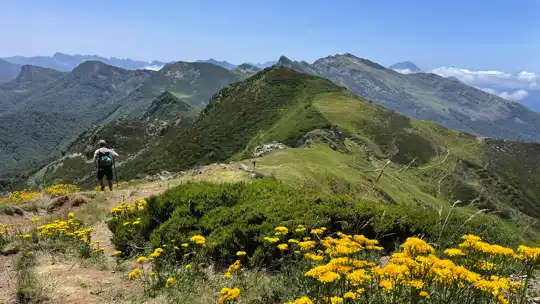
With Spain having so much to offer, I have visited it many times. Best trip was a hiking tour in the Picos de Europa in the North of Spain in July 2023.

✍️ Help improve this page!
The information on this page is based on my own backpacking experience in Spain, supplemented with up-to-date research and feedback from other travelers. Travel details can change, so if you notice anything outdated or incomplete, feel free to let me know.


🙋‍♂️ Give feedback

👋 Meet the founderWho’s Behind Take Your Backpack?

Johan, backpacker and founder of TakeYourBackpackHi, I’m Johan (Netherlands 🇳🇱), the creator of TakeYourBackpack. Over the past decade, I’ve backpacked through 80+ countries across six continents, gaining extensive experience with independent travel, long-term trips, and overland routes.

This site is built on a combination of firsthand travel experience and carefully curated insights from other backpackers. Many guides are based on places I’ve personally visited, while others bring together tips, observations, and practical advice shared by trusted travelers I’ve met along the way.

The goal is to provide realistic, experience-driven guidance — not generic itineraries — so you can explore destinations with better context, clearer expectations, and more confidence.

Get full Spain guide •
Instant download • 148 highlights • Full Offline guide