×
Málaga

Spain🇪🇸 | citiesMálagaCosta del Sol, Picasso birthplace, port promenade | things to do and best time to go

Explore MadridExplore Salamanca

Backpacking in Málaga
🌟 Highlightcity ranked #8
By Johan Kruseman 🇳🇱 | Updated October 16, 2026

Most people sell Málaga as just a beach-and-cruise port, but for a backpacker it’s quietly one of Spain’s best museum cities, with more serious art than many capitals. It sits on the Costa del Sol in southern Andalusia, a few hours from Sevilla and Granada by bus or train. You get a compact historic core (Alcazaba, Gibralfaro, the cathedral), a legit cultural hit list (Picasso Museum, CAC, Pompidou outpost), and a long, easy-access city beach. It’s cheaper and less intense than Barcelona, more lived-in and urban than nearby resort towns. Nightlife is social and late but not intimidating, and hostels make it easy to meet people. Petty theft exists but feels manageable. I go when I want Andalusian flavor with fewer logistics and less FOMO pressure.

Discover everything you want to know in the 📖 Spain Travel Guide.


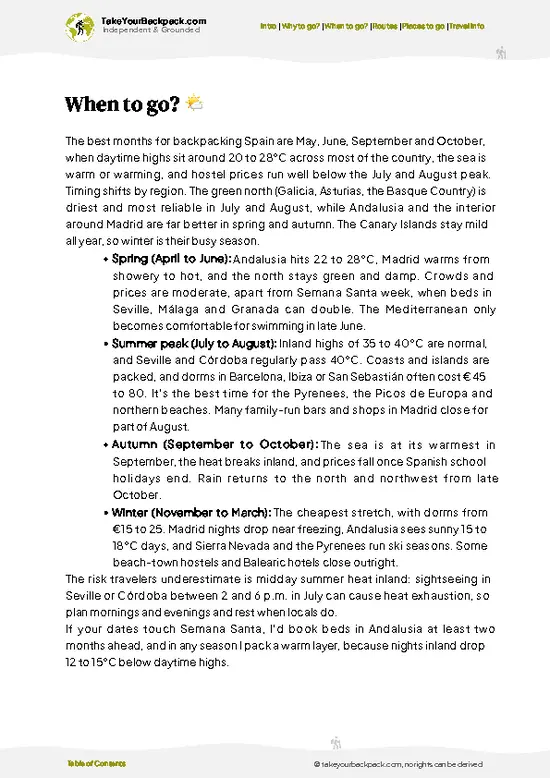
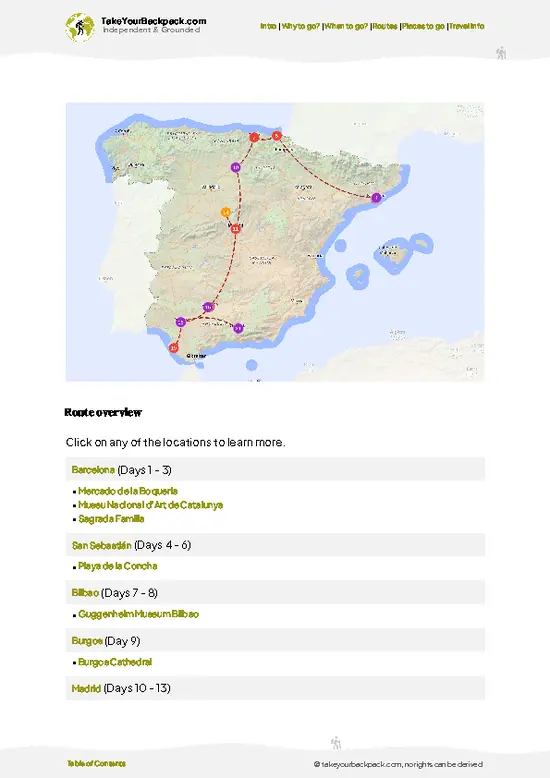
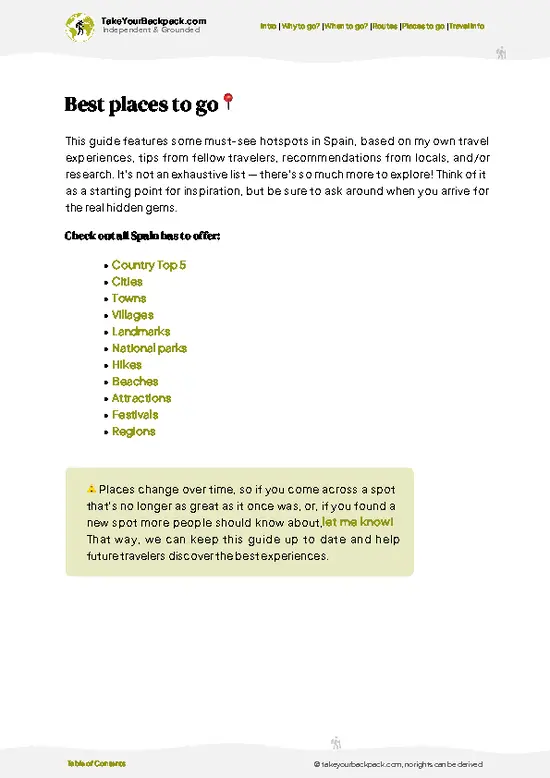
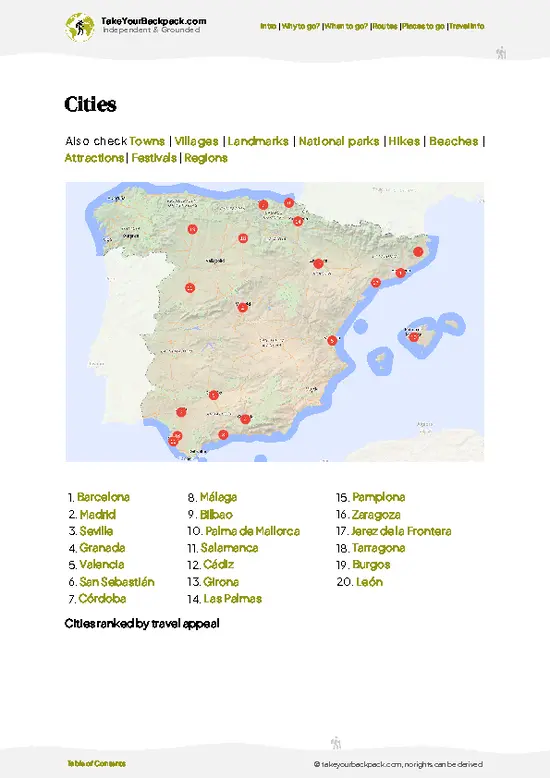
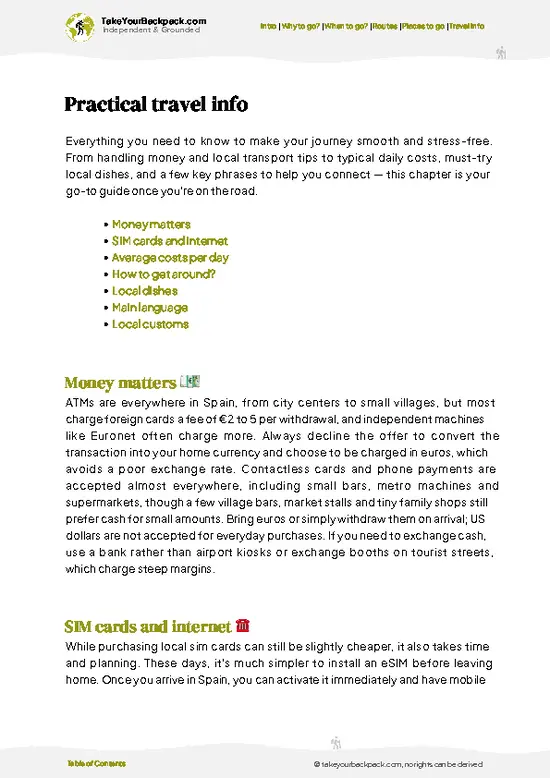
example page 0 from our offline Travel Guide for Spain
example page 1 from our offline Travel Guide for Spain
example page 2 from our offline Travel Guide for Spain
example page 3 from our offline Travel Guide for Spain
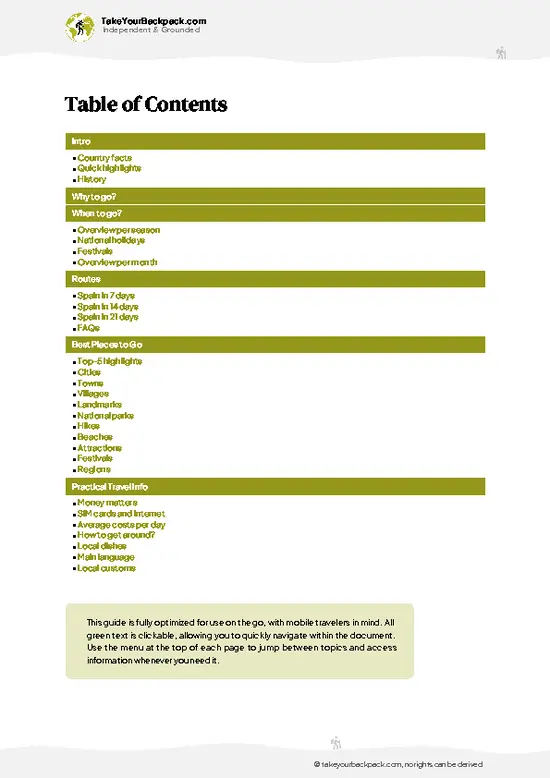
example page 4 from our offline Travel Guide for Spain
example page 5 from our offline Travel Guide for Spain
example page 6 from our offline Travel Guide for Spain
example page 7 from our offline Travel Guide for Spain
Loading the map 🌍
CLICK TO FILTER
cities
towns
villages
landmarks
national parks
hikes
beaches
attractions
festivals
regions
SHOW COUNTRY’S BESTSHOW ALL

✨ Why go?
Ranked #8 city in Spain
Why Málaga should be on your travel list

Málaga is a backpacker’s hub that strikes a balance between affordability and vibrancy. It’s not just a stopover; it’s a basecamp for exploring southern Spain. The city’s walkability makes it easy to navigate, with hostels that cater to budget travelers, offering a chance to meet fellow adventurers. You’ll find a mix of local cuisine and international fare, ensuring you can fuel up without breaking the bank.

Málaga’s nightlife is lively but not overwhelming, perfect for unwinding after a day of exploration. Plus, it’s a strategic point for day trips to nearby gems, making it a smart choice for those wanting to maximize their experience. The easy onward travel options mean you can seamlessly continue your journey, whether heading to the mountains or the coast. If you’re looking for a city … read more 👉
Málaga is a backpacker’s hub that strikes a balance between affordability and vibrancy. It’s not just a stopover; it’s a basecamp for exploring southern Spain. The city’s walkability makes it easy to navigate, with hostels that cater to budget travelers, offering a chance to meet fellow adventurers. You’ll find a mix of local cuisine and international fare, ensuring you can fuel up without breaking the bank.

Málaga’s nightlife is lively but not overwhelming, perfect for unwinding after a day of exploration. Plus, it’s a strategic point for day trips to nearby gems, making it a smart choice for those wanting to maximize their experience. The easy onward travel options mean you can seamlessly continue your journey, whether heading to the mountains or the coast. If you’re looking for a city that offers both character and convenience, Málaga is a solid pick.

💡 HighlightsTop highlights of Málaga

  1. Alcazaba — A well-preserved Moorish fortress with shaded patios, tiled details and secret gardens; wander its terraces for layered views of the city and a real sense of Málaga’s medieval past.
  2. Castillo de Gibralfaro — The hilltop castle that rewards a short climb with sweeping panoramas of the port, city and mountains; great for sunset, and you can walk between it and the Alcazaba along ancient walls.
  3. Teatro Romano (Roman Theatre) — Ruins tucked at the foot of the Alcazaba that underline Málaga’s classical roots; small on-site signs and the nearby visitor centre make the history easy to appreciate in 20-30 minutes.
  4. Málaga Cathedral (La Manquita) — A hybrid Renaissance/Baroque cathedral famous for its unfinished south tower; if the rooftop is open, take it — close-up views of rooftops,
… read more 👉
  1. Alcazaba — A well-preserved Moorish fortress with shaded patios, tiled details and secret gardens; wander its terraces for layered views of the city and a real sense of Málaga’s medieval past.
  2. Castillo de Gibralfaro — The hilltop castle that rewards a short climb with sweeping panoramas of the port, city and mountains; great for sunset, and you can walk between it and the Alcazaba along ancient walls.
  3. Teatro Romano (Roman Theatre) — Ruins tucked at the foot of the Alcazaba that underline Málaga’s classical roots; small on-site signs and the nearby visitor centre make the history easy to appreciate in 20-30 minutes.
  4. Málaga Cathedral (La Manquita) — A hybrid Renaissance/Baroque cathedral famous for its unfinished south tower; if the rooftop is open, take it — close-up views of rooftops, bell towers and the sea are worth the few euros.
  5. Museo Picasso Málaga — Picasso’s hometown museum with a strong permanent collection and rotating shows; seeing his early ties to the city in real rooms adds context you won’t get from photos alone.
  6. Mercado Central de Atarazanas — A lively 19th-century market under beautiful stained-glass windows; perfect for cheap, fresh bites, people-watching and learning local flavors (try jamón, olives and a cafelito at the bar stalls).
  7. La Malagueta & the chiringuitos — The city’s main beach with black-sand charm and seaside eateries; eating espetos (sardines grilled on a skewer) at a beach chiringuito is a cultural rite of passage.
  8. El Soho / street-art district and CAC Málaga — A gritty-creative pocket of murals, small galleries and the free-ish Contemporary Art Centre (CAC); stroll the lanes for ever-changing urban art and a genuine local vibe away from the tourist trail.
  9. Centre Pompidou Málaga (El Cubo) — The brightly coloured cube on the port that houses modern and temporary exhibitions; it’s compact, approachable and injects an international arts scene into the city’s old harbour.
  10. Jardín Botánico-Histórico La Concepción — A lush 19th-century botanical garden a short ride from the centre with subtropical species, shaded paths and a historic mansion; excellent for a peaceful, green escape and photography.
Nearby day-trip highlights include the dramatic gorge and hanging walkway of Caminito del Rey, the cliff-top town of Ronda, the Nerja Caves and the white village of Frigiliana — my personal favourite to visit from Málaga is Caminito del Rey for the sheer wow factor of walking the cliffside path.
Spotted a mistake or missing something? Contact us.

Things to do in Málaga

Ratings based on Tripadvisor reviews. When you book through this link, you support our work at no extra cost to you.

🏘️ NeighborhoodsHow different areas shape the experience

Málaga is a vibrant city that balances rich history with a laid-back coastal vibe. Here’s how its neighborhoods stack up for backpackers:

Centro Histórico: This is the heart of Málaga, where you’ll find the stunning Alcazaba and the bustling Plaza de la Constitución. It’s walkable, packed with tapas bars, and perfect for short stays. Expect higher prices, but the convenience is worth it. Nightlife is lively, yet you can find quiet corners to recharge.

La Malagueta: Close to the beach, this area offers a relaxed atmosphere. Ideal for sun-seekers, it’s slightly pricier but worth it for the sea views. Walkability is excellent, and you can easily access public transport. Great for both short and longer stays, especially if you love the beach scene.

El Palo: A bit further from the center, this … read more 👉
Málaga is a vibrant city that balances rich history with a laid-back coastal vibe. Here’s how its neighborhoods stack up for backpackers:

Centro Histórico: This is the heart of Málaga, where you’ll find the stunning Alcazaba and the bustling Plaza de la Constitución. It’s walkable, packed with tapas bars, and perfect for short stays. Expect higher prices, but the convenience is worth it. Nightlife is lively, yet you can find quiet corners to recharge.

La Malagueta: Close to the beach, this area offers a relaxed atmosphere. Ideal for sun-seekers, it’s slightly pricier but worth it for the sea views. Walkability is excellent, and you can easily access public transport. Great for both short and longer stays, especially if you love the beach scene.

El Palo: A bit further from the center, this neighborhood has a local feel with fewer tourists. It’s cheaper and offers a more authentic experience. Walkability is decent, but you might need to rely on buses for longer trips. Perfect for longer stays if you want to immerse yourself in local life.

Soho: Known as the artsy district, Soho is filled with street art and quirky cafes. It’s walkable and has a youthful vibe, making it great for nightlife. Prices are moderate, and it’s suitable for both short and extended visits, especially if you enjoy creative spaces.

⌛️ 1 dayHow to make the most of one day

Málaga, a vibrant coastal city in southern Spain, is a delightful blend of rich history, art, and sun-soaked beaches. It’s not just the birthplace of Picasso; it’s a place where ancient ruins coexist with modern tapas bars. You can easily spend a day here, soaking in the essence of Andalusian culture without feeling rushed.

Start your morning in the historic center, where the aroma of fresh churros wafts through the air. Grab breakfast at a local café, perhaps Café Central, where you can enjoy a traditional tostada with olive oil and tomato. After fueling up, stroll over to the Alcazaba, a stunning Moorish fortress that offers panoramic views of the city. The intricate architecture and lush gardens are a feast for the eyes, and you’ll feel the history seep into your bones.

In the afternoon, … read more 👉
Málaga, a vibrant coastal city in southern Spain, is a delightful blend of rich history, art, and sun-soaked beaches. It’s not just the birthplace of Picasso; it’s a place where ancient ruins coexist with modern tapas bars. You can easily spend a day here, soaking in the essence of Andalusian culture without feeling rushed.

Start your morning in the historic center, where the aroma of fresh churros wafts through the air. Grab breakfast at a local café, perhaps Café Central, where you can enjoy a traditional tostada with olive oil and tomato. After fueling up, stroll over to the Alcazaba, a stunning Moorish fortress that offers panoramic views of the city. The intricate architecture and lush gardens are a feast for the eyes, and you’ll feel the history seep into your bones.

In the afternoon, wander through the bustling streets of the Soho district, known for its street art and quirky shops. Don’t miss the Centre Pompidou Málaga, a colorful modern art museum that contrasts beautifully with the old town. For lunch, try Mercado de Atarazanas, where you can sample local seafood and fresh produce.

As the sun begins to set, head to La Malagueta beach. It’s the perfect spot to unwind with a glass of local wine while watching the waves lap against the shore. For dinner, venture to El Palo, a neighborhood often overlooked by tourists. Here, you can savor a plate of espeto (sardines skewered and grilled over open flames) at a chiringuito, feeling like a true local.

This day in Málaga is a tapestry of experiences, each thread woven with the city’s unique charm. You’ll leave not just with memories, but with a deeper appreciation for its vibrant spirit.

🌤️ When to go?Seasonal considerations and timing

  • Weather: Málaga enjoys a Mediterranean climate, meaning mild winters and hot summers. From November to February, expect temperatures around 12-17°C (54-63°F), perfect for avoiding heat but potentially rainy. June to September can soar to 30-35°C (86-95°F), which is great if you love sun but tough for long hikes or city wandering.
  • Daylight Hours: In summer, daylight stretches to about 14 hours, giving you more time to explore. Winter days shrink to roughly 10 hours, which limits sightseeing but offers cozy evenings.
  • Crowds: Peak tourist season hits July and August, swelling the city with beachgoers and driving prices up. Shoulder seasons—April to June and September to October—offer fewer crowds and a more relaxed vibe.
  • Seasonal Activities: Spring and early autumn bring festivals like Feria
… read more 👉
  • Weather: Málaga enjoys a Mediterranean climate, meaning mild winters and hot summers. From November to February, expect temperatures around 12-17°C (54-63°F), perfect for avoiding heat but potentially rainy. June to September can soar to 30-35°C (86-95°F), which is great if you love sun but tough for long hikes or city wandering.
  • Daylight Hours: In summer, daylight stretches to about 14 hours, giving you more time to explore. Winter days shrink to roughly 10 hours, which limits sightseeing but offers cozy evenings.
  • Crowds: Peak tourist season hits July and August, swelling the city with beachgoers and driving prices up. Shoulder seasons—April to June and September to October—offer fewer crowds and a more relaxed vibe.
  • Seasonal Activities: Spring and early autumn bring festivals like Feria de Málaga and Semana Santa, which add cultural depth but also attract visitors. Winter is quieter, ideal if you want to experience local life without the tourist buzz.
  • Price Fluctuations: Accommodation and flights spike in summer and during major festivals. Booking in shoulder seasons can save you 20-40%, letting you stretch your budget without sacrificing experience.
Pro-tip: Aim for late spring or early autumn—this sweet spot balances pleasant weather, manageable crowds, and better prices, turning Málaga into a playground you can actually enjoy rather than endure.


source: climatestotravel.comJANJanuary: good for travelingFEBFebruary: good for travelingMARMarch: highly recommended for travelingAPRApril: highly recommended for travelingMAYMay: excellent for travelingJUNJune: highly recommended for travelingJULJuly: fair for travelingAUGAugust: fair for travelingSEPSeptember: highly recommended for travelingOCTOctober: highly recommended for travelingNOVNovember: good for travelingDECDecember: good for traveling
Spain - Málaga

✈️ The backpacker research shortcutSpain Travel Guide

An offline-friendly backpacking guide with optimized travel routes, ranked highlights, transport advice, and the best areas to stay.
example page 0 from our offline Travel Guide for Spain
example page 1 from our offline Travel Guide for Spain
example page 2 from our offline Travel Guide for Spain
example page 3 from our offline Travel Guide for Spain
example page 4 from our offline Travel Guide for Spain
example page 5 from our offline Travel Guide for Spain
example page 6 from our offline Travel Guide for Spain
example page 7 from our offline Travel Guide for Spain
The digital guide (543 pages) contains:
✅ 147 highlights, ranked by travel appeal
✅ Optimized 7, 14 & 21-day travel routes
✅ Cities, national parks, landmarks, beaches
✅ How to get around
✅ Offline-friendly for travel without Wi-Fi
👉 Click to see all 30+ guide features

📅 Plan smarter in minutes, not weeks
✅ Month by month travel advice
✅ Festivals & national holidays
✅ Budget expectations

🗺️ Go to the right places, skip the overrated ones
✅ Honest pros & cons of destinations
✅ Top hikes, parks & viewpoints
✅ Lesser-known places most travelers miss
✅ Clear “worth it vs skip it” guidance

🛏️ Travel smoothly without rookie mistakes
✅ Best areas to stay
✅ Transport systems explained simply
✅ Common scams & safety advice
✅ SIM cards, money & practical tips

🌍 Understand the country, not just visit it
✅ Culture & traditions
✅ 52 Essential phrases & customs
✅ Festivals worth planning around
✅ Traveler-friendly historical context
✅ Insights that make places more meaningful

📱 Built for real travel conditions
✅ Fully downloadable PDF
✅ Works completely offline
✅ Optimized for phone use
✅ Useful in remote areas & buses
✅ Everything in one place
Stop searching, start planning
Get instant access to your full guide. 30‑day money-back guarantee.
+ Add another guide for just

By proceeding you agree to our terms.
Sent to your inbox immediately after payment • 100% Secure Checkout
Best Backpacking Travel Advisor 2025 tourism awardBest Backpacking
Travel Advisor
2025
What others say about Take Your Backpack Guides:
⭐⭐⭐⭐⭐
Fantastic, amazing amount of information!
⭐⭐⭐⭐⭐
My goodness this is amazing, it's what I've been looking for hats off too you!
⭐⭐⭐⭐⭐
I think this is absolutely BRILLIANT
⭐⭐⭐⭐
Very complete and informative. It's still missing places, but I gotta to commend you
⭐⭐⭐⭐⭐
This is truly amazing, thank you, can't wait to explore it with my kids!
⭐⭐⭐⭐⭐
Awesome resource, thank you!
⭐⭐⭐⭐⭐
This is amazing! Can't wait to explore the ones I haven't seen
⭐⭐⭐⭐
I love this! Well done, great idea.
⭐⭐⭐⭐⭐
Thanks for taking the time to make this gem!
⭐⭐⭐⭐⭐
This might be the best website I've ever seen.
⭐⭐⭐⭐⭐
Congratulations, and thank you so much for your work; it's incredibly valuable.
⭐⭐⭐⭐
In all seriousness I think you did a great job pointing out the important spots
⭐⭐⭐⭐⭐
10/10 very good
⭐⭐⭐⭐⭐
As someone who's only just starting to visit regularly this is awesome, thank you.
⭐⭐⭐⭐
Thank you very much! I'm going to visit my dad, it's going to be very useful!
⭐⭐⭐⭐⭐
This is really cool! We'll be travelling for the first time and this definitely come in handy.
⭐⭐⭐⭐⭐
You are now our minister of culture, congratulations 👨‍💼
⭐⭐⭐⭐⭐
Just wanted to tell you that this is a pearl! Going to follow your recommendations.
⭐⭐⭐⭐⭐
This is so cool. I'll definitely be using the resource for my travels soon.
⭐⭐⭐⭐⭐
This is very impressive! Good work.
⭐⭐⭐⭐⭐
This is an amazing and informative site. Very well done!

🛏️ Where to stay?How to pick the right area

Centro Histórico is the undeniable hub for backpackers in Málaga. It’s where you get the perfect balance of social buzz and budget options without sacrificing safety. The narrow streets are alive with tapas bars, plazas, and a steady flow of fellow travelers, making it easy to strike up conversations. Hostels here cater to solo backpackers and groups alike, offering communal spaces that encourage mingling. Staying here means you’re a short walk from major sights like the Alcazaba and the Picasso Museum, so you save time and transport costs—big wins when you want to maximize your experience without … read more 👉
Centro Histórico is the undeniable hub for backpackers in Málaga. It’s where you get the perfect balance of social buzz and budget options without sacrificing safety. The narrow streets are alive with tapas bars, plazas, and a steady flow of fellow travelers, making it easy to strike up conversations. Hostels here cater to solo backpackers and groups alike, offering communal spaces that encourage mingling. Staying here means you’re a short walk from major sights like the Alcazaba and the Picasso Museum, so you save time and transport costs—big wins when you want to maximize your experience without splurging.

If you want a bit more chill but still crave a social scene, La Malagueta offers a beachside vibe with hostels near the sand. It’s quieter at night than Centro Histórico but still safe and friendly, perfect if you want to mix downtime with social opportunities. The trade-off here is a slightly longer walk to the city center, but you gain comfort in fresh sea air and easy beach access.

Avoid the outskirts unless you have a car or don’t mind long commutes. They’re cheaper but cost you time and social energy, which are the real currencies for backpackers in Málaga.

🚌 Getting aroundHow to get around Málaga

Málaga moves with a rhythm that’s part Mediterranean ease, part urban pulse. It’s not a city where you’ll find everything locked into a Swiss-watch schedule, but it’s also not a free-for-all. Think of it as a dance between the laid-back stroll and the sharp, efficient strike of a well-timed bus or train. You’ll feel the city’s flow in the way locals balance siesta hours with bustling markets and evening tapas runs. Your transit choices here are a game of balancing time, money, and comfort—each move revealing what you’re willing to trade for the experience you want.
  • Walking: Málaga’s compact center is a playground for pedestrians. No cost, full control over your pace, and the best way to soak in the city’s character. Expect to cover most key sights within 30-45 minutes on foot, but be ready
… read more 👉
Málaga moves with a rhythm that’s part Mediterranean ease, part urban pulse. It’s not a city where you’ll find everything locked into a Swiss-watch schedule, but it’s also not a free-for-all. Think of it as a dance between the laid-back stroll and the sharp, efficient strike of a well-timed bus or train. You’ll feel the city’s flow in the way locals balance siesta hours with bustling markets and evening tapas runs. Your transit choices here are a game of balancing time, money, and comfort—each move revealing what you’re willing to trade for the experience you want.
  • Walking: Málaga’s compact center is a playground for pedestrians. No cost, full control over your pace, and the best way to soak in the city’s character. Expect to cover most key sights within 30-45 minutes on foot, but be ready for some uphill stretches if you’re heading toward the Alcazaba or Gibralfaro Castle.
  • City Buses: Operated by EMT Málaga, these run roughly from 6:30 AM to 11:00 PM. Tickets cost about €1.30 per ride, or you can grab a multi-ride card for better value. Buses are reliable but can slow down during rush hours. They’re a solid budget option if you want to cover longer distances without breaking the bank, though comfort is basic and seats aren’t guaranteed.
  • Cercanías Trains: The local commuter trains connect Málaga with nearby towns like Torremolinos and Fuengirola. Trains run every 20-30 minutes from early morning until around midnight. Tickets start at €1.80, making it a fast, affordable way to escape the city or reach the airport. Trains are more comfortable than buses, with air conditioning and guaranteed seating during off-peak times.
  • Bicycle Rentals: Málaga has been investing in bike lanes, especially along the waterfront. Renting a bike costs around €10-15 per day. This option offers a sweet spot between speed and freedom, letting you cover more ground than walking but still enjoy the open air and city sights at your own pace. It’s a bit more physically demanding but highly rewarding if you’re up for it.
  • Taxi and Ride-Sharing: Taxis start at about €3.50, with fares increasing by distance and time. Ride-sharing apps like Uber are available but less common than in bigger cities. This is your comfort and time-saving option, especially late at night or when you’re hauling gear, but it comes at a premium compared to public transit.

👛 Costs (as of 16 October 2026)Travel costs and budget guide for Málaga

Backpacking in Málaga, Spain, comes with a clear set of trade-offs between time, money, and comfort, and knowing the daily costs helps you play that system smartly.
  • Dorm Accommodation (High Season): Expect to pay around €20 to €30 per night for a bed in a shared dorm during peak months like summer. These hostels fill up fast, so prices reflect demand and proximity to the beach or city center.
  • Dorm Accommodation (Off-Season): Drop to about €12 to €18 per night when the crowds thin out. You’ll find quieter hostels with the same basic amenities, giving you a chance to stretch your budget or upgrade your comfort.
  • Meals: Budget around €10 to €15 daily if you stick to local tapas bars, bakeries, or markets. A simple breakfast and a couple of tapas plates with a drink can keep you fueled without
… read more 👉
Backpacking in Málaga, Spain, comes with a clear set of trade-offs between time, money, and comfort, and knowing the daily costs helps you play that system smartly.
  • Dorm Accommodation (High Season): Expect to pay around €20 to €30 per night for a bed in a shared dorm during peak months like summer. These hostels fill up fast, so prices reflect demand and proximity to the beach or city center.
  • Dorm Accommodation (Off-Season): Drop to about €12 to €18 per night when the crowds thin out. You’ll find quieter hostels with the same basic amenities, giving you a chance to stretch your budget or upgrade your comfort.
  • Meals: Budget around €10 to €15 daily if you stick to local tapas bars, bakeries, or markets. A simple breakfast and a couple of tapas plates with a drink can keep you fueled without breaking the bank. Splurge meals at sit-down restaurants will push this higher.
  • Local Transport: Single bus or metro rides cost about €1.30 each. Málaga’s compact size means you can often walk, but if you’re hopping around, these fares add up.
  • City Transport Pass: A 10-trip ticket costs roughly €8.50, which is a smart buy if you plan multiple rides in a day or two. It’s a clear win for saving both time and money versus single fares.
  • Basic Activities/Entry Fees: Museums and attractions generally charge between €3 and €10. For example, the Picasso Museum is around €8. Some sites offer free entry on certain days, so timing your visits can save you a few euros.
  • Miscellaneous Expenses: Budget €5 to €10 for extras like bottled water, snacks, or a coffee. Málaga’s street vendors and small shops keep these costs reasonable, but they add up if you’re not careful.

All told, a realistic daily budget for backpacking in Málaga ranges from about €40 on the lean side to €70 if you lean into a bit more comfort or activity. This range lets you decide where to tighten or loosen the purse strings, balancing the trade-offs between saving time, spending money, or upgrading comfort.
⚠️ Prices can change and everyone travels differently, so take this as a rough guide. Hope it helps you plan your adventure!

🚌 Day tripsEasy escapes and nearby places

Málaga is a fantastic launchpad for day trips that pack a punch without draining your wallet or energy. Here are some top choices that balance time, money, and comfort.

Ronda
Just a couple of hours from Málaga, Ronda is a dramatic town perched on a cliff, famous for its breathtaking gorge and the iconic Puente Nuevo bridge. The views are jaw-dropping, and wandering through the old town feels like stepping back in time. You can easily spend a day exploring its historic sites and local tapas bars. Budget around €15 for the train and another €20 for food and drinks. Spring and fall are ideal for pleasant weather and fewer crowds. A common mistake? Underestimating the time needed to hike down to the gorge and back up—plan accordingly!
👉 Explore Ronda

Nerja
Nerja, about an hour’s bus ride … read more 👉
Málaga is a fantastic launchpad for day trips that pack a punch without draining your wallet or energy. Here are some top choices that balance time, money, and comfort.

Ronda
Just a couple of hours from Málaga, Ronda is a dramatic town perched on a cliff, famous for its breathtaking gorge and the iconic Puente Nuevo bridge. The views are jaw-dropping, and wandering through the old town feels like stepping back in time. You can easily spend a day exploring its historic sites and local tapas bars. Budget around €15 for the train and another €20 for food and drinks. Spring and fall are ideal for pleasant weather and fewer crowds. A common mistake? Underestimating the time needed to hike down to the gorge and back up—plan accordingly!
👉 Explore Ronda

Nerja
Nerja, about an hour’s bus ride from Málaga, offers stunning beaches and the famous Caves of Nerja. The caves are a must-see, with impressive stalactites and stalagmites that will leave you in awe. After exploring, hit the beach for some sun and a dip in the Mediterranean. Expect to spend around €10 on the bus and €12 for cave entry. Late spring is perfect for warm weather without the summer throngs. Many first-timers miss the charming Balcón de Europa viewpoint—don’t skip it!


Granada
Granada is a bit further at about 1.5 hours by bus, but the Alhambra palace is worth every minute. This UNESCO World Heritage site is a stunning example of Moorish architecture and offers gardens that are a feast for the senses. Entry can be pricey at around €14, but it’s a splurge that pays off. Aim for a weekday visit in the shoulder seasons to avoid the rush. A common pitfall? Not booking your Alhambra tickets in advance—these can sell out fast!
👉 Explore Granada

Mijas
Mijas, a charming white-washed village just 30 minutes from Málaga, is perfect for a quick escape. Stroll through its narrow streets, enjoy local crafts, and take in the coastal views. The bus fare is around €5, and you can easily enjoy a meal for under €15. Spring and early fall are ideal for comfortable temperatures. Many backpackers overlook the scenic walking paths around Mijas—don’t miss the chance to explore!

🍲 FoodEating & Drinking in Málaga

In Málaga, food is a celebration, and you’re in for a treat. Start with espeto de sardinas, where fresh sardines are skewered and grilled over open flames. The smoky aroma wafts through the air, drawing you to the beachside chiringuitos.

Don’t miss tapas; they’re not just food but a way of life. You’ll find locals enjoying small plates of patatas bravas or jamón ibérico at bustling markets and casual bars. Grab a seat at the bar, and don’t hesitate to chat with the bartender about the day’s specials.

When it comes to drinks, vino de Málaga is a must-try. This sweet wine pairs perfectly with the salty sea breeze. You’ll often see locals sipping it in the late afternoon sun, a ritual that invites you to slow down and savor the moment.

Etiquette here is relaxed; share plates, and don’t … read more 👉
In Málaga, food is a celebration, and you’re in for a treat. Start with espeto de sardinas, where fresh sardines are skewered and grilled over open flames. The smoky aroma wafts through the air, drawing you to the beachside chiringuitos.

Don’t miss tapas; they’re not just food but a way of life. You’ll find locals enjoying small plates of patatas bravas or jamón ibérico at bustling markets and casual bars. Grab a seat at the bar, and don’t hesitate to chat with the bartender about the day’s specials.

When it comes to drinks, vino de Málaga is a must-try. This sweet wine pairs perfectly with the salty sea breeze. You’ll often see locals sipping it in the late afternoon sun, a ritual that invites you to slow down and savor the moment.

Etiquette here is relaxed; share plates, and don’t rush. Enjoy the vibrant atmosphere, where every bite and sip tells a story of this coastal city.

🛡️ SafetyScams, Hazards, and Annoyances

Málaga is generally safe, but like any city, it has its quirks. Stay alert in crowded areas like the Mercado Central de Atarazanas, where pickpockets might lurk. If you’re solo, avoid dimly lit streets after dark; stick to well-populated areas.

Scams are rare, but be cautious of overly friendly strangers offering unsolicited help or trying to sell you something. A common annoyance is the occasional street performer who can be persistent; a polite “no, gracias” usually does the trick.

Carry your belongings close and maintain a confident posture. Trust your instincts; if something feels off, it probably is. By staying aware and grounded, you’ll navigate Málaga with ease and enjoy its vibrant atmosphere.

FAQCommon questions from travelers

3 to 4 days are sufficient to explore Málaga's main attractions, including the Alcazaba, Picasso Museum, and beaches. This allows time for day trips to nearby towns like Nerja or Ronda. Longer stays are recommended if you want to explore the Costa del Sol region more thoroughly.
Yes, Málaga is generally safe for solo backpackers, especially in well-populated tourist areas and during the day. Standard precautions like avoiding poorly lit streets at night and keeping valuables secure apply. Petty theft can occur, so stay vigilant in crowded places.
Málaga is known for its rich history, vibrant art scene, and Mediterranean beaches. It is the birthplace of Pablo Picasso and hosts the Picasso Museum. The city also features the historic Alcazaba fortress and a lively port area with tapas bars.
⚠️ Things can change over time, so always validate details locally before you go.

Other Spanish cities near Málaga

Explore more nearby:

  • Granada—Alhambra palace, Albaicín district, Sierra Nevada views| 89 km away
  • Córdoba—Mezquita mosque, Roman bridge, Andalusian patios| 134 km away
  • Jerez de la Frontera—sherry bodegas, equestrian shows, Andalusian plazas| 152 km away

💡 Not sure where to go next?
Create a personalized itinerary for Spain including Málaga and the places that fit your trip.

Generate my itinerary

👉 Discover all cities

Or checkout all Spain has to offer (think cities, towns, villages, national parks, hikes, beaches, festivals)
Country photo of Spain

We 💚 feedbackWhat to keep in mind

Málaga’s vibrant food scene is a game-changer. Tapas bars spill into the streets, and the local seafood is fresh enough to make you rethink your dinner plans. But, be ready for the crowds, especially in summer. It can feel like a bustling market at times, which might test your patience. Embrace the chaos; it’s part of the city’s charm. Just know when to seek quieter corners for a breather.

✈️ When did I visit Spain?
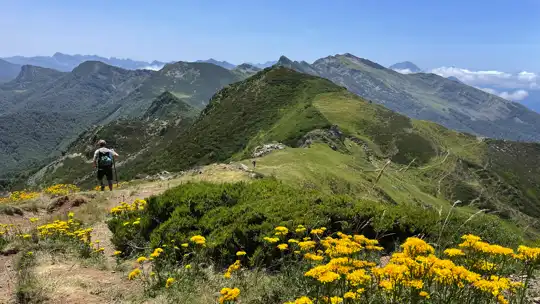
With Spain having so much to offer, I have visited it many times. Best trip was a hiking tour in the Picos de Europa in the North of Spain in July 2023.

✍️ Help improve this page!
The information on this page is based on my own backpacking experience in Spain, supplemented with up-to-date research and feedback from other travelers. Travel details can change, so if you notice anything outdated or incomplete, feel free to let me know.


🙋‍♂️ Give feedback

👋 Meet the founderWho’s Behind Take Your Backpack?

Johan, backpacker and founder of TakeYourBackpackHi, I’m Johan (Netherlands 🇳🇱), the creator of TakeYourBackpack. Over the past 3 decades, I’ve backpacked through 90+ countries across six continents, gaining extensive experience with independent travel, long-term trips, and overland routes.

This site is built on a combination of firsthand travel experience and carefully curated insights from other backpackers. Many guides are based on places I’ve personally visited, while others bring together tips, observations, and practical advice shared by trusted travelers I’ve met along the way.

The goal is to provide realistic, experience-driven guidance — not generic itineraries — so you can explore destinations with better context, clearer expectations, and more confidence.