×

Spain🇪🇸 | regionsGran CanariaCentral highlands, colonial towns, diverse microclimates | things to do and best time to go

Explore AlpujarrasExplore Tenerife

Backpacking in Gran Canaria
🌟 Highlightregion ranked #6
By Johan Kruseman 🇳🇱 | Updated October 15, 2026

Picture this: You’ve got three days on Gran Canaria, and you’re staring at the bus schedule, weighing whether to splurge on a rental car or stick to public transport. This is the classic island trade-off—save euros and lose hours, or pay up and unlock the wild corners most tourists never see. Gran Canaria sits in the Atlantic, off the northwest coast of Africa, but it’s Spanish through and through—one of the Canary Islands, with a climate that’s basically spring on repeat.

For backpackers, Gran Canaria is a choose-your-own-adventure playground. The volcanic interior is a maze of hiking trails and pine forests, while the coast flips between party beaches and sleepy fishing villages. Las Palmas has real city energy—tapas, surf, and a dash of grit—while Tejeda feels like you’ve wandered into a postcard. It’s cheaper than mainland Spain’s hotspots, but buses can be slow and don’t always reach the best trailheads. The south is built for package tourists, but head inland or west and you’ll find authenticity, dramatic ravines, and locals who’ll actually chat. Compared to Tenerife or Lanzarote, Gran Canaria feels more varied, less showy, and—if you play your cards right—a lot more personal.

Discover everything you want to know in the 📖 Spain Travel Guide.


example page 0 from our offline Travel Guide for Spain
example page 1 from our offline Travel Guide for Spain
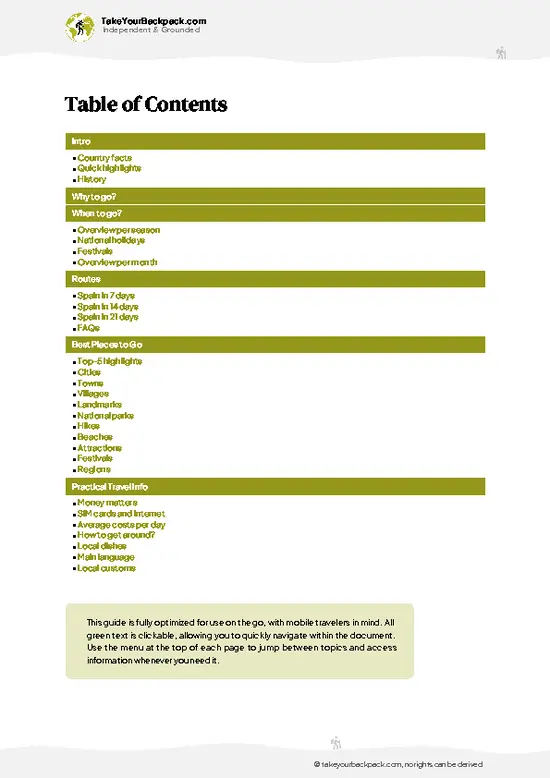
example page 2 from our offline Travel Guide for Spain
example page 3 from our offline Travel Guide for Spain
example page 4 from our offline Travel Guide for Spain
example page 5 from our offline Travel Guide for Spain
example page 6 from our offline Travel Guide for Spain
example page 7 from our offline Travel Guide for Spain
Loading the map 🌍
CLICK TO FILTER
cities
towns
villages
landmarks
national parks
hikes
beaches
attractions
festivals
regions
SHOW COUNTRY’S BESTSHOW ALL

✨ Why go?
Ranked #6 region in Spain
What sets this place apart

Gran Canaria is a rare spot where you can stretch your legs without stretching your schedule thin. The island’s compact size means you’re never stuck in transit for hours—an absolute win when every minute counts. You get a diverse landscape packed into one place: from volcanic craters and golden dunes to pine forests and rugged cliffs. This variety lets you switch gears between beach days and mountain hikes without packing up and moving towns constantly.

Here’s the insider angle: the island’s public transport network is surprisingly solid for a place this size. Buses run frequently and connect major spots, so you can ditch the rental car if you want to save cash and hassle. That flexibility means you can slow down and savor each experience—whether it’s wandering through the old quarter of … read more 👉
Gran Canaria is a rare spot where you can stretch your legs without stretching your schedule thin. The island’s compact size means you’re never stuck in transit for hours—an absolute win when every minute counts. You get a diverse landscape packed into one place: from volcanic craters and golden dunes to pine forests and rugged cliffs. This variety lets you switch gears between beach days and mountain hikes without packing up and moving towns constantly.

Here’s the insider angle: the island’s public transport network is surprisingly solid for a place this size. Buses run frequently and connect major spots, so you can ditch the rental car if you want to save cash and hassle. That flexibility means you can slow down and savor each experience—whether it’s wandering through the old quarter of Las Palmas or catching sunset views from Roque Nublo—without feeling rushed.

Gran Canaria nails the sweet spot between nature and culture. You’re not just ticking off sights; you’re soaking in local life, tasting authentic Canarian food, and blending into the rhythm of the island. For backpackers who want to maximize value without sacrificing comfort or time, this place is a strategic choice.

💡 HighlightsThe experiences that define the visit

Roque Nublo
This is Gran Canaria’s stone crown—an ancient volcanic plug that’s both a spiritual symbol and a hiker’s rite of passage. The trail isn’t long, but the payoff is wild: 360-degree views that make you feel like you’ve climbed onto the island’s very spine. Go for sunset if you want the clouds to light up like embers. It’s not just a photo op; it’s a pilgrimage.

Teror’s Sunday Market
Skip the touristy stalls in Las Palmas and head to Teror’s old town on a Sunday morning. The basilica’s blue-and-white tiles set the scene, but the real draw is the market: local cheeses, chorizo de Teror (spreadable, spicy, addictive), and gossiping grandmas. It’s the kind of place where you’ll accidentally buy a kilo of olives and not regret it.

Pico de las Nieves
The highest point on the island, and … read more 👉
Roque Nublo
This is Gran Canaria’s stone crown—an ancient volcanic plug that’s both a spiritual symbol and a hiker’s rite of passage. The trail isn’t long, but the payoff is wild: 360-degree views that make you feel like you’ve climbed onto the island’s very spine. Go for sunset if you want the clouds to light up like embers. It’s not just a photo op; it’s a pilgrimage.

Teror’s Sunday Market
Skip the touristy stalls in Las Palmas and head to Teror’s old town on a Sunday morning. The basilica’s blue-and-white tiles set the scene, but the real draw is the market: local cheeses, chorizo de Teror (spreadable, spicy, addictive), and gossiping grandmas. It’s the kind of place where you’ll accidentally buy a kilo of olives and not regret it.

Pico de las Nieves
The highest point on the island, and the only place where you can see the entire caldera laid out like a map. On a clear day, Tenerife’s Teide floats on the horizon. Drive up at dawn for empty roads and a sunrise that’ll make you forget you woke up at 5 a.m.

Puerto de Mogán
Yes, it’s pretty, but it’s not just for Instagram. The canals, bougainvillea, and painted boats are real, and the Friday market is a riot of color and sound. Grab a barraquito (Canarian coffee with layers) and watch the fishermen mend their nets. It’s touristy, but it’s got soul.

Artenara Cave Houses(Hidden Gem)
People have lived in these caves for centuries, and a few families still do. You can tour a traditional cave home, then eat at a cave restaurant with views over the pine forests. It’s cool in summer, cozy in winter, and feels like you’ve time-traveled.

Guayadeque Ravine(Hidden Gem & Personal Favorite)
This deep, green gorge is where the island’s aboriginal past lingers. There are cave chapels, troglodyte bars, and a silence that’s rare on the coast. Order goat stew and local wine at Tagoror, a restaurant carved into the rock. You’ll leave with red dust on your boots and a grin.

Las Canteras Beach
Urban beaches are usually a compromise. Not here. Locals swim before work, surfers ride the reef, and the promenade is pure people-watching gold. Rent a mask and snorkel—the natural lava barrier keeps the water calm and full of fish.

Agaete Valley(Hidden Gem)
This lush valley is where Gran Canaria grows its coffee—one of the few places in Europe that does. Hike among mango trees, visit a finca for a coffee tasting, and finish with a swim in the natural pools at Puerto de las Nieves. It’s the island’s green heart, and most tourists never see it.

Vegueta, Las Palmas
The old quarter is all cobbles, courtyards, and centuries-old stone. Christopher Columbus slept here (allegedly), but the real draw is the tapas crawl: papas arrugadas, salty cheese, and local wine in candlelit bars. Go on a Thursday night for the Ruta de Tapas—locals only, and the energy is contagious.

Caldera de Bandama
A volcanic crater you can actually hike into. The descent is steep, but inside it’s another world: wild fennel, fig trees, and the ruins of an old farmhouse. Climb back up and reward yourself with a glass of local malvasía wine at the nearby bodega.
Spotted a mistake or missing something? Contact us.

Things to do around Gran Canaria

Ratings based on Tripadvisor reviews. When you book through this link, you support our work at no extra cost to you.

⌛️ 5 daysWhat you can realistically do in a week

Day 1: Las Palmas: Start your Gran Canaria journey in Las Palmas, the island’s bustling capital. It’s the natural hub because the airport and main bus station converge here, making it your logistical anchor. Spend the day soaking in the city’s layered history and beach vibes—this is your comfort zone before the island’s rugged interior demands more grit. The bus network here is dense and frequent, so you’re not locked into a car rental yet.

Day 2: Roque Nublo & Tejeda: Shift gears inland to the island’s spine, where the dramatic volcanic landscapes define Gran Canaria’s character. Public buses run less often here, so timing is everything. Start early to catch the morning bus to Tejeda, then hike to Roque Nublo. This phase trades some comfort for time and money—buses are slower but cheap, … read more 👉
Day 1: Las Palmas: Start your Gran Canaria journey in Las Palmas, the island’s bustling capital. It’s the natural hub because the airport and main bus station converge here, making it your logistical anchor. Spend the day soaking in the city’s layered history and beach vibes—this is your comfort zone before the island’s rugged interior demands more grit. The bus network here is dense and frequent, so you’re not locked into a car rental yet.

Day 2: Roque Nublo & Tejeda: Shift gears inland to the island’s spine, where the dramatic volcanic landscapes define Gran Canaria’s character. Public buses run less often here, so timing is everything. Start early to catch the morning bus to Tejeda, then hike to Roque Nublo. This phase trades some comfort for time and money—buses are slower but cheap, and the hike demands energy. The payoff is the raw, almost lunar terrain that’s the island’s signature.

Day 3: Agaete & The West Coast: Head west to Agaete, a fishing village with a slower pace and a ferry connection to Tenerife. This leg is about unwinding and savoring local flavors. The bus ride is longer, so bring snacks and patience. The wiring here is looser; buses run less frequently, so plan to linger.

Day 4: Maspalomas Dunes: Move south to Maspalomas, where the island’s desert-like dunes meet the Atlantic. This is the comfort zone again, but with a twist: the bus system is more tourist-friendly here, so you can afford to relax and explore without rushing. The dunes are a must-see, but the real insider tip is the nearby La Charca lagoon for birdwatching away from the crowds.

Day 5: Off-Path Reward - Fataga Village: Before you wrap up, detour to Fataga, a small village tucked into a ravine. It’s a short bus ride from Maspalomas but feels worlds away from the tourist trail. The village’s old stone houses and quiet streets offer a genuine slice of island life. This detour costs you a bit of time but adds a rich layer of authenticity that justifies the trade-off.

Must-Do Day: Day 2, Roque Nublo & Tejeda. This day is the spine of the trip—where the island’s raw geology and local culture collide. It’s the one experience that makes all the bus rides and early mornings worth it.

🌤️ When to go?Seasonal considerations and timing

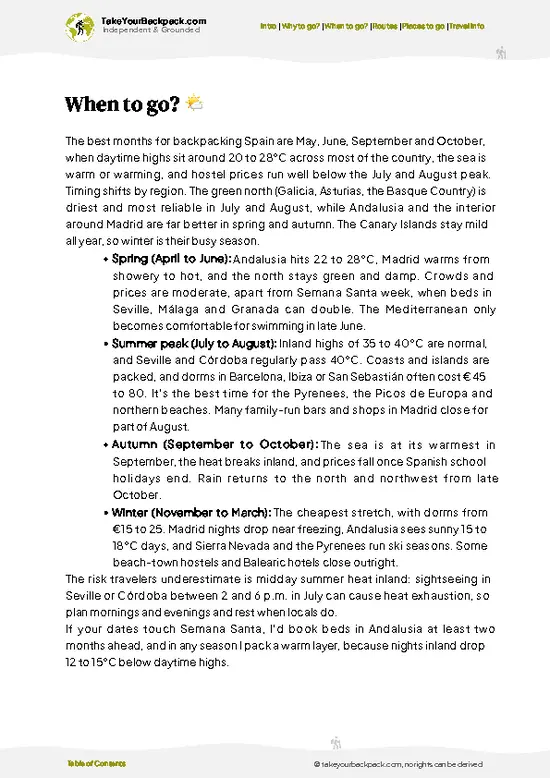
  • Weather: Gran Canaria enjoys mild weather year-round, but the sweet spot is from March to May and September to November. Expect temperatures around 20-25°C (68-77°F), perfect for hiking without sweating buckets or freezing your toes off.
  • Temperature: Summer months (June to August) can hit 28-30°C (82-86°F), which might fry your energy on the trails. Winter (December to February) dips to a comfy 18-22°C (64-72°F), still warm enough for beach breaks but cooler for trekking.
  • Daylight Hours: Peak daylight stretches from May through August, offering up to 14 hours of sun. In contrast, December and January see closer to 10 hours, meaning shorter days to squeeze in your adventures.
  • Crowds: The island fills up during summer holidays and around Christmas/New Year. If you want trails and beaches
… read more 👉
  • Weather: Gran Canaria enjoys mild weather year-round, but the sweet spot is from March to May and September to November. Expect temperatures around 20-25°C (68-77°F), perfect for hiking without sweating buckets or freezing your toes off.
  • Temperature: Summer months (June to August) can hit 28-30°C (82-86°F), which might fry your energy on the trails. Winter (December to February) dips to a comfy 18-22°C (64-72°F), still warm enough for beach breaks but cooler for trekking.
  • Daylight Hours: Peak daylight stretches from May through August, offering up to 14 hours of sun. In contrast, December and January see closer to 10 hours, meaning shorter days to squeeze in your adventures.
  • Crowds: The island fills up during summer holidays and around Christmas/New Year. If you want trails and beaches to yourself, aim for shoulder seasons like April-May or late September-October when locals are around but tourists are scarce.
  • Seasonal Activities: Spring and autumn bring local festivals and outdoor markets, adding flavor to your trip without the tourist crush. Winter hosts whale watching season offshore, a unique bonus if you time it right.
  • Price Fluctuations: Expect peak prices from July to August and mid-December to early January. Booking in shoulder seasons can save you a solid chunk of cash on accommodation and flights, letting you splurge on experiences instead.
Pro-tip: Book your trip for late April or early October to snag the perfect blend of weather, fewer crowds, and wallet-friendly prices—Gran Canaria feels like your private playground then.


source: climatestotravel.comJANJanuary: good for travelingFEBFebruary: good for travelingMARMarch: highly recommended for travelingAPRApril: excellent for travelingMAYMay: excellent for travelingJUNJune: good for travelingJULJuly: fair for travelingAUGAugust: fair for travelingSEPSeptember: highly recommended for travelingOCTOctober: excellent for travelingNOVNovember: highly recommended for travelingDECDecember: fair for traveling
when-to-go

✈️ The backpacker research shortcutSpain Travel Guide

An offline-friendly backpacking guide with optimized travel routes, ranked highlights, transport advice, and the best areas to stay.
example page 0 from our offline Travel Guide for Spain
example page 1 from our offline Travel Guide for Spain
example page 2 from our offline Travel Guide for Spain
example page 3 from our offline Travel Guide for Spain
example page 4 from our offline Travel Guide for Spain
example page 5 from our offline Travel Guide for Spain
example page 6 from our offline Travel Guide for Spain
example page 7 from our offline Travel Guide for Spain
The digital guide (543 pages) contains:
✅ 147 highlights, ranked by travel appeal
✅ Optimized 7, 14 & 21-day travel routes
✅ Cities, national parks, landmarks, beaches
✅ How to get around
✅ Offline-friendly for travel without Wi-Fi
👉 Click to see all 30+ guide features

📅 Plan smarter in minutes, not weeks
✅ Month by month travel advice
✅ Festivals & national holidays
✅ Budget expectations

🗺️ Go to the right places, skip the overrated ones
✅ Honest pros & cons of destinations
✅ Top hikes, parks & viewpoints
✅ Lesser-known places most travelers miss
✅ Clear “worth it vs skip it” guidance

🛏️ Travel smoothly without rookie mistakes
✅ Best areas to stay
✅ Transport systems explained simply
✅ Common scams & safety advice
✅ SIM cards, money & practical tips

🌍 Understand the country, not just visit it
✅ Culture & traditions
✅ 52 Essential phrases & customs
✅ Festivals worth planning around
✅ Traveler-friendly historical context
✅ Insights that make places more meaningful

📱 Built for real travel conditions
✅ Fully downloadable PDF
✅ Works completely offline
✅ Optimized for phone use
✅ Useful in remote areas & buses
✅ Everything in one place
Stop searching, start planning
Get instant access to your full guide. 30‑day money-back guarantee.
+ Add another guide for just

By proceeding you agree to our terms.
Sent to your inbox immediately after payment • 100% Secure Checkout
Best Backpacking Travel Advisor 2025 tourism awardBest Backpacking
Travel Advisor
2025
What others say about Take Your Backpack Guides:
⭐⭐⭐⭐⭐
Fantastic, amazing amount of information!
⭐⭐⭐⭐⭐
My goodness this is amazing, it's what I've been looking for hats off too you!
⭐⭐⭐⭐⭐
I think this is absolutely BRILLIANT
⭐⭐⭐⭐
Very complete and informative. It's still missing places, but I gotta to commend you
⭐⭐⭐⭐⭐
This is truly amazing, thank you, can't wait to explore it with my kids!
⭐⭐⭐⭐⭐
Awesome resource, thank you!
⭐⭐⭐⭐⭐
This is amazing! Can't wait to explore the ones I haven't seen
⭐⭐⭐⭐
I love this! Well done, great idea.
⭐⭐⭐⭐⭐
Thanks for taking the time to make this gem!
⭐⭐⭐⭐⭐
This might be the best website I've ever seen.
⭐⭐⭐⭐⭐
Congratulations, and thank you so much for your work; it's incredibly valuable.
⭐⭐⭐⭐
In all seriousness I think you did a great job pointing out the important spots
⭐⭐⭐⭐⭐
10/10 very good
⭐⭐⭐⭐⭐
As someone who's only just starting to visit regularly this is awesome, thank you.
⭐⭐⭐⭐
Thank you very much! I'm going to visit my dad, it's going to be very useful!
⭐⭐⭐⭐⭐
This is really cool! We'll be travelling for the first time and this definitely come in handy.
⭐⭐⭐⭐⭐
You are now our minister of culture, congratulations 👨‍💼
⭐⭐⭐⭐⭐
Just wanted to tell you that this is a pearl! Going to follow your recommendations.
⭐⭐⭐⭐⭐
This is so cool. I'll definitely be using the resource for my travels soon.
⭐⭐⭐⭐⭐
This is very impressive! Good work.
⭐⭐⭐⭐⭐
This is an amazing and informative site. Very well done!

🛏️ Where to stay?How to pick the right area

Gran Canaria’s backpacker scene isn’t about one big hotspot—it’s a patchwork of neighborhoods where you can trade off time, money, and comfort depending on your vibe. Las Palmas, the island’s capital, is your go-to if you want a mix of city buzz and beach chill without blowing your budget. The old town, Vegueta, is safe and packed with character, but if you want to meet fellow travelers, head to the beachfront district of Las Canteras. It’s where hostels and cafés cluster, and the social scene hums late into the night. You’ll pay a bit more here than in quieter spots, but the trade-off is a lively … read more 👉
Gran Canaria’s backpacker scene isn’t about one big hotspot—it’s a patchwork of neighborhoods where you can trade off time, money, and comfort depending on your vibe. Las Palmas, the island’s capital, is your go-to if you want a mix of city buzz and beach chill without blowing your budget. The old town, Vegueta, is safe and packed with character, but if you want to meet fellow travelers, head to the beachfront district of Las Canteras. It’s where hostels and cafés cluster, and the social scene hums late into the night. You’ll pay a bit more here than in quieter spots, but the trade-off is a lively atmosphere and easy access to surf and sunset strolls.

If you’re after a slower pace and cheaper digs, Playa del Inglés is the classic backpacker magnet. It’s a bit touristy, sure, but that means tons of budget bars and a social crowd that’s easy to plug into. The nightlife is loud and lively, so if you want to crash early, this might cost you a bit of comfort. But if you’re all about meeting people and stretching your euros, it’s a solid bet.

For something quieter but still social, Puerto Rico on the southwest coast offers a safe, relaxed vibe with plenty of budget options. It’s less hectic than Playa del Inglés but still has enough bars and hostels to keep you connected. The beaches here are calmer, so if you want to swap party nights for chill days, this is your sweet spot.

Each spot trades off something: Las Palmas gives you time with culture and city life, Playa del Inglés throws you into the social deep end for less money, and Puerto Rico balances comfort with a low-key scene. Pick your poison, but know exactly what you’re giving up—and what you’re gaining.

🚌 Getting aroundHow to get from A to B

Gran Canaria moves at its own rhythm—a blend of laid-back island vibes and surprisingly efficient connections. It’s not the kind of place where you’ll find a train schedule etched in stone, but it’s also not a free-for-all chaos fest. Think of it like a well-rehearsed jam session: buses and ferries hit their cues with enough regularity to keep you moving, but you’ll want to know the right beats to catch. The island’s geography—mountainous interior, bustling coastal towns—means your transport choices are a dance between time, money, and comfort. Nail the timing, and you’ll glide through the island like a local; miss it, and you’re stuck waiting or paying a premium for taxis.
  • Global Bus (Guaguas Global): The backbone of Gran Canaria’s public transport, these buses cover the island extensively.
… read more 👉
Gran Canaria moves at its own rhythm—a blend of laid-back island vibes and surprisingly efficient connections. It’s not the kind of place where you’ll find a train schedule etched in stone, but it’s also not a free-for-all chaos fest. Think of it like a well-rehearsed jam session: buses and ferries hit their cues with enough regularity to keep you moving, but you’ll want to know the right beats to catch. The island’s geography—mountainous interior, bustling coastal towns—means your transport choices are a dance between time, money, and comfort. Nail the timing, and you’ll glide through the island like a local; miss it, and you’re stuck waiting or paying a premium for taxis.
  • Global Bus (Guaguas Global): The backbone of Gran Canaria’s public transport, these buses cover the island extensively. Expect departures roughly every 20-30 minutes on main routes like Las Palmas to Maspalomas, starting around 6:00 AM and running until about 11:00 PM. Tickets hover around €1.40-€3.50 depending on distance. It’s slow but reliable—perfect if you’re patient and want to save cash.
  • Intercity Express Buses: For longer hauls, like Las Palmas to Agaete or Puerto de Mogán, these buses trim travel time with fewer stops. They run less frequently—think every 1-2 hours—but shave off precious minutes. Prices are slightly higher, around €4-€7. Comfort is basic but decent for the price.
  • Local Taxis: Not your cheapest option, but invaluable for late-night returns or when you’re juggling heavy gear. Flagging one down in towns is easy, and fares start at about €3.50, with per-kilometer charges around €1.10. Pro tip: agree on a price or ensure the meter’s running to avoid surprises.
  • Car Rentals: If you want freedom and speed, renting a car is the way to go. Expect to pay around €25-€40 per day for a basic model, plus fuel. It’s the only way to explore the rugged interior and hidden beaches on your own schedule. Parking in towns can be tight, so plan accordingly.
  • Ferries: For island hopping or coastal trips, ferries connect Gran Canaria with Tenerife, Fuerteventura, and smaller ports. Prices vary widely (€15-€40), and schedules depend on the season. They’re slower but offer a scenic, relaxed alternative to flying or driving.

Insider Hack: Grab a Tarjeta Insular card for bus travel—it’s a reloadable pass that slashes ticket prices by up to 50%. Use it on Global Bus routes, and you’ll breeze through the island without fumbling for change or overpaying. Time your rides early morning or late afternoon to dodge peak crowds and get a seat with a view. Trust me, that’s the sweet spot where comfort meets budget without sacrificing your day’s flow.

🍲 FoodLocal Cuisine & Drinks

Gran Canaria’s food scene is a playground for your taste buds, where rustic meets bold in every bite. Start with papas arrugadas—those tiny, wrinkled potatoes boiled in salty water until their skins crackle, served with mojo sauce that’s either fiery red or herbaceous green. It’s simple but addictive, the kind of dish that sticks with you long after the last dip. Then there’s gofio, a toasted grain flour that locals sprinkle on everything from stews to desserts, adding a nutty depth you won’t find anywhere else.

For drinks, skip the usual sangria and dive into a glass of barraquito, a layered coffee liqueur that’s like a liquid dessert—sweet, creamy, and just the right kick to keep you exploring. Or try the local ron miel, honey rum that’s smooth and warming, perfect for winding down after … read more 👉
Gran Canaria’s food scene is a playground for your taste buds, where rustic meets bold in every bite. Start with papas arrugadas—those tiny, wrinkled potatoes boiled in salty water until their skins crackle, served with mojo sauce that’s either fiery red or herbaceous green. It’s simple but addictive, the kind of dish that sticks with you long after the last dip. Then there’s gofio, a toasted grain flour that locals sprinkle on everything from stews to desserts, adding a nutty depth you won’t find anywhere else.

For drinks, skip the usual sangria and dive into a glass of barraquito, a layered coffee liqueur that’s like a liquid dessert—sweet, creamy, and just the right kick to keep you exploring. Or try the local ron miel, honey rum that’s smooth and warming, perfect for winding down after a day on the trails.

Forget tourist traps. Your best bets are bustling markets where vendors shout over the chatter, serving fresh seafood and grilled meats, or tiny cafés tucked in alleys where the aroma of frying chorizo mingles with sea breeze. Street food stalls offer quick, hearty bites—think skewers of spiced meat or fresh empanadas—ideal when you’re on the move.

Dining here is casual but communal. Don’t rush; meals are a social event, best enjoyed with a shared plate and a slow conversation. And a heads-up: locals often eat late, so if you’re hungry at 7 pm, grab a snack first or you’ll be waiting for the kitchen to wake up.

FAQTraveler FAQ

5 to 7 days are ideal to explore Gran Canaria thoroughly. This allows time to visit diverse landscapes like the dunes of Maspalomas, the mountainous interior, and the capital, Las Palmas. Day trips to beaches and historic villages can be comfortably included.
You can get around Gran Canaria without a car using the extensive bus network operated by Global. Buses connect major towns, beaches, and tourist sites with fares typically around 1.40 to 3.50 euros per trip. Taxis and bike rentals are also available for shorter distances or more flexibility.
Gran Canaria is known for its diverse microclimates and landscapes, ranging from desert-like dunes to lush forests. It is famous for the Maspalomas Dunes, vibrant beach resorts, and the historic district of Vegueta in Las Palmas. The island also attracts hikers and nature lovers with its rugged mountains and volcanic terrain.
⚠️ Things can change over time, so always validate details locally before you go.

📸 PhotosA visual impression of the trip

Take your backpack - Gran Canaria - 0
Take your backpack - Gran Canaria - 1
Take your backpack - Gran Canaria - 2
Take your backpack - Gran Canaria - 3
Take your backpack - Gran Canaria - 4
Take your backpack - Gran Canaria - 5
Take your backpack - Gran Canaria - 6
Take your backpack - Gran Canaria - 7
Take your backpack - Gran Canaria - 8
Take your backpack - Gran Canaria - 9
Take your backpack - Gran Canaria - 10
Take your backpack - Gran Canaria - 11
Take your backpack - Gran Canaria - 12
Take your backpack - Gran Canaria - 13
Photographed by: Johan Kruseman

Other Spanish regions near Gran Canaria

Explore more nearby:

  • Risco Caído—Archaeological sites, cave dwellings, sacred peaks| 12 km away
  • Canary Islands—Volcanic terrain, black sand beaches, subtropical flora| 109 km away
  • Tenerife—Teide volcano, laurel woods, black sand coves| 109 km away

💡 Not sure where to go next?
Create a personalized itinerary for Spain including Gran Canaria and the places that fit your trip.

Generate my itinerary

👉 Discover all regions

Or checkout all Spain has to offer (think cities, towns, villages, national parks, hikes, beaches, festivals)
Country photo of Spain

We 💚 feedbackKey takeaways before you go

Gran Canaria nails it with its wild diversity—beach, desert, mountains—all packed into one island. You can surf in the morning, hike volcanic trails by noon, and sip local rum by sunset. But here’s the catch: it’s not exactly off-the-beaten-path. Tourist hotspots can get crowded, especially in winter when Europeans flock here for the sun. If you want the island’s soul, dodge the main resorts and explore the lesser-known villages inland. That’s where the real magic hides.

✈️ When did I visit Spain?
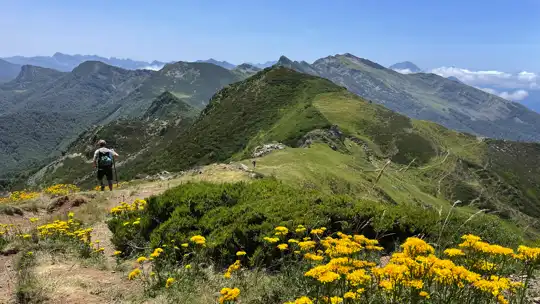
With Spain having so much to offer, I have visited it many times. Best trip was a hiking tour in the Picos de Europa in the North of Spain in July 2023.

✍️ Help improve this page!
The information on this page is based on my own backpacking experience in Spain, supplemented with up-to-date research and feedback from other travelers. Travel details can change, so if you notice anything outdated or incomplete, feel free to let me know.


🙋‍♂️ Give feedback

👋 Meet the founderWho’s Behind Take Your Backpack?

Johan, backpacker and founder of TakeYourBackpackHi, I’m Johan (Netherlands 🇳🇱), the creator of TakeYourBackpack. Over the past 3 decades, I’ve backpacked through 90+ countries across six continents, gaining extensive experience with independent travel, long-term trips, and overland routes.

This site is built on a combination of firsthand travel experience and carefully curated insights from other backpackers. Many guides are based on places I’ve personally visited, while others bring together tips, observations, and practical advice shared by trusted travelers I’ve met along the way.

The goal is to provide realistic, experience-driven guidance — not generic itineraries — so you can explore destinations with better context, clearer expectations, and more confidence.