
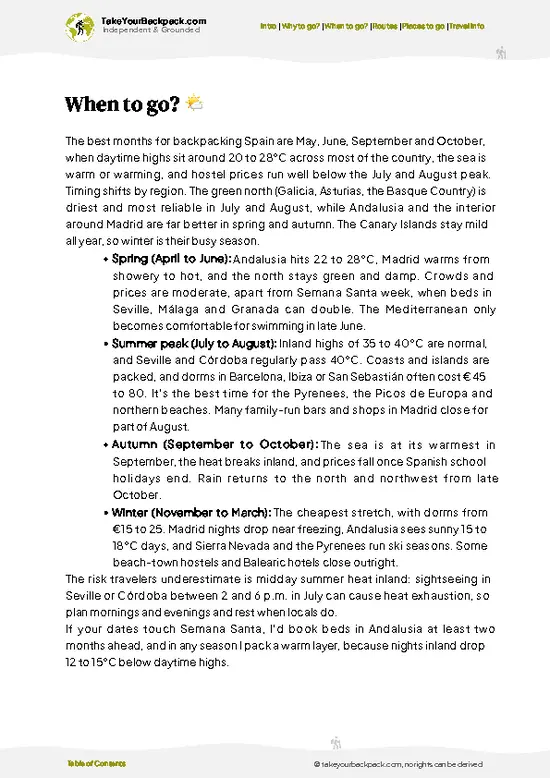
- Royal Palace and the Salón Rico — The ceremonial heart of Madinat al-Zahra, where you can still trace the layout of the lavish reception halls and porticoes. The Salón Rico (the “rich hall”) is the standout: fragments show the kind of opulent stucco, marble and polychrome decoration that announced Umayyad power.
- Palace Mosque and prayer area — A compact hypostyle mosque inside the palace complex that illustrates how religion and government were interwoven. Its orientation, columned halls and survivingmi naret base give a sense of everyday caliphal worship and city ritual.
- Carved stucco, mosaics and marble fragments — The site’s decorative fragments are what make it visually famous: delicate Arabic epigraphy, vegetal motifs and inlaid stone that hint at once-lost splendor. Seeing the original
- Royal Palace and the Salón Rico — The ceremonial heart of Madinat al-Zahra, where you can still trace the layout of the lavish reception halls and porticoes. The Salón Rico (the “rich hall”) is the standout: fragments show the kind of opulent stucco, marble and polychrome decoration that announced Umayyad power.
- Palace Mosque and prayer area — A compact hypostyle mosque inside the palace complex that illustrates how religion and government were interwoven. Its orientation, columned halls and survivingmi naret base give a sense of everyday caliphal worship and city ritual.
- Carved stucco, mosaics and marble fragments — The site’s decorative fragments are what make it visually famous: delicate Arabic epigraphy, vegetal motifs and inlaid stone that hint at once-lost splendor. Seeing the original ornamentation in situ (and in the museum) helps you imagine the full effect.
- Terraced gardens, water channels and views over the valley — The engineered gardens and waterworks are a highlight: channels, cisterns and terraces shaped the landscape and cooled the palaces. From the terraces you get one of the best panoramic views of the Guadalquivir valley — great for sunset photos and quiet reflection. (Personal favorite — peaceful, photogenic and unexpectedly green.)
- Caliphal baths and hydraulic installations — Remains of the bath complex and cisterns reveal the practical side of court life and sophisticated water management. It’s a good place to appreciate how engineering supported luxury and hygiene in a hilltop palace.
- Urban layout and residential quarters — The grid of streets, administrative blocks and housing shows this wasn’t just a palace: it was a purpose-built capital. Walking the ruins gives a clear sense of scale and intention — a planned city built to impress and administer.
- Archaeological Museum and visitor centre — Small but essential: the museum reunites fragmented decoration, offers reconstructions, models and audiovisuals that make the ruins readable. If you want context without guessing, spend 30-60 minutes here before wandering the site.
Spotted a mistake or missing something? Contact us.

Guided visit to Medina Azahara

Medina Azahara Guided Tour

Medina Azahara Private Tour in Cordoba

Guided tour of Medina Azahara in Spanish with Bus. Official Guides

Private Visit to Medina Azahara with Official Guide

Medina Azahara guided tour from Córdoba
Guided tour of Medina Azahara in Spanish without Bus. Official Guides

Guided Night Visit to Medina Azahara

Córdoba: Medina Azahara Guided Tour


 Best Backpacking
 Hi, I’m Johan (Netherlands 🇳🇱), the creator of TakeYourBackpack. Over the past 3 decades, I’ve backpacked through 90+ countries across six continents, gaining extensive experience with independent travel, long-term trips, and overland routes.