How Many Landmarks to Visit: Aim for
six to eight landmarks on a trip of one to two weeks, and no more than one major site per day. Spain’s big monuments are large, hot, queue-prone and often require an audio guide or at least a good hour of attention. Past two sights in a day, everything becomes a blur of arches and altarpieces, and you will remember only the café stop. Eight well-chosen visits beat fifteen rushed ones, and the rest of the day is better spent in plazas, markets and bars, which are part of the experience anyway.
Which Kind to Prioritize: For first-timers, the
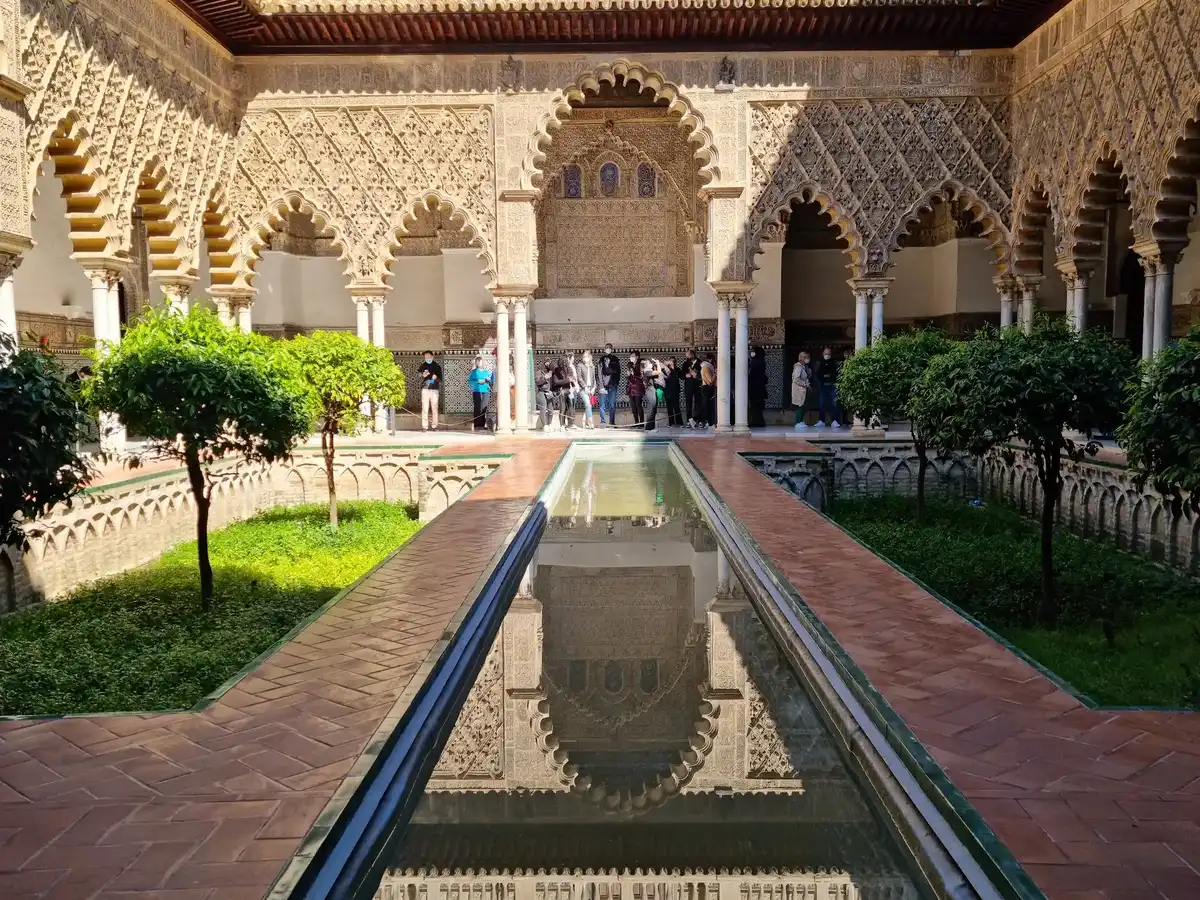
big Islamic and modernist headliners are worth the money and the planning, because nothing else in Europe looks like them. Book those first. If you travel on a tight budget, lean on
Roman ruins, Romanesque churches and …
read more 👉 How Many Landmarks to Visit: Aim for six to eight landmarks on a trip of one to two weeks, and no more than one major site per day. Spain’s big monuments are large, hot, queue-prone and often require an audio guide or at least a good hour of attention. Past two sights in a day, everything becomes a blur of arches and altarpieces, and you will remember only the café stop. Eight well-chosen visits beat fifteen rushed ones, and the rest of the day is better spent in plazas, markets and bars, which are part of the experience anyway.
Which Kind to Prioritize: For first-timers, the big Islamic and modernist headliners are worth the money and the planning, because nothing else in Europe looks like them. Book those first. If you travel on a tight budget, lean on Roman ruins, Romanesque churches and old town walls, which are often free or cost US$3 to 6 and rarely need a reservation. History lovers should prioritize Castile’s medieval cities and Andalusia’s Moorish sites. Photographers and walkers will get more from the green north and its pilgrim routes, where the landmark is half the village and half the path. Skip the museum-style attractions attached to major sites unless you have a particular interest; they add cost and little else.
What It Costs: Budget US$45 to 80 a day for a backpacker who eats set lunches (menú del día, roughly €12 to 16, about US$13 to 17), stays in hostels (€20 to 40) and uses regional transport. Entry to headline sites typically runs €12 to 30 (US$13 to 33), with the most famous ones at the top of that range, and guided tours add €15 to 40 (US$16 to 43). Regional churches and small monuments often charge €2 to 8 (US$2 to 9) or nothing. Many national sites offer free entry for a short window on certain afternoons; the saving is real, but so is the queue. Student or youth discounts, often for ages under 26, can cut fees by 30 to 50 percent, so carry ID. Spending on a skip-the-line ticket is worth it at the top few sites in high season, and a waste almost everywhere else.
Safety and Etiquette: Spain is safe, but pickpocketing around crowded landmarks and on metros in Madrid and Barcelona is routine. Keep your phone out of back pockets and bags zipped in front. Beware of unsolicited “free” gifts or petitions near monuments, which are usually a prelude to a request for money or a quick lift of your wallet.
Churches remain active places of worship. Cover shoulders and knees, remove hats, and keep voices down, particularly during services. Photography rules vary, and flash is almost always banned. At cathedrals with prayer sections, expect separate visitor routes.
Expect timed entry to be enforced to the minute at the biggest sites, and carry a printed or offline copy of tickets because phone signal inside old stone walls is unreliable. In summer, carry at least a liter and a half of water per person, since shade and fountains can be scarce, and treat the Spanish lunch break as a fixed point in the calendar rather than a suggestion.




 Best Backpacking
 Hi, I’m Johan (Netherlands 🇳🇱), the creator of TakeYourBackpack. Over the past 3 decades, I’ve backpacked through 90+ countries across six continents, gaining extensive experience with independent travel, long-term trips, and overland routes.