
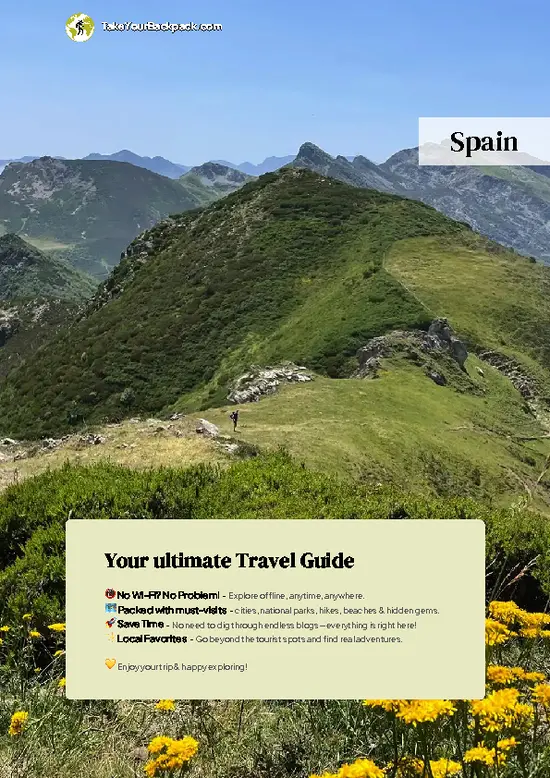
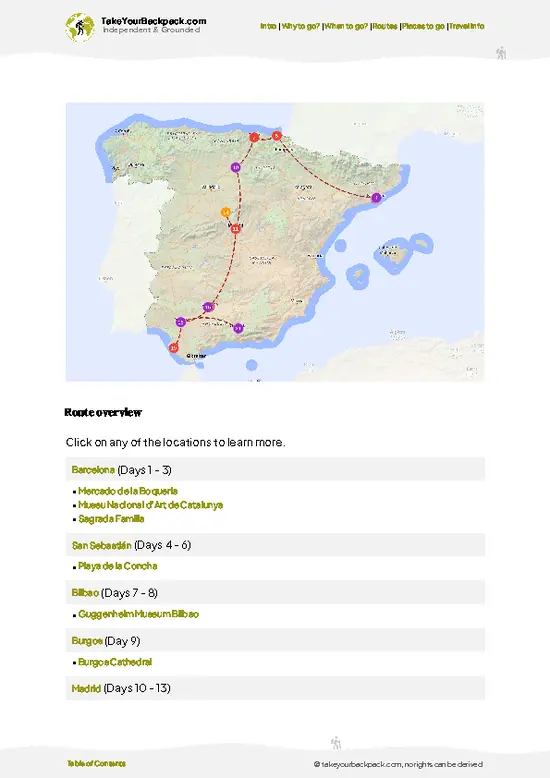
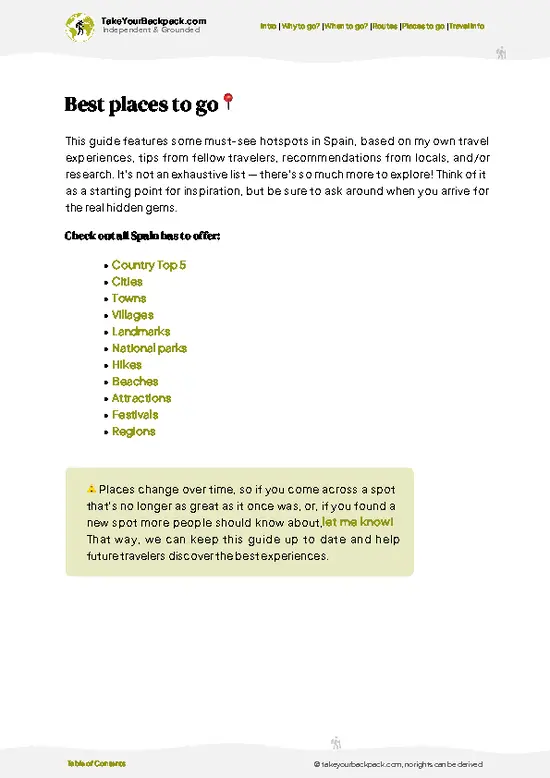
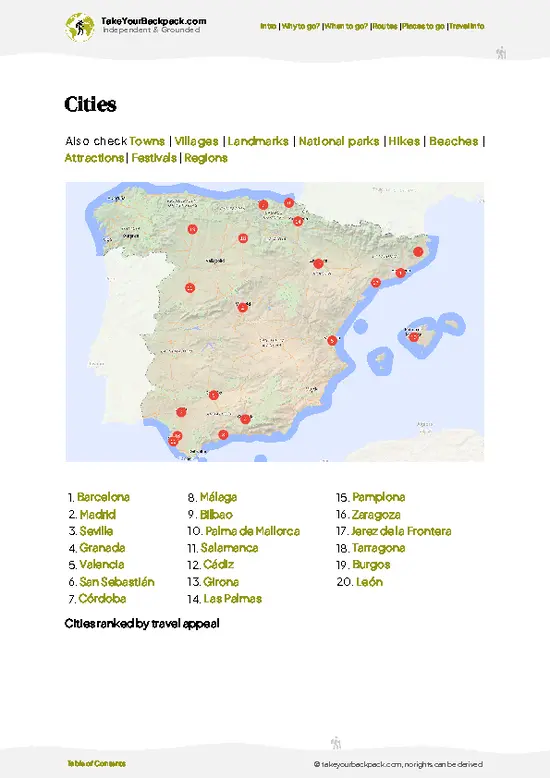
- Teatro Romano — The picture postcard of Mérida: a huge, beautifully preserved Roman theatre where you can still sit in the stone tiers and imagine the crowds. If you time it right (summer Festival de Mérida) you can watch live drama in the same space — goosebumps guaranteed.
- Anfiteatro Romano — Right next to the theatre, the amphitheatre is raw and visceral: the arena, gladiator cells and underground passages give a very immediate sense of Roman entertainment and violence. It’s compact, atmospheric and easy to pair with the theatre visit.
- Museo Nacional de Arte Romano — A surprisingly modern, light-filled museum (Rafael Moneo’s building) housing Mérida’s mosaics, sculptures and everyday Roman objects. The layout makes the artifacts sing; don’t skip the glass-covered galleries and the scale
- Teatro Romano — The picture postcard of Mérida: a huge, beautifully preserved Roman theatre where you can still sit in the stone tiers and imagine the crowds. If you time it right (summer Festival de Mérida) you can watch live drama in the same space — goosebumps guaranteed.
- Anfiteatro Romano — Right next to the theatre, the amphitheatre is raw and visceral: the arena, gladiator cells and underground passages give a very immediate sense of Roman entertainment and violence. It’s compact, atmospheric and easy to pair with the theatre visit.
- Museo Nacional de Arte Romano — A surprisingly modern, light-filled museum (Rafael Moneo’s building) housing Mérida’s mosaics, sculptures and everyday Roman objects. The layout makes the artifacts sing; don’t skip the glass-covered galleries and the scale models that explain the city layout.
- Templo de Diana & Plaza de España (Catedral de Santa María la Mayor) — A Roman temple’s surviving columns squaring off with a medieval cathedral built into the same footprint. This spot nails Mérida’s layered history: Roman foundations, Visigothic/medieval reuse and a lively town square where locals meet.
- Puente Romano sobre el Guadiana — One of the longest surviving Roman bridges in Europe. Walk its length at sunset for great river views, the Alcazaba skyline and a real feel for how the Romans anchored the city to the Guadiana.
- Alcazaba — A Moorish fortress with stout towers and a defensive terrace above the river. Climb for a different perspective of the theatre/bridge axis, poke around the cisterns and enjoy the contrast between Roman civic ruins and Islamic military architecture.
- Circo Romano — The ghost of a Roman racetrack: you can make out the starting gates and the long spine of the track. It’s less flashy than the theatre but huge and evocative — great for imagining chariot races and for quieter, more contemplative visits.
- Casa del Mitreo — A small but well-preserved Roman house and shrine area with lovely mosaics and hints of the Mithraic cult. Intimate, informative and a good place to see how private domestic life contrasted with public monuments.
- Casa del Anfiteatro — Excavated Roman domus near the theatre with striking mosaic floors and room layouts visible in situ. It’s one of those sites that turns ruins into domestic stories: people lived, cooked and decorated here — not just empires and emperors.
- Arco de Trajano — A modest but photogenic Roman arch that registers the city’s imperial past on a human scale. It’s a nice stop between the bridge and the centre, and a good photo-op that doesn’t take long but adds context to the walk.
Spotted a mistake or missing something? Contact us.

Full Roman Tour Merida

Full Merida Tour with tickets

E-Ticket to Mérida Roman Theatre with Audio Guide

Tour of the Secrets of the Roman Museum

Secret Merida: Legends and Mysteries

The Myths of the Museum

Explore Merida: Roman Theatre, Amphitheatre, Alcazaba & Aqueduct

Mérida Walking Tour 2h40 and 18 audio reviews

TOP Merida : Private Guided Tour with your mobile


 Best Backpacking
 Hi, I’m Johan (Netherlands 🇳🇱), the creator of TakeYourBackpack. Over the past 3 decades, I’ve backpacked through 90+ countries across six continents, gaining extensive experience with independent travel, long-term trips, and overland routes.