v2.webp)
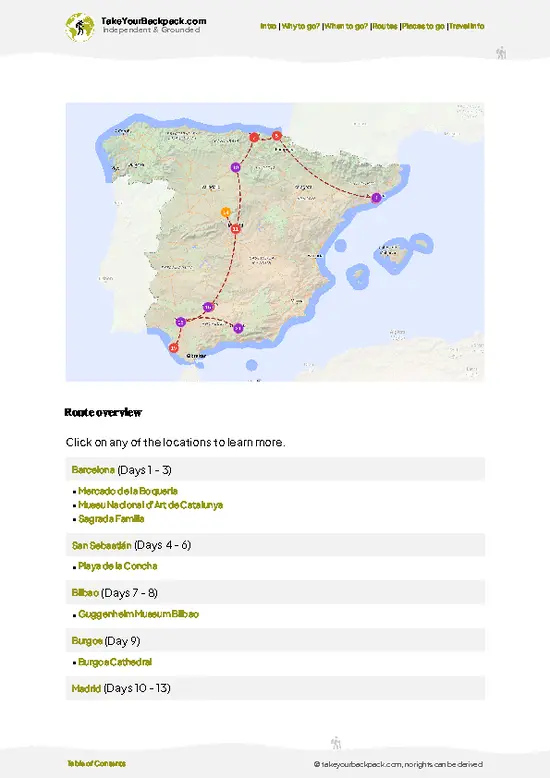
- Plaza Mayor — The heart of Trujillo: an arcaded Renaissance square ringed by palaces and cafés, dominated by the bronze statue of Francisco Pizarro. Great for people-watching, market stalls, and feeling how the town’s history still lives in everyday life.
- Castillo de Trujillo (the Alcazaba) — Hilltop ruins of the old fortress with winding stone steps, towers and raw medieval walls. You go for the atmosphere, the ruined rooms you can walk through, and the ridiculous panoramas over the plains of Extremadura.
- Casa-Museo de Pizarro — The modest house-museum tied to Trujillo’s most famous (and controversial) son. Small displays, period rooms and artifacts give context to the age of conquest while sitting right on the Plaza Mayor.
- Iglesia de Santa María la Mayor — Trujillo’s main church: a
- Plaza Mayor — The heart of Trujillo: an arcaded Renaissance square ringed by palaces and cafés, dominated by the bronze statue of Francisco Pizarro. Great for people-watching, market stalls, and feeling how the town’s history still lives in everyday life.
- Castillo de Trujillo (the Alcazaba) — Hilltop ruins of the old fortress with winding stone steps, towers and raw medieval walls. You go for the atmosphere, the ruined rooms you can walk through, and the ridiculous panoramas over the plains of Extremadura.
- Casa-Museo de Pizarro — The modest house-museum tied to Trujillo’s most famous (and controversial) son. Small displays, period rooms and artifacts give context to the age of conquest while sitting right on the Plaza Mayor.
- Iglesia de Santa María la Mayor — Trujillo’s main church: a mix of Gothic and Plateresque detail, atmospheric chapels and a noteworthy carved altarpiece. It’s a proper example of the town’s wealth in the 16th century and worth a slow wander inside.
- Iglesia de Santiago — A striking Gothic church set close to the castle. The stonework and interior light feel very intact; it’s quieter than the main square churches and rewards a few minutes of calm exploration.
- Iglesia de San Martín — An older parish church with a characterful façade and solid medieval bones. It’s one of those local churches where you get a feel for everyday religious life across the centuries.
- Jewish Quarter (Barrio Judío) — Narrow, irregular lanes, hidden corners and old stone arches that reveal Trujillo’s layered past. Walking here is a good way to see the town beyond the big monuments — look for doorways and small plazas tucked away from tourist routes.
- Palacios de la Plaza (Renaissance palaces) — The cluster of historic palaces that face the Plaza Mayor (Orellana, Los Duques and others). You can’t visit every interior, but their façades, balconies and coats of arms read like an open-air textbook of Trujillo’s noble past.
- Convento de Santa Clara — A convent with a serene cloister and quiet corners. Even if you don’t enter every room, the cloister’s arches and gardens offer a peaceful contrast to the busy square.
- Medieval walls, gates and viewpoints — Scattered stretches of city wall, old gates and small miradores around the hill. They’re perfect for sunset photos and give real, tangible contact with the town’s defensive past and the sweep of the surrounding countryside.
Spotted a mistake or missing something? Contact us.

Guided Tour of Historic and Monumental Trujillo

Medieval Scenario and Route of the Discoverers (with entrances)

Guided tour in Trujillo at Sunset "El Collector de Atardeceres"

TRON OF THRONES GUIDED VISIT! We are not encyclopedias with legs!

OFFICIAL TOUR OF TRUJILLO WITH TICKETS TO MONUMENTS

OFFICIAL TOUR TRUJILLO Historical Legendary and Monumental

Legend Trujillo Myths and Ghosts

Hello Trujillo: Private 2-Hour Intro City Walk with Local Guide


 Best Backpacking
.jpg) Hi, I’m Johan (Netherlands 🇳🇱), the creator of TakeYourBackpack. Over the past 3 decades, I’ve backpacked through 90+ countries across six continents, gaining extensive experience with independent travel, long-term trips, and overland routes.
Hi, I’m Johan (Netherlands 🇳🇱), the creator of TakeYourBackpack. Over the past 3 decades, I’ve backpacked through 90+ countries across six continents, gaining extensive experience with independent travel, long-term trips, and overland routes.