×

Spain🇪🇸 | attractionsMuseu Nacional d’Art de CatalunyaRomanesque frescoes, panoramic terrace, Montjuïc hill | things to do and best time to go

Explore Teatro RealExplore Ciudad de las Artes y las Ciencias

Backpacking in Museu Nacional d’Art de Catalunya
👍 Recommendedattraction ranked #9
By Johan Kruseman 🇳🇱 | Updated September 4, 2026

Everyone’s Instagram feed will tell you to visit the Museu Nacional d’Art de Catalunya for the panoramic city views from its steps—yes, they’re solid, but if you’re only here for a selfie with Barcelona’s skyline, you’re missing the real payoff. The real magic is inside: a wild, time-traveling crash course through a thousand years of Catalan art, from Romanesque frescoes that look like they were painted by medieval comic book artists to modernist fever dreams that punch way above their weight. Perched on Montjuïc hill in Barcelona, this isn’t just another Spanish museum with a famous name; it’s a deep dive into the region’s soul, and it’s refreshingly light on the tourist circus you’ll find at the Sagrada Família or the Prado. Yes, the ticket price stings a bit if you’re counting euros, and the crowds can swell on weekends, but you can actually breathe here. If you want to understand Catalonia—not just photograph it—this is where you start.

Discover everything you want to know in the 📖 Spain Travel Guide.


Get your Spain guide
148 ranked highlights, routes & tips, works offline (542 pages)
Loading the map 🌍
CLICK TO FILTER
cities
towns
villages
landmarks
national parks
hikes
beaches
attractions
festivals
regions
SHOW COUNTRY’S BESTSHOW ALL

✨ Why go?
Ranked #9 attraction in Spain
What makes this attraction worth visiting

The Museu Nacional d’Art de Catalunya (MNAC) is not just another museum you tick off because it’s on the map. Yes, it’s crowded—expect a steady stream of tourists, especially around the iconic Romanesque frescoes and the grand Palau Nacional building itself. And yes, the entry fee isn’t pocket change, but here’s the kicker: this place is a powerhouse of Catalan identity and art history that you won’t find anywhere else.

Backpackers make time for MNAC because it’s a deep dive into Spain’s cultural backbone, showcasing everything from medieval to modern art with a focus on Catalonia’s unique story. The Romanesque collection alone is a rare treasure trove, with frescoes salvaged from mountain churches that feel like stepping into a time machine. It’s not just about looking at art; it’s about … read more 👉
The Museu Nacional d’Art de Catalunya (MNAC) is not just another museum you tick off because it’s on the map. Yes, it’s crowded—expect a steady stream of tourists, especially around the iconic Romanesque frescoes and the grand Palau Nacional building itself. And yes, the entry fee isn’t pocket change, but here’s the kicker: this place is a powerhouse of Catalan identity and art history that you won’t find anywhere else.

Backpackers make time for MNAC because it’s a deep dive into Spain’s cultural backbone, showcasing everything from medieval to modern art with a focus on Catalonia’s unique story. The Romanesque collection alone is a rare treasure trove, with frescoes salvaged from mountain churches that feel like stepping into a time machine. It’s not just about looking at art; it’s about feeling the pulse of a region that’s fiercely proud and historically complex.

If you’re trekking through Spain, MNAC is a major milestone—an adrenaline rush for your brain and soul after days of hiking or city wandering. It’s a place where effort meets reward in a way that’s both humbling and inspiring. Skip it, and you miss a crucial chapter of Spain’s artistic and cultural narrative.
Want to include Museu Nacional d’Art de Catalunya in your Spain route?
Create a personalized Spain itinerary that includes Museu Nacional d’Art de Catalunya and the places that fit your trip — based on your travel style, budget, and available time. Get your route in seconds.

Generate my trip

💡 HighlightsEssential experiences to have while visiting Museu Nacional d’Art de Catalunya

Romanesque Frescoes: The Real Showstopper
Forget the endless parade of European churches—this is where you see medieval art with its original punch. The Museu Nacional d’Art de Catalunya (MNAC) is the heavyweight champion of Romanesque frescoes, rescued from crumbling Pyrenean chapels and reassembled here, full-scale, in immersive, echoing halls. You stand in front of Christ in Majesty from Sant Climent de Taüll and realize: this isn’t just art, it’s a time machine. The colors are raw, the faces are wild, and the whole thing feels more punk rock than pious. This is the one section where even the most museum-weary traveler snaps to attention. (Personal favorite—nothing else in Barcelona hits this hard.)


The Rooftop View: Barcelona Laid Bare
Yes, you’ll see people queuing for the rooftop, and … read more 👉
Romanesque Frescoes: The Real Showstopper
Forget the endless parade of European churches—this is where you see medieval art with its original punch. The Museu Nacional d’Art de Catalunya (MNAC) is the heavyweight champion of Romanesque frescoes, rescued from crumbling Pyrenean chapels and reassembled here, full-scale, in immersive, echoing halls. You stand in front of Christ in Majesty from Sant Climent de Taüll and realize: this isn’t just art, it’s a time machine. The colors are raw, the faces are wild, and the whole thing feels more punk rock than pious. This is the one section where even the most museum-weary traveler snaps to attention. (Personal favorite—nothing else in Barcelona hits this hard.)


The Rooftop View: Barcelona Laid Bare
Yes, you’ll see people queuing for the rooftop, and yes, it costs a few extra euros. Pay it. The view from the MNAC’s rooftop is the kind that makes you forget about your phone. You get a full sweep of the city, from the Sagrada Família’s spires to the Mediterranean, with Montjuïc’s gardens tumbling below. It’s not just a photo op—it’s a geography lesson and a moment of peace above the city’s chaos. If you want the Instagram shot, fine, but linger for the breeze and the perspective.


Modernista Art and Furniture: Catalan Swagger
Barcelona’s Modernisme isn’t just Gaudí. The MNAC’s collection dives deep into the movement’s wild side—think stained glass, wrought iron, and furniture that looks like it’s about to sprout legs and walk away. The rooms dedicated to Catalan Art Nouveau are a crash course in local pride and artistic rebellion. You’ll see pieces by Ramon Casas and Santiago Rusiñol that ooze attitude, and furniture by Gaspar Homar that makes IKEA look like a joke.


Gothic Altarpieces: Drama in Wood and Gold
If you think medieval art is boring, the MNAC’s Gothic galleries will slap you awake. These altarpieces are massive, glittering, and packed with stories—saints getting flayed, dragons getting stabbed, and angels everywhere. The detail is obsessive, the colors are still fierce after centuries, and the whole effect is theatrical in the best way. It’s like binge-watching a medieval soap opera, but with better costumes.


The Palau Nacional Building: Over-the-Top Grandeur
The MNAC isn’t just about what’s inside. The building itself is a relic of 1929 World’s Fair excess, all domes, columns, and marble staircases. It’s the kind of place that makes you want to stride, not shuffle. Even if you’re museumed-out, the sheer scale and drama of the Palau Nacional will snap you out of your sightseeing autopilot. It’s a reminder that sometimes, bigger really is better.
Spotted a mistake or missing something? Contact us.

Things to do around Museu Nacional d’Art de Catalunya

Ratings based on Tripadvisor reviews. When you book through this link, you support our work at no extra cost to you.

🌤️ When to go?Weather, crowds, and seasonal trade-offs


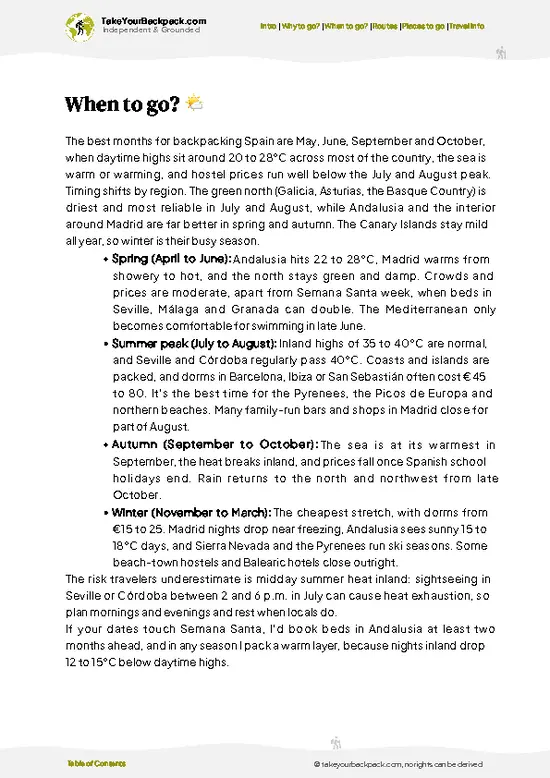
  • Weather: Barcelona’s Mediterranean climate means mild winters and hot summers. From November to February, expect cooler temps around 10°C (50°F), which is comfortable for museum visits without sweating through your shirt. July and August can hit 30°C (86°F), making indoor art a cool refuge.

  • Temperature: Spring (March to May) offers a sweet spot with highs around 18-22°C (64-72°F), perfect for combining museum time with outdoor exploring. Autumn (September to October) mirrors this, but with fewer tourists.

  • Daylight Hours: Long summer days stretch to 15 hours, giving you plenty of time to hit the museum and still catch the city’s nightlife. Winter days shrink to about 9 hours, so plan your visits accordingly to avoid rushing.

  • Crowds: Peak tourist season is June through August, and the
read more 👉

  • Weather: Barcelona’s Mediterranean climate means mild winters and hot summers. From November to February, expect cooler temps around 10°C (50°F), which is comfortable for museum visits without sweating through your shirt. July and August can hit 30°C (86°F), making indoor art a cool refuge.

  • Temperature: Spring (March to May) offers a sweet spot with highs around 18-22°C (64-72°F), perfect for combining museum time with outdoor exploring. Autumn (September to October) mirrors this, but with fewer tourists.

  • Daylight Hours: Long summer days stretch to 15 hours, giving you plenty of time to hit the museum and still catch the city’s nightlife. Winter days shrink to about 9 hours, so plan your visits accordingly to avoid rushing.

  • Crowds: Peak tourist season is June through August, and the museum gets packed, especially midday. Early mornings or late afternoons in shoulder seasons (April-May, September-October) offer a quieter, more intimate experience.

  • Seasonal Activities: The museum hosts special exhibitions mostly in spring and fall, so timing your visit around these can add real value beyond the permanent collection.

  • Price Fluctuations: Ticket prices stay fairly stable year-round, but combo tickets and discounts pop up more often in off-peak months, making spring and fall the smartest bets for budget-conscious travelers.


Pro-tip: Visit on a weekday morning in April or October to dodge crowds, enjoy mild weather, and catch any fresh exhibitions without paying a premium.


source: climatestotravel.comJANJanuary: highly recommended for travelingFEBFebruary: highly recommended for travelingMARMarch: highly recommended for travelingAPRApril: excellent for travelingMAYMay: excellent for travelingJUNJune: good for travelingJULJuly: fair for travelingAUGAugust: fair for travelingSEPSeptember: excellent for travelingOCTOctober: excellent for travelingNOVNovember: highly recommended for travelingDECDecember: highly recommended for traveling
when-to-go

✈️ The backpacker research shortcutSpain Travel Guide

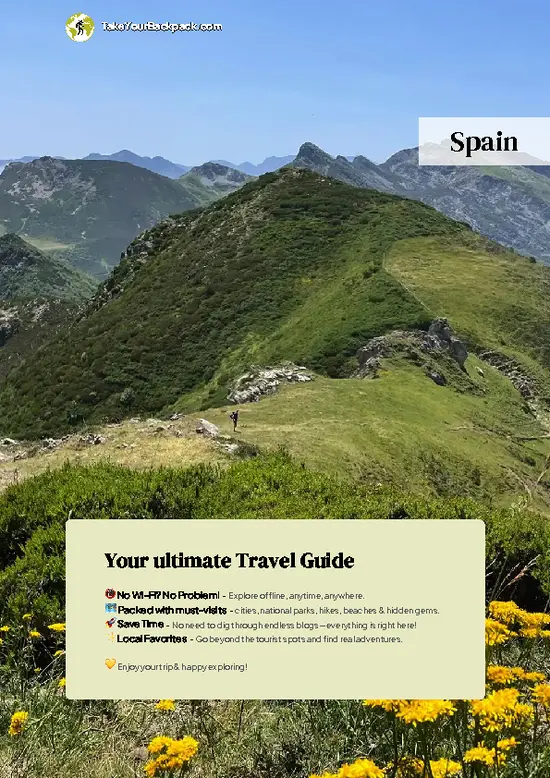
An offline-friendly backpacking guide with optimized travel routes, ranked highlights, transport advice, and the best areas to stay.
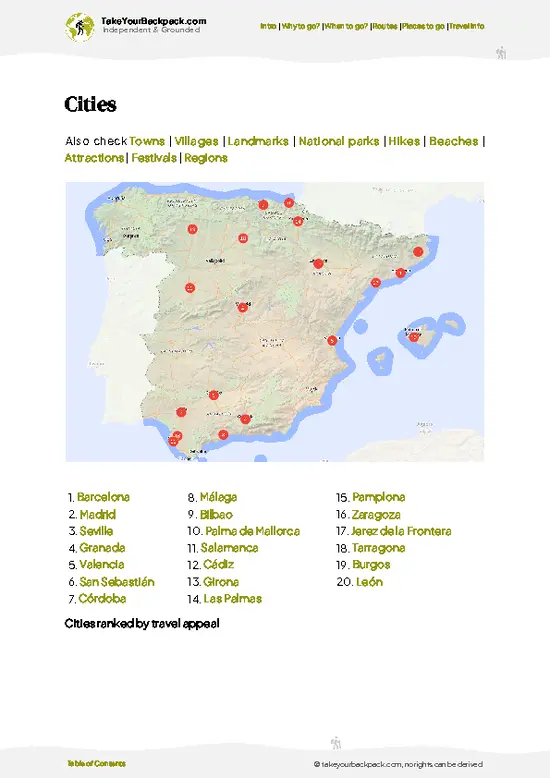
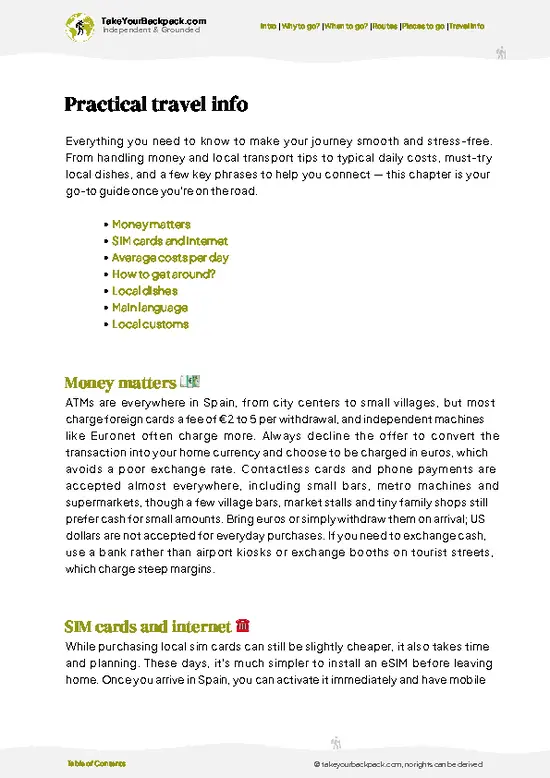
example page 0 from our offline Travel Guide for Spain
example page 1 from our offline Travel Guide for Spain
example page 2 from our offline Travel Guide for Spain
example page 3 from our offline Travel Guide for Spain
example page 4 from our offline Travel Guide for Spain
example page 5 from our offline Travel Guide for Spain
example page 6 from our offline Travel Guide for Spain
example page 7 from our offline Travel Guide for Spain
The digital guide (542 pages) contains:
148 highlights, ranked by travel appeal
Optimized 7, 14 & 21-day travel routes
Cities, national parks, landmarks, beaches
How to get around
Offline-friendly for travel without Wi-Fi
👉 Click to see all 30+ guide features

📅 Plan smarter in minutes, not weeks
Month by month travel advice
Festivals & national holidays
Budget expectations

🗺️ Go to the right places, skip the overrated ones
Honest pros & cons of destinations
Top hikes, parks & viewpoints
Lesser-known places most travelers miss
Clear “worth it vs skip it” guidance

🛏️ Travel smoothly without rookie mistakes
Best areas to stay
Transport systems explained simply
Common scams & safety advice
SIM cards, money & practical tips

🌍 Understand the country, not just visit it
Culture & traditions
52 Essential phrases & customs
Festivals worth planning around
Traveler-friendly historical context
Insights that make places more meaningful

📱 Built for real travel conditions
Fully downloadable PDF
Works completely offline
Optimized for phone use
Useful in remote areas & buses
Everything in one place
Save weeks of stressful planning
Get instant access to your full guide. 30‑day money-back guarantee.
+ Add another guide for just US$7.80

By proceeding you agree to our terms.
Sent to your inbox immediately after payment • 100% Secure Checkout
Best Backpacking Travel Advisor 2025 tourism awardBest Backpacking
Travel Advisor
2025
What others say about Take Your Backpack Guides:
⭐⭐⭐⭐⭐
Fantastic, amazing amount of information!
⭐⭐⭐⭐⭐
My goodness this is amazing, it's what I've been looking for hats off too you!
⭐⭐⭐⭐⭐
I think this is absolutely BRILLIANT
⭐⭐⭐⭐
Very complete and informative. It's still missing places, but I gotta to commend you
⭐⭐⭐⭐⭐
This is truly amazing, thank you, can't wait to explore it with my kids!
⭐⭐⭐⭐⭐
Awesome resource, thank you!
⭐⭐⭐⭐⭐
This is amazing! Can't wait to explore the ones I haven't seen
⭐⭐⭐⭐
I love this! Well done, great idea.
⭐⭐⭐⭐⭐
Thanks for taking the time to make this gem!
⭐⭐⭐⭐⭐
This might be the best website I've ever seen.
⭐⭐⭐⭐⭐
Congratulations, and thank you so much for your work; it's incredibly valuable.
⭐⭐⭐⭐
In all seriousness I think you did a great job pointing out the important spots
⭐⭐⭐⭐⭐
10/10 very good
⭐⭐⭐⭐⭐
As someone who's only just starting to visit regularly this is awesome, thank you.
⭐⭐⭐⭐
Thank you very much! I'm going to visit my dad, it's going to be very useful!
⭐⭐⭐⭐⭐
This is really cool! We'll be travelling for the first time and this definitely come in handy.
⭐⭐⭐⭐⭐
You are now our minister of culture, congratulations 👨‍💼
⭐⭐⭐⭐⭐
Just wanted to tell you that this is a pearl! Going to follow your recommendations.
⭐⭐⭐⭐⭐
This is so cool. I'll definitely be using the resource for my travels soon.
⭐⭐⭐⭐⭐
This is very impressive! Good work.
⭐⭐⭐⭐⭐
This is an amazing and informative site. Very well done!

🛏️ Where to stay?Where staying makes the most sense

Forget the postcard-perfect image of Museu Nacional d’Art de Catalunya as a quiet, contemplative spot. It’s a magnet for tourists, especially midday, and the crowds can feel like a herd. The entrance fee isn’t exactly pocket change either, so brace yourself for a bit of sticker shock if you’re on a tight budget.

Now, here’s the real deal: the neighborhoods around the museum—especially Poble Sec and the lower end of Eixample—are where backpackers find their groove. Poble Sec is gritty but safe, with a lively local vibe that’s far from the sanitized tourist traps. It’s where you’ll find cheap eats, … read more 👉
Forget the postcard-perfect image of Museu Nacional d’Art de Catalunya as a quiet, contemplative spot. It’s a magnet for tourists, especially midday, and the crowds can feel like a herd. The entrance fee isn’t exactly pocket change either, so brace yourself for a bit of sticker shock if you’re on a tight budget.

Now, here’s the real deal: the neighborhoods around the museum—especially Poble Sec and the lower end of Eixample—are where backpackers find their groove. Poble Sec is gritty but safe, with a lively local vibe that’s far from the sanitized tourist traps. It’s where you’ll find cheap eats, buzzing tapas bars, and a social scene that’s perfect for solo travelers looking to swap stories over a caña.

Eixample, meanwhile, offers a more polished backdrop but still keeps it real with affordable guesthouses and plenty of street life. Both areas have solid metro connections, so you’re never far from the museum or the city’s other hotspots. Staying here means you’re not just ticking off a landmark—you’re living the city’s pulse, day and night.

👛 Costs (as of 4 September 2026)Travel costs and budget guide for Museu Nacional d’Art de Catalunya

The general admission ticket to Museu Nacional d’Art de Catalunya costs around €12. Reduced tickets for EU citizens aged 18-25 are approximately €6. Entry is free for residents of Barcelona and children under 16. Additional costs may include guided tours or special exhibitions, which can range from €3 to €5 extra.

source: museunacional.cat
⚠️ Prices can change and everyone travels differently, so take this as a rough guide. Hope it helps you plan your adventure!

FAQCommon questions from travelers

2 to 3 hours is sufficient to visit Museu Nacional d’Art de Catalunya to see the main collections and exhibitions. Allocate more time if you want to explore in depth or attend special exhibitions. The museum is large, with extensive Romanesque, Gothic, Renaissance, and Modern art collections.
Yes, Museu Nacional d’Art de Catalunya is worth the entrance fee, which is around 12 euros for general admission. The museum houses one of the best collections of Catalan art, including unique Romanesque frescoes and Modernist works. The panoramic views of Barcelona from the museum's location add extra value to the visit.
You can get to Museu Nacional d’Art de Catalunya by taking the metro to Espanya station, served by lines L1 and L3. From there, it is a 10-minute walk uphill to the museum. Several bus lines also stop nearby, and taxis are a convenient option if carrying heavy gear.
⚠️ Things can change over time, so always validate details locally before you go.

Other Spanish attractions near Museu Nacional d’Art de Catalunya

Explore more nearby:


💡 Not sure where to go next?
Create a personalized itinerary for Spain including Museu Nacional d’Art de Catalunya and the places that fit your trip.

Generate my itinerary

👉 Discover all attractions

Or checkout all Spain has to offer (think cities, towns, villages, national parks, hikes, beaches, festivals)
Country photo of Spain

We 💚 feedbackSumming up the experience

The Museu Nacional d’Art de Catalunya isn’t just another museum stuffed with dusty relics—it’s where Catalan art punches you right in the feels, especially if you dig Romanesque frescoes that feel like stepping into a medieval time machine. But heads up: it’s a magnet for tourists, so expect crowds and a bit of a wait. Still, if you carve out time, the payoff is a deep dive into Spain’s artistic soul that’s hard to find anywhere else.

✈️ When did I visit Spain?
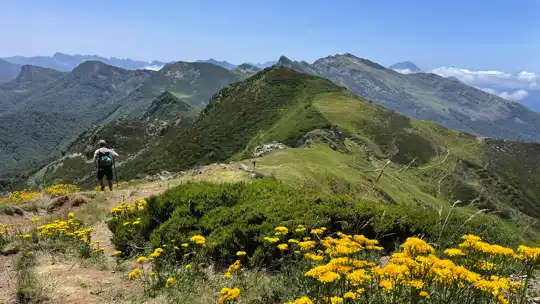
With Spain having so much to offer, I have visited it many times. Best trip was a hiking tour in the Picos de Europa in the North of Spain in July 2023.

✍️ Help improve this page!
The information on this page is based on my own backpacking experience in Spain, supplemented with up-to-date research and feedback from other travelers. Travel details can change, so if you notice anything outdated or incomplete, feel free to let me know.


🙋‍♂️ Give feedback

👋 Meet the founderWho’s Behind Take Your Backpack?

Johan, backpacker and founder of TakeYourBackpackHi, I’m Johan (Netherlands 🇳🇱), the creator of TakeYourBackpack. Over the past decade, I’ve backpacked through 80+ countries across six continents, gaining extensive experience with independent travel, long-term trips, and overland routes.

This site is built on a combination of firsthand travel experience and carefully curated insights from other backpackers. Many guides are based on places I’ve personally visited, while others bring together tips, observations, and practical advice shared by trusted travelers I’ve met along the way.

The goal is to provide realistic, experience-driven guidance — not generic itineraries — so you can explore destinations with better context, clearer expectations, and more confidence.

Get full Spain guide •
Instant download • 148 highlights • Full Offline guide