How many attractions to aim for: Plan on
one major attraction per day, two at most, and anything beyond that turns Spain into a checklist you will not remember. The reasoning is practical. Big sights here take two to four hours with security lines, and the Spanish day pushes lunch to 2 p.m. and dinner to 9 or later, so a realistic day has one proper visit, one wander, and a long meal. Over two weeks that is eight to ten real sights, and I would not stretch past twelve. Quality drops fast after that, and so does your tolerance for audio guides.
Prioritizing by travel style: If you love history, put your time into the
Moorish and Roman heritage of the south and the walled towns of Castile, since these are what Spain does differently from the rest of Europe. If art is your thing, Madrid’s big …
read more 👉 How many attractions to aim for: Plan on
one major attraction per day, two at most, and anything beyond that turns Spain into a checklist you will not remember. The reasoning is practical. Big sights here take two to four hours with security lines, and the Spanish day pushes lunch to 2 p.m. and dinner to 9 or later, so a realistic day has one proper visit, one wander, and a long meal. Over two weeks that is eight to ten real sights, and I would not stretch past twelve. Quality drops fast after that, and so does your tolerance for audio guides.
Prioritizing by travel style: If you love history, put your time into the
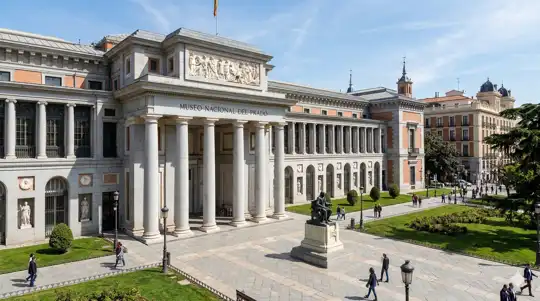
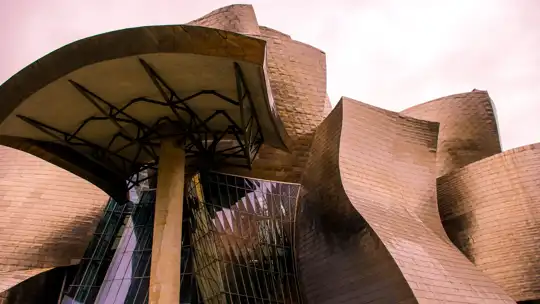
Moorish and Roman heritage of the south and the walled towns of Castile, since these are what Spain does differently from the rest of Europe. If art is your thing, Madrid’s big three museums are worth a full day each only if you actually like paintings, otherwise pick one and leave. Architecture fans should give Barcelona two days and no more. For hikers and beach people, the
northern coast and mountain parks beat any cathedral, and a day outdoors is cheaper and quieter than a ticketed icon. Nightlife-led travelers should accept that sights close early and plan mornings accordingly.
What is not worth the time: sights you can only see from a tour bus window, and any site where the main activity is queueing for a photo. A
second cathedral in the same city rarely adds much. A guided walking tour on day one, though, is worth it for orientation.
What it costs: A backpacker can manage on
€45 to 75 a day outside peak summer in big cities, including a dorm bed at €20 to 40, a set lunch (menú del día) at €11 to 16, and local transport. Add €10 to 25 for sights on a typical day.
Entry fees vary widely. Major monuments and palaces run roughly
€12 to 20, with some top-tier ones nearer €25 to 35. Big museums are €10 to 15 and often free in the last hours of certain days, which is a good use of a Monday or Thursday evening if you can handle the line. Many cathedrals charge €6 to 15, while a lot of churches, parks and old-town streets are free. Guided tours cost €15 to 30 for a group walk, and private guides run €100 and up. Students and under-26s often get discounts, so carry ID. Fast trains between cities cost €20 to 90 depending on how early you book, while regional buses are usually €5 to 25.
Safety and etiquette: Spain is safe for travelers in general, and
pickpocketing is the main concern, particularly in Barcelona, Madrid and crowded sights, on metro lines to tourist areas, and around queues. Keep your phone out of back pockets and bags zipped in front. Ignore anyone offering a “free” bracelet or petition signature near monuments.
Culturally, dress to cover shoulders and knees when entering
churches and cathedrals, which remain active places of worship, and keep quiet during services. Photography rules vary, with flashes banned in many museums and interiors. Respect tour entry times because slots are enforced strictly, and a ticket for 10:30 does not mean 10:45. In summer, carry
water and a hat, since many outdoor sites have little shade, and plan the heat-heavy sights for early morning. Finally, if a site is shut for lunch, take it as local wisdom and go find a table.
v2.webp)
 Best Backpacking
.jpg) Hi, I’m Johan (Netherlands 🇳🇱), the creator of TakeYourBackpack. Over the past 3 decades, I’ve backpacked through 90+ countries across six continents, gaining extensive experience with independent travel, long-term trips, and overland routes.
Hi, I’m Johan (Netherlands 🇳🇱), the creator of TakeYourBackpack. Over the past 3 decades, I’ve backpacked through 90+ countries across six continents, gaining extensive experience with independent travel, long-term trips, and overland routes.