
The Dragon Stairway
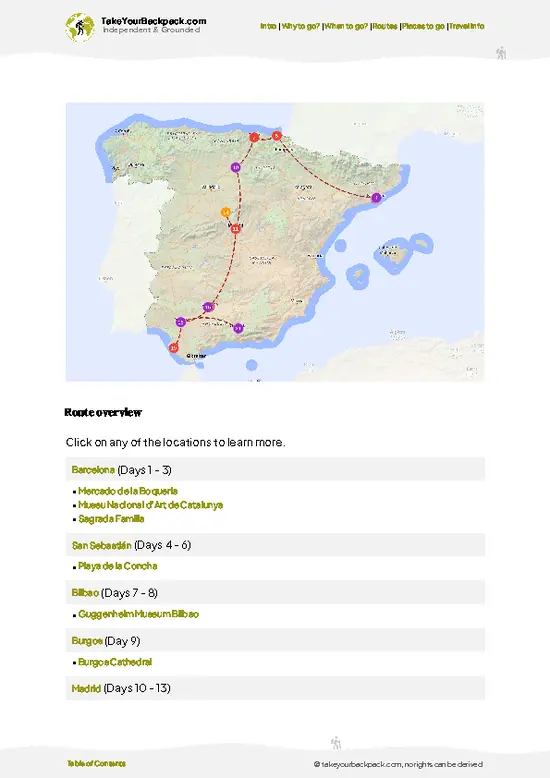
Let’s get real: you’ll never have this spot to yourself unless you break in at dawn (don’t). The mosaic dragon—locals call it “El Drac”—is the face of Park Güell, and yes, it’s swarmed with selfie sticks. But here’s the kicker: up close, the craftsmanship is wild. Gaudí’s trencadís technique (that’s the broken tile mosaic) isn’t just decorative—it’s a riot of color and texture that feels almost alive. The stairway itself is a theatrical entrance, not just a photo op. If you can tune out the crowd, you’ll see why this lizard is a city icon.
The Hypostyle Room (Hall of a Hundred Columns)
This isn’t a Greek temple, though it looks like one after a fever dream. Forty-six columns (not a hundred, but who’s counting) hold up the main terrace. The acoustics are strange—sometimes … read more 👉
The Dragon Stairway
Let’s get real: you’ll never have this spot to yourself unless you break in at dawn (don’t). The mosaic dragon—locals call it “El Drac”—is the face of Park Güell, and yes, it’s swarmed with selfie sticks. But here’s the kicker: up close, the craftsmanship is wild. Gaudí’s trencadís technique (that’s the broken tile mosaic) isn’t just decorative—it’s a riot of color and texture that feels almost alive. The stairway itself is a theatrical entrance, not just a photo op. If you can tune out the crowd, you’ll see why this lizard is a city icon.
The Hypostyle Room (Hall of a Hundred Columns)
This isn’t a Greek temple, though it looks like one after a fever dream. Forty-six columns (not a hundred, but who’s counting) hold up the main terrace. The acoustics are strange—sometimes you’ll catch buskers testing the echo. Look up: the ceiling is studded with medallions of swirling ceramics, each one different. It’s cool in here, literally and figuratively, and the play of light and shadow is a Gaudí masterclass. This is where the park’s original market would have been, and you can almost feel the bustle.
The Nature Square (Plaça de la Natura)
This is the park’s main stage—an open, undulating terrace ringed by a serpentine bench. The bench is a mosaic explosion, and sitting here gives you a panoramic view of Barcelona that’s worth every euro you paid to get in. Yes, you’ll be elbow-to-elbow with tourists, but the people-watching is world-class. The bench itself is surprisingly ergonomic, designed to fit the human body. Gaudí thought of everything, even your tired backpacker spine.
The Austria Gardens
Most people skip this quieter corner, which is exactly why you shouldn’t. Originally intended as a housing plot, it’s now a peaceful garden with cypress and pine, plus a few of Gaudí’s lesser-known sculptures. You’ll get a breather from the crowds and a glimpse of what the park might have felt like before it became a global pilgrimage site. This is my personal favorite—there’s a calm here that feels rare in Barcelona.
The Viaducts and Walkways
Forget the main drag for a minute. The park’s elevated stone viaducts and winding paths are where Gaudí’s genius for blending architecture with nature really shows. These aren’t just shortcuts—they’re sculptural, shaded, and full of odd little details. You’ll find musicians tucked into alcoves, and the views through the stone arches are pure storybook. If you want to feel like you’re in a surrealist fairy tale, this is the spot.
Spotted a mistake or missing something? Contact us.

Barcelona : Sagrada, Park Guell, Montjuic & Gothic

Park Güell Skip-the-Line Guided Tour Barcelona

Park Guell and Sagrada Familia Private Tour with Hotel pick-up

Barcelona: Skip-the-Line Gaudi's Park Guell Guided Tour

Best of Barcelona: Sagrada Familia & Park Guell Tour with Pick-up

Barcelona Premium: Gothic, Montjuic, Sagrada Familia & Park Güell

Barcelona City Tour: Gothic Pedrera, Sagrada Familia & Park Güell

Park Guell Private Photoshoot with Skip the Line Ticket

Priority Access Private Guided Tour of Park Güell


 Best Backpacking
 Hi, I’m Johan (Netherlands 🇳🇱), the creator of TakeYourBackpack. Over the past 3 decades, I’ve backpacked through 90+ countries across six continents, gaining extensive experience with independent travel, long-term trips, and overland routes.