v2.webp)

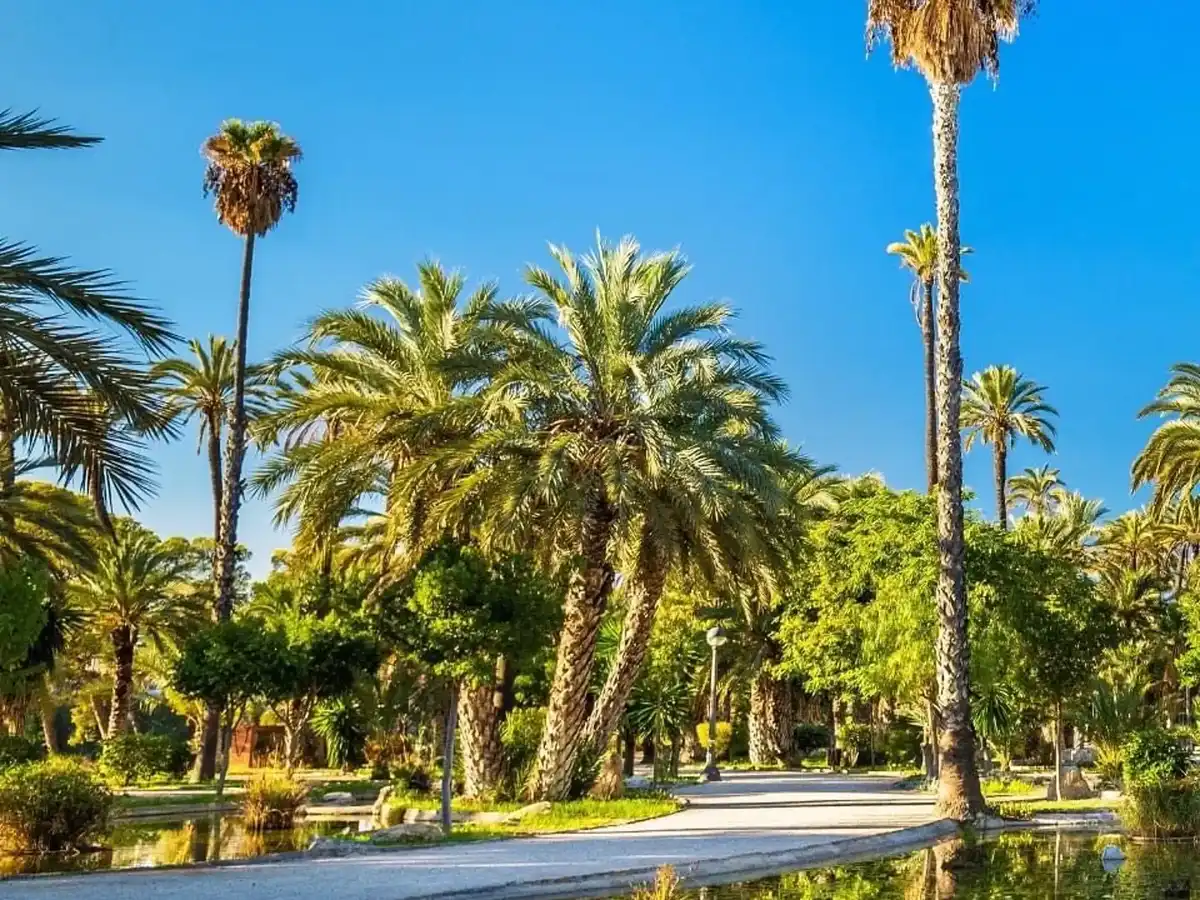
- Huerto del Cura: The most famous garden in the palmeral — a small, manicured oasis full of exotic plantings, sculptures and shady paths. It’s where you get the classic postcard view of the palms and the best explanation of how these gardens were tended for centuries. (Personal favorite — compact, peaceful and ridiculously photogenic.)
- Palmera Imperial (the Imperial Palm): A truly odd and iconic palm with multiple crowns growing from a single trunk — it looks like someone grafted a palm umbrella onto another palm. It’s the symbol of Elche and an easy-to-spot highlight in Huerto del Cura.
- Historic acequias and irrigation network: The web of channels and wells behind the palms is the reason the palm grove exists; the irrigation system is a surviving example of medieval (and earlier) water
- Huerto del Cura: The most famous garden in the palmeral — a small, manicured oasis full of exotic plantings, sculptures and shady paths. It’s where you get the classic postcard view of the palms and the best explanation of how these gardens were tended for centuries. (Personal favorite — compact, peaceful and ridiculously photogenic.)
- Palmera Imperial (the Imperial Palm): A truly odd and iconic palm with multiple crowns growing from a single trunk — it looks like someone grafted a palm umbrella onto another palm. It’s the symbol of Elche and an easy-to-spot highlight in Huerto del Cura.
- Historic acequias and irrigation network: The web of channels and wells behind the palms is the reason the palm grove exists; the irrigation system is a surviving example of medieval (and earlier) water engineering that shaped the whole landscape. Walk along the channels and you’ll see how water management dictated planting patterns.
- Huerto de la Mosquera: Less crowded than Huerto del Cura, this quieter orchard gives a more lived-in feel — crumbling walls, fruit trees tucked among palms, and a small viewpoint where you can see the palms stretching toward the town. Good for a slower, more local vibe.
- UNESCO cultural-landscape status: The palmeral isn’t just a big grove — it’s recognized as a cultural landscape where agriculture, urban life and traditional techniques mixed for centuries. That status explains why conservation and old pruning practices are still important here.
- Local dates and palm crafts: Don’t miss trying local dates (they’re sweeter than you expect) and looking for palm handicrafts — baskets, fans and religious items made from palm leaves. You’ll get a sense of how the palms feed both the stomach and the local economy.
- Walking routes and sunset viewpoints: The best way to enjoy the palmeral is on foot: follow shaded paths, cross little bridges over the acequias, and time it for golden hour when the light turns the trunks and fronds into a warm maze — great for photos and for cooling off after a hot day.
Spotted a mistake or missing something? Contact us.

Alicante: Visit to a Winery with Wine Tasting, Tapas, and Transfer

Family Winery of Three Generations (5 testings) Transfer included

Elche and Santa Pola Half Day Guided Tour

Elche, UNESCO Heritage Sites Small Group Tour

Alicante & Elche Small Group Tour with Palm Grove and Castle

Private Half-Day Walking Tour of Alicante

1.5 hour private tour of the Basilica of Santa Maria

Cultural Tour of the Palmeral and Historic Center of Elche

Alicante Audio Guided Walking Tour 2h30 and 17 audio reviews

 Best Backpacking
.jpg) Hi, I’m Johan (Netherlands 🇳🇱), the creator of TakeYourBackpack. Over the past 3 decades, I’ve backpacked through 90+ countries across six continents, gaining extensive experience with independent travel, long-term trips, and overland routes.
Hi, I’m Johan (Netherlands 🇳🇱), the creator of TakeYourBackpack. Over the past 3 decades, I’ve backpacked through 90+ countries across six continents, gaining extensive experience with independent travel, long-term trips, and overland routes.