v2.webp)
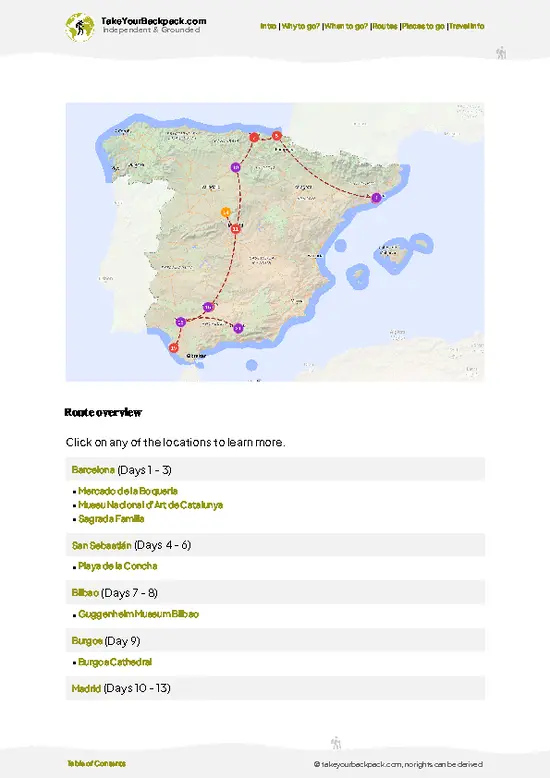
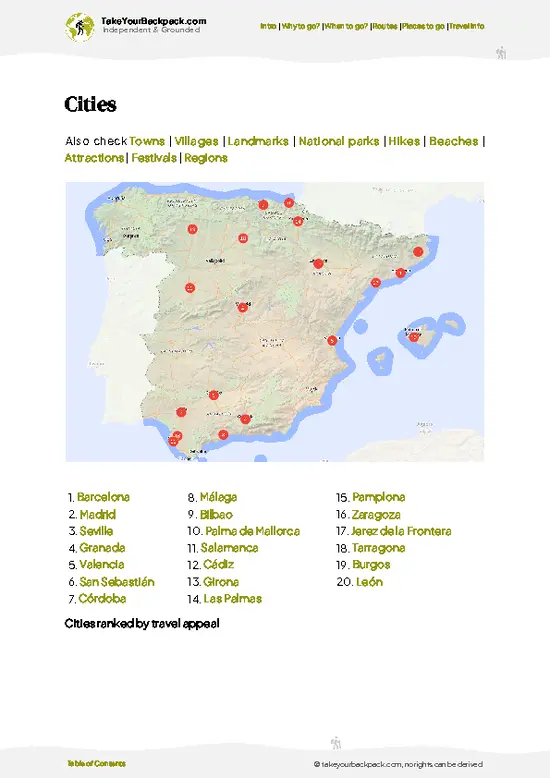
- Plaza del Castillo — The city’s living room: a horseshoe-shaped square full of cafés, terraces and local chatter where Pamplona’s everyday life and festival energy meet; great for people-watching and a starting point for the old quarter.
- Catedral de Santa María la Real — A compact Gothic jewel with a peaceful cloister and small museum; climb the steps, linger in the cloister and you’ll get medieval stonework, carved capitals and quiet that contrasts with the festival chaos.
- Ciudadela (La Ciudadela) — A 16th-century star-shaped fortress turned park and cultural space; walk the ramparts, picnic in the moat gardens and catch occasional outdoor concerts or contemporary art shows inside.
- Calle Estafeta and the Encierro route — Walk the exact streets the bulls run during San Fermín (Calle Estafeta,
- Plaza del Castillo — The city’s living room: a horseshoe-shaped square full of cafés, terraces and local chatter where Pamplona’s everyday life and festival energy meet; great for people-watching and a starting point for the old quarter.
- Catedral de Santa María la Real — A compact Gothic jewel with a peaceful cloister and small museum; climb the steps, linger in the cloister and you’ll get medieval stonework, carved capitals and quiet that contrasts with the festival chaos.
- Ciudadela (La Ciudadela) — A 16th-century star-shaped fortress turned park and cultural space; walk the ramparts, picnic in the moat gardens and catch occasional outdoor concerts or contemporary art shows inside.
- Calle Estafeta and the Encierro route — Walk the exact streets the bulls run during San Fermín (Calle Estafeta, Mercaderes, and the stretch to the bullring); the monuments and plaques along the route bring the event’s living history into sharp, walkable focus.
- Plaza de Toros de Pamplona — The iconic bullring that anchors the San Fermín spectacle; visit the small museum, tour the grounds and stand where runners end their dash—an unsettling but essential slice of local tradition to see with context.
- Parque de la Taconera — Pamplona’s prettiest park with stone sculptures, wrought-iron gates and a handful of free-roaming peacocks and deer; a calm, photogenic spot to escape the crowds for half an hour.
- Museo de Navarra — Housed in an old hospital, this museum packs Navarre’s archaeology, medieval art and modern works into one compact visit—excellent if you want regional history without wandering between sites.
- Café Iruña — A historic café from 1888 decked with tiled murals and strong Hemingway vibes; sit for tapas where writers used to argue and get a feel for Pamplona’s cafe culture beyond tourist menus.
- Portal de Francia (Puerta de Francia) — The old city gate where pilgrims and traders entered Pamplona; it’s atmospheric, offers good views over the moat and is a tangible reminder of the city’s medieval role on the Camino.
- Ayuntamiento (Town Hall) and Plaza Consistorial — The ornate town hall with the famous balcony where the Chupinazo is launched every San Fermín; even off-season you can feel its civic importance and watch locals go about official life.
Spotted a mistake or missing something? Contact us.

Rioja Like A Native Wine Tour

Authentic Rioja Wine Experience

Private Full Day Wine Tour in Rioja

Rioja Wine Route with winery owner

Private City Tour Pamplona
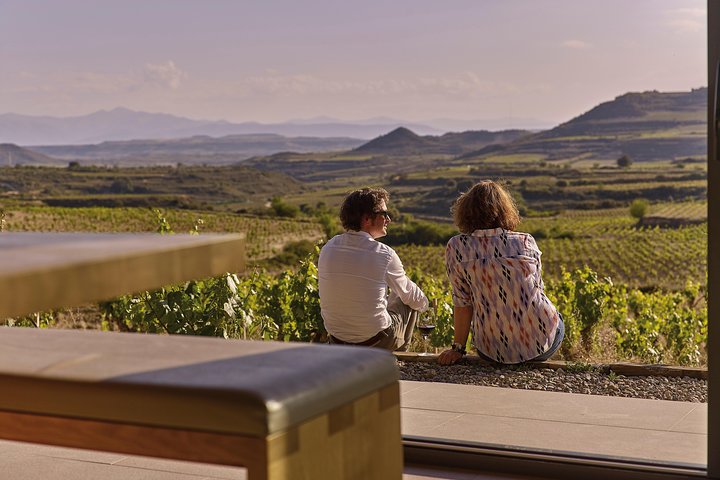
La Rioja wines and Laguardia tour from Logroño

Half Day Rioja Wine Tour

Small Group Walking Tour Pamplona

Baztan Valley Elizondo and Zugarramurdi


 Best Backpacking
.jpg) Hi, I’m Johan (Netherlands 🇳🇱), the creator of TakeYourBackpack. Over the past 3 decades, I’ve backpacked through 90+ countries across six continents, gaining extensive experience with independent travel, long-term trips, and overland routes.
Hi, I’m Johan (Netherlands 🇳🇱), the creator of TakeYourBackpack. Over the past 3 decades, I’ve backpacked through 90+ countries across six continents, gaining extensive experience with independent travel, long-term trips, and overland routes.