v2.webp)
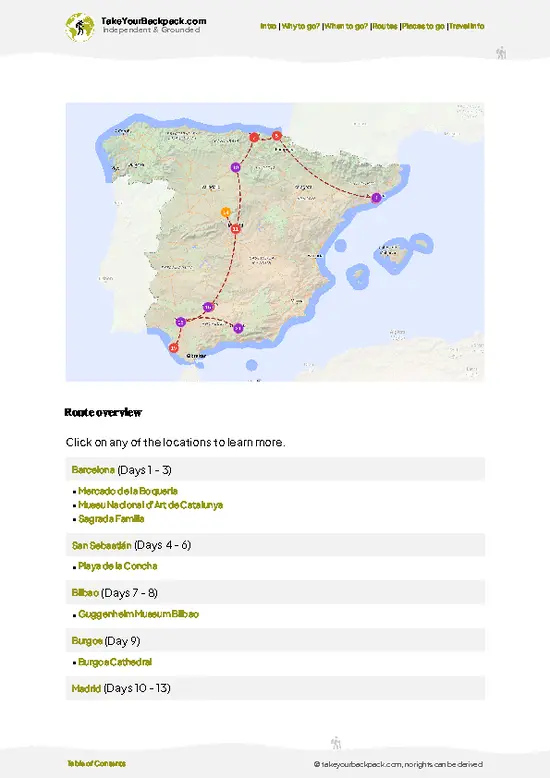
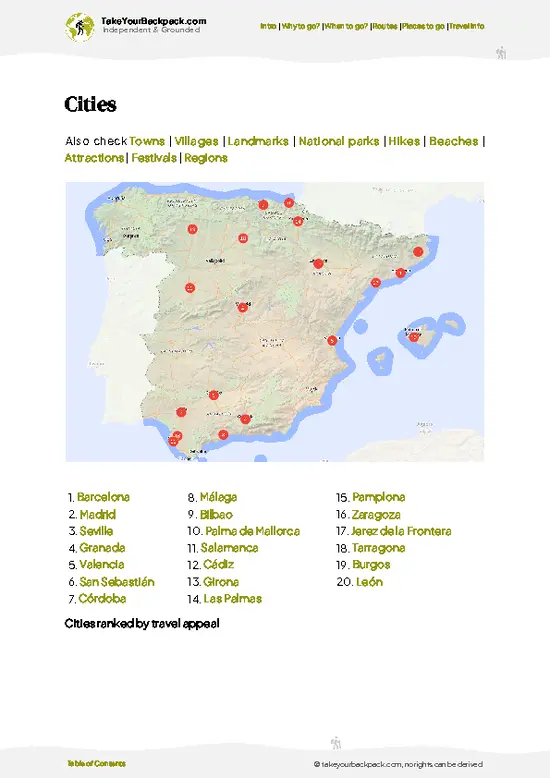
- Alcazaba of Almería — A sprawling 10th-century Moorish fortress that dominates the city skyline. Walk the ramparts, lose yourself in the gardens and courtyards, and get one of the best views over the port, beaches and the patchwork of whitewashed streets below.
- Cathedral of the Incarnation (Catedral de Almería) — A cathedral that looks like a fortress, built to double as protection against pirate raids. The mix of Gothic and Renaissance styles, the sturdy buttresses and the interior cloister give a real feel for how religion and defence blended here.
- Museo de Almería — Top-notch regional archaeology: Paleolithic flints, Phoenician and Roman finds, and detailed displays that explain why this coast mattered for millennia. It’s compact and well-curated, perfect for a rainy hour.
- Cable Inglés
- Alcazaba of Almería — A sprawling 10th-century Moorish fortress that dominates the city skyline. Walk the ramparts, lose yourself in the gardens and courtyards, and get one of the best views over the port, beaches and the patchwork of whitewashed streets below.
- Cathedral of the Incarnation (Catedral de Almería) — A cathedral that looks like a fortress, built to double as protection against pirate raids. The mix of Gothic and Renaissance styles, the sturdy buttresses and the interior cloister give a real feel for how religion and defence blended here.
- Museo de Almería — Top-notch regional archaeology: Paleolithic flints, Phoenician and Roman finds, and detailed displays that explain why this coast mattered for millennia. It’s compact and well-curated, perfect for a rainy hour.
- Cable Inglés (Muelle del Cable) — The rusted iron ore pier is an evocative industrial relic right by the sea. It’s photogenic at sunset and a tangible reminder of Almería’s 19th-20th century maritime trade history.
- Refugios de la Guerra Civil — An underground network of air-raid shelters beneath the old town. Guided visits are visceral and informative — you can actually feel the tension of the city during the 1930s.
- Centro Andaluz de la Fotografía (CAF) — Housed in the old Tabacalera, CAF has rotating exhibitions and a surprisingly creative programme for a city this size. Great for contemporary and documentary photography that connects to Andalusia.
- Mercado Central de Almería — A lively covered market where fishermen and farmers meet the city. Fresh seafood, jamón, citrus and tapas counters — go early, bring cash, and eat where the locals eat.
- Barrio de la Chanca — The traditional fishermen’s quarter at the foot of the Alcazaba. Narrow lanes, colourful façades, murals and small local bars give a rawer, more authentic slice of Almería life than the tourist trail.
- Playa de las Almadrabillas & Paseo Marítimo — The city’s main beaches and seafront promenade. Sand, cafes, long coastal walks and easy swims with the Alcazaba looming in the background — perfect for a lazy afternoon or sunset stroll.
- Paseo de Almería / Puerta de Purchena and the Old Town — The city’s social spine: palm-lined boulevards, plazas, tapas bars and the twisting lanes that lead up to historic pockets. Great for people-watching, coffee stops and spontaneous detours.
Spotted a mistake or missing something? Contact us.

Cabo de Gata Active. Guided kayak and snorkel route through coves of the Natural Park

Kayak y snorkell. Las mejores calas de Cabo de Gata

Fort Bravo Entrance Ticket

Stargazing Night in the Tabernas Desert

Full-Day Western Theme Park Tour of Mini Hollywood - Oasys

Cabo de Gata Natural Park from Roquetas, Aguadulce & Almeria

Caves of Sorbas Basic Route

Tapas, Drinks and the Culture of Almería

Alcazaba of Almeria


 Best Backpacking
.jpg) Hi, I’m Johan (Netherlands 🇳🇱), the creator of TakeYourBackpack. Over the past 3 decades, I’ve backpacked through 90+ countries across six continents, gaining extensive experience with independent travel, long-term trips, and overland routes.
Hi, I’m Johan (Netherlands 🇳🇱), the creator of TakeYourBackpack. Over the past 3 decades, I’ve backpacked through 90+ countries across six continents, gaining extensive experience with independent travel, long-term trips, and overland routes.