v2.webp)
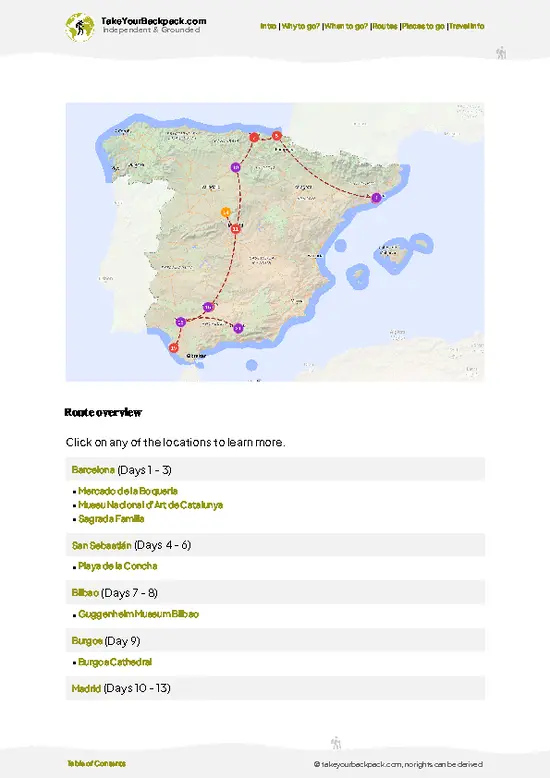
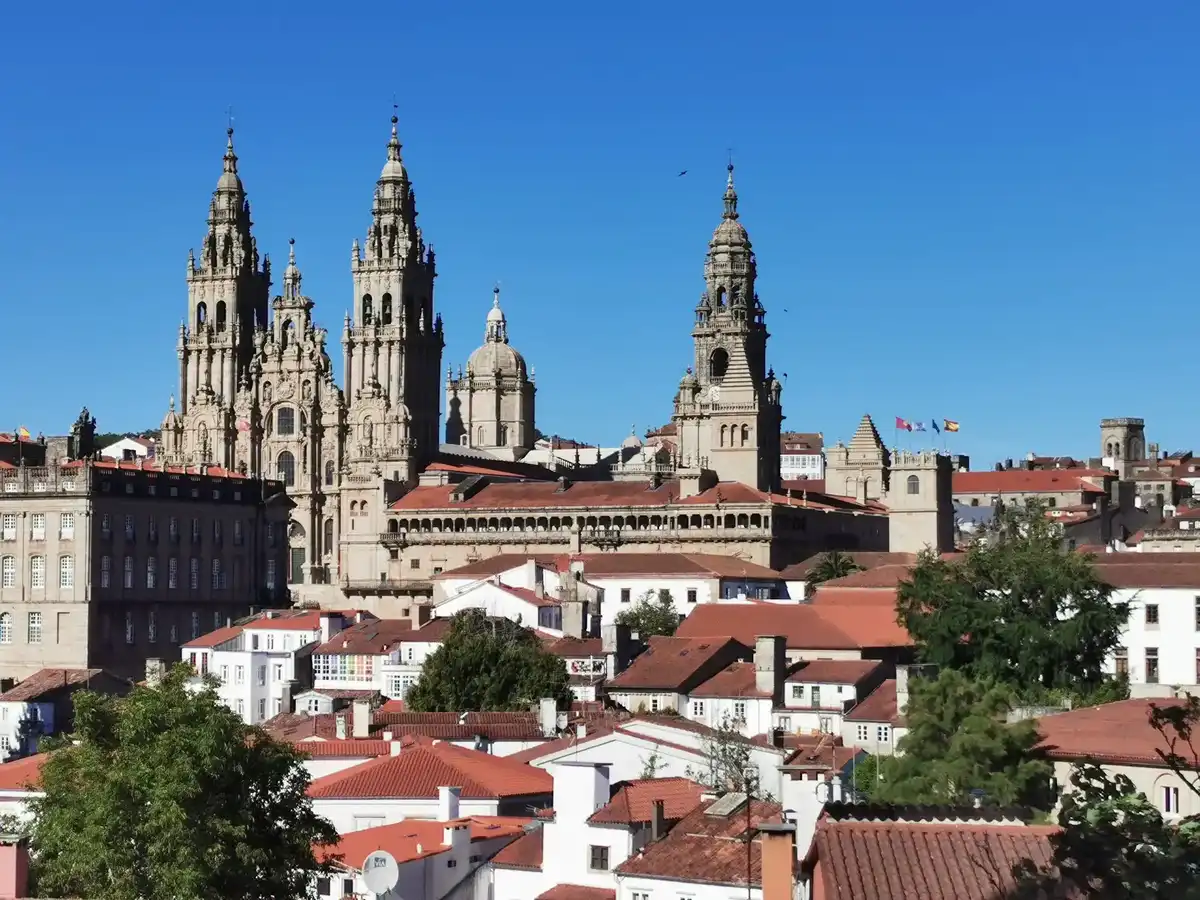
- Catedral de Santiago de Compostela — The obvious reason most people come: the tomb of Saint James, the dramatic Obradoiro façade, pilgrim rituals and masses, and (if you time it right) the chance to see the Botafumeiro swung; don’t skip the paid guided visit to the cathedral roofs for city views and a different perspective on the stonework.
- Pórtico da Gloria — A 12th-century Romanesque masterpiece by Master Mateo that anchors the cathedral’s spiritual and artistic identity; even if you’re not a medievalist, the storytelling stone sculpture and the tradition of pilgrims touching the figure of Saint James make it visceral and memorable.
- Hostal dos Reis Católicos (Parador) — A former royal hospital for pilgrims turned parador; the Plateresque façade and the cool cloistered courtyard are living
- Catedral de Santiago de Compostela — The obvious reason most people come: the tomb of Saint James, the dramatic Obradoiro façade, pilgrim rituals and masses, and (if you time it right) the chance to see the Botafumeiro swung; don’t skip the paid guided visit to the cathedral roofs for city views and a different perspective on the stonework.
- Pórtico da Gloria — A 12th-century Romanesque masterpiece by Master Mateo that anchors the cathedral’s spiritual and artistic identity; even if you’re not a medievalist, the storytelling stone sculpture and the tradition of pilgrims touching the figure of Saint James make it visceral and memorable.
- Hostal dos Reis Católicos (Parador) — A former royal hospital for pilgrims turned parador; the Plateresque façade and the cool cloistered courtyard are living history, and grabbing a coffee or a pastry here connects you to five centuries of pilgrim hospitality without staying overnight.
- Monasterio de San Martiño Pinario — One of the biggest monastic complexes in Spain with stunning Baroque interiors, high cloisters and a rooftop that gives you cathedral-adjacent panoramas; it’s a quieter alternative to the cathedral that still feels monumental.
- Mercado de Abastos — The city’s working market and the best short-order tapas scene: fresh Galician seafood, local cheeses, and a very local vibe. Go early, try the stalls’ tapas, and watch people shop like locals rather than tourists.
- Museo do Pobo Galego (Museum of the Galician People) — Ethnography, rural life, textiles, boats and the Galician cultural story housed in the former convent of Santo Domingo de Bonaval; the museum and its adjacent gardens give context to the language, music and crafts you’ll see around the city.
- Parque da Alameda — The city’s favorite green lung and vantage point: shady paths, century-old trees, and one of the best framed views of the cathedral across the plaza; it’s where locals sit with their lunch, read, and watch the city breathe.
- Cidade da Cultura de Galicia (Monte Gaiás) — Bold contemporary architecture by Peter Eisenman sitting on Monte Gaiás that offers rotating exhibitions, long terraces and striking photo ops; it’s a contrast to the old town and worth the short bus/taxi ride for the buildings and the walks around them.
- Museo das Peregrinacións e de Santiago — A focused museum on the Camino’s archaeology, relics and the centuries of pilgrimage that made the city famous; it’s great if you want the backstory behind the cathedral and to understand how the routes connect people and places.
- Rúa do Franco and the Old Quarter lanes — Narrow stone streets, lively tapas bars, tiny souvenir and artisan shops, and plazas like Quintana where everyday life meets pilgrimage traffic; wandering here—the food, the little bakeries, the street corners—is one of the truest ways to feel Santiago’s pulse.
Spotted a mistake or missing something? Contact us.

Excursion to Finisterre + Muxia + Costa da Morte (7 stops)

Excursion to Rias Baixas with Winery - Optional mussel boat

Masaje del Peregrino

Santiago de Compostela: Finisterre, Muxía & Costa da Morte

From Santiago: Tour to cathedrals Beach, Lugo and Asturias

Private tours Santiago de Compostela : choose your option

Guided Tour Santiago Cathedral, Museum and Old City

Guided tour of Bodegas Granbazán

Santiago de Compostela: Cheese and Wine Tasting Experience

 Best Backpacking
.jpg) Hi, I’m Johan (Netherlands 🇳🇱), the creator of TakeYourBackpack. Over the past 3 decades, I’ve backpacked through 90+ countries across six continents, gaining extensive experience with independent travel, long-term trips, and overland routes.
Hi, I’m Johan (Netherlands 🇳🇱), the creator of TakeYourBackpack. Over the past 3 decades, I’ve backpacked through 90+ countries across six continents, gaining extensive experience with independent travel, long-term trips, and overland routes.