×

Spain🇪🇸 | townsFisterraAtlantic headland, pilgrimage endpoint, windswept beaches | things to do and best time to go

Explore CáceresExplore Frigiliana

Backpacking in Fisterra
👌 Worth visitingtown ranked #20
By Johan Kruseman 🇳🇱 | Updated September 4, 2026

Most people think Fisterra is just “the extra bit after Santiago,” a sentimental add‑on to the Camino. It’s more than that. On the far Atlantic edge of Galicia, in Spain’s northwest corner, this small fishing town works best as a quiet end‑of‑the‑road base: beaches, moody cliffs, and the Faro de Fisterra lighthouse instead of nightlife. Buses from Santiago make it reachable, and you can walk almost everything, but it’s sleepy, cheaper than coastal hubs like A Coruña, and social mostly in a low‑key, Camino‑hostel way.

Discover everything you want to know in the 📖 Spain Travel Guide.


Get your Spain guide
148 ranked highlights, routes & tips, works offline (542 pages)
Loading the map 🌍
CLICK TO FILTER
cities
towns
villages
landmarks
national parks
hikes
beaches
attractions
festivals
regions
SHOW COUNTRY’S BESTSHOW ALL

✨ Why go?
Ranked #20 town in Spain
What makes this town worth visiting

Fisterra draws backpackers for its strategic location at the end of the Camino de Santiago, making it a natural stop for weary pilgrims and hikers. The coastal hikes around the town offer breathtaking views of the Atlantic, with trails that lead to secluded beaches where you can feel the sand between your toes and the salt in the air. The walkable streets are lined with small-scale hostels and guesthouses, fostering a friendly social atmosphere that invites solo travelers and small groups to share stories over local seafood dishes. Most visitors linger a few days, soaking in the laid-back vibe and exploring nearby cultural sites. It’s not a party town, but rather a haven for those seeking a slow travel experience. If you appreciate a blend of nature and community, Fisterra is your spot.
Want to include Fisterra in your Spain route?
Create a personalized Spain itinerary that includes Fisterra and the places that fit your trip — based on your travel style, budget, and available time. Get your route in seconds.

Generate my trip

💡 HighlightsMust-see experiences and standout moments

  • Faro de Fisterra (Cabo Fisterra Lighthouse) — The town’s signature spot: a working lighthouse on the rocky cape with brutal Atlantic views, a great sunset stand and the pilgrimage endpoint vibe that makes the walk there feel meaningful.
  • Praia da Langosteira — A long, sandy beach right next to town where locals walk, fly kites and watch storms roll in; perfect for a cleansing stroll after the Camino or a relaxed afternoon picnic.
  • Praia do Rostro — A smaller, raw cove on the cape’s northern side reached by footpaths; dramatic rock formations, quieter than Langosteira and surprisingly good for wild-swim believers when conditions allow.
  • Puerto de Fisterra (the harbour) — A working fishing port with colourful boats, fish stalls and seafood restaurants; great for watching daily life, grabbing
read more 👉
  • Faro de Fisterra (Cabo Fisterra Lighthouse) — The town’s signature spot: a working lighthouse on the rocky cape with brutal Atlantic views, a great sunset stand and the pilgrimage endpoint vibe that makes the walk there feel meaningful.
  • Praia da Langosteira — A long, sandy beach right next to town where locals walk, fly kites and watch storms roll in; perfect for a cleansing stroll after the Camino or a relaxed afternoon picnic.
  • Praia do Rostro — A smaller, raw cove on the cape’s northern side reached by footpaths; dramatic rock formations, quieter than Langosteira and surprisingly good for wild-swim believers when conditions allow.
  • Puerto de Fisterra (the harbour) — A working fishing port with colourful boats, fish stalls and seafood restaurants; great for watching daily life, grabbing fresh catch, and photographing authentic coastal activity.
  • Casco Vello (Old Town) and Paseo Marítimo — Narrow stone streets, low fishermen’s houses and a seaside promenade full of little bars and viewpoints that give the town its honest, lived-in character.
  • Igrexa de Santa María das Areas — The town’s main church near the port: modest, atmospheric and tied into local rituals and pilgrim visits, worth popping in for a moment of quiet and a sea-facing perspective.
  • Pilgrim Kilometre-Zero stone and ritual area — The well-known finishing point where many Camino walkers leave shells, stand in silence or perform the old ritual of burning a garment; visiting gives the place its full cultural weight, especially at sunset.
A few close day trips worth doing: the Santuario da Virxe da Barca in Muxía (my personal favorite), the giant Hórreo of Carnota and the wild lighthouse at Cabo Vilán — all easily reachable from Fisterra.
Spotted a mistake or missing something? Contact us.
🏘️ NeighborhoodsKey areas and districts to know

Fisterra, a coastal town steeped in history, offers a unique blend of rugged beauty and vibrant local culture. Here’s how to navigate its neighborhoods for the best experience.

Centro: This is the heart of Fisterra. You’ll find charming streets lined with cafes and shops. It’s walkable, making it easy to explore on foot. Prices here can be a bit higher, but the convenience is worth it. Perfect for short stays, you can soak in the local vibe without feeling rushed.

O Mar: A quieter area with stunning ocean views. It’s less touristy, so you’ll find more authentic dining options. The atmosphere is relaxed, ideal for unwinding after a long trek. While it’s a bit further from the main action, the tranquility makes it suitable for longer stays.

Praia de Langosteira: This beach area is a must … read more 👉
Fisterra, a coastal town steeped in history, offers a unique blend of rugged beauty and vibrant local culture. Here’s how to navigate its neighborhoods for the best experience.

Centro: This is the heart of Fisterra. You’ll find charming streets lined with cafes and shops. It’s walkable, making it easy to explore on foot. Prices here can be a bit higher, but the convenience is worth it. Perfect for short stays, you can soak in the local vibe without feeling rushed.

O Mar: A quieter area with stunning ocean views. It’s less touristy, so you’ll find more authentic dining options. The atmosphere is relaxed, ideal for unwinding after a long trek. While it’s a bit further from the main action, the tranquility makes it suitable for longer stays.

Praia de Langosteira: This beach area is a must for sun-seekers. It’s lively during the day, with plenty of spots to grab a bite. The nightlife is low-key, perfect for those who prefer a chill evening. Accessible by a short walk from the center, it’s great for both short and extended visits.

Each area has its own charm, so choose based on your vibe and needs.

⌛️ 1 daySeeing the highlights in 24 hours

Fisterra, perched on the edge of the world, is where the Atlantic crashes against rugged cliffs, and the scent of salt mingles with the earthy aroma of wild herbs. This small fishing town, often overlooked by the typical pilgrim route, offers a rich tapestry of history, culture, and stunning landscapes.

Start your morning with a stroll along the harbor, where fishing boats bob gently in the water. Grab a coffee at Café O Mar, where the barista serves up a perfect cortado, and the sun spills golden light over the water. After your caffeine fix, wander to the iconic Cape Finisterre lighthouse. The path is lined with wildflowers, and the views are breathtaking. It’s a short hike, but the payoff is immense—standing at the edge of the continent, you’ll feel the weight of the world lift.

In the … read more 👉
Fisterra, perched on the edge of the world, is where the Atlantic crashes against rugged cliffs, and the scent of salt mingles with the earthy aroma of wild herbs. This small fishing town, often overlooked by the typical pilgrim route, offers a rich tapestry of history, culture, and stunning landscapes.

Start your morning with a stroll along the harbor, where fishing boats bob gently in the water. Grab a coffee at Café O Mar, where the barista serves up a perfect cortado, and the sun spills golden light over the water. After your caffeine fix, wander to the iconic Cape Finisterre lighthouse. The path is lined with wildflowers, and the views are breathtaking. It’s a short hike, but the payoff is immense—standing at the edge of the continent, you’ll feel the weight of the world lift.

In the afternoon, explore the old town, particularly the narrow streets of the San Francisco neighborhood. Here, you’ll find the Church of Santa María das Areas, a hidden gem with intricate stonework. Stop by the local market, Mercado Municipal, for fresh seafood and artisan cheeses. The vibrant colors and lively chatter create an authentic atmosphere.

As evening falls, head to the beach at Langosteira. The golden sands are perfect for a sunset picnic. Grab some empanadas from a nearby shop and watch as the sky transforms into a canvas of oranges and purples. Fisterra isn’t just a destination; it’s an experience that lingers long after you leave.
Turn your Fisterra visit into an Spain adventure
Build a complete Spain route with Fisterra, hidden gems, must-see destinations, and realistic travel times included.

Generate my trip

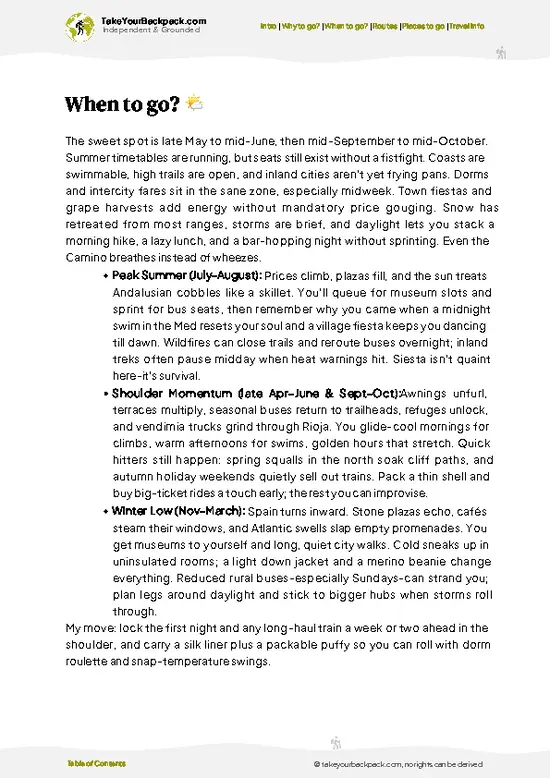
🌤️ When to go?Weather, crowds, and seasonal trade-offs


  • Weather: Spring and early autumn offer mild, stable weather—around 15-20°C (59-68°F)—perfect for hiking without the summer scorch or winter chill.

  • Daylight Hours: Late spring to early autumn stretches daylight to 14-16 hours, giving you more time to explore the rugged coastline and catch sunsets that linger like a slow burn.

  • Crowds: Summer draws pilgrims finishing the Camino de Santiago, making the town lively but packed. Shoulder seasons provide quieter streets and more authentic local interactions.

  • Seasonal Activities: Summer hosts festivals and seafood feasts, but spring’s wildflowers and autumn’s calmer seas offer a different, more introspective vibe.

  • Price Fluctuations: Accommodation and dining spike in July and August; booking in shoulder seasons can save you up to 30% while
read more 👉

  • Weather: Spring and early autumn offer mild, stable weather—around 15-20°C (59-68°F)—perfect for hiking without the summer scorch or winter chill.

  • Daylight Hours: Late spring to early autumn stretches daylight to 14-16 hours, giving you more time to explore the rugged coastline and catch sunsets that linger like a slow burn.

  • Crowds: Summer draws pilgrims finishing the Camino de Santiago, making the town lively but packed. Shoulder seasons provide quieter streets and more authentic local interactions.

  • Seasonal Activities: Summer hosts festivals and seafood feasts, but spring’s wildflowers and autumn’s calmer seas offer a different, more introspective vibe.

  • Price Fluctuations: Accommodation and dining spike in July and August; booking in shoulder seasons can save you up to 30% while still enjoying pleasant conditions.


Pro-tip: Aim for late May or September—when the light softens, the air smells of salt and pine, and you get the best blend of weather, space, and local flavor.


source: climatestotravel.comJANJanuary: fair for travelingFEBFebruary: fair for travelingMARMarch: good for travelingAPRApril: highly recommended for travelingMAYMay: excellent for travelingJUNJune: highly recommended for travelingJULJuly: good for travelingAUGAugust: good for travelingSEPSeptember: excellent for travelingOCTOctober: highly recommended for travelingNOVNovember: good for travelingDECDecember: fair for traveling
when-to-go

✈️ The backpacker research shortcutSpain Travel Guide

An offline-friendly backpacking guide with optimized travel routes, ranked highlights, transport advice, and the best areas to stay.
example page 0 from our offline Travel Guide for Spain
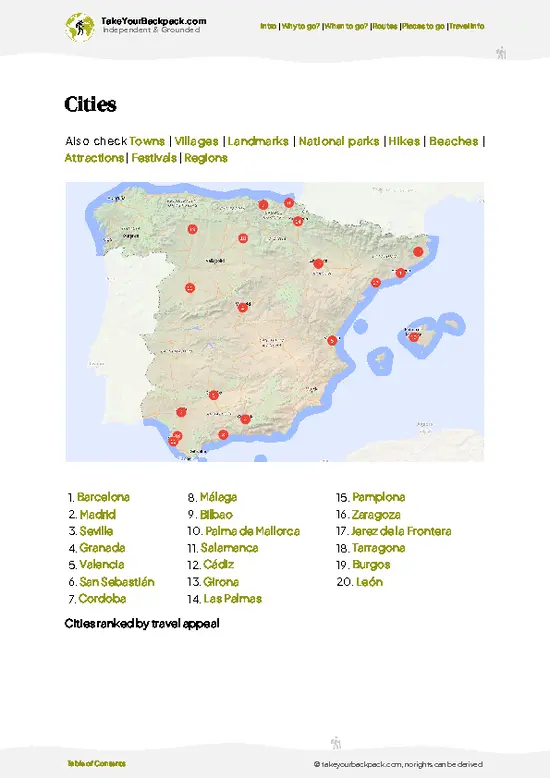
example page 1 from our offline Travel Guide for Spain
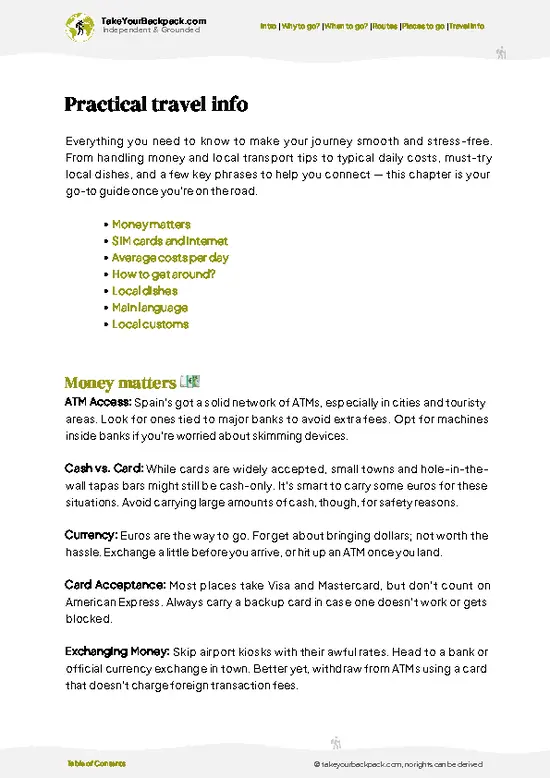
example page 2 from our offline Travel Guide for Spain
example page 3 from our offline Travel Guide for Spain
example page 4 from our offline Travel Guide for Spain
example page 5 from our offline Travel Guide for Spain
example page 6 from our offline Travel Guide for Spain
example page 7 from our offline Travel Guide for Spain
The digital guide (542 pages) contains:
148 highlights, ranked by travel appeal
Optimized 7, 14 & 21-day travel routes
Cities, national parks, landmarks, beaches
How to get around
Offline-friendly for travel without Wi-Fi
👉 Click to see all 30+ guide features

📅 Plan smarter in minutes, not weeks
Month by month travel advice
Festivals & national holidays
Budget expectations

🗺️ Go to the right places, skip the overrated ones
Honest pros & cons of destinations
Top hikes, parks & viewpoints
Lesser-known places most travelers miss
Clear “worth it vs skip it” guidance

🛏️ Travel smoothly without rookie mistakes
Best areas to stay
Transport systems explained simply
Common scams & safety advice
SIM cards, money & practical tips

🌍 Understand the country, not just visit it
Culture & traditions
52 Essential phrases & customs
Festivals worth planning around
Traveler-friendly historical context
Insights that make places more meaningful

📱 Built for real travel conditions
Fully downloadable PDF
Works completely offline
Optimized for phone use
Useful in remote areas & buses
Everything in one place
Save weeks of stressful planning
Get instant access to your full guide. 30‑day money-back guarantee.
+ Add another guide for just US$7.80

By proceeding you agree to our terms.
Sent to your inbox immediately after payment • 100% Secure Checkout
Best Backpacking Travel Advisor 2025 tourism awardBest Backpacking
Travel Advisor
2025
What others say about Take Your Backpack Guides:
⭐⭐⭐⭐⭐
Fantastic, amazing amount of information!
⭐⭐⭐⭐⭐
My goodness this is amazing, it's what I've been looking for hats off too you!
⭐⭐⭐⭐⭐
I think this is absolutely BRILLIANT
⭐⭐⭐⭐
Very complete and informative. It's still missing places, but I gotta to commend you
⭐⭐⭐⭐⭐
This is truly amazing, thank you, can't wait to explore it with my kids!
⭐⭐⭐⭐⭐
Awesome resource, thank you!
⭐⭐⭐⭐⭐
This is amazing! Can't wait to explore the ones I haven't seen
⭐⭐⭐⭐
I love this! Well done, great idea.
⭐⭐⭐⭐⭐
Thanks for taking the time to make this gem!
⭐⭐⭐⭐⭐
This might be the best website I've ever seen.
⭐⭐⭐⭐⭐
Congratulations, and thank you so much for your work; it's incredibly valuable.
⭐⭐⭐⭐
In all seriousness I think you did a great job pointing out the important spots
⭐⭐⭐⭐⭐
10/10 very good
⭐⭐⭐⭐⭐
As someone who's only just starting to visit regularly this is awesome, thank you.
⭐⭐⭐⭐
Thank you very much! I'm going to visit my dad, it's going to be very useful!
⭐⭐⭐⭐⭐
This is really cool! We'll be travelling for the first time and this definitely come in handy.
⭐⭐⭐⭐⭐
You are now our minister of culture, congratulations 👨‍💼
⭐⭐⭐⭐⭐
Just wanted to tell you that this is a pearl! Going to follow your recommendations.
⭐⭐⭐⭐⭐
This is so cool. I'll definitely be using the resource for my travels soon.
⭐⭐⭐⭐⭐
This is very impressive! Good work.
⭐⭐⭐⭐⭐
This is an amazing and informative site. Very well done!

🛏️ Where to stay?How to pick the right area

In Fisterra, the best spot for backpackers is the area around the town center, near the port. This zone hums with life—fishermen unloading their catch, cafes spilling salty air and the scent of fresh seafood. It’s safe, compact, and social, making it easy to meet fellow travelers without the hassle of long walks after a day on the Camino. Hostels cluster here, offering budget beds and communal spaces where stories flow as freely as the local Albariño wine. Compared to the quieter residential edges, this neighborhood pulses with energy and practical access to shops and the iconic lighthouse trails, … read more 👉
In Fisterra, the best spot for backpackers is the area around the town center, near the port. This zone hums with life—fishermen unloading their catch, cafes spilling salty air and the scent of fresh seafood. It’s safe, compact, and social, making it easy to meet fellow travelers without the hassle of long walks after a day on the Camino. Hostels cluster here, offering budget beds and communal spaces where stories flow as freely as the local Albariño wine. Compared to the quieter residential edges, this neighborhood pulses with energy and practical access to shops and the iconic lighthouse trails, making it the natural base for solo adventurers craving connection and convenience.

🚌 Getting aroundTransportation options and practical tips

Fisterra moves at the pace of the Atlantic tide—steady, unhurried, and shaped by the rhythm of fishermen hauling nets and pilgrims arriving with worn boots and hopeful eyes. This isn’t a place where buses run like clockwork or taxis swarm like city ants. Instead, it’s a town where you lean into the natural flow: mornings start with the salty breeze and the smell of fresh fish, afternoons stretch lazily under a sun that softens the rugged coastline, and evenings close with the quiet hum of locals gathering by the harbor. Understanding this flow means embracing a bit of patience and a lot of observation. Your best moves here come from blending with the locals’ timing rather than fighting it.


  • Walking: The heart of Fisterra is best explored on foot. The compact town and coastal paths invite
read more 👉
Fisterra moves at the pace of the Atlantic tide—steady, unhurried, and shaped by the rhythm of fishermen hauling nets and pilgrims arriving with worn boots and hopeful eyes. This isn’t a place where buses run like clockwork or taxis swarm like city ants. Instead, it’s a town where you lean into the natural flow: mornings start with the salty breeze and the smell of fresh fish, afternoons stretch lazily under a sun that softens the rugged coastline, and evenings close with the quiet hum of locals gathering by the harbor. Understanding this flow means embracing a bit of patience and a lot of observation. Your best moves here come from blending with the locals’ timing rather than fighting it.


  • Walking: The heart of Fisterra is best explored on foot. The compact town and coastal paths invite slow discovery, with every step revealing salt-sprayed cliffs and weathered stone streets. No cost, just wear sturdy shoes and follow the scent of the sea.

  • Local Bus: Runs mainly between Fisterra and nearby towns like Cee and Corcubión, with departures roughly every two hours from early morning until early evening. Tickets cost around €2-3, offering a budget-friendly, if somewhat infrequent, option.

  • Taxi: Taxis are available but limited; expect to pay €10-15 for short trips within town or to nearby beaches. They’re best for late arrivals or when you’re carrying heavy gear, but don’t count on them for spontaneous rides.

  • Bicycle Rental: A popular choice for those wanting to cover more ground without losing the coastal breeze. Rentals cost about €10-15 per day, and the terrain is a mix of gentle slopes and rugged paths—perfect for the fit and curious.

👛 Costs (as of 4 September 2026)What things cost and how to budget

Backpacking in Fisterra, Spain, offers a raw Atlantic edge that’s both invigorating and surprisingly affordable if you know where to look. Here’s how your daily costs typically break down:
  • Dorm Accommodation: Expect to pay around €15-€25 per night for a bed in a shared hostel dorm. Fisterra’s hostels are modest but clean, often with views of the sea or the rugged coastline. Booking ahead in high season is smart, as spots fill quickly.
  • Meals: A simple breakfast of coffee and a pastry runs about €3-€5. For lunch or dinner, local tapas bars offer plates for €6-€10. If you shop at the small markets and cook, you can keep food costs closer to €5-€7 per meal. Fresh seafood is a highlight but expect to pay a bit more, around €12-€18 for a decent portion.
  • Local Transport: Fisterra is compact, so
read more 👉
Backpacking in Fisterra, Spain, offers a raw Atlantic edge that’s both invigorating and surprisingly affordable if you know where to look. Here’s how your daily costs typically break down:
  • Dorm Accommodation: Expect to pay around €15-€25 per night for a bed in a shared hostel dorm. Fisterra’s hostels are modest but clean, often with views of the sea or the rugged coastline. Booking ahead in high season is smart, as spots fill quickly.
  • Meals: A simple breakfast of coffee and a pastry runs about €3-€5. For lunch or dinner, local tapas bars offer plates for €6-€10. If you shop at the small markets and cook, you can keep food costs closer to €5-€7 per meal. Fresh seafood is a highlight but expect to pay a bit more, around €12-€18 for a decent portion.
  • Local Transport: Fisterra is compact, so walking is your best bet and costs nothing. If you need a bus to nearby villages or the lighthouse, fares hover around €2-€4 one way. Taxis are rare and pricier, so reserve them for late nights or heavy packs.
  • Basic Activities/Entry Fees: Most of Fisterra’s charm is outdoors and free—hiking the cliffs, visiting the lighthouse, or wandering the harbor. Museums or small cultural sites charge minimal fees, usually €2-€5. Guided tours or boat trips can push your budget higher, around €20-€40.
  • Miscellaneous Expenses: Think water, snacks, occasional coffee stops, or a beer at a local bar. These add up to about €5-€10 daily. Keep a small buffer for unexpected needs like sunscreen or a phone top-up.

All told, you’re looking at roughly €35 to €60 per day to cover the essentials without skimping on the experience. Fisterra’s raw coastline and quiet streets reward those who embrace simplicity—walking the wind-swept paths, savoring local flavors, and soaking in the Atlantic’s chill. The cost is modest, but the payoff is a deep connection to a place where the journey feels as vital as the destination.


source: spain.info
⚠️ Prices can change and everyone travels differently, so take this as a rough guide. Hope it helps you plan your adventure!

🚌 Day tripsShort trips worth adding

Fisterra, with its rugged coastline and rich history, is a perfect launchpad for day trips that reveal the heart of Galicia. Each journey offers a unique taste of the region, blending adventure with cultural immersion.

1. Cape Finisterre
Just a short bus ride from Fisterra, Cape Finisterre is where the land meets the sea in a dramatic embrace. The lighthouse stands sentinel over crashing waves, and the scent of salt fills the air. Hike the trails that wind along the cliffs, and you’ll find yourself lost in the beauty of the Atlantic. This trip takes about 30 minutes, and you can easily spend a few hours exploring. Bring a picnic; it’s a common mistake to rush back without soaking in the views. Expect to spend around €5 on transport. Late spring or early fall offers the best weather for … read more 👉
Fisterra, with its rugged coastline and rich history, is a perfect launchpad for day trips that reveal the heart of Galicia. Each journey offers a unique taste of the region, blending adventure with cultural immersion.

1. Cape Finisterre
Just a short bus ride from Fisterra, Cape Finisterre is where the land meets the sea in a dramatic embrace. The lighthouse stands sentinel over crashing waves, and the scent of salt fills the air. Hike the trails that wind along the cliffs, and you’ll find yourself lost in the beauty of the Atlantic. This trip takes about 30 minutes, and you can easily spend a few hours exploring. Bring a picnic; it’s a common mistake to rush back without soaking in the views. Expect to spend around €5 on transport. Late spring or early fall offers the best weather for this trek.


2. Muxía
A 40-minute bus ride will take you to Muxía, a charming fishing village that feels like a step back in time. The iconic sanctuary of Nosa Señora da Barca is perched on the rocks, surrounded by the sound of waves and the scent of fresh seafood. Spend your day wandering the coastline or enjoying a meal of pulpo (octopus) at a local eatery. Budget about €10 for the round trip, and don’t miss the sunset; it’s a mistake to leave before the sky ignites. Spring and early summer are ideal for this trip.


3. Santiago de Compostela
Just over an hour away by bus, Santiago is a must-see for its stunning cathedral and vibrant atmosphere. The streets are alive with the chatter of pilgrims and locals alike, and the aroma of freshly baked pastries wafts through the air. Spend the day exploring the historic center, but be mindful of time; it’s easy to get lost in the charm. A round trip will cost around €15. Aim for a weekday to avoid crowds, especially in the summer months.
👉 Explore Santiago de Compostela

4. Carnota Beach
For a taste of Galicia’s stunning coastline, head to Carnota Beach, about 30 minutes from Fisterra. This long stretch of sand is perfect for a relaxing day under the sun or a refreshing swim. The beach is less crowded than others, making it a peaceful escape. Bring snacks; many first-timers overlook the limited dining options nearby. Expect to spend about €5 on transport, and late spring is the best time to enjoy the beach without the summer rush.
Want to know what more Spain offers?
The Spain Travel Guide describes 148 highlights, from cities to national parks, from beaches to hikes

Get the Travel Guide -

🛡️ SafetyTraveler Safety Guide

Fisterra is generally safe, but a few practical tips can enhance your experience. Stick to well-lit areas at night, especially along the waterfront. The charm of the town can draw you in, but keep your belongings close in crowded spots, like the bustling market or during festivals.

Watch for the occasional street performer who might ask for tips in a way that feels more like a demand. If someone approaches you with an overly friendly demeanor, maintain a polite distance.

Solo travelers should embrace the local vibe but trust your instincts. If something feels off, it probably is. Enjoy the beauty of Fisterra, but stay aware, and you’ll savor every moment.

FAQFrequently asked questions about Fisterra

Yes, Fisterra is worth visiting for its unique location at the westernmost point of mainland Spain and its stunning coastal views. It offers a peaceful atmosphere and cultural significance as the traditional end of the Camino de Santiago pilgrimage. Many travelers find it more than just a stopover due to its natural beauty and historical sites.
Two days are sufficient to explore Fisterra thoroughly. This allows time to visit the lighthouse, enjoy the beaches, hike nearby trails, and experience local seafood cuisine. One full day is often used to relax and take in the sunset over the Atlantic Ocean.
Yes, Fisterra can be visited as a day trip from nearby cities like Santiago de Compostela, which is about 90 kilometers away. The drive takes around 1.5 to 2 hours each way, making it feasible for a long day trip. However, staying overnight is recommended to fully appreciate the area without rushing.
⚠️ Things can change over time, so always validate details locally before you go.

Other Spanish towns near Fisterra

Explore more nearby:

  • Santiago de Compostela—Cathedral square, pilgrim routes, arcaded streets| 59 km away
  • Pontevedra—Pedestrian squares, Galician tapas, riverside promenades| 73 km away
  • Lugo—Roman walls, riverside walks, local markets| 139 km away

💡 Not sure where to go next?
Create a personalized itinerary for Spain including Fisterra and the places that fit your trip.

Generate my itinerary

👉 Discover all towns

Or checkout all Spain has to offer (think cities, towns, villages, national parks, hikes, beaches, festivals)
Country photo of Spain

We 💚 feedbackKey takeaways before you go

Fisterra’s sunsets are a painter’s dream, with the sky igniting in fiery oranges and deep purples as the waves crash below. But be ready for the wind; it can whip through the town like a mischievous child. Embrace it. That raw energy adds to the charm, reminding you that beauty often comes with a bit of grit.

✈️ When did I visit Spain?
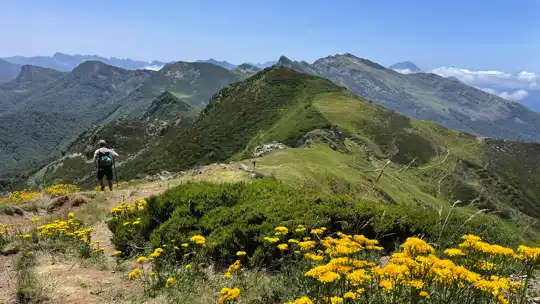
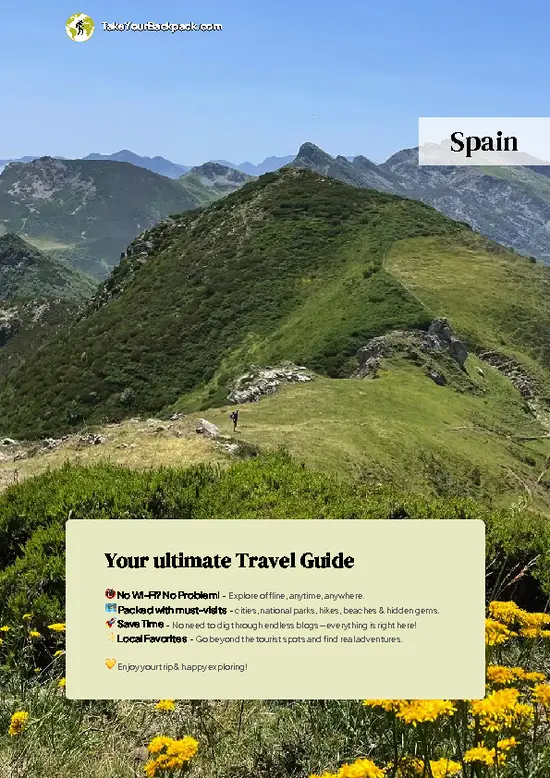
With Spain having so much to offer, I have visited it many times. Best trip was a hiking tour in the Picos de Europa in the North of Spain in July 2023.

✍️ Help improve this page!
The information on this page is based on my own backpacking experience in Spain, supplemented with up-to-date research and feedback from other travelers. Travel details can change, so if you notice anything outdated or incomplete, feel free to let me know.


🙋‍♂️ Give feedback

👋 Meet the founderWho’s Behind Take Your Backpack?

Johan, backpacker and founder of TakeYourBackpackHi, I’m Johan (Netherlands 🇳🇱), the creator of TakeYourBackpack. Over the past decade, I’ve backpacked through 80+ countries across six continents, gaining extensive experience with independent travel, long-term trips, and overland routes.

This site is built on a combination of firsthand travel experience and carefully curated insights from other backpackers. Many guides are based on places I’ve personally visited, while others bring together tips, observations, and practical advice shared by trusted travelers I’ve met along the way.

The goal is to provide realistic, experience-driven guidance — not generic itineraries — so you can explore destinations with better context, clearer expectations, and more confidence.

Get full Spain guide •
Instant download • 148 highlights • Full Offline guide