v2.webp)
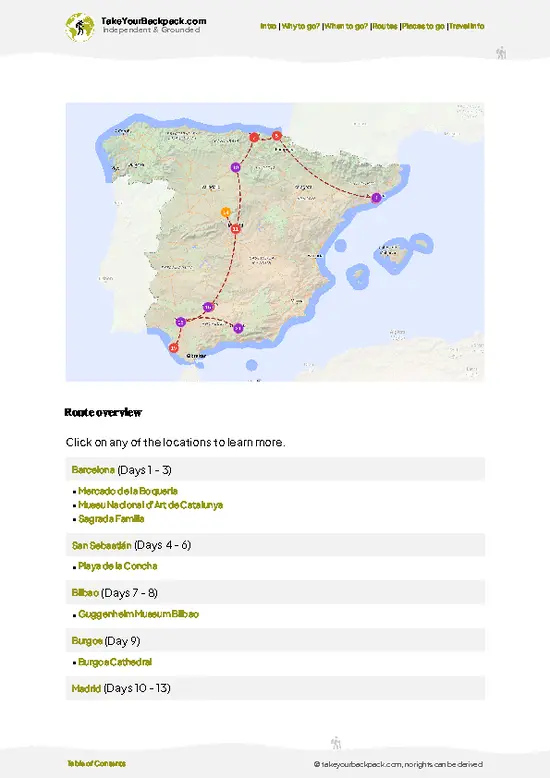
- Acueducto de Segovia — The Roman aqueduct is the city’s heartbeat: walk right up under its arches at Plaza del Azoguejo to feel the scale and imagine Roman logistics; great at sunrise or lit at night.
- Alcázar of Segovia — A fairy-tale fortress with towers, royal rooms and a steep stair to a panoramic lookout; its military museum and sheer silhouette on the rock are why people keep coming back.
- Catedral de Santa María — One of Spain’s late Gothic masterpieces on the Plaza Mayor; the interior, choir stalls and the climbable tower reward you with art, history and skyline views.
- La Judería (old Jewish Quarter) — Narrow, atmospheric lanes where you can still read the medieval street plan in doorways and stones; great for wandering, small shops and imagining Segovia’s layered past.
- Casa de
- Acueducto de Segovia — The Roman aqueduct is the city’s heartbeat: walk right up under its arches at Plaza del Azoguejo to feel the scale and imagine Roman logistics; great at sunrise or lit at night.
- Alcázar of Segovia — A fairy-tale fortress with towers, royal rooms and a steep stair to a panoramic lookout; its military museum and sheer silhouette on the rock are why people keep coming back.
- Catedral de Santa María — One of Spain’s late Gothic masterpieces on the Plaza Mayor; the interior, choir stalls and the climbable tower reward you with art, history and skyline views.
- La Judería (old Jewish Quarter) — Narrow, atmospheric lanes where you can still read the medieval street plan in doorways and stones; great for wandering, small shops and imagining Segovia’s layered past.
- Casa de los Picos — That spiky stone façade is unforgettable. Inside is an arts school and rotating exhibitions; the exterior alone makes for a good photo break away from the main tourist track.
- Real Casa de la Moneda (Royal Mint) — An 18th-century industrial jewel turned museum: see minting history, old machines and a handsome neoclassical building that speaks to Segovia’s economic role in the past.
- Casa-Museo Antonio Machado — The modest house where the poet lived and taught; quiet, literary and surprisingly intimate — a must if you like Spanish letters and everyday history.
- Monastery of Santa María del Parral — A tuckedaway monastic complex with a contemplative cloister, interesting art and quieter vibes than the big tourist sites — a real pause from the crowds.
- Convent of San Antonio el Real — Small but rich: restored Mudéjar interiors, decorative tilework and cloisters that reveal the mixing of styles that shaped Castilian architecture.
- Mirador / Pradera de San Marcos — One of the best low-effort viewpoints: a grassy spot where locals picnic and you get an unbeatable composition of aqueduct, Alcázar and old town — perfect for a sunset beer or a quick photo.
Spotted a mistake or missing something? Contact us.
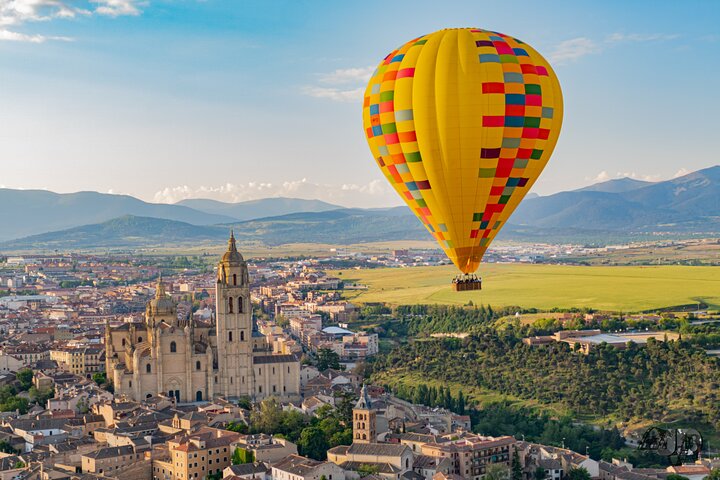
Hot-Air Balloon Ride over Segovia with Optional Transport from Madrid

Hot Air Balloon Flight Over Segovia or Toledo

Hot Air Balloon over Segovia with Optional Transfers from Madrid

Segovia from the Skies: Sunrise Balloon Ride

Segovia Balloons

Skip the Line Admission Ticket to Cathedral of Segovia

Balloon flight at sunrise in Segovia

Balloon Rides in Segovia with Optional transportation from Madrid

Segovia Walking Private Tour 3 hours with tickets included


 Best Backpacking
.jpg) Hi, I’m Johan (Netherlands 🇳🇱), the creator of TakeYourBackpack. Over the past 3 decades, I’ve backpacked through 90+ countries across six continents, gaining extensive experience with independent travel, long-term trips, and overland routes.
Hi, I’m Johan (Netherlands 🇳🇱), the creator of TakeYourBackpack. Over the past 3 decades, I’ve backpacked through 90+ countries across six continents, gaining extensive experience with independent travel, long-term trips, and overland routes.