×

Spain🇪🇸 | townsÁvilaMedieval walls, granite towers, quiet convents | things to do and best time to go

Explore ToledoExplore Lugo

Backpacking in Ávila
UNESCO World Heritage site
🌟 Highlighttown ranked #7
By Johan Kruseman 🇳🇱 | Updated October 16, 2026

Most people online sell Ávila as a quick “see the walls and go” stop, but for a backpacker it’s quietly one of central Spain’s best cheap overnights for cool air, heavy food, and slow evenings. Sitting in Castilla y León, west of Madrid and a bit north of the main Madrid-Salamanca line, it feels closer in mood to a stone village than a city. The walled center is compact and walkable, trains and buses from Madrid are straightforward, and once you’re inside the walls you won’t need transport. It’s calm, not a hostel circus: more cafés and old bars than pub crawls, so meeting other travelers happens, just not on demand. Prices run lower than Madrid or Segovia, safety is solid, and it works best as a one- or two-night pause between big cities, with crisp evenings and hearty chuletón as your reward.

Discover everything you want to know in the 📖 Spain Travel Guide.


example page 0 from our offline Travel Guide for Spain
example page 1 from our offline Travel Guide for Spain
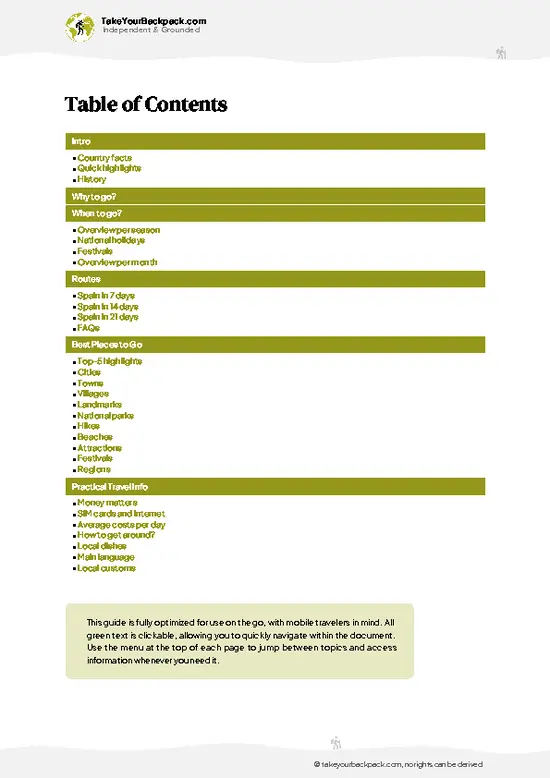
example page 2 from our offline Travel Guide for Spain
example page 3 from our offline Travel Guide for Spain
example page 4 from our offline Travel Guide for Spain
example page 5 from our offline Travel Guide for Spain
example page 6 from our offline Travel Guide for Spain
example page 7 from our offline Travel Guide for Spain
Loading the map 🌍
CLICK TO FILTER
cities
towns
villages
landmarks
national parks
hikes
beaches
attractions
festivals
regions
SHOW COUNTRY’S BESTSHOW ALL

✨ Why go?
Ranked #7 town in Spain
What makes this town worth visiting

Backpackers flock to Ávila for its strategic location along popular hiking routes and its proximity to cultural treasures. The town’s medieval walls create a unique atmosphere, inviting you to explore its walkable streets. Small-scale hostels and guesthouses offer cozy, affordable stays, perfect for solo travelers or small groups looking to connect. The local food scene, rich with hearty dishes, adds flavor to your experience. While many pass through, lingering a few days allows for deeper exploration of nearby natural parks and historical sites. It’s a place for those who appreciate a friendly vibe over nightlife, making it ideal for slow travelers seeking authenticity.

💡 HighlightsTop highlights of Ávila

  • Murallas de Ávila (the City Walls) — One of the best-preserved medieval walls in Europe; you can walk long stretches on the ramparts, poke into towers like the Puerta del Alcázar and Puerta de San Vicente, and get unbeatable up-close views of Ávila’s compact old town.
  • Catedral de Ávila (Catedral del Salvador) — Spain’s early Gothic cathedral literally grows out of the city wall; the stonework, crypt, cloister and stained glass are worth lingering over, and the building’s dual role as fortress and church tells the city’s story in one place.
  • Basilica de San Vicente — A Romanesque jewel with exquisitely carved sarcophagi of the martyr siblings, a serene cloister and strong local devotion—beautiful architecture without the big crowds.
  • Casa Natal de Santa Teresa — The humble house where Saint
… read more 👉
  • Murallas de Ávila (the City Walls) — One of the best-preserved medieval walls in Europe; you can walk long stretches on the ramparts, poke into towers like the Puerta del Alcázar and Puerta de San Vicente, and get unbeatable up-close views of Ávila’s compact old town.
  • Catedral de Ávila (Catedral del Salvador) — Spain’s early Gothic cathedral literally grows out of the city wall; the stonework, crypt, cloister and stained glass are worth lingering over, and the building’s dual role as fortress and church tells the city’s story in one place.
  • Basilica de San Vicente — A Romanesque jewel with exquisitely carved sarcophagi of the martyr siblings, a serene cloister and strong local devotion—beautiful architecture without the big crowds.
  • Casa Natal de Santa Teresa — The humble house where Saint Teresa of Ávila was born now functions as a museum; it’s the best place to understand her life, Carmelite spirituality and why Ávila still revolves around her legacy.
  • Monasterio de Santo Tomás — A late-Gothic/Isabelline monastery with royal tombs, an ornate choir and impressive cloister—great for history buffs who like a mix of art, politics and ordination-era architecture.
  • Museo de Ávila (Palacio de los Verdugo) — Housed in a Renaissance palace, the provincial museum packs archaeology, medieval religious art and local artifacts into a compact visit that gives context to everything you see on the streets.
  • Torreón de los Guzmanes — The powerful stone keep that anchors Ávila’s medieval nobility; the exterior and occasional open-courtyard visits are very photogenic and a plain reminder of the city’s feudal past.
  • Plaza del Mercado Chico & Plaza Mayor — Two neighboring squares where locals shop, sit for tapas and watch the world go by; perfect for tasting Ávila (both literally—try the yema sweets—and socially) and feeling how the city lives today.
  • Centro de Interpretación de la Muralla — Small but useful: the interpretation center gives maps, models and history that make a rampart walk far more rewarding—start here if you want the backstory and tips for the best sections to climb.
  • Los Cuatro Postes viewpoint — A short climb to a tiny chapel and four stone posts that frame the walled city; it’s the classic postcard view and especially magical at sunset—simple, panoramic and unmistakably Ávila.
A few easy day trips nearby: Segovia (Roman aqueduct and Alcázar), Salamanca (University and Plaza Mayor), El Escorial (Royal Monastery) and the Sierra de Gredos for hiking—the Sierra de Gredos is my personal favorite for a quick nature escape.
Spotted a mistake or missing something? Contact us.

🏘️ NeighborhoodsNeighborhood guide to Ávila

Ávila is a captivating blend of history and vibrant life, perfect for backpackers seeking both culture and comfort.

Old Town: This UNESCO World Heritage site is where you’ll find the iconic medieval walls. The vibe is rich with history, and you can easily wander the cobblestone streets. Costs are moderate; hostels and budget hotels are plentiful. Walkability is a breeze, making it ideal for short stays. Nightlife is low-key, with cozy bars perfect for unwinding after a day of exploration.

San Antonio: A quieter neighborhood, San Antonio offers a more local experience. It’s less touristy, with affordable eateries and small shops. The atmosphere is relaxed, making it suitable for longer stays. Public transport is accessible, but walking is still the best way to soak in the charm.

La Universidad: … read more 👉
Ávila is a captivating blend of history and vibrant life, perfect for backpackers seeking both culture and comfort.

Old Town: This UNESCO World Heritage site is where you’ll find the iconic medieval walls. The vibe is rich with history, and you can easily wander the cobblestone streets. Costs are moderate; hostels and budget hotels are plentiful. Walkability is a breeze, making it ideal for short stays. Nightlife is low-key, with cozy bars perfect for unwinding after a day of exploration.

San Antonio: A quieter neighborhood, San Antonio offers a more local experience. It’s less touristy, with affordable eateries and small shops. The atmosphere is relaxed, making it suitable for longer stays. Public transport is accessible, but walking is still the best way to soak in the charm.

La Universidad: This area buzzes with student energy. Expect lively cafés and a youthful vibe. Costs are generally lower, and it’s a great spot for nightlife, with bars that stay open late. Perfect for those looking to mingle and enjoy a vibrant atmosphere.

⌛️ 1 daySeeing the highlights in 24 hours

Ávila, with its medieval walls and rich history, feels like stepping into a living storybook. The air is crisp, carrying the scent of roasted chestnuts from street vendors, inviting you to explore its cobblestone streets.

Start your morning at the iconic Plaza del Mercado Chico, where the sun casts playful shadows on the ancient buildings. Grab a coffee and a buttery *yema* pastry from a local bakery. The sweetness of the pastry pairs perfectly with the robust coffee, setting a delightful tone for the day.

As you wander, make your way to the Ávila Cathedral. Its austere beauty is captivating, and if you climb to the top, the panoramic views of the surrounding landscape are worth every step. For a less-traveled path, head to the Monastery of Santo Tomás. This serene spot, often overlooked, … read more 👉
Ávila, with its medieval walls and rich history, feels like stepping into a living storybook. The air is crisp, carrying the scent of roasted chestnuts from street vendors, inviting you to explore its cobblestone streets.

Start your morning at the iconic Plaza del Mercado Chico, where the sun casts playful shadows on the ancient buildings. Grab a coffee and a buttery *yema* pastry from a local bakery. The sweetness of the pastry pairs perfectly with the robust coffee, setting a delightful tone for the day.

As you wander, make your way to the Ávila Cathedral. Its austere beauty is captivating, and if you climb to the top, the panoramic views of the surrounding landscape are worth every step. For a less-traveled path, head to the Monastery of Santo Tomás. This serene spot, often overlooked, offers a glimpse into the town’s spiritual heritage and a quiet moment away from the crowds.

In the afternoon, stroll along the city walls. The light filtering through the stone creates a magical atmosphere. As evening approaches, find a cozy restaurant in the San Segundo neighborhood. Savor a plate of *chuletón*—the local beef steak—while the sun sets, painting the sky in hues of orange and pink.

Ávila isn’t just a destination; it’s an experience that lingers long after you leave.

🌤️ When to go?Seasonal considerations and timing

  • Weather: Ávila’s high altitude means winters bite hard, often dropping below 0°C (32°F), with snow dusting the medieval walls. Summers are dry and warm, hovering around 25°C (77°F), but the sun can feel sharp against the stone streets.
  • Temperature: Spring and autumn offer a sweet spot—daytime temps between 15-20°C (59-68°F) feel just right for wandering without overheating or bundling up.
  • Daylight Hours: In summer, you get long evenings stretching past 9 pm, perfect for lingering over tapas outside. Winter days shrink to about 9 hours, making sightseeing feel rushed.
  • Crowds: Peak summer draws tourists to the famous walls and festivals, so expect busy streets and pricier stays. Shoulder seasons bring quieter mornings and a more local vibe.
  • Seasonal Activities: The April Holy Week processions
… read more 👉
  • Weather: Ávila’s high altitude means winters bite hard, often dropping below 0°C (32°F), with snow dusting the medieval walls. Summers are dry and warm, hovering around 25°C (77°F), but the sun can feel sharp against the stone streets.
  • Temperature: Spring and autumn offer a sweet spot—daytime temps between 15-20°C (59-68°F) feel just right for wandering without overheating or bundling up.
  • Daylight Hours: In summer, you get long evenings stretching past 9 pm, perfect for lingering over tapas outside. Winter days shrink to about 9 hours, making sightseeing feel rushed.
  • Crowds: Peak summer draws tourists to the famous walls and festivals, so expect busy streets and pricier stays. Shoulder seasons bring quieter mornings and a more local vibe.
  • Seasonal Activities: The April Holy Week processions and September’s medieval festival pack the town with energy and tradition, but they also mean higher prices and booked-up accommodations.
  • Price Fluctuations: Summer and festival times push lodging and dining costs up by 20-30%. Off-season, especially winter, offers the best deals but fewer open venues.
Pro-tip: Aim for late spring or early autumn—when the light softens, the air smells of pine and roasting chestnuts, and Ávila’s stone walls glow without the crush of crowds or the sting of cold.


source: climatestotravel.comJANJanuary: fair for travelingFEBFebruary: fair for travelingMARMarch: good for travelingAPRApril: highly recommended for travelingMAYMay: excellent for travelingJUNJune: highly recommended for travelingJULJuly: good for travelingAUGAugust: good for travelingSEPSeptember: highly recommended for travelingOCTOctober: excellent for travelingNOVNovember: good for travelingDECDecember: fair for traveling
when-to-go

✈️ The backpacker research shortcutSpain Travel Guide

An offline-friendly backpacking guide with optimized travel routes, ranked highlights, transport advice, and the best areas to stay.
example page 0 from our offline Travel Guide for Spain
example page 1 from our offline Travel Guide for Spain
example page 2 from our offline Travel Guide for Spain
example page 3 from our offline Travel Guide for Spain
example page 4 from our offline Travel Guide for Spain
example page 5 from our offline Travel Guide for Spain
example page 6 from our offline Travel Guide for Spain
example page 7 from our offline Travel Guide for Spain
The digital guide (543 pages) contains:
✅ 147 highlights, ranked by travel appeal
✅ Optimized 7, 14 & 21-day travel routes
✅ Cities, national parks, landmarks, beaches
✅ How to get around
✅ Offline-friendly for travel without Wi-Fi
👉 Click to see all 30+ guide features

📅 Plan smarter in minutes, not weeks
✅ Month by month travel advice
✅ Festivals & national holidays
✅ Budget expectations

🗺️ Go to the right places, skip the overrated ones
✅ Honest pros & cons of destinations
✅ Top hikes, parks & viewpoints
✅ Lesser-known places most travelers miss
✅ Clear “worth it vs skip it” guidance

🛏️ Travel smoothly without rookie mistakes
✅ Best areas to stay
✅ Transport systems explained simply
✅ Common scams & safety advice
✅ SIM cards, money & practical tips

🌍 Understand the country, not just visit it
✅ Culture & traditions
✅ 52 Essential phrases & customs
✅ Festivals worth planning around
✅ Traveler-friendly historical context
✅ Insights that make places more meaningful

📱 Built for real travel conditions
✅ Fully downloadable PDF
✅ Works completely offline
✅ Optimized for phone use
✅ Useful in remote areas & buses
✅ Everything in one place
Stop searching, start planning
Get instant access to your full guide. 30‑day money-back guarantee.
+ Add another guide for just

By proceeding you agree to our terms.
Sent to your inbox immediately after payment • 100% Secure Checkout
Best Backpacking Travel Advisor 2025 tourism awardBest Backpacking
Travel Advisor
2025
What others say about Take Your Backpack Guides:
⭐⭐⭐⭐⭐
Fantastic, amazing amount of information!
⭐⭐⭐⭐⭐
My goodness this is amazing, it's what I've been looking for hats off too you!
⭐⭐⭐⭐⭐
I think this is absolutely BRILLIANT
⭐⭐⭐⭐
Very complete and informative. It's still missing places, but I gotta to commend you
⭐⭐⭐⭐⭐
This is truly amazing, thank you, can't wait to explore it with my kids!
⭐⭐⭐⭐⭐
Awesome resource, thank you!
⭐⭐⭐⭐⭐
This is amazing! Can't wait to explore the ones I haven't seen
⭐⭐⭐⭐
I love this! Well done, great idea.
⭐⭐⭐⭐⭐
Thanks for taking the time to make this gem!
⭐⭐⭐⭐⭐
This might be the best website I've ever seen.
⭐⭐⭐⭐⭐
Congratulations, and thank you so much for your work; it's incredibly valuable.
⭐⭐⭐⭐
In all seriousness I think you did a great job pointing out the important spots
⭐⭐⭐⭐⭐
10/10 very good
⭐⭐⭐⭐⭐
As someone who's only just starting to visit regularly this is awesome, thank you.
⭐⭐⭐⭐
Thank you very much! I'm going to visit my dad, it's going to be very useful!
⭐⭐⭐⭐⭐
This is really cool! We'll be travelling for the first time and this definitely come in handy.
⭐⭐⭐⭐⭐
You are now our minister of culture, congratulations 👨‍💼
⭐⭐⭐⭐⭐
Just wanted to tell you that this is a pearl! Going to follow your recommendations.
⭐⭐⭐⭐⭐
This is so cool. I'll definitely be using the resource for my travels soon.
⭐⭐⭐⭐⭐
This is very impressive! Good work.
⭐⭐⭐⭐⭐
This is an amazing and informative site. Very well done!

🛏️ Where to stay?Best areas to stay in Spain

Ávila’s old town is the undeniable heart for backpackers—safe, walkable, and buzzing with just enough life to feel connected without overwhelming. Staying inside the city walls means you wake up to the scent of aged stone and the soft echo of footsteps on cobblestones, a sensory reminder that you’re living history. This area is compact, so you’re never far from a café where locals sip strong coffee or a plaza where travelers swap stories over tapas. It’s social without being touristy, striking a balance that’s rare in small Spanish towns.

Hostels cluster near the main squares and the cathedral, … read more 👉
Ávila’s old town is the undeniable heart for backpackers—safe, walkable, and buzzing with just enough life to feel connected without overwhelming. Staying inside the city walls means you wake up to the scent of aged stone and the soft echo of footsteps on cobblestones, a sensory reminder that you’re living history. This area is compact, so you’re never far from a café where locals sip strong coffee or a plaza where travelers swap stories over tapas. It’s social without being touristy, striking a balance that’s rare in small Spanish towns.

Hostels cluster near the main squares and the cathedral, making it easy to meet fellow backpackers while still having quiet corners to retreat to. The vibe here is relaxed but lively—think evening strolls under amber streetlights and the occasional street musician weaving through the alleys. Compared to the newer neighborhoods outside the walls, which feel more residential and less engaging for solo travelers, the old town offers a built-in community and a sensory immersion that’s hard to beat. It’s the kind of place where the city’s soul seeps into your bones, making every moment feel earned.

🚌 Getting aroundHow to get from A to B

Ávila moves at its own measured pace, where the thick stone walls seem to absorb the noise of the outside world, leaving you with the quiet rhythm of footsteps on cobblestones and the distant toll of church bells. This isn’t a place of frantic schedules or blinking digital clocks; it’s a town that invites you to slow down, to feel the texture of history under your fingertips and the crisp mountain air filling your lungs. Yet, beneath this calm surface, there’s a practical flow to getting around—an unspoken system that rewards those who understand its gentle pulse. Mastering Ávila’s transit isn’t about rushing; it’s about syncing with the town’s heartbeat, knowing when to walk, when to catch a bus, and how to stretch your legs without losing time or patience.
  • Walking: The best way to experience
… read more 👉
Ávila moves at its own measured pace, where the thick stone walls seem to absorb the noise of the outside world, leaving you with the quiet rhythm of footsteps on cobblestones and the distant toll of church bells. This isn’t a place of frantic schedules or blinking digital clocks; it’s a town that invites you to slow down, to feel the texture of history under your fingertips and the crisp mountain air filling your lungs. Yet, beneath this calm surface, there’s a practical flow to getting around—an unspoken system that rewards those who understand its gentle pulse. Mastering Ávila’s transit isn’t about rushing; it’s about syncing with the town’s heartbeat, knowing when to walk, when to catch a bus, and how to stretch your legs without losing time or patience.
  • Walking: The best way to experience Ávila’s compact center is on foot. The old town’s walls create a natural boundary, making most key sights reachable within 20-30 minutes of each other. Walking is free, obviously, but more than that, it lets you soak in the scent of pine from the nearby hills and the rough texture of medieval stone under your fingertips. The uneven cobblestones demand sturdy shoes, but the payoff is a sensory immersion no bus can match.
  • Local Bus (Ávila Urban Transport): Buses run from early morning around 7:00 AM until about 10:00 PM, with tickets costing roughly €1.30 per ride. They’re reliable for reaching neighborhoods just outside the old town walls or the train station, but the frequency slows down after 8:00 PM. Buses are modest in comfort—think functional rather than plush—but they offer a quick way to cover longer distances without breaking your budget.
  • Taxi: Taxis are plentiful but pricier, starting at about €3.50 for the first kilometer and around €1.10 per additional kilometer. They’re best saved for late-night returns or when you’re hauling heavy gear. The drivers know the city’s shortcuts, which can save you time, especially if you’re heading to the train station or the bus terminal with a tight connection.
  • Train Station Shuttle/Bus: If you’re arriving or departing by train, a shuttle bus or local bus line connects the station to the city center. These run roughly every 30 minutes during the day, with a ticket price similar to the urban bus. Timing your arrival to catch one right away can save you a long walk uphill, especially with a pack.

👛 Costs (as of 16 October 2026)What things cost and how to budget

Backpacking in Ávila, Spain, offers a solid mix of history and charm without draining your wallet. Here’s how the daily costs typically break down for an independent traveler aiming to keep things real and manageable.
  • Dorm Accommodation: Hostels in Ávila usually run between €15 and €25 per night. These spots are basic but clean, often with a communal kitchen and a chance to meet other travelers. The old town’s stone walls keep the air cool, so a good hostel here feels like a quiet retreat after a day of wandering.
  • Meals: Eating out can be surprisingly affordable. A simple breakfast with coffee and a pastry might cost around €3 to €5. Lunch or dinner at a local bar or small restaurant typically ranges from €8 to €15, especially if you go for the daily menu (menú del día), which includes multiple
… read more 👉
Backpacking in Ávila, Spain, offers a solid mix of history and charm without draining your wallet. Here’s how the daily costs typically break down for an independent traveler aiming to keep things real and manageable.
  • Dorm Accommodation: Hostels in Ávila usually run between €15 and €25 per night. These spots are basic but clean, often with a communal kitchen and a chance to meet other travelers. The old town’s stone walls keep the air cool, so a good hostel here feels like a quiet retreat after a day of wandering.
  • Meals: Eating out can be surprisingly affordable. A simple breakfast with coffee and a pastry might cost around €3 to €5. Lunch or dinner at a local bar or small restaurant typically ranges from €8 to €15, especially if you go for the daily menu (menú del día), which includes multiple courses and a drink. Tapas bars offer a chance to nibble for less, with portions around €2 to €4 each.
  • Local Transport: Ávila is compact and walkable, so you might spend nothing on transport if you stick to the old town. If you do take a bus, a single ticket costs about €1.50. Taxis start around €4, but you likely won’t need one unless you’re heading out of the center late at night.
  • Basic Activities/Entry Fees: The main draw is the city walls, and walking them costs about €5. Museums and churches typically charge between €2 and €5. Many sites offer discounts for students or combined tickets that save a few euros if you plan to visit several places.
  • Miscellaneous Expenses: This covers things like bottled water (€1), a coffee (€1.50 to €2), or a small souvenir. Budget around €3 to €5 daily here to cover these little extras without surprises.

Altogether, expect to spend roughly €35 to €55 per day backpacking in Ávila. This range covers basic comfort without cutting corners on the experience. The town’s quiet mornings and the scent of pine from the surrounding hills make every euro feel well spent.


source: spain.info
⚠️ Prices can change and everyone travels differently, so take this as a rough guide. Hope it helps you plan your adventure!

🚌 Day tripsExploring the surroundings

Ávila is a fantastic launchpad for day trips that blend history, nature, and culture. Each destination offers a unique flavor, making your backpacking experience richer and more rewarding.

Segovia
Just an hour away by bus, Segovia is a must-see for its iconic Roman aqueduct and fairy-tale Alcázar. Stroll through the cobbled streets, where the scent of roasting suckling pig wafts from local eateries. A budget traveler can enjoy a day here for around €20, including transport and a meal. Aim for spring or fall when the weather is mild and the crowds are manageable. Many first-timers miss the chance to explore the lesser-known gardens behind the Alcázar, which provide stunning views without the tourist rush.
👉 Explore Segovia

Toledo
A little over an hour by train, Toledo feels like stepping … read more 👉
Ávila is a fantastic launchpad for day trips that blend history, nature, and culture. Each destination offers a unique flavor, making your backpacking experience richer and more rewarding.

Segovia
Just an hour away by bus, Segovia is a must-see for its iconic Roman aqueduct and fairy-tale Alcázar. Stroll through the cobbled streets, where the scent of roasting suckling pig wafts from local eateries. A budget traveler can enjoy a day here for around €20, including transport and a meal. Aim for spring or fall when the weather is mild and the crowds are manageable. Many first-timers miss the chance to explore the lesser-known gardens behind the Alcázar, which provide stunning views without the tourist rush.
👉 Explore Segovia

Toledo
A little over an hour by train, Toledo feels like stepping back in time. The blend of Christian, Muslim, and Jewish influences creates a rich tapestry of architecture. You can wander through narrow alleys, soaking in the atmosphere, all for about €25, including train fare and lunch. Visit in the early morning to beat the heat and the crowds. A common mistake is sticking to the main attractions; venture into the quieter neighborhoods for a more authentic experience.
👉 Explore Toledo

El Escorial
Just 45 minutes from Ávila, El Escorial is a sprawling royal palace and monastery that’s steeped in history. The grandeur of the architecture and the surrounding mountains create a breathtaking backdrop. Expect to spend around €15 for entry and transport. Late spring is ideal, with blooming gardens adding to the scenery. Many backpackers overlook the nearby hiking trails, which offer a refreshing escape from the historical sites.


Candelario
This charming village is about an hour by bus and offers a taste of rural Spain. The air is crisp, and the streets are lined with traditional stone houses. A day here can cost around €15, including transport and a hearty meal. Visit in winter for a cozy atmosphere, or in summer for lush greenery. First-timers often miss the local artisan shops; don’t skip them for unique souvenirs.

🛡️ SafetyStaying Safe: What Travelers Should Know

Ávila is generally safe, but like any historic town, it has its quirks. Stay alert in crowded areas, especially around the Plaza del Mercado Chico, where pickpockets might lurk. If you’re solo, avoid dimly lit streets after dark; stick to well-populated paths.

Most scams are low-key, like overly friendly locals offering unsolicited help that leads to a pushy sales pitch. Carry yourself confidently, and don’t hesitate to say no. Embrace the local vibe, but keep your belongings close. With a little awareness, you’ll enjoy the rich atmosphere without a hitch.

FAQCommon questions from travelers

Yes, Ávila is worth visiting for its well-preserved medieval walls, Romanesque and Gothic architecture, and historical significance. The city offers a unique glimpse into Spain's past with landmarks like the Ávila Cathedral and the Convent of Saint Teresa. It is more than just a stopover for history and architecture enthusiasts.
You need 1 to 2 days in Ávila to explore the main attractions thoroughly. One day is enough to walk the city walls, visit key sites, and enjoy the local cuisine, while two days allow for a more relaxed pace and visits to museums and nearby hermitages.
Yes, Ávila can be visited as a day trip from Madrid, which is about 110 kilometers away. The train or bus takes roughly 1.5 hours each way, making it feasible to explore the city’s highlights within a single day.
⚠️ Things can change over time, so always validate details locally before you go.

Other Spanish towns near Ávila

Explore more nearby:

  • Segovia—Roman aqueduct, fairy-tale castle, roast suckling pig| 58 km away
  • Toledo—Hilltop fortress, winding alleys, layered religions| 104 km away
  • Zamora—Romanesque churches, riverside ramparts, Semana Santa processions| 130 km away

💡 Not sure where to go next?
Create a personalized itinerary for Spain including Ávila and the places that fit your trip.

Generate my itinerary

👉 Discover all towns

Or checkout all Spain has to offer (think cities, towns, villages, national parks, hikes, beaches, festivals)
Country photo of Spain

We 💚 feedbackIs it worth it?

Ávila’s medieval walls are a breathtaking sight, especially at sunset when the golden light dances off the stone. But be prepared: the altitude can leave you breathless, literally. Take it slow, savor the local tapas, and let the charm of this historic town unfold at its own pace.

✈️ When did I visit Spain?
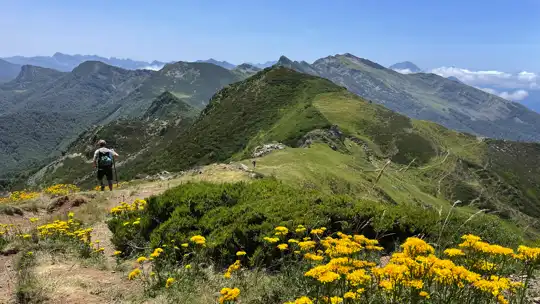
With Spain having so much to offer, I have visited it many times. Best trip was a hiking tour in the Picos de Europa in the North of Spain in July 2023.

✍️ Help improve this page!
The information on this page is based on my own backpacking experience in Spain, supplemented with up-to-date research and feedback from other travelers. Travel details can change, so if you notice anything outdated or incomplete, feel free to let me know.


🙋‍♂️ Give feedback

👋 Meet the founderWho’s Behind Take Your Backpack?

Johan, backpacker and founder of TakeYourBackpackHi, I’m Johan (Netherlands 🇳🇱), the creator of TakeYourBackpack. Over the past 3 decades, I’ve backpacked through 90+ countries across six continents, gaining extensive experience with independent travel, long-term trips, and overland routes.

This site is built on a combination of firsthand travel experience and carefully curated insights from other backpackers. Many guides are based on places I’ve personally visited, while others bring together tips, observations, and practical advice shared by trusted travelers I’ve met along the way.

The goal is to provide realistic, experience-driven guidance — not generic itineraries — so you can explore destinations with better context, clearer expectations, and more confidence.