×
Teide National Park

Spain🇪🇸 | national parksTeide National Parkvolcanic crater, lava fields, Canary pine | things to do and best time to go

Explore Sierra de GrazalemaExplore Timanfaya National Park

Backpacking in Teide
UNESCO World Heritage site
🏆 Top picknational park ranked #2
By Johan Kruseman 🇳🇱 | Updated June 6, 2026

Most people only realize after they leave that Teide is one of the cheapest ways in Spain to feel like you’ve walked on another planet without burning days on logistics or money on permits. Teide National Park sits in the middle of Tenerife in the Canary Islands, off Spain’s Atlantic coast, and it’s basically a high-altitude volcanic lab you can wander through on a backpacker budget. Trails range from easy lava-field strolls to the summit push, with big, bare landscapes and harsh light instead of postcard greenery; wildlife is subtle—lizards, hardy plants, birds—not big mammals. Access by bus or car is straightforward, entrance is free, but the cable car and summit permit system can be a hassle if you don’t plan. No wild camping, and budget beds cluster down on the coast, so you commute. Compared with Garajonay or Caldera de Taburiente, Teide is less lush, more lunar, and more about raw geology than cozy forest walks.

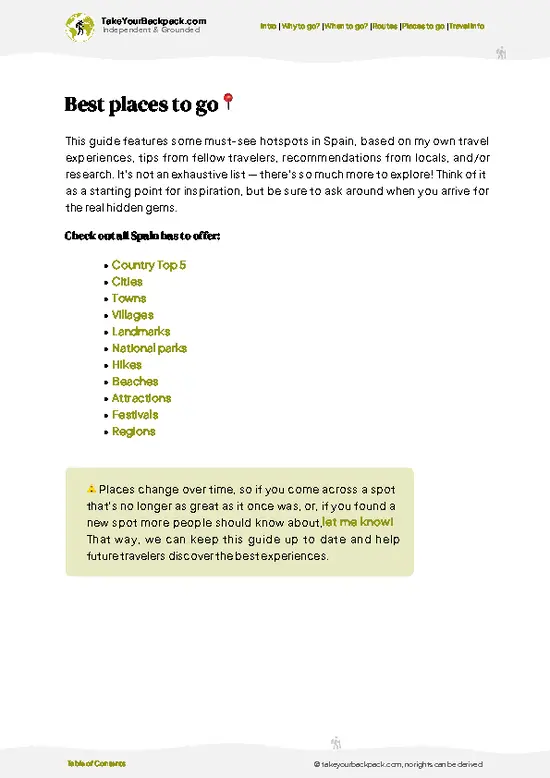
Discover everything you want to know in the 📖 Spain Travel Guide.


Get your Spain guide
151 ranked highlights, routes & tips, works offline (551 pages)
Loading the map 🌍
CLICK TO FILTER
cities
towns
villages
landmarks
national parks
hikes
beaches
attractions
festivals
regions
SHOW COUNTRY’S BESTSHOW ALL

✨ Why go?
Ranked #2 national park in Spain
What sets this place apart

Teide National Park is a top choice for backpackers seeking independent exploration. The park’s vast landscapes and diverse trails allow you to wander at your own pace, making it ideal for those who prefer to set their own itinerary.

Budget-conscious travelers will appreciate the camping options and nearby hostels, which keep costs low without sacrificing comfort. You can pitch a tent under the stars or find a cozy bed in a hostel, both of which offer a great way to meet fellow adventurers.

The trail variety is another draw. Whether you’re looking for a challenging hike up to the summit of Mount Teide or a leisurely stroll through unique volcanic formations, there’s something for everyone.

This park is particularly suited for self-guided travelers. The well-marked paths and informative … read more 👉
Teide National Park is a top choice for backpackers seeking independent exploration. The park’s vast landscapes and diverse trails allow you to wander at your own pace, making it ideal for those who prefer to set their own itinerary.

Budget-conscious travelers will appreciate the camping options and nearby hostels, which keep costs low without sacrificing comfort. You can pitch a tent under the stars or find a cozy bed in a hostel, both of which offer a great way to meet fellow adventurers.

The trail variety is another draw. Whether you’re looking for a challenging hike up to the summit of Mount Teide or a leisurely stroll through unique volcanic formations, there’s something for everyone.

This park is particularly suited for self-guided travelers. The well-marked paths and informative signage mean you can navigate without a tour guide, allowing for a more personal experience. Just remember to bring plenty of water and snacks; the remote areas can be surprisingly isolated. Embrace the freedom, but stay prepared, and you’ll find Teide National Park rewarding.
Want to include Teide National Park in your Spain route?
Create a personalized Spain itinerary that includes Teide National Park and the places that fit your trip — based on your travel style, budget, and available time. Get your route in seconds.

Generate my trip

💡 HighlightsEssential experiences to have while exploring Teide

  • El Teide summit — Spain’s highest peak (and the park’s centerpiece). The volcanic crater and sweeping views over Tenerife and the Atlantic are unreal; you can ride the teleférico most of the way then hike the last bit (permit required for the very top). High-altitude, otherworldly landscape — sunrise from here is a thing I still brag about (personal favorite).
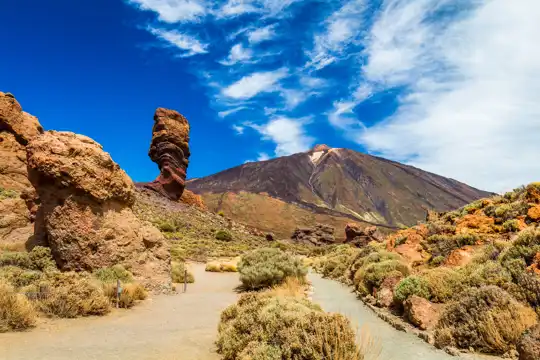
  • Roques de García — those iconic sculpted rock towers you see on every postcard. Short, easy trails loop around them so you can wander close for dramatic photos, especially with warm morning or evening light; geology and scenery packed into a tiny area.
  • Las Cañadas caldera (Valle de Ucanca) — a massive volcanic bowl that makes the park feel like a moonscape. Wide-open views, strange lava textures and easy pullovers from the road;
read more 👉
  • El Teide summit — Spain’s highest peak (and the park’s centerpiece). The volcanic crater and sweeping views over Tenerife and the Atlantic are unreal; you can ride the teleférico most of the way then hike the last bit (permit required for the very top). High-altitude, otherworldly landscape — sunrise from here is a thing I still brag about (personal favorite).
  • Roques de García — those iconic sculpted rock towers you see on every postcard. Short, easy trails loop around them so you can wander close for dramatic photos, especially with warm morning or evening light; geology and scenery packed into a tiny area.
  • Las Cañadas caldera (Valle de Ucanca) — a massive volcanic bowl that makes the park feel like a moonscape. Wide-open views, strange lava textures and easy pullovers from the road; great for anyone who likes geology without committing to a hardcore hike.
  • Pico Viejo viewpoint — stare into one of Tenerife’s biggest volcanic craters, with its dark lava and often-contrasting reddish rims. It’s a dramatic spot for photos and shows you how violent the island’s volcanic past was; you can reach good viewpoints on foot from nearby trails.
  • Montaña Blanca trail — the classic approach hike up toward Teide if you want a proper day of trekking. It’s long and steady, offers solitude outside peak hours, and in spring you’ll find endemic blooms like tajinaste reds and scattered wildlife (lizards, birds) along the way.
  • Observatorio del Teide & stargazing — world-class skies thanks to altitude and low light pollution. The observatory itself is interesting to see by day; at night take a guided stargazing tour and you’ll actually understand why astronomers set up shop here.
  • Chinyero lava field — the most recent eruption on Tenerife (1909) left a rough, black lava landscape you can hike through on a short loop. It’s a different vibe from the smoother caldera floors — raw, fresh-feeling volcanic terrain that’s surprisingly accessible.
Spotted a mistake or missing something? Contact us.

Things to do around Teide National Park

Ratings based on Tripadvisor reviews. When you book through this link, you support our work at no extra cost to you.

🌤️ When to go?Weather, crowds, and seasonal trade-offs


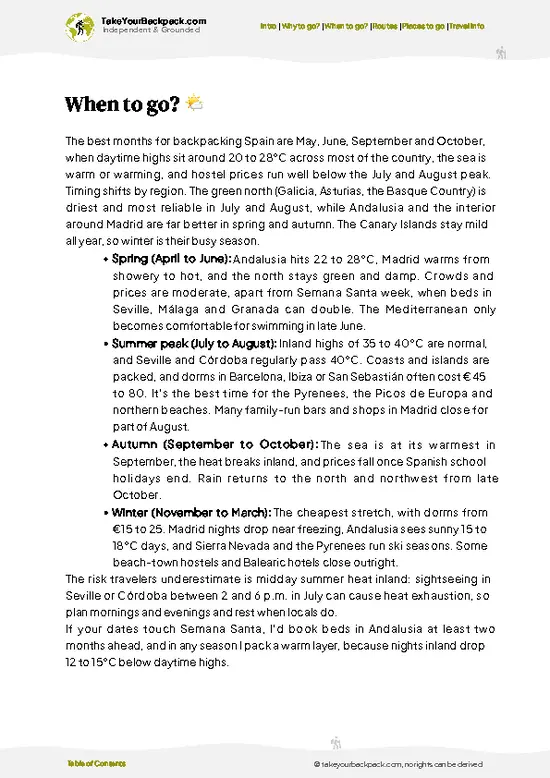
  • Weather: Teide National Park sits high, so expect sharp swings. Summers can scorch with daytime highs around 25-30°C (77-86°F), but nights drop sharply. Winters hover near freezing, often below 0°C (32°F) at night, with occasional snow. Rain is rare but possible in winter.

  • Temperature: Spring and autumn offer the most balanced temps—daytime highs between 15-22°C (59-72°F) and cooler nights that won’t freeze your gear. Avoid mid-summer if you dislike heat and mid-winter if you’re unprepared for cold.

  • Daylight Hours: Peak summer grants up to 14 hours of daylight, perfect for long treks. Winter days shrink to about 10 hours, limiting hiking time and requiring earlier starts.

  • Crowds: Summer and holiday periods pack the park, especially around the cable car and popular trails. Off-season,
read more 👉

  • Weather: Teide National Park sits high, so expect sharp swings. Summers can scorch with daytime highs around 25-30°C (77-86°F), but nights drop sharply. Winters hover near freezing, often below 0°C (32°F) at night, with occasional snow. Rain is rare but possible in winter.

  • Temperature: Spring and autumn offer the most balanced temps—daytime highs between 15-22°C (59-72°F) and cooler nights that won’t freeze your gear. Avoid mid-summer if you dislike heat and mid-winter if you’re unprepared for cold.

  • Daylight Hours: Peak summer grants up to 14 hours of daylight, perfect for long treks. Winter days shrink to about 10 hours, limiting hiking time and requiring earlier starts.

  • Crowds: Summer and holiday periods pack the park, especially around the cable car and popular trails. Off-season, particularly late autumn and early spring, sees fewer visitors, giving you more space and quiet.

  • Seasonal Activities: Winter brings snowshoeing and a rare chance to see the volcanic landscape dusted in white. Summer is prime for stargazing, thanks to clear skies and longer nights.

  • Price Fluctuations: Accommodation and flights spike in summer and holidays. Booking off-season can save you a solid chunk of cash, which you can reinvest in guided tours or local experiences.


Pro-tip: Aim for late spring or early autumn to dodge extremes, crowds, and inflated prices—this window preserves your energy and wallet for the park’s best moments.


source: climatestotravel.comJANJanuary: fair for travelingFEBFebruary: fair for travelingMARMarch: good for travelingAPRApril: highly recommended for travelingMAYMay: excellent for travelingJUNJune: good for travelingJULJuly: fair for travelingAUGAugust: fair for travelingSEPSeptember: highly recommended for travelingOCTOctober: excellent for travelingNOVNovember: good for travelingDECDecember: fair for traveling
Spain - Teide National Park

✈️ The backpacker research shortcutSpain Travel Guide

An offline-friendly backpacking guide with optimized travel routes, ranked highlights, transport advice, and the best areas to stay.
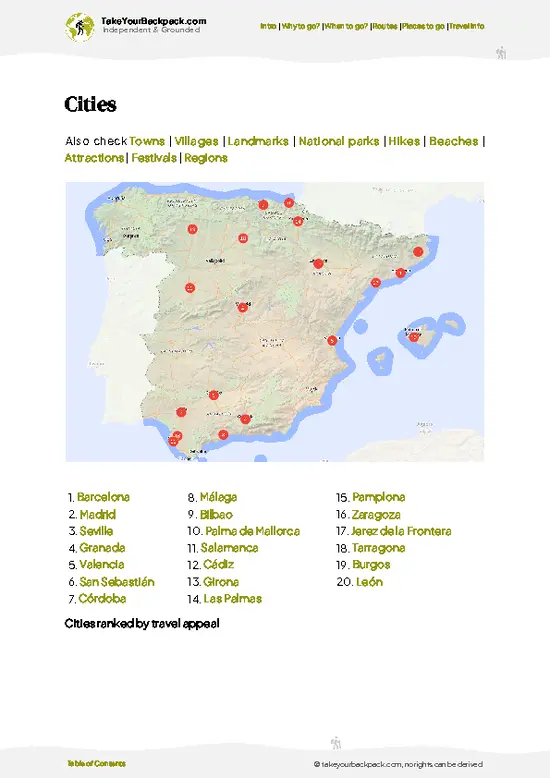
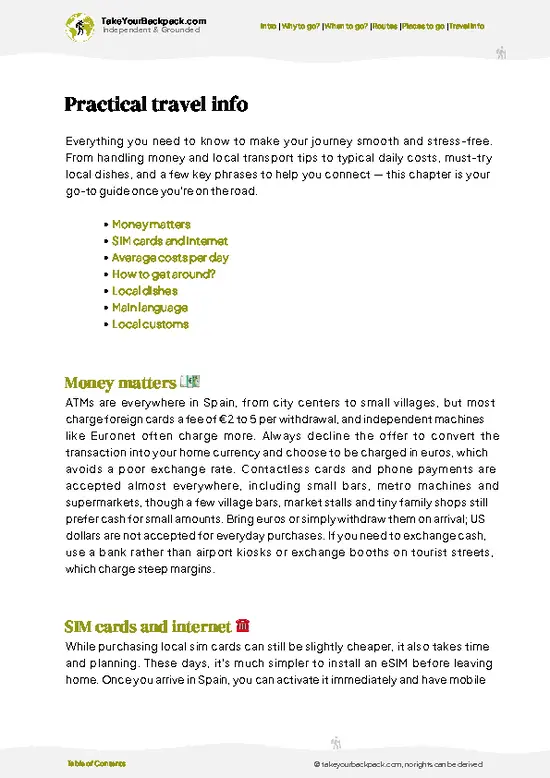
example page 0 from our offline Travel Guide for Spain
example page 1 from our offline Travel Guide for Spain
example page 2 from our offline Travel Guide for Spain
example page 3 from our offline Travel Guide for Spain
example page 4 from our offline Travel Guide for Spain
example page 5 from our offline Travel Guide for Spain
example page 6 from our offline Travel Guide for Spain
example page 7 from our offline Travel Guide for Spain
The digital guide (551 pages) contains:
151 highlights, ranked by travel appeal
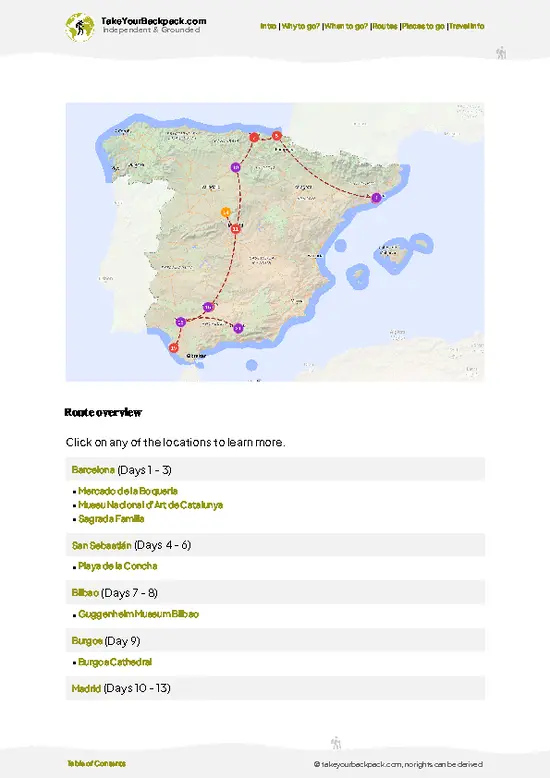
Optimized 7, 14 & 21-day travel routes
Cities, national parks, landmarks, beaches
How to get around
Offline-friendly for travel without Wi-Fi
👉 Click to see all 30+ guide features

📅 Plan smarter in minutes, not weeks
Month by month travel advice
Festivals & national holidays
Budget expectations

🗺️ Go to the right places, skip the overrated ones
Honest pros & cons of destinations
Top hikes, parks & viewpoints
Lesser-known places most travelers miss
Clear “worth it vs skip it” guidance

🛏️ Travel smoothly without rookie mistakes
Best areas to stay
Transport systems explained simply
Common scams & safety advice
SIM cards, money & practical tips

🌍 Understand the country, not just visit it
Culture & traditions
52 Essential phrases & customs
Festivals worth planning around
Traveler-friendly historical context
Insights that make places more meaningful

📱 Built for real travel conditions
Fully downloadable PDF
Works completely offline
Optimized for phone use
Useful in remote areas & buses
Everything in one place
Save weeks of stressful planning
Get instant access to your full guide. 30‑day money-back guarantee.


By proceeding you agree to our terms.
Sent to your inbox immediately after payment • 100% Secure Checkout
Best Backpacking Travel Advisor 2025 tourism awardBest Backpacking
Travel Advisor
2025
What others say about Take Your Backpack Guides:
⭐⭐⭐⭐⭐
Fantastic, amazing amount of information!
⭐⭐⭐⭐⭐
My goodness this is amazing, it's what I've been looking for hats off too you!
⭐⭐⭐⭐⭐
I think this is absolutely BRILLIANT
⭐⭐⭐⭐
Very complete and informative. It's still missing places, but I gotta to commend you
⭐⭐⭐⭐⭐
This is truly amazing, thank you, can't wait to explore it with my kids!
⭐⭐⭐⭐⭐
Awesome resource, thank you!
⭐⭐⭐⭐⭐
This is amazing! Can't wait to explore the ones I haven't seen
⭐⭐⭐⭐
I love this! Well done, great idea.
⭐⭐⭐⭐⭐
Thanks for taking the time to make this gem!
⭐⭐⭐⭐⭐
This might be the best website I've ever seen.
⭐⭐⭐⭐⭐
Congratulations, and thank you so much for your work; it's incredibly valuable.
⭐⭐⭐⭐
In all seriousness I think you did a great job pointing out the important spots
⭐⭐⭐⭐⭐
10/10 very good
⭐⭐⭐⭐⭐
As someone who's only just starting to visit regularly this is awesome, thank you.
⭐⭐⭐⭐
Thank you very much! I'm going to visit my dad, it's going to be very useful!
⭐⭐⭐⭐⭐
This is really cool! We'll be travelling for the first time and this definitely come in handy.
⭐⭐⭐⭐⭐
You are now our minister of culture, congratulations 👨‍💼
⭐⭐⭐⭐⭐
Just wanted to tell you that this is a pearl! Going to follow your recommendations.
⭐⭐⭐⭐⭐
This is so cool. I'll definitely be using the resource for my travels soon.
⭐⭐⭐⭐⭐
This is very impressive! Good work.
⭐⭐⭐⭐⭐
This is an amazing and informative site. Very well done!

🛏️ Where to stay?Best areas and accommodation options

Teide National Park, with its dramatic landscapes, offers a few solid options for backpackers. While there aren’t many accommodations directly inside the park, you can find some nearby that keep you close to the action.

First up, consider staying in La Orotava. This charming town is about a 30-minute drive from the park entrance. It has a range of hostels and budget hotels, plus a local vibe that’s hard to beat. You’ll find eateries serving authentic Canarian cuisine, which is a nice bonus after a day of hiking.

Another option is Puerto de la Cruz, roughly 45 minutes away. It’s a bit more touristy, … read more 👉
Teide National Park, with its dramatic landscapes, offers a few solid options for backpackers. While there aren’t many accommodations directly inside the park, you can find some nearby that keep you close to the action.

First up, consider staying in La Orotava. This charming town is about a 30-minute drive from the park entrance. It has a range of hostels and budget hotels, plus a local vibe that’s hard to beat. You’ll find eateries serving authentic Canarian cuisine, which is a nice bonus after a day of hiking.

Another option is Puerto de la Cruz, roughly 45 minutes away. It’s a bit more touristy, but you’ll find plenty of affordable hostels and guesthouses. The beach is a nice perk, and you can stock up on supplies here before heading into the park.

If you want something even closer, check out Parador de Las Cañadas del Teide. It’s right at the park’s edge and offers basic accommodations with stunning views. Just be aware that it can fill up quickly, especially during peak seasons.

Plan ahead to avoid surprises, especially with transportation. Public transport options are limited, so having a rental car can save you time and energy.

👛 Costs (as of 13 February 2026)Money, prices, and spending tips

Teide National Park in Spain is a stunning destination, but it’s essential to be aware of the costs involved to avoid any surprises.

Entry to the park is free, which is a great perk. However, if you want to take the cable car to the summit of Mount Teide, expect to pay around €27 for a round trip. If you’re planning to hike to the summit from the cable car station, you’ll need a special permit, which costs about €10.

Parking fees can add up if you’re driving. The main parking areas are free, but they can fill up quickly, especially during peak season. Arrive early to secure a spot.

Food and drink options within the park are limited and can be pricey. Budget around €10 to €15 for a basic meal at the visitor center. If you bring your own food, you’ll save money and have more flexibility. … read more 👉
Teide National Park in Spain is a stunning destination, but it’s essential to be aware of the costs involved to avoid any surprises.

Entry to the park is free, which is a great perk. However, if you want to take the cable car to the summit of Mount Teide, expect to pay around €27 for a round trip. If you’re planning to hike to the summit from the cable car station, you’ll need a special permit, which costs about €10.

Parking fees can add up if you’re driving. The main parking areas are free, but they can fill up quickly, especially during peak season. Arrive early to secure a spot.

Food and drink options within the park are limited and can be pricey. Budget around €10 to €15 for a basic meal at the visitor center. If you bring your own food, you’ll save money and have more flexibility.

Guided tours can range from €50 to €100, depending on the inclusions. These can be worth it if you want a deeper understanding of the park’s unique geology and flora.

Plan for additional costs like transportation to the park if you’re not driving. Public transport options are available, but they may require some planning and time.

By keeping these costs in mind, you can focus your budget on the experiences that truly matter, like soaking in the breathtaking views and exploring the diverse landscapes.


source: spain.info
⚠️ Prices can change and everyone travels differently, so take this as a rough guide. Hope it helps you plan your adventure!

🥾 TrailsExploring Teide: trails, terrain, and views

Teide National Park is a hiker’s paradise, boasting some seriously stunning landscapes. Picture this: volcanic craters, rugged lava fields, and the majestic Mount Teide towering above everything. The terrain is a mix of rocky paths and smooth trails, which means you’ll get a good workout without needing to be a pro. Wildlife is pretty cool too; keep an eye out for the unique Canarian lizards and a variety of birds that call this place home.

One of the standout trails is the Sendero de los Roques. Here’s the lowdown:
  • Length: 4 km
  • Estimated Duration: 1.5 hours
  • Difficulty Level: Easy
  • Key Features:
read more 👉
Teide National Park is a hiker’s paradise, boasting some seriously stunning landscapes. Picture this: volcanic craters, rugged lava fields, and the majestic Mount Teide towering above everything. The terrain is a mix of rocky paths and smooth trails, which means you’ll get a good workout without needing to be a pro. Wildlife is pretty cool too; keep an eye out for the unique Canarian lizards and a variety of birds that call this place home.

One of the standout trails is the Sendero de los Roques. Here’s the lowdown:
  • Length: 4 km
  • Estimated Duration: 1.5 hours
  • Difficulty Level: Easy
  • Key Features: Stunning rock formations, panoramic views of the park
  • Terrain: Mostly flat with some gentle inclines

If you’re feeling adventurous, the Pico del Teide Trail is another gem:
  • Length: 8.3 km (from the base to the summit)
  • Estimated Duration: 5-6 hours
  • Difficulty Level: Moderate to Challenging
  • Key Features: Breathtaking views from the summit, unique volcanic landscape
  • Terrain: Steep sections, rocky paths

Getting to the park is pretty straightforward, with buses running from major towns like Puerto de la Cruz and Santa Cruz. Just keep in mind that it can get crowded, especially during weekends and holidays, so starting early is a smart move. There’s no entrance fee, which is a major win for budget travelers. Just pack some snacks, bring plenty of water, and enjoy the stunning scenery!
⚠️ Hiking info can sometimes be outdated or inaccurate. Before you hit the trail, check the latest conditions with locals. If you do spot anything that's off, I'd love to hear from you, so I can update it for fellow travelers.

🛡️ SafetySafety Tips and Common Scams in Teide

Teide National Park is generally user-friendly, but a few realities can catch you off guard. Weather can shift quickly, especially at higher altitudes. Mornings might be clear, but afternoon clouds can roll in, so start early and check forecasts.

The terrain varies. Some trails are steep and rocky, requiring good footing and attention. Navigation is straightforward, but it’s wise to have a map or a GPS device, just in case.

Wildlife is present but tends to keep its distance. If you spot a lizard or a bird, enjoy the moment but don’t approach. Respect their space.

Preparation is key. Bring layers to adapt to temperature changes, and don’t underestimate the sun’s intensity at altitude. Hydration is crucial; carry enough water, especially on longer hikes.

By staying aware and prepared, … read more 👉
Teide National Park is generally user-friendly, but a few realities can catch you off guard. Weather can shift quickly, especially at higher altitudes. Mornings might be clear, but afternoon clouds can roll in, so start early and check forecasts.

The terrain varies. Some trails are steep and rocky, requiring good footing and attention. Navigation is straightforward, but it’s wise to have a map or a GPS device, just in case.

Wildlife is present but tends to keep its distance. If you spot a lizard or a bird, enjoy the moment but don’t approach. Respect their space.

Preparation is key. Bring layers to adapt to temperature changes, and don’t underestimate the sun’s intensity at altitude. Hydration is crucial; carry enough water, especially on longer hikes.

By staying aware and prepared, you’ll preserve your energy and budget for the breathtaking views and experiences that truly matter.

Other Spanish national parks near Teide

Explore more nearby:


💡 Not sure where to go next?
Create a personalized itinerary for Spain including Teide and the places that fit your trip.

Generate my itinerary

👉 Discover all national parks

Or checkout all Spain has to offer (think cities, towns, villages, national parks, hikes, beaches, festivals)
Country photo of Spain

We 💚 feedbackKey takeaways before you go

Teide National Park is a marvel, with its otherworldly landscapes and the chance to stand atop Spain’s highest peak. The views are breathtaking, and the stargazing? Next level. But be ready for the altitude; it can zap your energy if you’re not acclimated. Plan your hikes wisely, and don’t underestimate the sun—bring plenty of water and sunscreen. This park rewards those who prepare, ensuring you can soak in every moment without feeling drained.

✈️ When did I visit Spain?
With Spain having so much to offer, I have visited it many times. Best trip was a hiking tour in the Picos de Europa in the North of Spain in July 2023.

✍️ Help improve this page!
The information on this page is based on my own backpacking experience in Spain, supplemented with up-to-date research and feedback from other travelers. Travel details can change, so if you notice anything outdated or incomplete, feel free to let me know.


🙋‍♂️ Give feedback

👋 Meet the founderWho’s Behind Take Your Backpack?

Johan, backpacker and founder of TakeYourBackpackHi, I’m Johan (Netherlands 🇳🇱), the creator of TakeYourBackpack. Over the past decade, I’ve backpacked through 80+ countries across six continents, gaining extensive experience with independent travel, long-term trips, and overland routes.

This site is built on a combination of firsthand travel experience and carefully curated insights from other backpackers. Many guides are based on places I’ve personally visited, while others bring together tips, observations, and practical advice shared by trusted travelers I’ve met along the way.

The goal is to provide realistic, experience-driven guidance — not generic itineraries — so you can explore destinations with better context, clearer expectations, and more confidence.

Get full Spain guide •
Instant download • 151 highlights • Full Offline guide