×

Spain🇪🇸 | townsZamoraRomanesque churches, riverside ramparts, Semana Santa processions | things to do and best time to go

Explore SoriaExplore Palencia

Backpacking in Zamora
👌 Worth visitingtown ranked #22
By Johan Kruseman 🇳🇱 | Updated September 4, 2026

Your first real choice with Zamora is whether to give it a full night or just let it blur past the train window between Salamanca and Galicia; that decision matters, because this small Castilian city trades big sights for slow-burn atmosphere. Sitting in northwest Spain, in Castilla y León near the Portuguese border, Zamora is all Romanesque stone, dry river light over the Duero, and quiet streets that empty early. It’s cheap, safe, and very walkable, with a compact old town, a castle viewpoint, and tapas bars where the air smells like grilled pork and cheap red wine, but nightlife is subdued and hostels are limited, so it’s not a social hub like Salamanca. Think of it less as a long-term base and more as a one- or two-night pause on a northbound route, or a calm, scenic alternative to busier León or Valladolid when you want medieval walls and river walks without the crowds.

Discover everything you want to know in the 📖 Spain Travel Guide.


Get your Spain guide
148 ranked highlights, routes & tips, works offline (542 pages)
Loading the map 🌍
CLICK TO FILTER
cities
towns
villages
landmarks
national parks
hikes
beaches
attractions
festivals
regions
SHOW COUNTRY’S BESTSHOW ALL

✨ Why go?
Ranked #22 town in Spain
What sets this place apart

Backpackers flock to Zamora for its strategic location along the Camino de Santiago and proximity to stunning hikes in the Sierra de la Culebra. The walkable streets invite exploration, where you can stumble upon local tapas bars serving rich flavors that linger in the air. Small-scale hostels and guesthouses create a cozy atmosphere, perfect for solo travelers or small groups seeking connection without the chaos of larger cities. Most visitors stay a couple of days, soaking in the friendly vibe and the chance to recharge before heading to nearby beaches or cultural sites. It’s a place where the slow traveler can savor the moment, making every step feel like a meaningful part of the journey.
Want to include Zamora in your Spain route?
Create a personalized Spain itinerary that includes Zamora and the places that fit your trip — based on your travel style, budget, and available time. Get your route in seconds.

Generate my trip

💡 HighlightsWhat this place is best known for

  • Catedral de Zamora (Catedral de San Salvador) — One of Spain’s most striking Romanesque cathedrals, famous for its helmet-shaped dome and atmospheric cloister. The interior and rooftop views give a real sense of the city’s medieval spine.
  • Castillo de Zamora — A hilltop castle with ramparts and great panoramas over the Duero and old town. It also hosts museum displays and occasional events, so it’s both a viewpoint and a slice of local history.
  • Puente de Piedra and the Duero riverside promenade — The stone bridge frames gorgeous photos of the cathedral and the river walks are ideal for slow evening strolls, local life-watching, and sunsets that make the Romanesque skyline pop.
  • Plaza Mayor (and the Ayuntamiento) — The beating civic heart where locals meet for coffee and tapas. The square’s
read more 👉
  • Catedral de Zamora (Catedral de San Salvador) — One of Spain’s most striking Romanesque cathedrals, famous for its helmet-shaped dome and atmospheric cloister. The interior and rooftop views give a real sense of the city’s medieval spine.
  • Castillo de Zamora — A hilltop castle with ramparts and great panoramas over the Duero and old town. It also hosts museum displays and occasional events, so it’s both a viewpoint and a slice of local history.
  • Puente de Piedra and the Duero riverside promenade — The stone bridge frames gorgeous photos of the cathedral and the river walks are ideal for slow evening strolls, local life-watching, and sunsets that make the Romanesque skyline pop.
  • Plaza Mayor (and the Ayuntamiento) — The beating civic heart where locals meet for coffee and tapas. The square’s arcades and façades are useful for people-watching and getting a feel for everyday Zamora away from the tourist postcards.
  • Museo de Semana Santa — Zamora’s Holy Week is famous, and this museum offers context: floats, brotherhood robes, photographs, and explanations that bring the city’s intense religious and cultural tradition to life any time of year.
  • Museo Baltasar Lobo — A small, quietly brilliant house-museum devoted to the sculptor Baltasar Lobo. If you like modern sculpture with a strong human touch, it’s an intimate, well-curated stop.
  • Romanesque churches circuit (examples: San Claudio de Olivares, Santa María la Nueva, San Ildefonso) — Zamora’s compact cluster of authentic Romanesque churches is rare to find in such a short walk. Each chapel has different stonework, capitals, and atmospheres — excellent for slow exploration and photography.
  • La Judería (old Jewish quarter) — Narrow lanes, hidden corners and a quieter side of town where you can sense layers of history. It’s not flashy, but the mood is real and rewarding if you like wandering without a strict plan.
  • Mercado de Abastos (central market) — Fresh produce, friendly stallholders and cheap, honest tapas. Perfect for budget travelers who want to taste local cheeses, chorizo, jamón and practice Spanish without the tourist markup.
  • Calle Balborraz and medieval streets around the castle — A photogenic, atmospheric stretch of cobbled streets and old arches that directly connects the castle area with the riverside. Great for wandering at dusk and finding small, authentic bars away from the busiest spots.
A few great day trips near Zamora are the dramatic Arribes del Duero Natural Park, the medieval village of Puebla de Sanabria, and the wine town of Toro — my personal favorite for a quick escape is Arribes del Duero.
Spotted a mistake or missing something? Contact us.

Things to do near Zamora

Ratings based on Tripadvisor reviews. When you book through this link, you support our work at no extra cost to you.

🏘️ NeighborhoodsUnderstanding the local layout

Zamora, a charming town in Spain, offers a blend of history and local life that’s perfect for backpackers seeking authenticity. Here’s how to navigate its neighborhoods:

Centro Histórico: This is the heart of Zamora, where medieval architecture meets vibrant street life. You’ll find affordable hostels and tapas bars within walking distance. The cobblestone streets are easy to navigate, making it ideal for short stays. Nightlife is low-key, with cozy bars rather than loud clubs.

San José: A quieter residential area, San José is perfect for longer stays. It’s a bit removed from the tourist hustle, offering a more local vibe. You’ll find parks and bakeries, and it’s still walkable to the center. Public transport is accessible, but you might miss out on the lively atmosphere.

La Horta: Known … read more 👉
Zamora, a charming town in Spain, offers a blend of history and local life that’s perfect for backpackers seeking authenticity. Here’s how to navigate its neighborhoods:

Centro Histórico: This is the heart of Zamora, where medieval architecture meets vibrant street life. You’ll find affordable hostels and tapas bars within walking distance. The cobblestone streets are easy to navigate, making it ideal for short stays. Nightlife is low-key, with cozy bars rather than loud clubs.

San José: A quieter residential area, San José is perfect for longer stays. It’s a bit removed from the tourist hustle, offering a more local vibe. You’ll find parks and bakeries, and it’s still walkable to the center. Public transport is accessible, but you might miss out on the lively atmosphere.

La Horta: Known for its lush gardens and riverside paths, La Horta is a peaceful retreat. It’s less touristy, making it great for those looking to recharge. While it’s a bit farther from the main attractions, the scenic walks are worth it. Ideal for nature lovers and those seeking tranquility.

⌛️ 1 daySeeing the highlights in 24 hours

Zamora, Spain, is a treasure trove of medieval charm, where ancient stone walls whisper stories of the past. The air carries a hint of grilled meats from local eateries, and the sun casts a warm glow on the intricate Romanesque architecture.

Start your morning at the Plaza Mayor, where the aroma of fresh-baked pastries from nearby bakeries fills the air. Grab a coffee and a “bollo” (a local pastry) to fuel your exploration. Stroll through the narrow streets of the historic district, taking in the stunning Zamora Cathedral, its towering silhouette a testament to centuries of craftsmanship.

In the afternoon, head to the lesser-known neighborhood of La Horta. This area, often overlooked by tourists, offers a glimpse into local life. Wander through its quaint streets, and don’t miss the chance … read more 👉
Zamora, Spain, is a treasure trove of medieval charm, where ancient stone walls whisper stories of the past. The air carries a hint of grilled meats from local eateries, and the sun casts a warm glow on the intricate Romanesque architecture.

Start your morning at the Plaza Mayor, where the aroma of fresh-baked pastries from nearby bakeries fills the air. Grab a coffee and a “bollo” (a local pastry) to fuel your exploration. Stroll through the narrow streets of the historic district, taking in the stunning Zamora Cathedral, its towering silhouette a testament to centuries of craftsmanship.

In the afternoon, head to the lesser-known neighborhood of La Horta. This area, often overlooked by tourists, offers a glimpse into local life. Wander through its quaint streets, and don’t miss the chance to visit the Museo de Semana Santa, where the vibrant traditions of Holy Week come alive through intricate displays.

As evening approaches, make your way to the riverside promenade along the Duero River. The golden hour casts a magical light over the water, perfect for a leisurely walk. For dinner, indulge in local specialties at a family-run tavern, where the warmth of the owners makes you feel right at home. Savor every bite; it’s the perfect way to cap off a day steeped in history and culture.
Turn your Zamora visit into an Spain adventure
Build a complete Spain route with Zamora, hidden gems, must-see destinations, and realistic travel times included.

Generate my trip

🌤️ When to go?Seasonal considerations and timing


  • Weather: Spring (April to June) offers mild, dry days around 15-25°C (59-77°F), perfect for hiking without overheating or rain dampening your plans.

  • Temperature: Summers spike to 30-35°C (86-95°F), making midday trekking tough; winters dip to 0-10°C (32-50°F), often chilly but manageable with layers.

  • Daylight Hours: Late spring and early summer stretch daylight to 14-15 hours, giving you more time to explore the cobbled streets and surrounding nature.

  • Crowds: Peak summer draws tourists to festivals and historic sites, so visiting shoulder seasons means quieter streets and a more authentic vibe.

  • Seasonal Activities: Autumn harvest festivals and spring flower blooms add local color, but winter’s calm lets you savor Zamora’s Romanesque architecture without distractions.

  • Price Fluctuations:
read more 👉

  • Weather: Spring (April to June) offers mild, dry days around 15-25°C (59-77°F), perfect for hiking without overheating or rain dampening your plans.

  • Temperature: Summers spike to 30-35°C (86-95°F), making midday trekking tough; winters dip to 0-10°C (32-50°F), often chilly but manageable with layers.

  • Daylight Hours: Late spring and early summer stretch daylight to 14-15 hours, giving you more time to explore the cobbled streets and surrounding nature.

  • Crowds: Peak summer draws tourists to festivals and historic sites, so visiting shoulder seasons means quieter streets and a more authentic vibe.

  • Seasonal Activities: Autumn harvest festivals and spring flower blooms add local color, but winter’s calm lets you savor Zamora’s Romanesque architecture without distractions.

  • Price Fluctuations: Accommodation and transport costs rise sharply in July and August; booking in spring or fall often nets better deals and availability.


Pro-tip: Aim for late April or early October—cool air, fewer crowds, and the city’s soul feels most accessible before the summer rush or winter chill sets in.


source: climatestotravel.comJANJanuary: fair for travelingFEBFebruary: fair for travelingMARMarch: good for travelingAPRApril: excellent for travelingMAYMay: excellent for travelingJUNJune: highly recommended for travelingJULJuly: good for travelingAUGAugust: good for travelingSEPSeptember: highly recommended for travelingOCTOctober: excellent for travelingNOVNovember: good for travelingDECDecember: fair for traveling
when-to-go

✈️ The backpacker research shortcutSpain Travel Guide

An offline-friendly backpacking guide with optimized travel routes, ranked highlights, transport advice, and the best areas to stay.
example page 0 from our offline Travel Guide for Spain
example page 1 from our offline Travel Guide for Spain
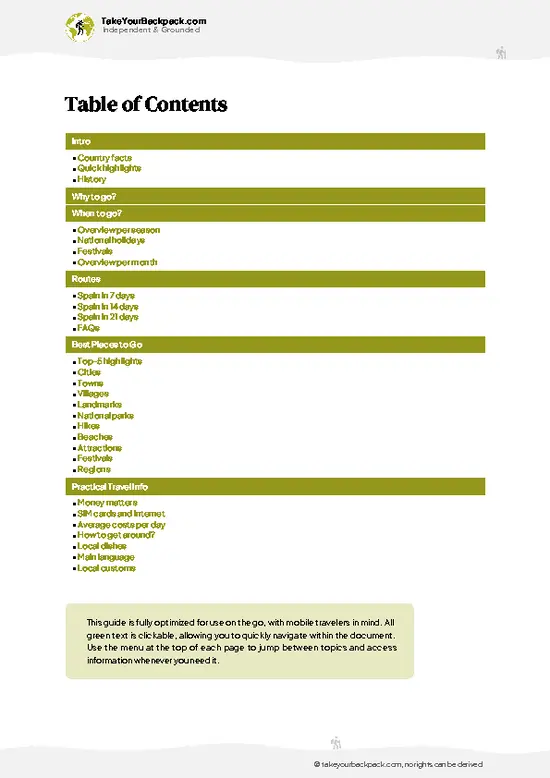
example page 2 from our offline Travel Guide for Spain
example page 3 from our offline Travel Guide for Spain
example page 4 from our offline Travel Guide for Spain
example page 5 from our offline Travel Guide for Spain
example page 6 from our offline Travel Guide for Spain
example page 7 from our offline Travel Guide for Spain
The digital guide (542 pages) contains:
148 highlights, ranked by travel appeal
Optimized 7, 14 & 21-day travel routes
Cities, national parks, landmarks, beaches
How to get around
Offline-friendly for travel without Wi-Fi
👉 Click to see all 30+ guide features

📅 Plan smarter in minutes, not weeks
Month by month travel advice
Festivals & national holidays
Budget expectations

🗺️ Go to the right places, skip the overrated ones
Honest pros & cons of destinations
Top hikes, parks & viewpoints
Lesser-known places most travelers miss
Clear “worth it vs skip it” guidance

🛏️ Travel smoothly without rookie mistakes
Best areas to stay
Transport systems explained simply
Common scams & safety advice
SIM cards, money & practical tips

🌍 Understand the country, not just visit it
Culture & traditions
52 Essential phrases & customs
Festivals worth planning around
Traveler-friendly historical context
Insights that make places more meaningful

📱 Built for real travel conditions
Fully downloadable PDF
Works completely offline
Optimized for phone use
Useful in remote areas & buses
Everything in one place
Save weeks of stressful planning
Get instant access to your full guide. 30‑day money-back guarantee.
+ Add another guide for just US$7.80

By proceeding you agree to our terms.
Sent to your inbox immediately after payment • 100% Secure Checkout
Best Backpacking Travel Advisor 2025 tourism awardBest Backpacking
Travel Advisor
2025
What others say about Take Your Backpack Guides:
⭐⭐⭐⭐⭐
Fantastic, amazing amount of information!
⭐⭐⭐⭐⭐
My goodness this is amazing, it's what I've been looking for hats off too you!
⭐⭐⭐⭐⭐
I think this is absolutely BRILLIANT
⭐⭐⭐⭐
Very complete and informative. It's still missing places, but I gotta to commend you
⭐⭐⭐⭐⭐
This is truly amazing, thank you, can't wait to explore it with my kids!
⭐⭐⭐⭐⭐
Awesome resource, thank you!
⭐⭐⭐⭐⭐
This is amazing! Can't wait to explore the ones I haven't seen
⭐⭐⭐⭐
I love this! Well done, great idea.
⭐⭐⭐⭐⭐
Thanks for taking the time to make this gem!
⭐⭐⭐⭐⭐
This might be the best website I've ever seen.
⭐⭐⭐⭐⭐
Congratulations, and thank you so much for your work; it's incredibly valuable.
⭐⭐⭐⭐
In all seriousness I think you did a great job pointing out the important spots
⭐⭐⭐⭐⭐
10/10 very good
⭐⭐⭐⭐⭐
As someone who's only just starting to visit regularly this is awesome, thank you.
⭐⭐⭐⭐
Thank you very much! I'm going to visit my dad, it's going to be very useful!
⭐⭐⭐⭐⭐
This is really cool! We'll be travelling for the first time and this definitely come in handy.
⭐⭐⭐⭐⭐
You are now our minister of culture, congratulations 👨‍💼
⭐⭐⭐⭐⭐
Just wanted to tell you that this is a pearl! Going to follow your recommendations.
⭐⭐⭐⭐⭐
This is so cool. I'll definitely be using the resource for my travels soon.
⭐⭐⭐⭐⭐
This is very impressive! Good work.
⭐⭐⭐⭐⭐
This is an amazing and informative site. Very well done!

🛏️ Where to stay?Choosing the right base

Zamora’s Old Town is the heartbeat for backpackers craving history without the tourist crush. Narrow cobblestone streets catch the golden afternoon light, and the scent of fresh bread from corner bakeries drifts through the air. This area is safe and compact, making it easy to wander without a map, perfect for solo travelers who want to stumble into lively plazas where locals sip coffee or share tapas. Hostels here cluster near the cathedral and river, offering a social vibe that’s relaxed but buzzing with fellow adventurers. Compared to the quieter, residential outskirts, Old Town plugs you directly … read more 👉
Zamora’s Old Town is the heartbeat for backpackers craving history without the tourist crush. Narrow cobblestone streets catch the golden afternoon light, and the scent of fresh bread from corner bakeries drifts through the air. This area is safe and compact, making it easy to wander without a map, perfect for solo travelers who want to stumble into lively plazas where locals sip coffee or share tapas. Hostels here cluster near the cathedral and river, offering a social vibe that’s relaxed but buzzing with fellow adventurers. Compared to the quieter, residential outskirts, Old Town plugs you directly into Zamora’s pulse—no taxi needed, just your feet and curiosity.

🚌 Getting aroundHow to get from A to B

Zamora moves at its own rhythm—less a clock-driven city and more a place where the sun’s angle and the scent of frying churros set the pace. The streets hum with a mix of locals who know exactly when to pause for a café con leche and tourists weaving through the narrow alleys, guided by instinct more than timetables. It’s not about rushing; it’s about syncing with the town’s pulse, where a missed bus isn’t a disaster but an invitation to explore a quiet plaza or linger by the cathedral’s shadow.


  • Walking: The heart of Zamora is compact and best explored on foot. Strolling through cobblestone streets reveals unexpected frescoes and the faint aroma of fresh bread from corner bakeries—free, flexible, and the ultimate way to absorb the town’s atmosphere.

  • Local Bus: Runs roughly every 30 minutes
read more 👉
Zamora moves at its own rhythm—less a clock-driven city and more a place where the sun’s angle and the scent of frying churros set the pace. The streets hum with a mix of locals who know exactly when to pause for a café con leche and tourists weaving through the narrow alleys, guided by instinct more than timetables. It’s not about rushing; it’s about syncing with the town’s pulse, where a missed bus isn’t a disaster but an invitation to explore a quiet plaza or linger by the cathedral’s shadow.


  • Walking: The heart of Zamora is compact and best explored on foot. Strolling through cobblestone streets reveals unexpected frescoes and the faint aroma of fresh bread from corner bakeries—free, flexible, and the ultimate way to absorb the town’s atmosphere.

  • Local Bus: Runs roughly every 30 minutes from 7:00 AM to 9:00 PM, costing under €1.50. It’s slow but reliable, perfect for hopping between neighborhoods without breaking the bank.

  • Taxi: Available 24/7 but pricier, with short rides around town averaging €5–€8. Best for late nights or when you’re hauling gear after a long day of hiking.

  • Bicycle Rental: Affordable daily rates around €8, offering a breezy way to cover more ground while still soaking in the sights and sounds—just watch for cobblestones.

👛 Costs (as of 4 September 2026)Typical daily expenses

Backpacking in Zamora, Spain, offers a blend of old-world charm and manageable costs, making it a solid choice for travelers who want authenticity without breaking the bank. Here’s a realistic breakdown of what you’ll spend daily.
  • Dorm Accommodation: Dorm beds in Zamora typically run between €15 and €25 per night. Hostels here are modest but clean, often housed in historic buildings where the creak of wooden floors reminds you that you’re sleeping in a place with stories. Booking ahead can snag you the lower end of the range, especially outside peak season.
  • Meals: Eating out is a treat without the tourist markup. A simple breakfast of coffee and a pastry might cost €2-3, while a hearty lunch or dinner at a local bar—think tapas or a plate of pulpo (octopus)—usually falls between €8 and €15.
read more 👉
Backpacking in Zamora, Spain, offers a blend of old-world charm and manageable costs, making it a solid choice for travelers who want authenticity without breaking the bank. Here’s a realistic breakdown of what you’ll spend daily.
  • Dorm Accommodation: Dorm beds in Zamora typically run between €15 and €25 per night. Hostels here are modest but clean, often housed in historic buildings where the creak of wooden floors reminds you that you’re sleeping in a place with stories. Booking ahead can snag you the lower end of the range, especially outside peak season.
  • Meals: Eating out is a treat without the tourist markup. A simple breakfast of coffee and a pastry might cost €2-3, while a hearty lunch or dinner at a local bar—think tapas or a plate of pulpo (octopus)—usually falls between €8 and €15. Markets and small grocery stores offer fresh bread, cheese, and cured meats if you want to DIY meals for less.
  • Local Transport: Zamora is compact, and most spots are walkable, which saves money and lets you soak in the atmosphere. If you need a bus, a single ticket costs about €1.20. Taxis start around €4 for short rides, but they’re rarely necessary unless you’re hauling heavy gear or traveling late.
  • Basic Activities/Entry Fees: Zamora’s charm lies in wandering its Romanesque churches and medieval streets, many of which are free or ask for a small donation (€2-5). Museums and special exhibitions might charge €3-7. The Cathedral and castle views are worth the small entry fee, offering a quiet moment with history and light filtering through stained glass.
  • Miscellaneous Expenses: Think bottled water (€0.50-1), occasional coffee breaks (€1.20-2), or a souvenir postcard (€1). These small costs add up but rarely push your budget beyond €5-7 daily unless you’re splurging on local wine or snacks.

All told, you’re looking at roughly €30 to €50 per day to cover the essentials comfortably. Zamora rewards those who take their time, walk its cobbled streets, and savor simple meals. The modest daily costs mean you can linger longer, letting the quiet beauty of this Spanish town settle in without the pressure of rushing or overspending.


source: spain.info
⚠️ Prices can change and everyone travels differently, so take this as a rough guide. Hope it helps you plan your adventure!

🚌 Day tripsBest day trips from Zamora

Zamora is a fantastic launchpad for day trips, offering a blend of history, culture, and stunning landscapes. Each destination is a short journey away, making it easy to dive into the heart of Spain.

Castilla y León’s Wine Country
Just a 30-minute bus ride from Zamora, this region is a wine lover’s paradise. Picture rolling vineyards under the golden sun, where you can sip on robust reds and crisp whites. Many wineries offer affordable tastings, often around €10, and the experience is enhanced by the earthy scent of the grapes and the rustic charm of the cellars. The best time to visit is during the harvest season in late summer, when the air buzzes with activity. A common mistake? Skipping the smaller, family-run wineries; they often provide a more intimate experience than the larger ones. … read more 👉
Zamora is a fantastic launchpad for day trips, offering a blend of history, culture, and stunning landscapes. Each destination is a short journey away, making it easy to dive into the heart of Spain.

Castilla y León’s Wine Country
Just a 30-minute bus ride from Zamora, this region is a wine lover’s paradise. Picture rolling vineyards under the golden sun, where you can sip on robust reds and crisp whites. Many wineries offer affordable tastings, often around €10, and the experience is enhanced by the earthy scent of the grapes and the rustic charm of the cellars. The best time to visit is during the harvest season in late summer, when the air buzzes with activity. A common mistake? Skipping the smaller, family-run wineries; they often provide a more intimate experience than the larger ones.


Sanabria Lake Natural Park
A little over an hour by bus, this park is a haven for nature enthusiasts. Imagine hiking along trails that wind through lush forests, with the scent of pine filling the air and the sound of water lapping at the shores of the lake. The park is perfect for a day of exploration, with entry often free or minimal. Late spring is ideal, as wildflowers bloom and the weather is pleasantly warm. Many first-timers underestimate the park’s size; plan for a full day to truly soak it all in.


Salamanca
Just under two hours by train, Salamanca is a UNESCO World Heritage site bursting with history. The golden sandstone buildings glow in the afternoon light, and the lively student atmosphere adds a youthful energy. A round-trip ticket can be found for around €20. Aim for a weekday visit to avoid crowds at the famous university. A common pitfall is rushing through; take your time to wander the narrow streets and enjoy a coffee in one of the many plazas.
👉 Explore Salamanca
Want to know what more Spain offers?
The Spain Travel Guide describes 148 highlights, from cities to national parks, from beaches to hikes

Get the Travel Guide -

🛡️ SafetyTraveler Safety Guide

Zamora is generally safe, but a few simple practices can enhance your experience. Stay alert in crowded areas like the Plaza Mayor, where pickpockets might lurk. If you’re wandering solo at night, stick to well-lit streets and avoid quiet alleys; the charm of the old town can feel eerie after dark.

Watch for common scams, like overly friendly locals offering unsolicited help—politely decline and keep moving. Everyday annoyances include the occasional tourist trap restaurant; seek out local spots for authentic flavors. Carry yourself confidently, and trust your instincts. A relaxed demeanor goes a long way in blending in and enjoying this historic gem.

FAQFrequently asked questions about Zamora

Yes, Zamora is worth visiting for its well-preserved Romanesque architecture and rich medieval history, not just as a stopover. The city offers unique sights like the Zamora Cathedral and the Castle, making it a rewarding destination for history and architecture enthusiasts.
Two days are sufficient to explore Zamora thoroughly. This allows time to visit key landmarks such as the Cathedral, the Castle, and the old town, plus enjoy local cuisine and stroll along the Duero River.
Yes, Zamora can be visited as a day trip from nearby cities like Salamanca or Valladolid. It is about 65 kilometers from Salamanca, making it accessible by bus or car within 1 to 1.5 hours each way.
⚠️ Things can change over time, so always validate details locally before you go.

Other Spanish towns near Zamora

Explore more nearby:

  • Palencia—Romanesque churches, quiet plazas, Carrión river| 116 km away
  • Ciudad Rodrigo—Fortified walls, stone bridges, frontier history| 120 km away
  • Ávila—Medieval walls, granite towers, quiet convents| 130 km away

💡 Not sure where to go next?
Create a personalized itinerary for Spain including Zamora and the places that fit your trip.

Generate my itinerary

👉 Discover all towns

Or checkout all Spain has to offer (think cities, towns, villages, national parks, hikes, beaches, festivals)
Country photo of Spain

We 💚 feedbackWhat to keep in mind

Zamora’s medieval charm is palpable; the ancient stone walls whisper stories of the past. Strolling through its narrow streets, you’ll catch the scent of roasted chestnuts and hear laughter spilling from local taverns. Just be ready for the quiet evenings—this isn’t a nightlife hotspot. Embrace the stillness; it’s part of the town’s allure.

✈️ When did I visit Spain?
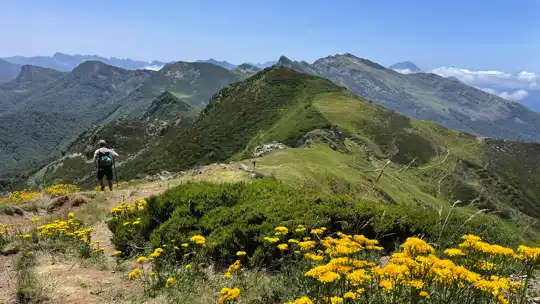
With Spain having so much to offer, I have visited it many times. Best trip was a hiking tour in the Picos de Europa in the North of Spain in July 2023.

✍️ Help improve this page!
The information on this page is based on my own backpacking experience in Spain, supplemented with up-to-date research and feedback from other travelers. Travel details can change, so if you notice anything outdated or incomplete, feel free to let me know.


🙋‍♂️ Give feedback

👋 Meet the founderWho’s Behind Take Your Backpack?

Johan, backpacker and founder of TakeYourBackpackHi, I’m Johan (Netherlands 🇳🇱), the creator of TakeYourBackpack. Over the past decade, I’ve backpacked through 80+ countries across six continents, gaining extensive experience with independent travel, long-term trips, and overland routes.

This site is built on a combination of firsthand travel experience and carefully curated insights from other backpackers. Many guides are based on places I’ve personally visited, while others bring together tips, observations, and practical advice shared by trusted travelers I’ve met along the way.

The goal is to provide realistic, experience-driven guidance — not generic itineraries — so you can explore destinations with better context, clearer expectations, and more confidence.

Get full Spain guide •
Instant download • 148 highlights • Full Offline guide