v2.webp)
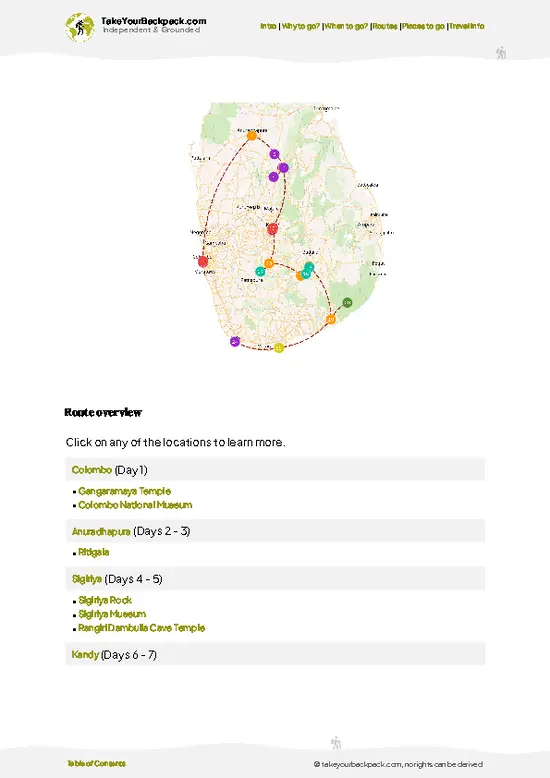
The Machinery Floor: Victorian-Era Engineering Up Close
Forget the Instagram shots of misty plantations—this is where the real magic hums. The museum’s ground floor is a living archive of industrial muscle: hulking, cast-iron rollers, century-old dryers, and sorting machines that look like they could outlast a nuclear winter. You can get close enough to smell the oil and old metal. It’s not sanitized or prettied up for tourists; it’s raw, mechanical history. If you’ve ever wondered how tea leaves become the stuff in your cup, this is the gritty, hands-on answer.
The Old Hanthana Tea Factory: Atmosphere You Can Taste
The building itself is a relic—an 1920s tea factory perched on a hill, with creaky wooden floors and windows that frame the Knuckles Range like a painting. The place smells like … read more 👉
Forget the Instagram shots of misty plantations—this is where the real magic hums. The museum’s ground floor is a living archive of industrial muscle: hulking, cast-iron rollers, century-old dryers, and sorting machines that look like they could outlast a nuclear winter. You can get close enough to smell the oil and old metal. It’s not sanitized or prettied up for tourists; it’s raw, mechanical history. If you’ve ever wondered how tea leaves become the stuff in your cup, this is the gritty, hands-on answer.
The Old Hanthana Tea Factory: Atmosphere You Can Taste
The building itself is a relic—an 1920s tea factory perched on a hill, with creaky wooden floors and windows that frame the Knuckles Range like a painting. The place smells like … read more 👉
The Machinery Floor: Victorian-Era Engineering Up Close
Forget the Instagram shots of misty plantations—this is where the real magic hums. The museum’s ground floor is a living archive of industrial muscle: hulking, cast-iron rollers, century-old dryers, and sorting machines that look like they could outlast a nuclear winter. You can get close enough to smell the oil and old metal. It’s not sanitized or prettied up for tourists; it’s raw, mechanical history. If you’ve ever wondered how tea leaves become the stuff in your cup, this is the gritty, hands-on answer.
The Old Hanthana Tea Factory: Atmosphere You Can Taste
The building itself is a relic—an 1920s tea factory perched on a hill, with creaky wooden floors and windows that frame the Knuckles Range like a painting. The place smells like dried leaves and old timber. You’re not walking through a sterile museum; you’re inside a working memory, with the ghosts of a thousand workers in every echo. It’s the kind of authenticity you can’t fake, and it’s a world away from the polished plantation tours.
The James Taylor Room: The Real Tea Pioneer
Instagram loves to romanticize “Ceylon Tea,” but the museum actually gives you the story of James Taylor—the Scottish planter who kickstarted the whole industry. His personal artifacts, handwritten letters, and battered tea chests are here. You get the sense of a real, flawed human who gambled everything on a crop. It’s not a hero-worship display; it’s a window into obsession, risk, and the birth of an industry. This is my personal favorite—because it’s a rare museum that gives you the guts of a story, not just the gloss.
The Rooftop Tea Café: Sipping with a View
Here’s the twist: the best view isn’t on a postcard, it’s from the museum’s rooftop café. Order a pot of single-estate Ceylon tea (skip the sugar, taste the terroir), and watch the sun drop behind the hills. It’s not a luxury experience—plastic chairs, no frills—but it’s honest, and the panorama is pure Sri Lanka. This is where you realize why tea became a national obsession.
Guided Tasting Sessions: Palate Training, Not Just Sipping
If you’re expecting a quick free sample, think again. The guided tastings here are run by people who actually know their stuff. You’ll learn to spot the difference between low-grown and high-grown teas, and why “orange pekoe” isn’t about fruit. It’s interactive, a little geeky, and you’ll leave with a sharper palate—and maybe a new addiction.
Forget the Instagram shots of misty plantations—this is where the real magic hums. The museum’s ground floor is a living archive of industrial muscle: hulking, cast-iron rollers, century-old dryers, and sorting machines that look like they could outlast a nuclear winter. You can get close enough to smell the oil and old metal. It’s not sanitized or prettied up for tourists; it’s raw, mechanical history. If you’ve ever wondered how tea leaves become the stuff in your cup, this is the gritty, hands-on answer.
The Old Hanthana Tea Factory: Atmosphere You Can Taste
The building itself is a relic—an 1920s tea factory perched on a hill, with creaky wooden floors and windows that frame the Knuckles Range like a painting. The place smells like dried leaves and old timber. You’re not walking through a sterile museum; you’re inside a working memory, with the ghosts of a thousand workers in every echo. It’s the kind of authenticity you can’t fake, and it’s a world away from the polished plantation tours.
The James Taylor Room: The Real Tea Pioneer
Instagram loves to romanticize “Ceylon Tea,” but the museum actually gives you the story of James Taylor—the Scottish planter who kickstarted the whole industry. His personal artifacts, handwritten letters, and battered tea chests are here. You get the sense of a real, flawed human who gambled everything on a crop. It’s not a hero-worship display; it’s a window into obsession, risk, and the birth of an industry. This is my personal favorite—because it’s a rare museum that gives you the guts of a story, not just the gloss.
The Rooftop Tea Café: Sipping with a View
Here’s the twist: the best view isn’t on a postcard, it’s from the museum’s rooftop café. Order a pot of single-estate Ceylon tea (skip the sugar, taste the terroir), and watch the sun drop behind the hills. It’s not a luxury experience—plastic chairs, no frills—but it’s honest, and the panorama is pure Sri Lanka. This is where you realize why tea became a national obsession.
Guided Tasting Sessions: Palate Training, Not Just Sipping
If you’re expecting a quick free sample, think again. The guided tastings here are run by people who actually know their stuff. You’ll learn to spot the difference between low-grown and high-grown teas, and why “orange pekoe” isn’t about fruit. It’s interactive, a little geeky, and you’ll leave with a sharper palate—and maybe a new addiction.
Spotted a mistake or missing something? Contact us.

 Best Backpacking
.jpg) Hi, I’m Johan (Netherlands 🇳🇱), the creator of TakeYourBackpack. Over the past 3 decades, I’ve backpacked through 90+ countries across six continents, gaining extensive experience with independent travel, long-term trips, and overland routes.
Hi, I’m Johan (Netherlands 🇳🇱), the creator of TakeYourBackpack. Over the past 3 decades, I’ve backpacked through 90+ countries across six continents, gaining extensive experience with independent travel, long-term trips, and overland routes.