
×

Sri Lanka🇱🇰 | attractionsSigiriya Museumarchaeological finds, fresco replicas, fortress history | things to do and best time to go

Explore Temple of the Sacred Tooth RelicExplore Galle Dutch Fort and Ramparts

Backpacking in Sigiriya Museum
🏆 Top pickattraction ranked #3
By Johan Kruseman 🇳🇱 | Updated September 4, 2026

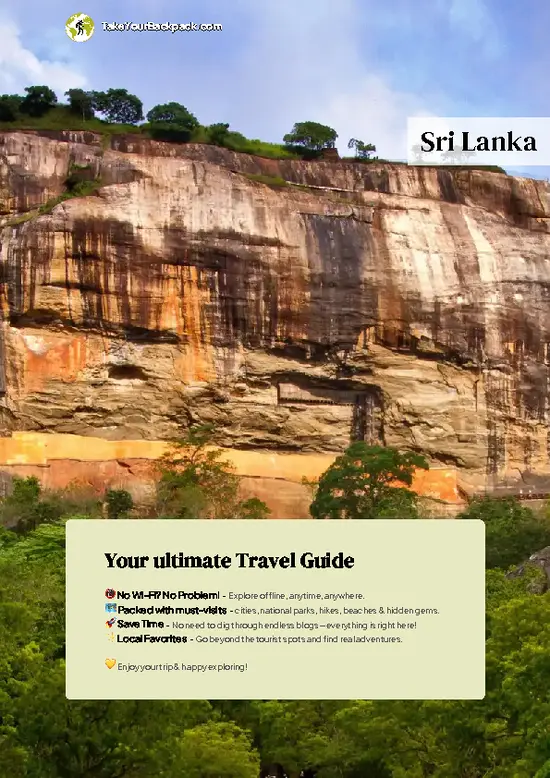
Here’s the curveball: Sigiriya Museum is actually air-conditioned—yes, in the middle of Sri Lanka’s furnace-like Cultural Triangle, you can escape the sweat and dust for an hour. You’ll find it just before the ticketed entrance to Sigiriya Rock, in the heart of the ancient city’s archaeological zone. Now, let’s be blunt: most backpackers skip the museum, thinking it’s a tourist add-on, but that’s a rookie mistake. The museum is a crash course in the real Sigiriya—less about Instagrammable lion paws, more about the wild, paranoid genius of King Kashyapa and the monks who came after. The exhibits are sharp, the models are tactile, and the view from the upper deck is a secret highlight—no crowds, just you and the rock. Downsides? The entry fee is bundled with the (pricey) Sigiriya Rock ticket, and if you’re allergic to school groups, brace yourself. But compared to the chaos outside, this place is a cool, cerebral pit stop that actually deepens the main event.

Discover everything you want to know in the 📖 Sri Lanka Travel Guide.
Loading the map 🌍
CLICK TO FILTER
cities
towns
villages
landmarks
national parks
hikes
beaches
attractions
festivals
regions
SHOW COUNTRY’S BESTSHOW ALL

✨ Why go?
Ranked #3 attraction in Sri Lanka
Reasons people choose to visit here

The Sigiriya Museum isn’t just another stop on the tourist checklist—it’s where the story of Sri Lanka’s most iconic landmark truly begins. Sure, the crowds can be thick, especially during peak season, and the entrance fee isn’t pocket change for a backpacker. But here’s the kicker: this museum is your key to unlocking the full weight of Sigiriya’s cultural and historical significance. It’s not just about climbing a rock; it’s about stepping into the world of King Kasyapa, whose 5th-century fortress atop the rock is a marvel of ancient engineering and brutal palace politics.

Inside, you’ll find detailed exhibits that bring to life the frescoes, water gardens, and the sheer audacity of the site’s design—things you’ll miss if you just rush the climb. The museum sets the stage, turning what … read more 👉
The Sigiriya Museum isn’t just another stop on the tourist checklist—it’s where the story of Sri Lanka’s most iconic landmark truly begins. Sure, the crowds can be thick, especially during peak season, and the entrance fee isn’t pocket change for a backpacker. But here’s the kicker: this museum is your key to unlocking the full weight of Sigiriya’s cultural and historical significance. It’s not just about climbing a rock; it’s about stepping into the world of King Kasyapa, whose 5th-century fortress atop the rock is a marvel of ancient engineering and brutal palace politics.

Inside, you’ll find detailed exhibits that bring to life the frescoes, water gardens, and the sheer audacity of the site’s design—things you’ll miss if you just rush the climb. The museum sets the stage, turning what could be a sweaty scramble into a meaningful journey through Sri Lanka’s past. For backpackers threading through the Cultural Triangle, it’s a milestone that deepens your understanding and appreciation, making the climb not just a physical feat but a cultural triumph. Skip the museum, and you’re missing the story behind the stone.
Want to include Sigiriya Museum in your Sri Lanka route?
Create a personalized Sri Lanka itinerary that includes Sigiriya Museum and the places that fit your trip — based on your travel style, budget, and available time. Get your route in seconds.

Generate my trip

💡 HighlightsWhat this place is best known for

The Original Lion’s Paw Relics
Forget the Instagrammed climb—inside the museum, you get up close with the actual lion’s paw fragments that inspired the entire Sigiriya legend. These aren’t replicas. They’re the battered, timeworn stones that once guarded the ancient stairway to the sky palace. You can see the claw marks, the scale, the raw ambition of a king who wanted to be remembered forever. It’s the kind of artifact that makes you realize the rock isn’t just a backdrop for selfies; it’s a monument to human ego and artistry.


The 3D Model of Sigiriya
This is where the museum quietly outclasses most “interpretive centers.” The 3D model isn’t just a diorama—it’s a full, tactile map of the entire site, showing the water gardens, moats, and the dizzying vertical climb. You can trace the ancient … read more 👉
The Original Lion’s Paw Relics
Forget the Instagrammed climb—inside the museum, you get up close with the actual lion’s paw fragments that inspired the entire Sigiriya legend. These aren’t replicas. They’re the battered, timeworn stones that once guarded the ancient stairway to the sky palace. You can see the claw marks, the scale, the raw ambition of a king who wanted to be remembered forever. It’s the kind of artifact that makes you realize the rock isn’t just a backdrop for selfies; it’s a monument to human ego and artistry.


The 3D Model of Sigiriya
This is where the museum quietly outclasses most “interpretive centers.” The 3D model isn’t just a diorama—it’s a full, tactile map of the entire site, showing the water gardens, moats, and the dizzying vertical climb. You can trace the ancient city’s layout with your finger, plotting your route before you ever break a sweat outside. It’s the only way to actually grasp the scale and genius of the engineering, especially if you’re not a drone photographer.


The Fresco Gallery
You’ll see high-resolution reproductions and fragments of the famous Sigiriya maidens—those half-mythical, half-real women painted on the rock face. The museum’s lighting and displays let you study the colors and brushwork up close, without the crowds or the time limit you get on the actual climb. It’s a chance to appreciate the artistry without craning your neck or dodging elbows.


The Archaeological Finds Room
This is where Sigiriya’s story gets gritty. Pottery shards, ancient coins, jewelry, and tools—each piece is labeled with context, not just a dry date. You see the daily life behind the legend: what people ate, how they traded, what they wore. It’s the antidote to the “lost city” myth. Real people lived here, and their leftovers are more interesting than any legend.


The Ancient Graffiti Wall
Personal favorite. The museum preserves and translates some of the 1,500-year-old graffiti left by ancient visitors. These aren’t just scribbles—they’re poems, jokes, and love notes, scratched into the plaster by monks, travelers, and dreamers. It’s the world’s oldest guestbook, and it’s hilarious, snarky, and surprisingly modern. You’ll find yourself grinning at the wit of someone who lived a millennium before hashtags.


The Interactive Timeline
Most museums drown you in dates. Here, the timeline is visual, tactile, and brutally honest about the rise and fall of Sigiriya. You see the shift from royal palace to Buddhist monastery to abandoned ruin. It’s a crash course in Sri Lankan history, minus the sugarcoating. If you want to understand why Sigiriya matters, this is your shortcut.


The View from the Museum Terrace
Here’s the kicker: the museum’s terrace gives you a panoramic view of the rock itself, framed by jungle and sky, without the crowds or the ticket hawkers. It’s the only spot where you can actually sit, breathe, and take in the scale of what you’re about to climb—or just admire it with a cold drink, no judgment.
Spotted a mistake or missing something? Contact us.

Things to do around Sigiriya Museum

Ratings based on Tripadvisor reviews. When you book through this link, you support our work at no extra cost to you.

🌤️ When to go?When to go for the best experience


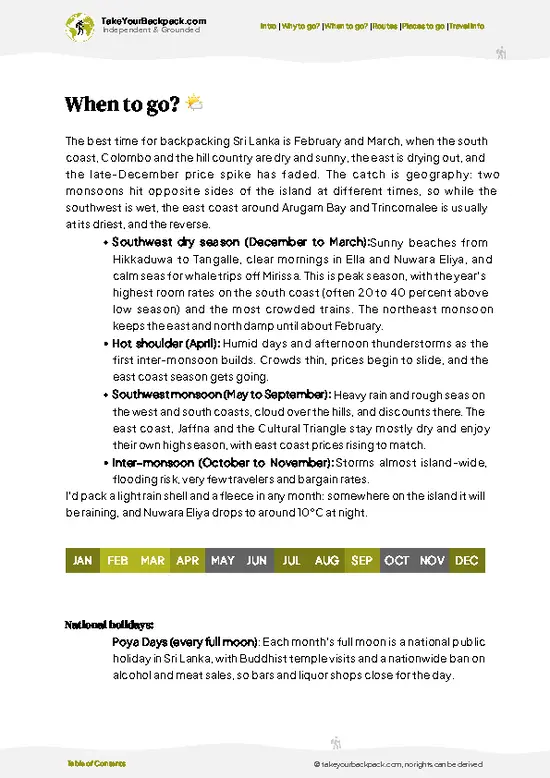
  • Weather: The dry season from December to April is your best bet for clear skies and minimal rain. May to November brings heavy monsoons, turning the climb slippery and the museum visit less enjoyable.

  • Temperature: Expect daytime highs around 30-32°C (86-90°F) year-round, but mornings and evenings can drop to a comfortable 22-24°C (72-75°F). The dry season feels hotter but less humid, making the heat more bearable.

  • Daylight Hours: Roughly 11-12 hours of daylight throughout the year. Arrive early to beat the midday sun and crowds, especially since the climb up Sigiriya Rock is exposed with little shade.

  • Crowds: Peak tourist season aligns with the dry months, especially January and February. Weekdays are quieter; weekends and Sri Lankan holidays pack the site with tour groups and selfie
read more 👉

  • Weather: The dry season from December to April is your best bet for clear skies and minimal rain. May to November brings heavy monsoons, turning the climb slippery and the museum visit less enjoyable.

  • Temperature: Expect daytime highs around 30-32°C (86-90°F) year-round, but mornings and evenings can drop to a comfortable 22-24°C (72-75°F). The dry season feels hotter but less humid, making the heat more bearable.

  • Daylight Hours: Roughly 11-12 hours of daylight throughout the year. Arrive early to beat the midday sun and crowds, especially since the climb up Sigiriya Rock is exposed with little shade.

  • Crowds: Peak tourist season aligns with the dry months, especially January and February. Weekdays are quieter; weekends and Sri Lankan holidays pack the site with tour groups and selfie sticks.

  • Seasonal Activities: The dry season also means better access to nearby hikes and villages. The wet season limits these options but offers lush greenery if you don’t mind the rain.

  • Price Fluctuations: Entry fees remain stable year-round, but accommodation and guided tours spike during peak season. Booking ahead in December to March saves you from last-minute price gouging.


Pro-tip: Visit early in the dry season, midweek, and start your day at dawn to enjoy the museum and rock climb with fewer people and cooler temps—this is when Sigiriya sheds its tourist mask and shows its real soul.


source: climatestotravel.comJANJanuary: excellent for travelingFEBFebruary: excellent for travelingMARMarch: excellent for travelingAPRApril: highly recommended for travelingMAYMay: fair for travelingJUNJune: fair for travelingJULJuly: fair for travelingAUGAugust: fair for travelingSEPSeptember: fair for travelingOCTOctober: fair for travelingNOVNovember: fair for travelingDECDecember: excellent for traveling
when-to-go

✈️ The backpacker research shortcutSri Lanka Travel Guide

An offline-friendly backpacking guide with optimized travel routes, ranked highlights, transport advice, and the best areas to stay.
example page 0 from our offline Travel Guide for Sri Lanka
example page 1 from our offline Travel Guide for Sri Lanka
example page 2 from our offline Travel Guide for Sri Lanka
example page 3 from our offline Travel Guide for Sri Lanka
example page 4 from our offline Travel Guide for Sri Lanka
example page 5 from our offline Travel Guide for Sri Lanka
example page 6 from our offline Travel Guide for Sri Lanka
example page 7 from our offline Travel Guide for Sri Lanka
The digital guide (445 pages) contains:
124 highlights, ranked by travel appeal
Optimized 5, 10 & 15-day travel routes
Cities, national parks, landmarks, beaches
How to get around
Offline-friendly for travel without Wi-Fi
👉 Click to see all 30+ guide features

📅 Plan smarter in minutes, not weeks
Month by month travel advice
Festivals & national holidays
Budget expectations

🗺️ Go to the right places, skip the overrated ones
Honest pros & cons of destinations
Top hikes, parks & viewpoints
Lesser-known places most travelers miss
Clear “worth it vs skip it” guidance

🛏️ Travel smoothly without rookie mistakes
Best areas to stay
Transport systems explained simply
Common scams & safety advice
SIM cards, money & practical tips

🌍 Understand the country, not just visit it
Culture & traditions
52 Essential phrases & customs
Festivals worth planning around
Traveler-friendly historical context
Insights that make places more meaningful

📱 Built for real travel conditions
Fully downloadable PDF
Works completely offline
Optimized for phone use
Useful in remote areas & buses
Everything in one place
Save weeks of stressful planning
Get instant access to your full guide. 30‑day money-back guarantee.
+ Add another guide for just US$7.80

By proceeding you agree to our terms.
Sent to your inbox immediately after payment • 100% Secure Checkout
Best Backpacking Travel Advisor 2025 tourism awardBest Backpacking
Travel Advisor
2025
What others say about Take Your Backpack Guides:
⭐⭐⭐⭐⭐
Fantastic, amazing amount of information!
⭐⭐⭐⭐⭐
My goodness this is amazing, it's what I've been looking for hats off too you!
⭐⭐⭐⭐⭐
I think this is absolutely BRILLIANT
⭐⭐⭐⭐
Very complete and informative. It's still missing places, but I gotta to commend you
⭐⭐⭐⭐⭐
This is truly amazing, thank you, can't wait to explore it with my kids!
⭐⭐⭐⭐⭐
Awesome resource, thank you!
⭐⭐⭐⭐⭐
This is amazing! Can't wait to explore the ones I haven't seen
⭐⭐⭐⭐
I love this! Well done, great idea.
⭐⭐⭐⭐⭐
Thanks for taking the time to make this gem!
⭐⭐⭐⭐⭐
This might be the best website I've ever seen.
⭐⭐⭐⭐⭐
Congratulations, and thank you so much for your work; it's incredibly valuable.
⭐⭐⭐⭐
In all seriousness I think you did a great job pointing out the important spots
⭐⭐⭐⭐⭐
10/10 very good
⭐⭐⭐⭐⭐
As someone who's only just starting to visit regularly this is awesome, thank you.
⭐⭐⭐⭐
Thank you very much! I'm going to visit my dad, it's going to be very useful!
⭐⭐⭐⭐⭐
This is really cool! We'll be travelling for the first time and this definitely come in handy.
⭐⭐⭐⭐⭐
You are now our minister of culture, congratulations 👨‍💼
⭐⭐⭐⭐⭐
Just wanted to tell you that this is a pearl! Going to follow your recommendations.
⭐⭐⭐⭐⭐
This is so cool. I'll definitely be using the resource for my travels soon.
⭐⭐⭐⭐⭐
This is very impressive! Good work.
⭐⭐⭐⭐⭐
This is an amazing and informative site. Very well done!

🛏️ Where to stay?Choosing the right base

Forget the glossy Instagram shots of Sigiriya’s lion rock glowing at sunrise, untouched and serene. The reality? The crowds start lining up early, and the climb can feel like a slow-moving conga line of selfie sticks. It’s not a secret anymore, so expect tourists, guides, and vendors buzzing around. That said, the real magic isn’t just the rock itself—it’s the vibe you soak up in the nearby areas where backpackers actually hang out.

If you want to be close to Sigiriya Museum and the rock fortress without breaking the bank or feeling like a tourist in a bubble, focus on the villages just outside … read more 👉
Forget the glossy Instagram shots of Sigiriya’s lion rock glowing at sunrise, untouched and serene. The reality? The crowds start lining up early, and the climb can feel like a slow-moving conga line of selfie sticks. It’s not a secret anymore, so expect tourists, guides, and vendors buzzing around. That said, the real magic isn’t just the rock itself—it’s the vibe you soak up in the nearby areas where backpackers actually hang out.

If you want to be close to Sigiriya Museum and the rock fortress without breaking the bank or feeling like a tourist in a bubble, focus on the villages just outside the main tourist zone. These spots are safe, social, and attract a steady flow of budget travelers and solo backpackers who want to swap stories over a cold drink after a day of hiking. You’ll find homestays and guesthouses here that offer genuine local hospitality, not just a bed. The community vibe is strong, with shared meals and easy access to tuk-tuks heading to the rock or the museum.

Staying right in the village areas means you dodge the inflated prices and tourist traps near the entrance. Plus, you get a slice of real Sri Lankan life—early morning markets, street food stalls, and the chance to connect with locals who’ve lived here for generations. That’s the kind of experience that sticks with you long after the climb.

👛 Costs (as of 4 September 2026)What things cost and how to budget

As of March 2026, the entrance fee for Sigiriya Rock Fortress, which includes access to the Sigiriya Museum, is US$35 for foreign tourists aged 12 and above. Children aged 6 to 12 years are charged US$20, while children under 6 years enter free of charge. Local tourists pay LKR 120 for adults and LKR 60 for children. The museum is open daily from 5:00 AM to 6:30 PM, with ticket sales from 5:00 AM to 5:00 PM. The frescoes area closes at 5:45 PM. Tickets can be purchased at the site or online through the Sri Lanka Government Central Cultural Fund.

source: sigiriya.info
⚠️ Prices can change and everyone travels differently, so take this as a rough guide. Hope it helps you plan your adventure!

FAQFrequently asked questions about Sigiriya Museum

1 to 2 hours is sufficient to visit Sigiriya Museum. It provides detailed historical context and artifacts related to the Sigiriya rock fortress, making it a concise but informative stop.
Yes, Sigiriya Museum is worth the entrance fee of around 500 LKR. It enhances the experience of visiting the Sigiriya rock by offering archaeological insights and well-preserved exhibits.
Sigiriya Museum is located near the Sigiriya rock fortress, about 2 km from the main entrance. You can reach it by tuk-tuk or local bus from Dambulla or Habarana, with tuk-tuks being the fastest and most convenient option.
⚠️ Things can change over time, so always validate details locally before you go.

Other Sri Lankan attractions near Sigiriya Museum

Explore more nearby:


💡 Not sure where to go next?
Create a personalized itinerary for Sri Lanka including Sigiriya Museum and the places that fit your trip.

Generate my itinerary

👉 Discover all attractions

Or checkout all Sri Lanka has to offer (think cities, towns, villages, national parks, hikes, beaches, festivals)
Country photo of Sri Lanka

We 💚 feedbackFinal thoughts on visiting Sigiriya Museum

The Sigiriya Museum isn’t just a pit stop—it’s where the story behind the rock fortress finally clicks. You get the context that turns those ancient frescoes and stone ruins from pretty pictures into a gripping saga of power and survival. But heads up: it’s often crowded, especially midday, which can dilute the experience. If you can swing an early visit, you’ll have room to breathe and actually absorb the history without feeling herded.

✈️ When did I visit Sri Lanka?
In December 2025 I visited Sri Lanka.

✍️ Help improve this page!
The information on this page is based on my own backpacking experience in Sri Lanka, supplemented with up-to-date research and feedback from other travelers. Travel details can change, so if you notice anything outdated or incomplete, feel free to let me know.


🙋‍♂️ Give feedback

👋 Meet the founderWho’s Behind Take Your Backpack?

Johan, backpacker and founder of TakeYourBackpackHi, I’m Johan (Netherlands 🇳🇱), the creator of TakeYourBackpack. Over the past decade, I’ve backpacked through 80+ countries across six continents, gaining extensive experience with independent travel, long-term trips, and overland routes.

This site is built on a combination of firsthand travel experience and carefully curated insights from other backpackers. Many guides are based on places I’ve personally visited, while others bring together tips, observations, and practical advice shared by trusted travelers I’ve met along the way.

The goal is to provide realistic, experience-driven guidance — not generic itineraries — so you can explore destinations with better context, clearer expectations, and more confidence.

Get full Sri Lanka guide •
Instant download • 124 highlights • Full Offline guide