×

Sri Lanka🇱🇰 | attractionsLankatilaka Viharahilltop temple, frescoes, brick shrine | things to do and best time to go

Explore Martin Wickramasinghe Folk Museum ComplexExplore Arugam Bay

Backpacking in Lankatilaka Vihara
👍 Recommendedattraction ranked #7
By Johan Kruseman 🇳🇱 | Updated October 15, 2026

Everyone’s seen the postcard shot: that towering brick shrine, Lankatilaka Vihara, framed by blue sky and jungle, hyped as “the most photogenic temple in Sri Lanka.” But let’s be honest—if you’re coming just for the Instagram angle, you’ll be elbowing for space with tour groups and missing the real magic. What actually matters here is the raw, lived-in atmosphere: incense curling through ancient halls, monks chanting in the shadows, and the sense that this place has outlasted empires. Tucked in the hills near Kandy, Lankatilaka isn’t the easiest detour—rickety buses, steep climbs, and a small entrance fee weed out the lazy. But that’s the point. It’s quieter than the Dambulla circus, cheaper than Sigiriya, and if you linger, you’ll catch the soul of Sri Lankan Buddhism, not just its surface.

Discover everything you want to know in the 📖 Sri Lanka Travel Guide.


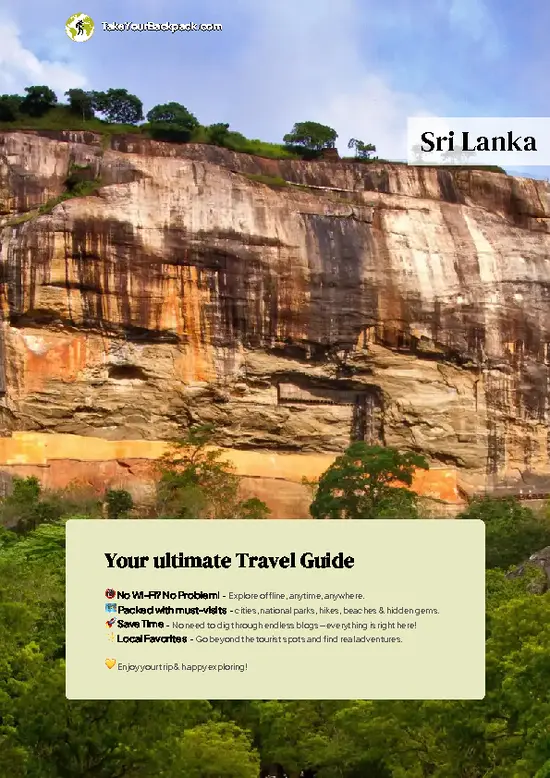
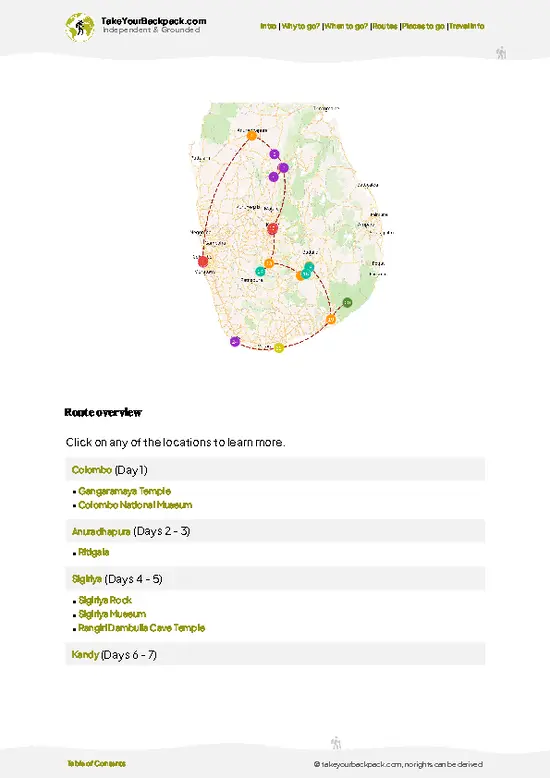
example page 0 from our offline Travel Guide for Sri Lanka
example page 1 from our offline Travel Guide for Sri Lanka
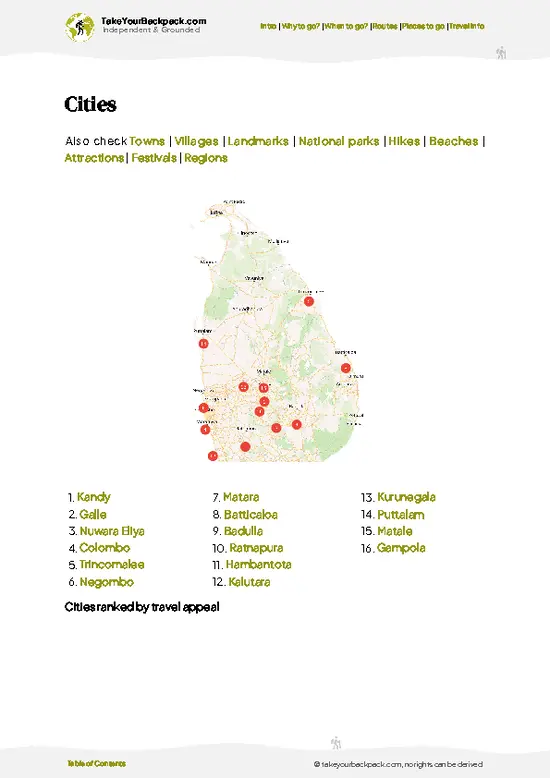
example page 2 from our offline Travel Guide for Sri Lanka
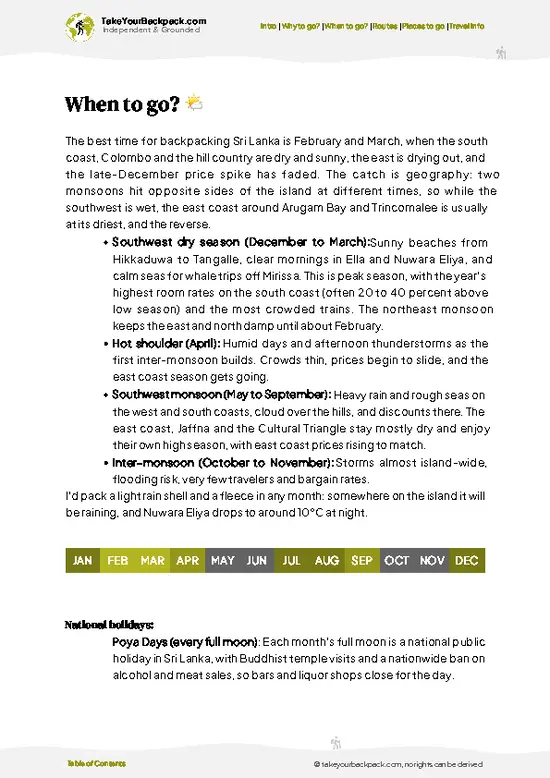
example page 3 from our offline Travel Guide for Sri Lanka
example page 4 from our offline Travel Guide for Sri Lanka
example page 5 from our offline Travel Guide for Sri Lanka
example page 6 from our offline Travel Guide for Sri Lanka
example page 7 from our offline Travel Guide for Sri Lanka
Loading the map 🌍
CLICK TO FILTER
cities
towns
villages
landmarks
national parks
hikes
beaches
attractions
festivals
regions
SHOW COUNTRY’S BESTSHOW ALL

✨ Why go?
Ranked #7 attraction in Sri Lanka
Why visitors keep coming back

Lankatilaka Vihara isn’t just another temple on the Sri Lankan circuit—it’s a heavyweight in the country’s cultural and architectural story. Sure, it’s not swarmed like Sigiriya or Dambulla, but that’s part of its charm. This 14th-century marvel stands as a testament to the fusion of South Indian and Sinhalese craftsmanship, with its towering stone walls and intricate frescoes that have survived centuries of monsoon battering. Backpackers who carve out time here aren’t just ticking a box; they’re stepping into a living museum where every carved pillar and Buddha statue whispers history. The effort to reach it—often a sweaty climb through uneven paths—is rewarded with a rare quietude and a chance to absorb a slice of Sri Lanka’s spiritual backbone without the usual tourist crush. It’s a milestone … read more 👉
Lankatilaka Vihara isn’t just another temple on the Sri Lankan circuit—it’s a heavyweight in the country’s cultural and architectural story. Sure, it’s not swarmed like Sigiriya or Dambulla, but that’s part of its charm. This 14th-century marvel stands as a testament to the fusion of South Indian and Sinhalese craftsmanship, with its towering stone walls and intricate frescoes that have survived centuries of monsoon battering. Backpackers who carve out time here aren’t just ticking a box; they’re stepping into a living museum where every carved pillar and Buddha statue whispers history. The effort to reach it—often a sweaty climb through uneven paths—is rewarded with a rare quietude and a chance to absorb a slice of Sri Lanka’s spiritual backbone without the usual tourist crush. It’s a milestone on the cultural route, a place where you feel the pulse of the island’s past in a way that’s both humbling and exhilarating.

💡 HighlightsEssential experiences to have while visiting Lankatilaka Vihara

The Towering Brick Image House
Forget the Instagram angles—this isn’t just another “ancient temple with a Buddha statue.” The main shrine at Lankatilaka Vihara is a 14th-century brick colossus, looming over you with a kind of medieval Sri Lankan swagger. The scale is almost aggressive: walk inside and you’ll feel like you’ve entered a fortress built for gods, not tourists. The faded murals and battered Buddha statue aren’t pristine, but that’s the point. This place wears its scars with pride.


The Inscription Gallery
Most visitors breeze past the stone slabs at the entrance, but if you actually stop and look, you’ll see some of the best-preserved medieval Sinhalese inscriptions in the country. These aren’t just decorative—these are receipts, decrees, and temple rules from 700 years ago, carved … read more 👉
The Towering Brick Image House
Forget the Instagram angles—this isn’t just another “ancient temple with a Buddha statue.” The main shrine at Lankatilaka Vihara is a 14th-century brick colossus, looming over you with a kind of medieval Sri Lankan swagger. The scale is almost aggressive: walk inside and you’ll feel like you’ve entered a fortress built for gods, not tourists. The faded murals and battered Buddha statue aren’t pristine, but that’s the point. This place wears its scars with pride.


The Inscription Gallery
Most visitors breeze past the stone slabs at the entrance, but if you actually stop and look, you’ll see some of the best-preserved medieval Sinhalese inscriptions in the country. These aren’t just decorative—these are receipts, decrees, and temple rules from 700 years ago, carved in stone because paper was for amateurs. If you want to feel the pulse of real history, run your fingers over the grooves. It’s the closest you’ll get to time travel in the Kandy region.


The Panoramic Hilltop Setting
Here’s the honest truth: you’ll sweat for the view. The climb up to Lankatilaka is not for the faint of heart, and you’ll share the path with local devotees, not just camera-toting travelers. But the payoff is a 360-degree sweep of rice paddies, jungle, and distant hills. No filter required. The temple’s position isn’t just for show—it was built to dominate the landscape, and it still does.


The Dual Faith Shrines
This is where Lankatilaka quietly flexes its real magic. Inside, you’ll find not just Buddhist imagery, but also shrines to Hindu deities—Vishnu, Ganesh, and more. This isn’t some forced “multi-faith harmony” for the tourists; it’s a living, breathing example of how Sri Lankan culture actually works. The syncretism here is centuries old and completely unselfconscious. It’s messy, layered, and absolutely fascinating. This one’s my personal favorite—it’s the kind of detail that never makes the postcards, but tells you everything about the soul of the place.


The Ancient Ceiling Paintings
Look up. The wooden ceiling beams are painted with floral and geometric patterns that have survived monsoon after monsoon. They’re not flashy, but they’re real—handmade, imperfect, and stubbornly hanging on. It’s a quiet reminder that beauty here isn’t about perfection; it’s about endurance.
Spotted a mistake or missing something? Contact us.

Things to do near Lankatilaka Vihara

Ratings based on Tripadvisor reviews. When you book through this link, you support our work at no extra cost to you.

🌤️ When to go?Seasonal considerations and timing

  • Topic: Weather - The best time to visit Lankatilaka Vihara is between December and March. This period avoids the heavy monsoon rains common from May to September, ensuring dry trails and clear skies. Expect temperatures around 25-30°C (77-86°F), perfect for exploring without melting into your shirt.
  • Topic: Temperature - Daytime highs hover near 28°C (82°F) during the dry season, cooling off to about 18°C (64°F) at night. This range keeps the heat manageable, unlike the sticky, humid months of April and October when temps spike and sweat becomes your constant companion.
  • Topic: Daylight Hours - From December to March, you get roughly 11 to 12 hours of daylight, enough to soak in the site without rushing. Early mornings and late afternoons offer softer light for photos and fewer tourists.
  • Topic:
… read more 👉
  • Topic: Weather - The best time to visit Lankatilaka Vihara is between December and March. This period avoids the heavy monsoon rains common from May to September, ensuring dry trails and clear skies. Expect temperatures around 25-30°C (77-86°F), perfect for exploring without melting into your shirt.
  • Topic: Temperature - Daytime highs hover near 28°C (82°F) during the dry season, cooling off to about 18°C (64°F) at night. This range keeps the heat manageable, unlike the sticky, humid months of April and October when temps spike and sweat becomes your constant companion.
  • Topic: Daylight Hours - From December to March, you get roughly 11 to 12 hours of daylight, enough to soak in the site without rushing. Early mornings and late afternoons offer softer light for photos and fewer tourists.
  • Topic: Crowds - Peak tourist season overlaps with the dry months, so expect more visitors from December to February. If you want to dodge the crowd, aim for late March or early April when the weather is still decent but the hordes thin out.
  • Topic: Seasonal Activities - The dry season aligns with local festivals and cultural events, adding layers of authenticity to your visit. However, these can also drive up prices and crowd density.
  • Topic: Price Fluctuations - Accommodation and transport costs spike during the dry season, especially around Christmas and New Year. Booking ahead is essential if you want to avoid inflated rates.
Pro-tip: Visit early in the dry season—December or January—to balance decent weather, manageable crowds, and better prices before the high season frenzy kicks in.


source: climatestotravel.comJANJanuary: excellent for travelingFEBFebruary: highly recommended for travelingMARMarch: highly recommended for travelingAPRApril: good for travelingMAYMay: fair for travelingJUNJune: fair for travelingJULJuly: fair for travelingAUGAugust: fair for travelingSEPSeptember: fair for travelingOCTOctober: fair for travelingNOVNovember: good for travelingDECDecember: excellent for traveling
when-to-go

✈️ The backpacker research shortcutSri Lanka Travel Guide

An offline-friendly backpacking guide with optimized travel routes, ranked highlights, transport advice, and the best areas to stay.
example page 0 from our offline Travel Guide for Sri Lanka
example page 1 from our offline Travel Guide for Sri Lanka
example page 2 from our offline Travel Guide for Sri Lanka
example page 3 from our offline Travel Guide for Sri Lanka
example page 4 from our offline Travel Guide for Sri Lanka
example page 5 from our offline Travel Guide for Sri Lanka
example page 6 from our offline Travel Guide for Sri Lanka
example page 7 from our offline Travel Guide for Sri Lanka
The digital guide (435 pages) contains:
✅ 121 highlights, ranked by travel appeal
✅ Optimized 5, 10 & 15-day travel routes
✅ Cities, national parks, landmarks, beaches
✅ How to get around
✅ Offline-friendly for travel without Wi-Fi
👉 Click to see all 30+ guide features

📅 Plan smarter in minutes, not weeks
✅ Month by month travel advice
✅ Festivals & national holidays
✅ Budget expectations

🗺️ Go to the right places, skip the overrated ones
✅ Honest pros & cons of destinations
✅ Top hikes, parks & viewpoints
✅ Lesser-known places most travelers miss
✅ Clear “worth it vs skip it” guidance

🛏️ Travel smoothly without rookie mistakes
✅ Best areas to stay
✅ Transport systems explained simply
✅ Common scams & safety advice
✅ SIM cards, money & practical tips

🌍 Understand the country, not just visit it
✅ Culture & traditions
✅ 52 Essential phrases & customs
✅ Festivals worth planning around
✅ Traveler-friendly historical context
✅ Insights that make places more meaningful

📱 Built for real travel conditions
✅ Fully downloadable PDF
✅ Works completely offline
✅ Optimized for phone use
✅ Useful in remote areas & buses
✅ Everything in one place
Stop searching, start planning
Get instant access to your full guide. 30‑day money-back guarantee.
+ Add another guide for just

By proceeding you agree to our terms.
Sent to your inbox immediately after payment • 100% Secure Checkout
Best Backpacking Travel Advisor 2025 tourism awardBest Backpacking
Travel Advisor
2025
What others say about Take Your Backpack Guides:
⭐⭐⭐⭐⭐
Fantastic, amazing amount of information!
⭐⭐⭐⭐⭐
My goodness this is amazing, it's what I've been looking for hats off too you!
⭐⭐⭐⭐⭐
I think this is absolutely BRILLIANT
⭐⭐⭐⭐
Very complete and informative. It's still missing places, but I gotta to commend you
⭐⭐⭐⭐⭐
This is truly amazing, thank you, can't wait to explore it with my kids!
⭐⭐⭐⭐⭐
Awesome resource, thank you!
⭐⭐⭐⭐⭐
This is amazing! Can't wait to explore the ones I haven't seen
⭐⭐⭐⭐
I love this! Well done, great idea.
⭐⭐⭐⭐⭐
Thanks for taking the time to make this gem!
⭐⭐⭐⭐⭐
This might be the best website I've ever seen.
⭐⭐⭐⭐⭐
Congratulations, and thank you so much for your work; it's incredibly valuable.
⭐⭐⭐⭐
In all seriousness I think you did a great job pointing out the important spots
⭐⭐⭐⭐⭐
10/10 very good
⭐⭐⭐⭐⭐
As someone who's only just starting to visit regularly this is awesome, thank you.
⭐⭐⭐⭐
Thank you very much! I'm going to visit my dad, it's going to be very useful!
⭐⭐⭐⭐⭐
This is really cool! We'll be travelling for the first time and this definitely come in handy.
⭐⭐⭐⭐⭐
You are now our minister of culture, congratulations 👨‍💼
⭐⭐⭐⭐⭐
Just wanted to tell you that this is a pearl! Going to follow your recommendations.
⭐⭐⭐⭐⭐
This is so cool. I'll definitely be using the resource for my travels soon.
⭐⭐⭐⭐⭐
This is very impressive! Good work.
⭐⭐⭐⭐⭐
This is an amazing and informative site. Very well done!

🛏️ Where to stay?Choosing the right base

Lankatilaka Vihara sits in the cultural heart of Sri Lanka’s ancient hill country, but don’t expect a quiet, off-the-grid sanctuary. The area around Lankatilaka is a magnet for day-trippers and history buffs, so the immediate vicinity can feel a bit touristy and rushed. If you want to avoid the tourist bubble while still being close enough to soak in the vibe, aim for the nearby town of Kandy or the smaller village of Pilimathalawa.

Kandy is your go-to for safety, social energy, and budget options. It’s a backpacker hub with guesthouses, cafes, and a steady flow of fellow travelers. You’ll find … read more 👉
Lankatilaka Vihara sits in the cultural heart of Sri Lanka’s ancient hill country, but don’t expect a quiet, off-the-grid sanctuary. The area around Lankatilaka is a magnet for day-trippers and history buffs, so the immediate vicinity can feel a bit touristy and rushed. If you want to avoid the tourist bubble while still being close enough to soak in the vibe, aim for the nearby town of Kandy or the smaller village of Pilimathalawa.

Kandy is your go-to for safety, social energy, and budget options. It’s a backpacker hub with guesthouses, cafes, and a steady flow of fellow travelers. You’ll find plenty of opportunities to swap stories and plan your next move. Pilimathalawa, just a short tuk-tuk ride away, offers a quieter, more local feel with affordable stays and a chance to experience authentic Sri Lankan village life without sacrificing safety or access.

Both spots balance convenience with character, giving you a real connection to the region beyond the polished temple photos. Skip the tourist traps, but don’t skip the people and places that make this part of Sri Lanka worth your time.

👛 Costs (as of 15 October 2026)How expensive it really is

As of the most recent estimates, the entrance fee for Lankatilaka Vihara varies based on nationality. Foreign visitors are typically charged approximately USD2.50 per person, while the fee for SAARC nationals is around USD5 per person. Donations are appreciated but not mandatory.
⚠️ Prices can change and everyone travels differently, so take this as a rough guide. Hope it helps you plan your adventure!

FAQCommon questions from travelers

Visiting Lankatilaka Vihara typically requires about 1 to 1.5 hours to explore the site thoroughly. This allows time to appreciate the architecture, murals, and surroundings without rushing.
Yes, Lankatilaka Vihara is worth the entrance fee, which is around 500 Sri Lankan Rupees for foreign tourists. The site offers unique 14th-century Kandyan architecture and well-preserved frescoes that justify the cost.
To get to Lankatilaka Vihara, travel to the town of Pilimathalawa, about 20 km from Kandy. From there, local buses or tuk-tuks can take you directly to the temple, which is located on a hilltop accessible by a short walk.
⚠️ Things can change over time, so always validate details locally before you go.

Other Sri Lankan attractions near Lankatilaka Vihara

Explore more nearby:


💡 Not sure where to go next?
Create a personalized itinerary for Sri Lanka including Lankatilaka Vihara and the places that fit your trip.

Generate my itinerary

👉 Discover all attractions

Or checkout all Sri Lanka has to offer (think cities, towns, villages, national parks, hikes, beaches, festivals)
Country photo of Sri Lanka

We 💚 feedbackIs it worth it?

Lankatilaka Vihara isn’t some polished tourist magnet—it’s a raw slice of 14th-century Sri Lankan artistry that hits you with its sheer scale and intricate stonework. But heads up: it’s a bit off the beaten path, so getting there demands patience and a sturdy ride. If you’re after a place where history feels alive and unfiltered, this temple delivers in spades, just don’t expect crowds or easy access.

✈️ When did I visit Sri Lanka?
In December 2025 I visited Sri Lanka.

✍️ Help improve this page!
The information on this page is based on my own backpacking experience in Sri Lanka, supplemented with up-to-date research and feedback from other travelers. Travel details can change, so if you notice anything outdated or incomplete, feel free to let me know.


🙋‍♂️ Give feedback

👋 Meet the founderWho’s Behind Take Your Backpack?

Johan, backpacker and founder of TakeYourBackpackHi, I’m Johan (Netherlands 🇳🇱), the creator of TakeYourBackpack. Over the past 3 decades, I’ve backpacked through 90+ countries across six continents, gaining extensive experience with independent travel, long-term trips, and overland routes.

This site is built on a combination of firsthand travel experience and carefully curated insights from other backpackers. Many guides are based on places I’ve personally visited, while others bring together tips, observations, and practical advice shared by trusted travelers I’ve met along the way.

The goal is to provide realistic, experience-driven guidance — not generic itineraries — so you can explore destinations with better context, clearer expectations, and more confidence.