v2.webp)
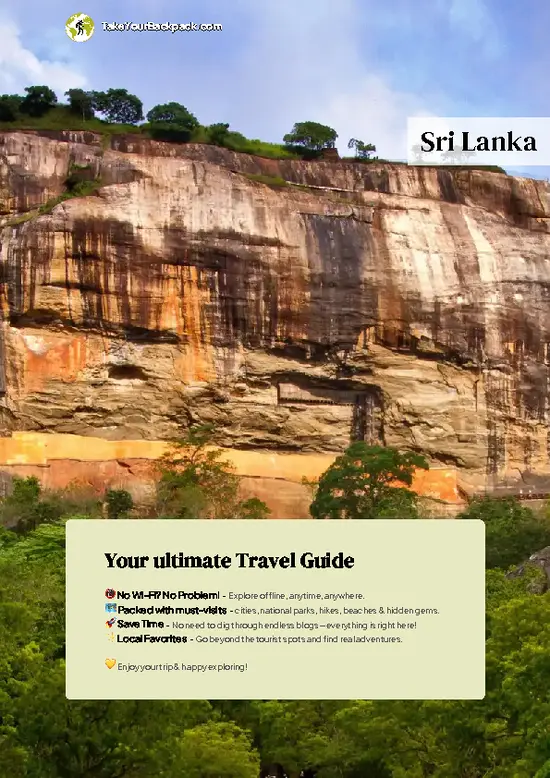
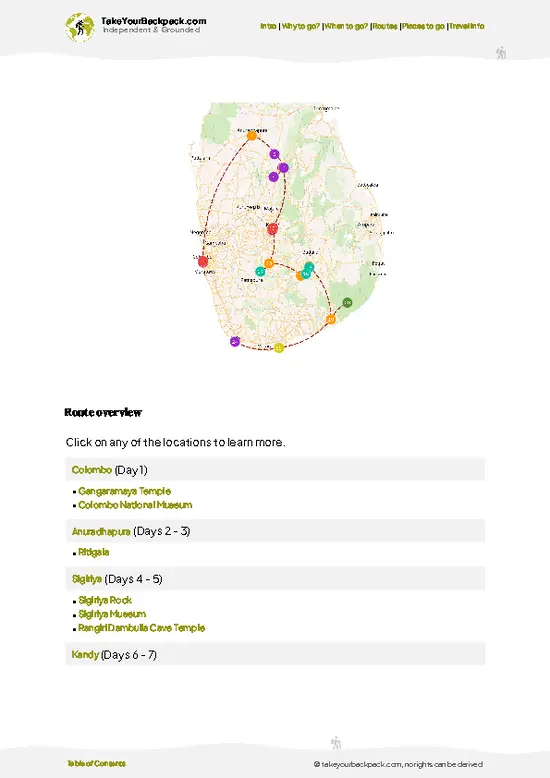
The Original House of Martin Wickramasinghe
Forget the manicured, airbrushed “heritage homes” you see on postcards. This is the real deal: the actual mud-and-cadjan house where one of Sri Lanka’s literary giants was born. It’s not grand, but that’s the point. You can practically feel the humidity and the weight of rural life in every creak of the floorboards. If you want to understand the roots of Sri Lankan storytelling, start here—no velvet ropes, no fake nostalgia, just raw history.
Traditional Folk Artifacts Collection
This is where the museum flexes its muscles. The collection isn’t just a jumble of old tools and pots—it’s a crash course in how Sri Lankans actually lived, worked, and played before the world got obsessed with hashtags. You’ll see everything from hand-carved masks used … read more 👉
Forget the manicured, airbrushed “heritage homes” you see on postcards. This is the real deal: the actual mud-and-cadjan house where one of Sri Lanka’s literary giants was born. It’s not grand, but that’s the point. You can practically feel the humidity and the weight of rural life in every creak of the floorboards. If you want to understand the roots of Sri Lankan storytelling, start here—no velvet ropes, no fake nostalgia, just raw history.
Traditional Folk Artifacts Collection
This is where the museum flexes its muscles. The collection isn’t just a jumble of old tools and pots—it’s a crash course in how Sri Lankans actually lived, worked, and played before the world got obsessed with hashtags. You’ll see everything from hand-carved masks used … read more 👉
The Original House of Martin Wickramasinghe
Forget the manicured, airbrushed “heritage homes” you see on postcards. This is the real deal: the actual mud-and-cadjan house where one of Sri Lanka’s literary giants was born. It’s not grand, but that’s the point. You can practically feel the humidity and the weight of rural life in every creak of the floorboards. If you want to understand the roots of Sri Lankan storytelling, start here—no velvet ropes, no fake nostalgia, just raw history.
Traditional Folk Artifacts Collection
This is where the museum flexes its muscles. The collection isn’t just a jumble of old tools and pots—it’s a crash course in how Sri Lankans actually lived, worked, and played before the world got obsessed with hashtags. You’ll see everything from hand-carved masks used in ritual dances to ingenious agricultural tools that make you wonder how anyone ever called this “the simple life.” It’s tactile, it’s weirdly beautiful, and it’s a million miles from the sanitized “culture” you get at tourist markets.
Folk Theatre and Puppetry Displays
Here’s where the entertainment factor spikes. The museum doesn’t just show you puppets behind glass; it explains the wild, sometimes subversive stories they told—think satire, not just fairy tales. If you time it right, you might even catch a live demonstration. This isn’t Disney; it’s raw, sometimes raucous, and deeply Sri Lankan. My personal favorite, hands down. There’s nothing like seeing a centuries-old puppet show lampooning colonial officials to remind you that humor is a survival skill.
Traditional Transport Exhibit
Bullock carts, hand-pulled rickshaws, and boats that look like they were built by someone with more guts than engineering training. These aren’t just props—they’re the backbone of how people moved, traded, and survived. Climb aboard (if allowed), and you’ll instantly appreciate the difference between “slow travel” and “no travel.” It’s a reality check for anyone who thinks adventure starts with a boarding pass.
Manuscripts and Literary Memorabilia
If you’re a book nerd or just curious about how a rural kid became a national icon, this room is a goldmine. Original manuscripts, battered typewriters, and personal letters that show Wickramasinghe’s evolution from village boy to literary heavyweight. No hype, just the gritty, ink-stained reality of creativity under pressure. It’s intimate, a little haunting, and absolutely worth your time.
Forget the manicured, airbrushed “heritage homes” you see on postcards. This is the real deal: the actual mud-and-cadjan house where one of Sri Lanka’s literary giants was born. It’s not grand, but that’s the point. You can practically feel the humidity and the weight of rural life in every creak of the floorboards. If you want to understand the roots of Sri Lankan storytelling, start here—no velvet ropes, no fake nostalgia, just raw history.
Traditional Folk Artifacts Collection
This is where the museum flexes its muscles. The collection isn’t just a jumble of old tools and pots—it’s a crash course in how Sri Lankans actually lived, worked, and played before the world got obsessed with hashtags. You’ll see everything from hand-carved masks used in ritual dances to ingenious agricultural tools that make you wonder how anyone ever called this “the simple life.” It’s tactile, it’s weirdly beautiful, and it’s a million miles from the sanitized “culture” you get at tourist markets.
Folk Theatre and Puppetry Displays
Here’s where the entertainment factor spikes. The museum doesn’t just show you puppets behind glass; it explains the wild, sometimes subversive stories they told—think satire, not just fairy tales. If you time it right, you might even catch a live demonstration. This isn’t Disney; it’s raw, sometimes raucous, and deeply Sri Lankan. My personal favorite, hands down. There’s nothing like seeing a centuries-old puppet show lampooning colonial officials to remind you that humor is a survival skill.
Traditional Transport Exhibit
Bullock carts, hand-pulled rickshaws, and boats that look like they were built by someone with more guts than engineering training. These aren’t just props—they’re the backbone of how people moved, traded, and survived. Climb aboard (if allowed), and you’ll instantly appreciate the difference between “slow travel” and “no travel.” It’s a reality check for anyone who thinks adventure starts with a boarding pass.
Manuscripts and Literary Memorabilia
If you’re a book nerd or just curious about how a rural kid became a national icon, this room is a goldmine. Original manuscripts, battered typewriters, and personal letters that show Wickramasinghe’s evolution from village boy to literary heavyweight. No hype, just the gritty, ink-stained reality of creativity under pressure. It’s intimate, a little haunting, and absolutely worth your time.
Spotted a mistake or missing something? Contact us.

Ella Private Day Trip with Train Ride & Tea Factory-All Inclusive

Yala Safari Private Day Trip with Return Transport -All Inclusive

Galle Day Trip with River Safari, Sea Turtle & Stilt Fishermen

Udawalawe Safari Day Trip with Return Transport - All Inclusive

2 Days Tour of Double Safari (Yala & Udawalawe) - All Inclusive
Udawalawe Safari Day Trip from South Region & Transfer to Ella

Talpe Beach : Jewelry Making Activity Experience

Bentota and galle sightseeing tour

2 Day Tour of Yala & Ella with Hill Country Scenic Train Ride - All Inclusive


 Best Backpacking
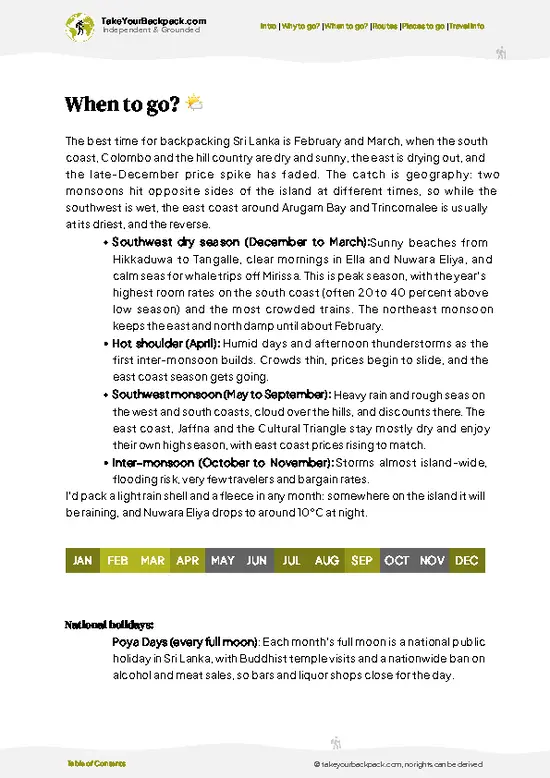
.jpg) Hi, I’m Johan (Netherlands 🇳🇱), the creator of TakeYourBackpack. Over the past 3 decades, I’ve backpacked through 90+ countries across six continents, gaining extensive experience with independent travel, long-term trips, and overland routes.
Hi, I’m Johan (Netherlands 🇳🇱), the creator of TakeYourBackpack. Over the past 3 decades, I’ve backpacked through 90+ countries across six continents, gaining extensive experience with independent travel, long-term trips, and overland routes.