×

Sri Lanka🇱🇰 | attractionsNational Museum of Natural Historyfossils, endemic species, geological samples | things to do and best time to go

Explore Nelum Pokuna TheatreExplore Martin Wickramasinghe Folk Museum Complex

Backpacking in National Museum of Natural History
👌 Worth visitingattraction ranked #10
By Johan Kruseman 🇳🇱 | Updated October 15, 2026

Everyone’s heard the pitch: come to Colombo’s National Museum of Natural History to gawk at fossils and taxidermy—because, apparently, that’s what makes a country’s story come alive. But here’s the real deal: if you’re backpacking Sri Lanka for adrenaline or jaw-dropping temples, this museum won’t blow your mind. What it does offer, tucked right next to the National Museum in the city’s heart, is a raw, unpolished look at Sri Lanka’s wild side—think faded dioramas, quirky local taxidermy, and a vibe that’s more school field trip than blockbuster. Cheap entry, zero crowds, and a genuine sense of time-capsule weirdness make it oddly charming, but don’t expect the slick spectacle you’ll find elsewhere.

Discover everything you want to know in the 📖 Sri Lanka Travel Guide.


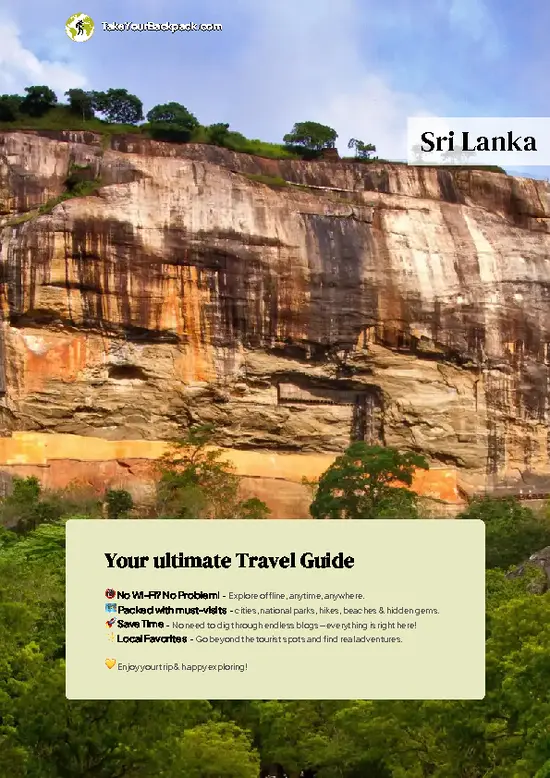
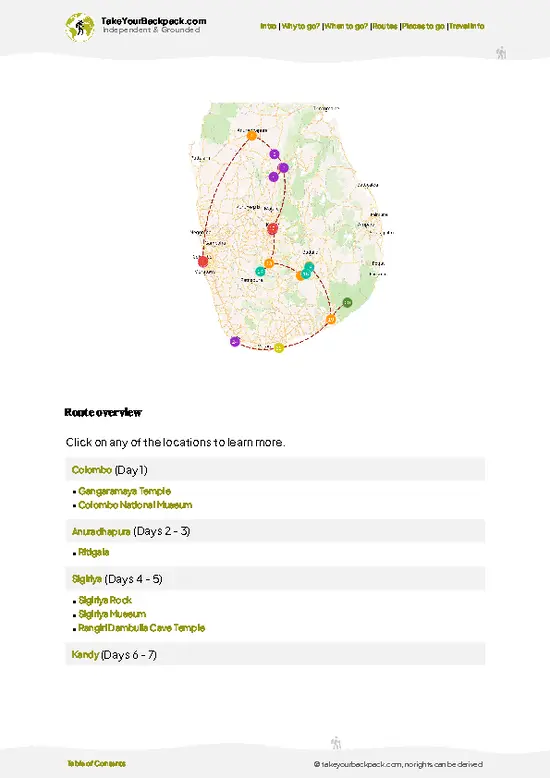
example page 0 from our offline Travel Guide for Sri Lanka
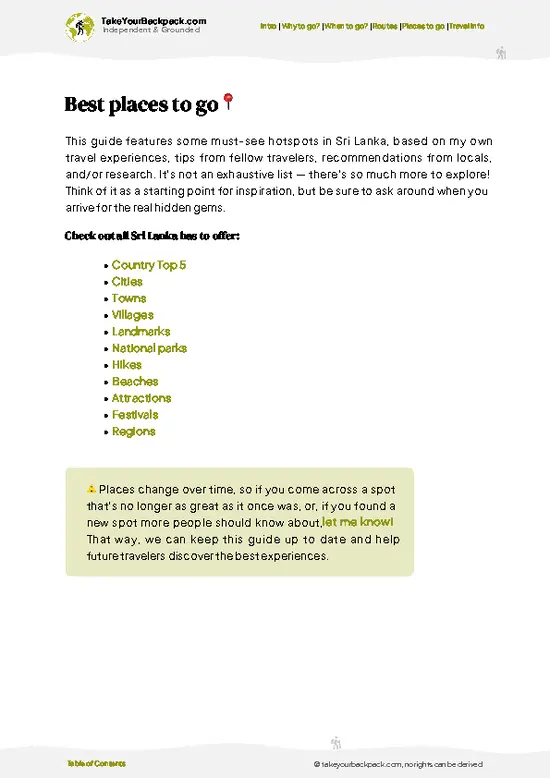
example page 1 from our offline Travel Guide for Sri Lanka
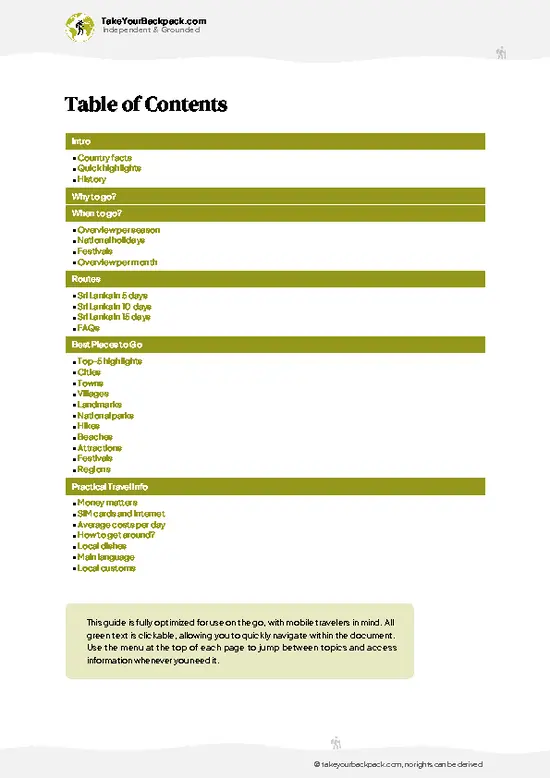
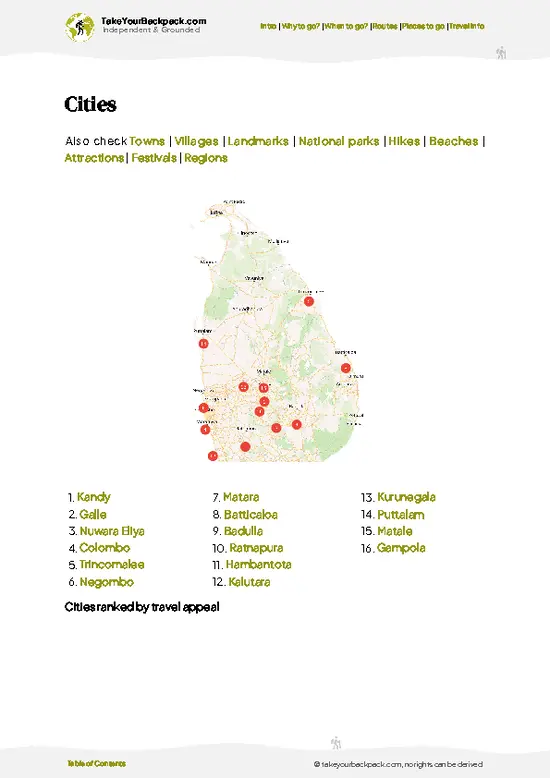
example page 2 from our offline Travel Guide for Sri Lanka
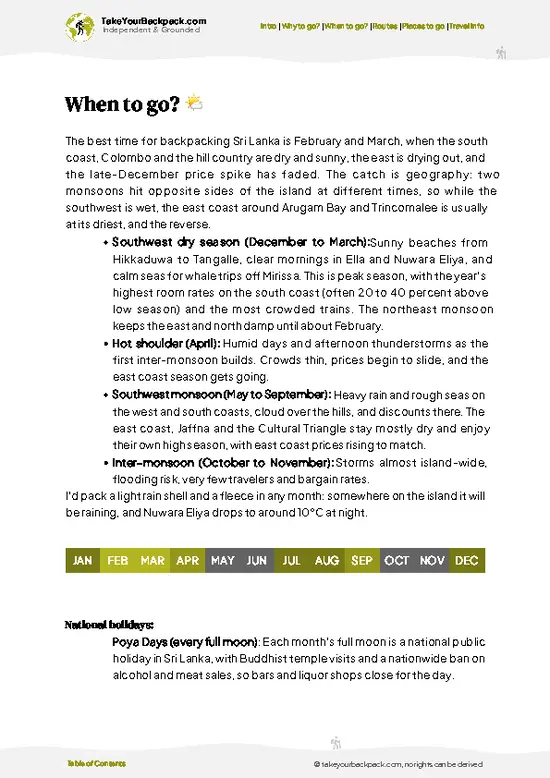
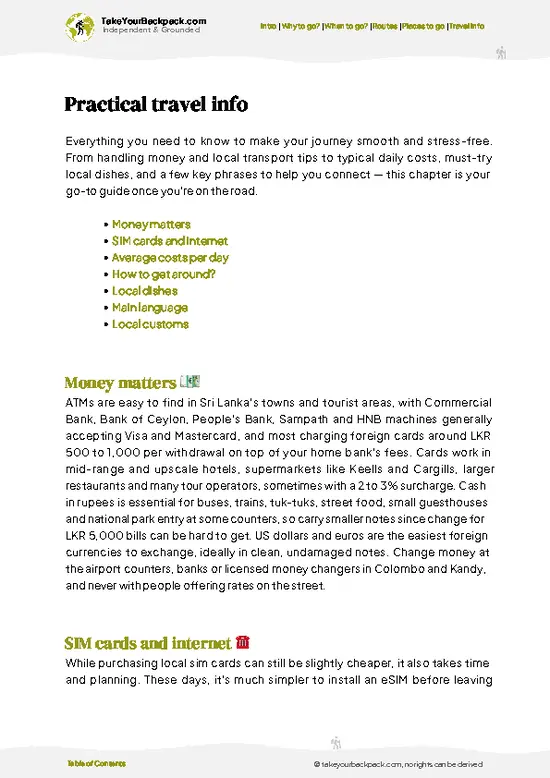
example page 3 from our offline Travel Guide for Sri Lanka
example page 4 from our offline Travel Guide for Sri Lanka
example page 5 from our offline Travel Guide for Sri Lanka
example page 6 from our offline Travel Guide for Sri Lanka
example page 7 from our offline Travel Guide for Sri Lanka
Loading the map 🌍
CLICK TO FILTER
cities
towns
villages
landmarks
national parks
hikes
beaches
attractions
festivals
regions
SHOW COUNTRY’S BESTSHOW ALL

✨ Why go?
Ranked #10 attraction in Sri Lanka
Reasons people choose to visit here

The National Museum of Natural History in Sri Lanka isn’t just another stop on the tourist checklist—it’s a deep dive into the island’s raw, untamed story. Sure, it draws crowds, especially on weekends, and the entrance fee isn’t dirt cheap by local standards. But here’s the kicker: this place packs a punch with its collection of fossils, ancient artifacts, and endemic species that you won’t find plastered all over Instagram. It’s a milestone for backpackers because it connects you to Sri Lanka’s geological and biological roots in a way that’s both educational and surprisingly thrilling. The effort to navigate the sometimes chaotic city traffic to get here pays off when you stand face-to-face with relics that have shaped the island’s identity for millennia. This isn’t just a museum; it’s a … read more 👉
The National Museum of Natural History in Sri Lanka isn’t just another stop on the tourist checklist—it’s a deep dive into the island’s raw, untamed story. Sure, it draws crowds, especially on weekends, and the entrance fee isn’t dirt cheap by local standards. But here’s the kicker: this place packs a punch with its collection of fossils, ancient artifacts, and endemic species that you won’t find plastered all over Instagram. It’s a milestone for backpackers because it connects you to Sri Lanka’s geological and biological roots in a way that’s both educational and surprisingly thrilling. The effort to navigate the sometimes chaotic city traffic to get here pays off when you stand face-to-face with relics that have shaped the island’s identity for millennia. This isn’t just a museum; it’s a gateway to understanding Sri Lanka beyond the beaches and temples.

💡 HighlightsWhat this place is best known for

The Jurassic-Scale Skeletons
Let’s cut through the Instagram filters: the dinosaur skeletons here are not Hollywood-grade, but they’re real, and they’re massive. The museum’s prehistoric collection is a rare chance to stand face-to-fossil with Sri Lanka’s own ancient giants. You won’t find animatronics or dramatic lighting—just the raw, honest bones that once stomped through this island. It’s a humbling, slightly eerie thrill, especially if you’ve only seen these creatures in movies.


The Endemic Mammals Gallery
Here’s where the museum flexes its local muscle. Forget generic lions and tigers—this is a crash course in Sri Lanka’s unique wildlife. The taxidermy is old-school, sometimes a little rough around the edges, but the sheer variety of endemic mammals (think purple-faced langur, rusty-spotted … read more 👉
The Jurassic-Scale Skeletons
Let’s cut through the Instagram filters: the dinosaur skeletons here are not Hollywood-grade, but they’re real, and they’re massive. The museum’s prehistoric collection is a rare chance to stand face-to-fossil with Sri Lanka’s own ancient giants. You won’t find animatronics or dramatic lighting—just the raw, honest bones that once stomped through this island. It’s a humbling, slightly eerie thrill, especially if you’ve only seen these creatures in movies.


The Endemic Mammals Gallery
Here’s where the museum flexes its local muscle. Forget generic lions and tigers—this is a crash course in Sri Lanka’s unique wildlife. The taxidermy is old-school, sometimes a little rough around the edges, but the sheer variety of endemic mammals (think purple-faced langur, rusty-spotted cat) is a reminder that this island is a biodiversity jackpot. It’s not polished, but it’s real, and you’ll leave with a new respect for the creatures you’ll never see on a safari elsewhere.


The Butterfly Collection
If you think butterflies are just for kids, you haven’t seen this room. Drawer after drawer of jewel-toned wings, some so iridescent they look fake. The collection is vast, obsessively catalogued, and a testament to the country’s status as a lepidopterist’s dream. It’s oddly hypnotic—one of those quiet corners where you can lose track of time.


The Fossilized Trees
This is my personal favorite. These petrified trunks are not just ancient—they’re survivors of a world that’s long gone. You can run your hand along stone that was once living wood, and it’s a tactile, time-traveling experience. No velvet ropes, no glass cases—just you and a chunk of prehistory, right there in the open.


The Colonial-Era Oddities
This is where things get weird in the best way. Cabinets stuffed with relics from the British period: oddball scientific instruments, faded field notes, and the kind of taxidermy that’s more ‘Victorian curiosity shop’ than ‘modern museum.’ It’s a peek into the minds (and obsessions) of early naturalists, and it’s as entertaining as it is educational.
Spotted a mistake or missing something? Contact us.

Things to do around National Museum of Natural History

Ratings based on Tripadvisor reviews. When you book through this link, you support our work at no extra cost to you.

🌤️ When to go?When to go for the best experience

  • Weather: The best time to visit the National Museum of Natural History in Sri Lanka is during the dry season, from December to March. Expect less rain, making it easier to explore without the damp, sticky discomfort that comes with the monsoon months of May to September.
  • Temperature: Temperatures hover between 26°C to 32°C (79°F to 90°F) year-round, but the dry season feels more bearable. The monsoon months bring humidity that can make the heat feel oppressive.
  • Daylight Hours: Sri Lanka enjoys roughly 11 to 12 hours of daylight year-round, so timing your visit for early morning or late afternoon tours helps avoid the midday heat and crowds.
  • Crowds: Tourist numbers peak from December to February, so expect busier galleries and longer lines. Visiting in shoulder months like November or
… read more 👉
  • Weather: The best time to visit the National Museum of Natural History in Sri Lanka is during the dry season, from December to March. Expect less rain, making it easier to explore without the damp, sticky discomfort that comes with the monsoon months of May to September.
  • Temperature: Temperatures hover between 26°C to 32°C (79°F to 90°F) year-round, but the dry season feels more bearable. The monsoon months bring humidity that can make the heat feel oppressive.
  • Daylight Hours: Sri Lanka enjoys roughly 11 to 12 hours of daylight year-round, so timing your visit for early morning or late afternoon tours helps avoid the midday heat and crowds.
  • Crowds: Tourist numbers peak from December to February, so expect busier galleries and longer lines. Visiting in shoulder months like November or April offers a quieter experience without sacrificing weather quality.
  • Seasonal Activities: Special exhibitions and cultural events often align with the dry season, adding layers of local flavor to your visit. The monsoon season sees fewer events and less museum activity.
  • Price Fluctuations: Entry fees remain stable, but accommodation and transport costs spike during peak tourist season (December to February). Traveling just outside these months can save you money without compromising the experience.
Pro-tip: Aim for late November or early April—weather’s decent, crowds thin, and you’ll dodge the tourist price hikes while soaking in the museum’s full depth.


source: climatestotravel.comJANJanuary: excellent for travelingFEBFebruary: excellent for travelingMARMarch: excellent for travelingAPRApril: highly recommended for travelingMAYMay: fair for travelingJUNJune: fair for travelingJULJuly: fair for travelingAUGAugust: fair for travelingSEPSeptember: fair for travelingOCTOctober: good for travelingNOVNovember: highly recommended for travelingDECDecember: excellent for traveling
when-to-go

✈️ The backpacker research shortcutSri Lanka Travel Guide

An offline-friendly backpacking guide with optimized travel routes, ranked highlights, transport advice, and the best areas to stay.
example page 0 from our offline Travel Guide for Sri Lanka
example page 1 from our offline Travel Guide for Sri Lanka
example page 2 from our offline Travel Guide for Sri Lanka
example page 3 from our offline Travel Guide for Sri Lanka
example page 4 from our offline Travel Guide for Sri Lanka
example page 5 from our offline Travel Guide for Sri Lanka
example page 6 from our offline Travel Guide for Sri Lanka
example page 7 from our offline Travel Guide for Sri Lanka
The digital guide (435 pages) contains:
✅ 121 highlights, ranked by travel appeal
✅ Optimized 5, 10 & 15-day travel routes
✅ Cities, national parks, landmarks, beaches
✅ How to get around
✅ Offline-friendly for travel without Wi-Fi
👉 Click to see all 30+ guide features

📅 Plan smarter in minutes, not weeks
✅ Month by month travel advice
✅ Festivals & national holidays
✅ Budget expectations

🗺️ Go to the right places, skip the overrated ones
✅ Honest pros & cons of destinations
✅ Top hikes, parks & viewpoints
✅ Lesser-known places most travelers miss
✅ Clear “worth it vs skip it” guidance

🛏️ Travel smoothly without rookie mistakes
✅ Best areas to stay
✅ Transport systems explained simply
✅ Common scams & safety advice
✅ SIM cards, money & practical tips

🌍 Understand the country, not just visit it
✅ Culture & traditions
✅ 52 Essential phrases & customs
✅ Festivals worth planning around
✅ Traveler-friendly historical context
✅ Insights that make places more meaningful

📱 Built for real travel conditions
✅ Fully downloadable PDF
✅ Works completely offline
✅ Optimized for phone use
✅ Useful in remote areas & buses
✅ Everything in one place
Stop searching, start planning
Get instant access to your full guide. 30‑day money-back guarantee.
+ Add another guide for just

By proceeding you agree to our terms.
Sent to your inbox immediately after payment • 100% Secure Checkout
Best Backpacking Travel Advisor 2025 tourism awardBest Backpacking
Travel Advisor
2025
What others say about Take Your Backpack Guides:
⭐⭐⭐⭐⭐
Fantastic, amazing amount of information!
⭐⭐⭐⭐⭐
My goodness this is amazing, it's what I've been looking for hats off too you!
⭐⭐⭐⭐⭐
I think this is absolutely BRILLIANT
⭐⭐⭐⭐
Very complete and informative. It's still missing places, but I gotta to commend you
⭐⭐⭐⭐⭐
This is truly amazing, thank you, can't wait to explore it with my kids!
⭐⭐⭐⭐⭐
Awesome resource, thank you!
⭐⭐⭐⭐⭐
This is amazing! Can't wait to explore the ones I haven't seen
⭐⭐⭐⭐
I love this! Well done, great idea.
⭐⭐⭐⭐⭐
Thanks for taking the time to make this gem!
⭐⭐⭐⭐⭐
This might be the best website I've ever seen.
⭐⭐⭐⭐⭐
Congratulations, and thank you so much for your work; it's incredibly valuable.
⭐⭐⭐⭐
In all seriousness I think you did a great job pointing out the important spots
⭐⭐⭐⭐⭐
10/10 very good
⭐⭐⭐⭐⭐
As someone who's only just starting to visit regularly this is awesome, thank you.
⭐⭐⭐⭐
Thank you very much! I'm going to visit my dad, it's going to be very useful!
⭐⭐⭐⭐⭐
This is really cool! We'll be travelling for the first time and this definitely come in handy.
⭐⭐⭐⭐⭐
You are now our minister of culture, congratulations 👨‍💼
⭐⭐⭐⭐⭐
Just wanted to tell you that this is a pearl! Going to follow your recommendations.
⭐⭐⭐⭐⭐
This is so cool. I'll definitely be using the resource for my travels soon.
⭐⭐⭐⭐⭐
This is very impressive! Good work.
⭐⭐⭐⭐⭐
This is an amazing and informative site. Very well done!

🛏️ Where to stay?Choosing the right base

Forget the postcard-perfect image of the National Museum of Natural History in Sri Lanka as a quiet, solitary escape. It’s a hotspot, especially during weekends and holidays, packed with families and school groups. The entry fee isn’t a wallet-buster, but add in transport and food, and the day can stretch your budget more than you expect.

Now, here’s the real deal: the best places to crash aren’t right next door, but in the nearby neighborhoods where backpackers actually hang out. Areas like Cinnamon Gardens and Borella offer a safer vibe with plenty of guesthouses and budget stays that attract … read more 👉
Forget the postcard-perfect image of the National Museum of Natural History in Sri Lanka as a quiet, solitary escape. It’s a hotspot, especially during weekends and holidays, packed with families and school groups. The entry fee isn’t a wallet-buster, but add in transport and food, and the day can stretch your budget more than you expect.

Now, here’s the real deal: the best places to crash aren’t right next door, but in the nearby neighborhoods where backpackers actually hang out. Areas like Cinnamon Gardens and Borella offer a safer vibe with plenty of guesthouses and budget stays that attract solo travelers and groups alike. These spots buzz with local life—street food stalls, small cafes, and markets where you can swap stories with fellow adventurers. You get the social scene without the tourist trap prices or the noise right at the museum’s doorstep. It’s about balance: close enough to hit the museum early, far enough to recharge in a genuine, lived-in neighborhood.

👛 Costs (as of 15 October 2026)Typical daily expenses

As of the most recent estimates, the entrance fee for the National Museum of Natural History in Colombo, Sri Lanka, is approximately 1,500 Sri Lankan Rupees (LKR) for foreign adults, which is about €7 to €8. Children's tickets are typically priced at 600 LKR, approximately €3 to €4. Additional fees may apply for photography and videography; for instance, a photo permit can cost 250 LKR (€1 to €2), and a video permit may be priced at 2,000 LKR (€10 to €12). Please note that these prices are subject to change, and it's advisable to check the latest information before your visit.

source: serendibtrail.com
⚠️ Prices can change and everyone travels differently, so take this as a rough guide. Hope it helps you plan your adventure!

FAQCommon questions from travelers

2 to 3 hours is sufficient to visit the National Museum of Natural History in Sri Lanka. This allows time to explore the main exhibits and displays without rushing. Allocate more time if you want to study the collections in detail.
Yes, the National Museum of Natural History is worth the entrance fee, which is around 500 LKR for foreign visitors. The museum offers a comprehensive overview of Sri Lanka's natural heritage, including rare fossils, minerals, and wildlife exhibits. It provides good educational value for the price.
The National Museum of Natural History is located in Colombo, near the Colombo National Museum. You can reach it by tuk-tuk or local bus from the city center, typically within 15 to 20 minutes depending on traffic. It is also accessible by taxi from major hotels in Colombo.
⚠️ Things can change over time, so always validate details locally before you go.

Other Sri Lankan attractions near National Museum of Natural History

Explore more nearby:


💡 Not sure where to go next?
Create a personalized itinerary for Sri Lanka including National Museum of Natural History and the places that fit your trip.

Generate my itinerary

👉 Discover all attractions

Or checkout all Sri Lanka has to offer (think cities, towns, villages, national parks, hikes, beaches, festivals)
Country photo of Sri Lanka

We 💚 feedbackWhat to keep in mind

The National Museum of Natural History in Sri Lanka isn’t some polished, crowd-free sanctuary—it gets busy, especially on weekends, and the entry fee can sting if you’re on a tight budget. But if you’re into raw, unfiltered insights about Sri Lanka’s unique biodiversity, this place delivers. It’s a deep dive into nature’s story here, not just another pretty display.

✈️ When did I visit Sri Lanka?
In December 2025 I visited Sri Lanka.

✍️ Help improve this page!
The information on this page is based on my own backpacking experience in Sri Lanka, supplemented with up-to-date research and feedback from other travelers. Travel details can change, so if you notice anything outdated or incomplete, feel free to let me know.


🙋‍♂️ Give feedback

👋 Meet the founderWho’s Behind Take Your Backpack?

Johan, backpacker and founder of TakeYourBackpackHi, I’m Johan (Netherlands 🇳🇱), the creator of TakeYourBackpack. Over the past 3 decades, I’ve backpacked through 90+ countries across six continents, gaining extensive experience with independent travel, long-term trips, and overland routes.

This site is built on a combination of firsthand travel experience and carefully curated insights from other backpackers. Many guides are based on places I’ve personally visited, while others bring together tips, observations, and practical advice shared by trusted travelers I’ve met along the way.

The goal is to provide realistic, experience-driven guidance — not generic itineraries — so you can explore destinations with better context, clearer expectations, and more confidence.