v2.webp)
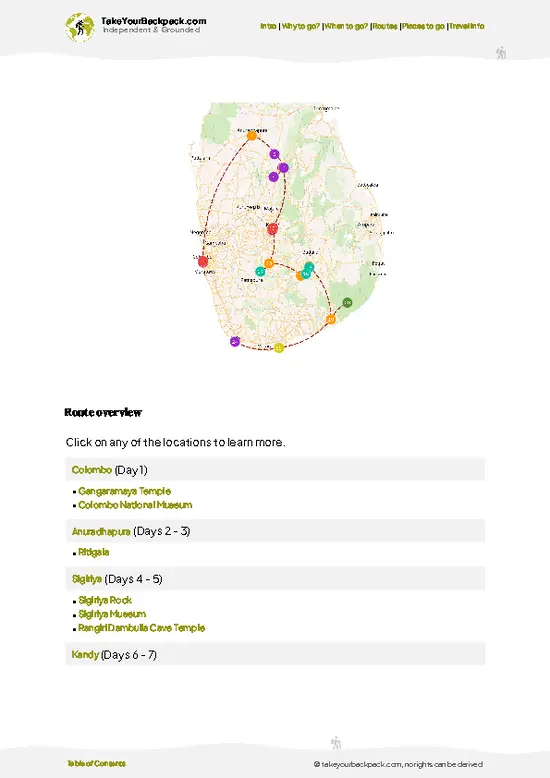
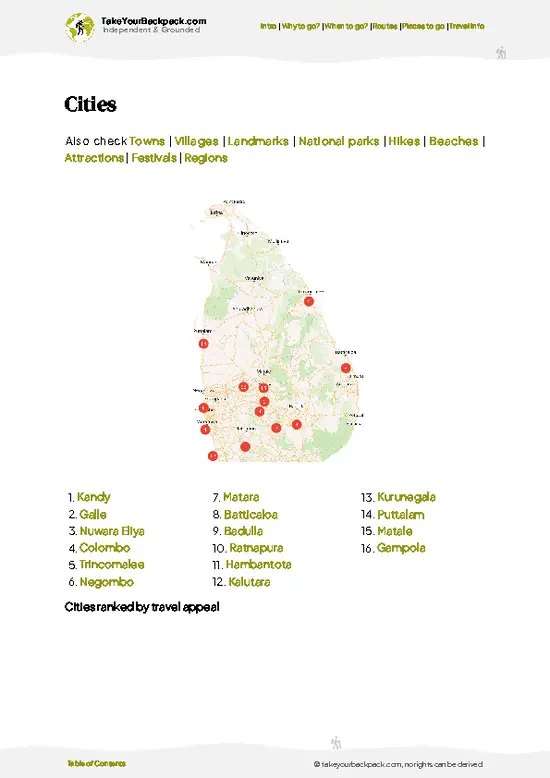
- Aluvihare Rock Temple — A must-see: caves, ancient rock shrines and the historic library where Pali manuscripts were kept and studied. The atmosphere is peaceful and the story of the Tipiṭaka being written down here gives the place real weight.
- Sri Muthumari Amman Temple (Matale Kovil) — One of Sri Lanka’s most colourful Hindu temples, right in town. The sculpted gopuram, daily pujas and festival energy give a great window into the Tamil Hindu side of Matale life.
- Matale Central Market (the Bazaar) — Cramped, noisy and brilliant for people-watching. Fresh produce, spice stalls and tiny food vendors — best early morning to see the trade in full swing and sample local eats.
- Spice gardens around Matale — Small, family-run gardens a short drive from the centre where you can see cinnamon,
- Aluvihare Rock Temple — A must-see: caves, ancient rock shrines and the historic library where Pali manuscripts were kept and studied. The atmosphere is peaceful and the story of the Tipiṭaka being written down here gives the place real weight.
- Sri Muthumari Amman Temple (Matale Kovil) — One of Sri Lanka’s most colourful Hindu temples, right in town. The sculpted gopuram, daily pujas and festival energy give a great window into the Tamil Hindu side of Matale life.
- Matale Central Market (the Bazaar) — Cramped, noisy and brilliant for people-watching. Fresh produce, spice stalls and tiny food vendors — best early morning to see the trade in full swing and sample local eats.
- Spice gardens around Matale — Small, family-run gardens a short drive from the centre where you can see cinnamon, pepper, cardamom, nutmeg and more growing, plus demonstrations and tastings. They’re touristy but genuinely informative and hands-on.
- Matale Railway Station — The terminus of the Matale branch line from Kandy; an unpretentious bit of colonial railway history and a handy spot to catch the slow, scenic local train to Kandy.
- Matale Clock Tower — The town’s easy-to-find landmark and a classic meeting point. It’s simple, photogenic and sits amid the small streets where daily Matale life unfolds.
- Old-town walk / colonial architecture — Wander the lanes around the market to see old colonial-era government buildings, the courthouse and municipal structures; they give a compact sense of the town’s 19th-20th century history.
- Sites of the 1848 Matale Rebellion — Scattered plaques, memorial spots and local stories commemorate the uprising (Puran Appu and company). Walking these corners of town ties the history you hear in guidebooks to real streets and buildings.
- Local craft workshops — Small wood-carving, brass-work and batik makers near the market let you watch artisans at work and buy directly from them. It’s a practical cultural stop that supports locals and makes for unique souvenirs.
- Temple cluster strolls — Within a short walk of the centre you’ll find numerous small Buddhist vihāras and Tamil kovils close together. A slow stroll through these temple streets shows how different traditions coexist in Matale and offers quiet photo ops away from the busiest spots.
Spotted a mistake or missing something? Contact us.

Chauffeur guide and Tour organizer

Private Traditional Sri Lankan Cooking Class in Kandy with Hotel Transfers

Kandy City Tour By Best Guide Lanka Tours

Kandy City Guided Tuk Tuk Day Tour

Kandy City Tour:Heart of Ceylon a Royal Kandy City Tuk-Tuk Tour

Kandy to Sigiriya & Dambulla Cave Temple private Tour

Kandy Sigiriya Day Trip by tuk,tuk/car/van

Sri Lankan cooking class with Nilu Kandy( FREE PICKUP & Drop)

Private & Customizable Kandy City Tour with Local Driver-Guide


 Best Backpacking
.jpg) Hi, I’m Johan (Netherlands 🇳🇱), the creator of TakeYourBackpack. Over the past 3 decades, I’ve backpacked through 90+ countries across six continents, gaining extensive experience with independent travel, long-term trips, and overland routes.
Hi, I’m Johan (Netherlands 🇳🇱), the creator of TakeYourBackpack. Over the past 3 decades, I’ve backpacked through 90+ countries across six continents, gaining extensive experience with independent travel, long-term trips, and overland routes.