v2.webp)
Mattala Rajapaksa International Airport (MRIA)
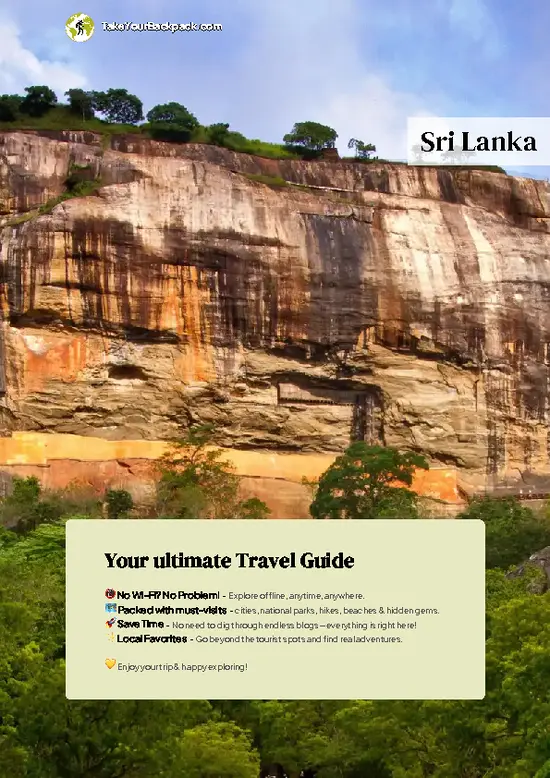
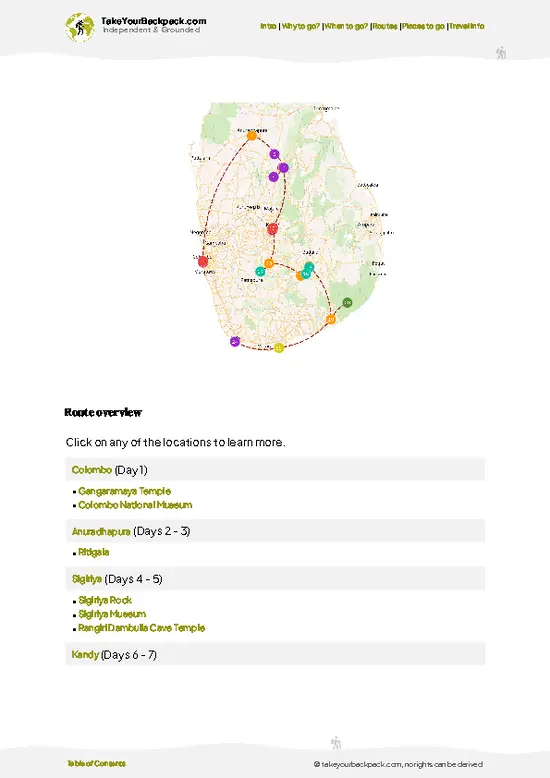
You can’t talk about Mattala without starting at its airport—Sri Lanka’s second international gateway, and a surreal experience for anyone who’s ever hustled through a crowded terminal. MRIA is famous for its near-emptiness: you’ll hear your footsteps echo, and the tropical heat seeps in through the glass as you step outside. It’s not just a transit point; it’s a living monument to ambition and scale, with a story that’s as much about Sri Lanka’s recent history as it is about travel. If you’re an aviation enthusiast or just want to see a modern airport frozen in time, this is a must. Best visited midday, when the light is sharp and the silence is almost cinematic. Free to enter public areas; allow 30-45 minutes to explore the terminal and grounds. … read more 👉
You can’t talk about Mattala without starting at its airport—Sri Lanka’s second international gateway, and a surreal experience for anyone who’s ever hustled through a crowded terminal. MRIA is famous for its near-emptiness: you’ll hear your footsteps echo, and the tropical heat seeps in through the glass as you step outside. It’s not just a transit point; it’s a living monument to ambition and scale, with a story that’s as much about Sri Lanka’s recent history as it is about travel. If you’re an aviation enthusiast or just want to see a modern airport frozen in time, this is a must. Best visited midday, when the light is sharp and the silence is almost cinematic. Free to enter public areas; allow 30-45 minutes to explore the terminal and grounds. … read more 👉
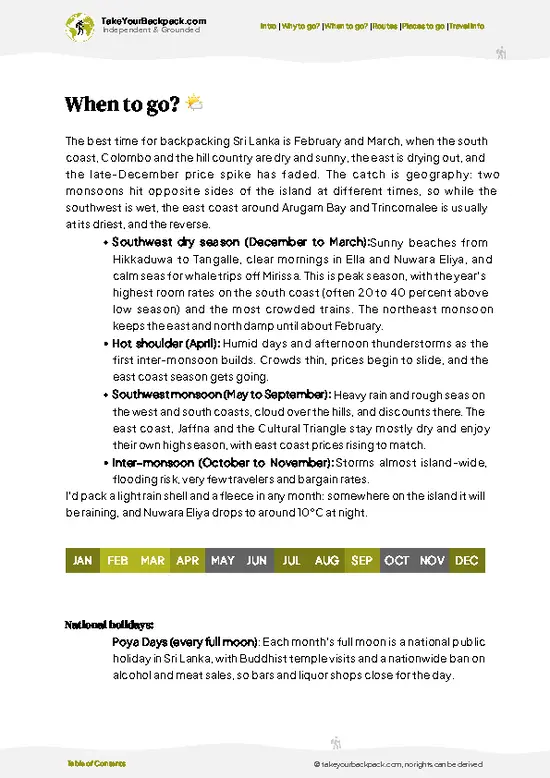
Mattala Rajapaksa International Airport (MRIA)
You can’t talk about Mattala without starting at its airport—Sri Lanka’s second international gateway, and a surreal experience for anyone who’s ever hustled through a crowded terminal. MRIA is famous for its near-emptiness: you’ll hear your footsteps echo, and the tropical heat seeps in through the glass as you step outside. It’s not just a transit point; it’s a living monument to ambition and scale, with a story that’s as much about Sri Lanka’s recent history as it is about travel. If you’re an aviation enthusiast or just want to see a modern airport frozen in time, this is a must. Best visited midday, when the light is sharp and the silence is almost cinematic. Free to enter public areas; allow 30-45 minutes to explore the terminal and grounds.
Mattala Tank (Mattala Wewa)
This ancient reservoir sits quietly behind the airport, its surface often glassy under the relentless southern sun. The tank is a living link to the region’s agricultural roots—local farmers still depend on its waters, and you’ll see egrets and kingfishers darting along the banks. The air smells faintly of wet earth and grass, especially after a rain. Early morning or late afternoon is best, when the light is soft and the birdlife is most active. Free; spend 30-60 minutes walking the bund or just sitting in the shade, watching rural life unfold.
Local Roadside Eateries (A1 Highway Stretch)
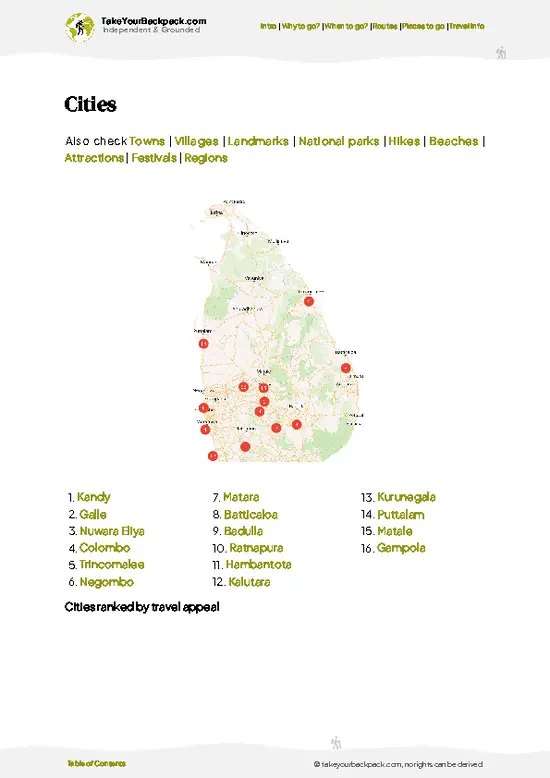
Mattala’s culinary scene is humble but honest. Along the A1 highway, you’ll find a handful of roadside kades (small eateries) serving rice and curry, spicy fried snacks, and sweet tea. The scent of frying onions and curry leaves drifts out to the road. This is where you taste the real south—fiery sambols, coconut-heavy dhal, and the kind of hospitality that makes you linger. Go at lunchtime, when the food is freshest and the place is buzzing with drivers and locals. Meals cost 200-400 LKR; allow 45 minutes for a meal and a chat.
Mattala Buddhist Shrine
A small but active temple sits just outside the main town, its white stupa gleaming against the dry landscape. The air is thick with incense and the low hum of chanting, especially on poya (full moon) days. This is a place for quiet reflection, not spectacle. Shoes off, shoulders covered—step inside and you’ll feel the cool stone underfoot, the hush of devotion. Visit at sunset for the golden light and the sound of evening prayers. Free, but donations appreciated; 20-30 minutes is enough for a respectful visit.
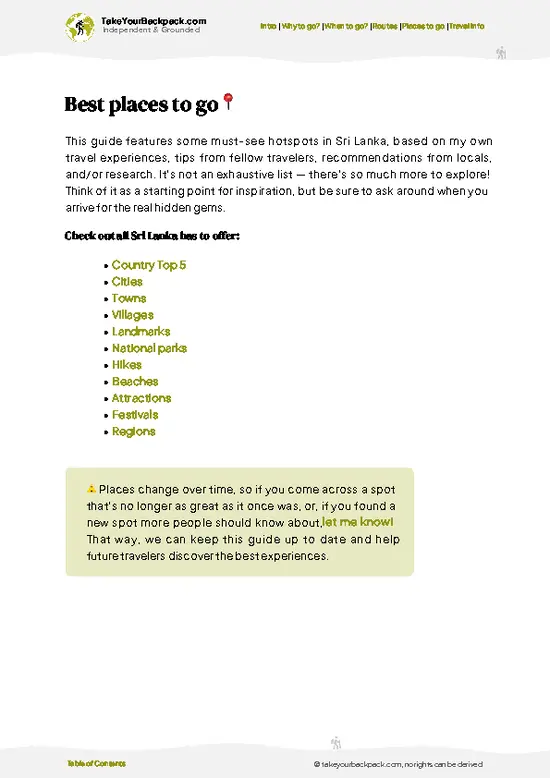
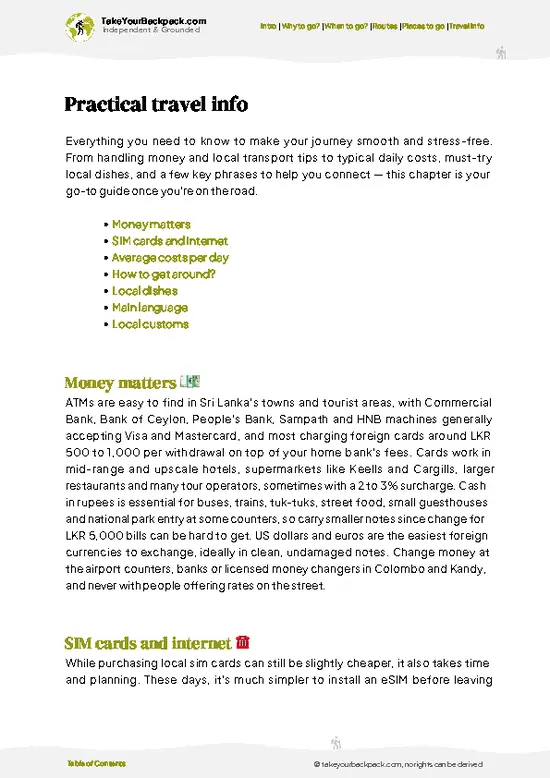
Mattala itself is compact, but it’s the perfect launchpad for day trips: the wild elephants of Udawalawe National Park, the ancient rock temples of Buduruwagala, and the salt flats of Hambantota are all within easy reach. Buduruwagala’s silent stone Buddhas, carved into a cliff and surrounded by jungle, are my personal favorite—worth every dusty kilometer.
You can’t talk about Mattala without starting at its airport—Sri Lanka’s second international gateway, and a surreal experience for anyone who’s ever hustled through a crowded terminal. MRIA is famous for its near-emptiness: you’ll hear your footsteps echo, and the tropical heat seeps in through the glass as you step outside. It’s not just a transit point; it’s a living monument to ambition and scale, with a story that’s as much about Sri Lanka’s recent history as it is about travel. If you’re an aviation enthusiast or just want to see a modern airport frozen in time, this is a must. Best visited midday, when the light is sharp and the silence is almost cinematic. Free to enter public areas; allow 30-45 minutes to explore the terminal and grounds.
Mattala Tank (Mattala Wewa)
This ancient reservoir sits quietly behind the airport, its surface often glassy under the relentless southern sun. The tank is a living link to the region’s agricultural roots—local farmers still depend on its waters, and you’ll see egrets and kingfishers darting along the banks. The air smells faintly of wet earth and grass, especially after a rain. Early morning or late afternoon is best, when the light is soft and the birdlife is most active. Free; spend 30-60 minutes walking the bund or just sitting in the shade, watching rural life unfold.
Local Roadside Eateries (A1 Highway Stretch)
Mattala’s culinary scene is humble but honest. Along the A1 highway, you’ll find a handful of roadside kades (small eateries) serving rice and curry, spicy fried snacks, and sweet tea. The scent of frying onions and curry leaves drifts out to the road. This is where you taste the real south—fiery sambols, coconut-heavy dhal, and the kind of hospitality that makes you linger. Go at lunchtime, when the food is freshest and the place is buzzing with drivers and locals. Meals cost 200-400 LKR; allow 45 minutes for a meal and a chat.
Mattala Buddhist Shrine
A small but active temple sits just outside the main town, its white stupa gleaming against the dry landscape. The air is thick with incense and the low hum of chanting, especially on poya (full moon) days. This is a place for quiet reflection, not spectacle. Shoes off, shoulders covered—step inside and you’ll feel the cool stone underfoot, the hush of devotion. Visit at sunset for the golden light and the sound of evening prayers. Free, but donations appreciated; 20-30 minutes is enough for a respectful visit.
Mattala itself is compact, but it’s the perfect launchpad for day trips: the wild elephants of Udawalawe National Park, the ancient rock temples of Buduruwagala, and the salt flats of Hambantota are all within easy reach. Buduruwagala’s silent stone Buddhas, carved into a cliff and surrounded by jungle, are my personal favorite—worth every dusty kilometer.
Spotted a mistake or missing something? Contact us.

Udawalawe National Park — 4-Hour Private Jeep Safari (Pickup)

Yala/Udawalawe National Park Safari from Hambantota Port

Paradise Blow Hole, Big Buddha, Rock Temple Tours

Udawalawe National Park 6-Hour Private Safari Tour

Udawalawe Safari Day Trip with Return Transport - All Inclusive

Special Yala safari from Hambanttota port Yala Nisha safari
Udawalawe Private Safari frm Hambantota Port by BTM-All Inclusive

GO WILD! Double Safari Day Trip (Yala & Udawalawe) - Private & All Inclusive

Yala / Udawalawa National Park Safari Tour From Hambantota port


 Best Backpacking
.jpg) Hi, I’m Johan (Netherlands 🇳🇱), the creator of TakeYourBackpack. Over the past 3 decades, I’ve backpacked through 90+ countries across six continents, gaining extensive experience with independent travel, long-term trips, and overland routes.
Hi, I’m Johan (Netherlands 🇳🇱), the creator of TakeYourBackpack. Over the past 3 decades, I’ve backpacked through 90+ countries across six continents, gaining extensive experience with independent travel, long-term trips, and overland routes.