×

Sri Lanka🇱🇰 | landmarksThirukkovil Templeeastern shrines, Tamil festivals, rural setting | things to do and best time to go

Explore Koneswaram TempleExplore Fort Frederick

Backpacking in Thirukkovil Temple
👀 For curious travelersunique site ranked #10
By Johan Kruseman 🇳🇱 | Updated September 4, 2026

Incense smoke curls around your face as a drumbeat snaps through the courtyard, bare feet slapping warm stone, someone pressing a smear of sandalwood on your forehead before you’ve fully worked out where to stand. Bells crash, a conch sounds, and for a second you’re just another body in the tide of devotion at Thirukkovil Temple, out on Sri Lanka’s remote east coast in Ampara District. This isn’t a polished, big-ticket “wow” like Sigiriya; it’s raw, local, and gloriously un-Instagrammable. You’ll get curious stares, not crowds, and donations are cheap, but transport is slow and English signage is minimal. The payoff is huge: fierce living Hindu culture, intense color, powerful rituals, and photos that feel like you earned them, not queued for them.

Discover everything you want to know in the 📖 Sri Lanka Travel Guide.
Loading the map 🌍
CLICK TO FILTER
cities
towns
villages
landmarks
national parks
hikes
beaches
attractions
festivals
regions
SHOW COUNTRY’S BESTSHOW ALL

✨ Why go?
Ranked #10 unique site in Sri Lanka
What makes this unique site worth visiting

Thirukkovil Temple isn’t just another stop on your Sri Lankan adventure; it’s a sacred experience that cuts through the tourist fluff. Yes, it can get crowded, especially during festivals, but that’s part of its authenticity. You’ll find locals praying, offering flowers, and engaging in rituals that feel genuine, not staged for your Instagram feed.

The entry fee is practically non-existent, making it a budget-friendly gem. Plus, its location along the East Coast makes it a natural fit if you’re exploring places like Arugam Bay or Batticaloa. The temple’s unique architecture, with its intricate carvings and vibrant colors, stands out against the backdrop of the ocean, offering a visual feast that’s hard to forget.

Take the time to soak in the atmosphere, chat with the locals, and witness … read more 👉
Thirukkovil Temple isn’t just another stop on your Sri Lankan adventure; it’s a sacred experience that cuts through the tourist fluff. Yes, it can get crowded, especially during festivals, but that’s part of its authenticity. You’ll find locals praying, offering flowers, and engaging in rituals that feel genuine, not staged for your Instagram feed.

The entry fee is practically non-existent, making it a budget-friendly gem. Plus, its location along the East Coast makes it a natural fit if you’re exploring places like Arugam Bay or Batticaloa. The temple’s unique architecture, with its intricate carvings and vibrant colors, stands out against the backdrop of the ocean, offering a visual feast that’s hard to forget.

Take the time to soak in the atmosphere, chat with the locals, and witness a slice of Sri Lankan spirituality that’s often overlooked. This is where the real magic happens.
Want to include Thirukkovil Temple in your Sri Lanka route?
Create a personalized Sri Lanka itinerary that includes Thirukkovil Temple and the places that fit your trip — based on your travel style, budget, and available time. Get your route in seconds.

Generate my trip

💡 HighlightsThe experiences that define the visit

  • Main sanctum and darshan — The core experience is the quiet, candle-lit moment in front of the temple’s main shrine where locals come for darshan and puja; it’s less a tourist spectacle and more a living place of worship, so take your time and watch the rhythms of devotion.
  • Dravidian-style architecture and carvings — Low but intricate gopuram, carved pillars and stone reliefs show regional temple-building craft: nothing gaudy, but worth close-up inspection for worn iconography and neat stone joinery that speak to traditional techniques.
  • Ancient inscriptions and historical layers — Scattered stone inscriptions and older masonry hint at the temple’s long history and changing patronage over centuries; they’re subtle, but spotting them gives a sense of depth you won’t get from a guidebook
read more 👉
  • Main sanctum and darshan — The core experience is the quiet, candle-lit moment in front of the temple’s main shrine where locals come for darshan and puja; it’s less a tourist spectacle and more a living place of worship, so take your time and watch the rhythms of devotion.
  • Dravidian-style architecture and carvings — Low but intricate gopuram, carved pillars and stone reliefs show regional temple-building craft: nothing gaudy, but worth close-up inspection for worn iconography and neat stone joinery that speak to traditional techniques.
  • Ancient inscriptions and historical layers — Scattered stone inscriptions and older masonry hint at the temple’s long history and changing patronage over centuries; they’re subtle, but spotting them gives a sense of depth you won’t get from a guidebook photo.
  • Temple tank and ritual bathing — The square tank beside the temple is used for ritual cleansing and small ceremonies; it’s a good place to observe informal moments—children, priests, women in sarees—playing out daily life against a sacred backdrop.
  • Annual chariot (Ther) procession — If your timing’s right, the chariot festival is loud, colorful and communal: a wooden ratha pulled through the streets to the beat of drums, with families taking part in the hauling and the neighborhood spilling into the road.
  • Coastal setting and nearby village life — Located near Sri Lanka’s eastern coast, the temple sits amid fishing villages and coconut groves; combine a visit with a walk along the nearby shoreline to see the everyday scenery that shapes the temple community.
  • Community hub and living traditions — Beyond stones and rituals, the temple acts as a cultural anchor: music, seasonal dramas, and local rites happen here, so you’ll see traditions kept alive by regular people rather than staged for tourists.
Spotted a mistake or missing something? Contact us.

Things to do near Thirukkovil Temple

Ratings based on Tripadvisor reviews. When you book through this link, you support our work at no extra cost to you.

🌤️ When to go?When to go for the best experience


  • Weather: The best window is from December to March when the northeast monsoon eases up. Expect dry days and manageable humidity. Outside this, heavy rains can turn your visit into a soggy slog.

  • Temperature: Daytime highs hover around 30-33°C (86-91°F) year-round, but the dry season feels less oppressive. Nights cool to about 24°C (75°F), making early mornings perfect for exploring without melting.

  • Daylight Hours: Roughly 11-12 hours of daylight throughout the year, so you have plenty of time to soak in the temple’s details without rushing.

  • Crowds: Peak season aligns with dry months and local festivals, especially around Tamil New Year (April). Expect more pilgrims and tourists then, which can dilute the serene vibe.

  • Seasonal Activities: Festival times bring vibrant rituals and processions,
read more 👉

  • Weather: The best window is from December to March when the northeast monsoon eases up. Expect dry days and manageable humidity. Outside this, heavy rains can turn your visit into a soggy slog.

  • Temperature: Daytime highs hover around 30-33°C (86-91°F) year-round, but the dry season feels less oppressive. Nights cool to about 24°C (75°F), making early mornings perfect for exploring without melting.

  • Daylight Hours: Roughly 11-12 hours of daylight throughout the year, so you have plenty of time to soak in the temple’s details without rushing.

  • Crowds: Peak season aligns with dry months and local festivals, especially around Tamil New Year (April). Expect more pilgrims and tourists then, which can dilute the serene vibe.

  • Seasonal Activities: Festival times bring vibrant rituals and processions, but also noise and crowds. If you want authenticity without the crush, avoid major festival dates.

  • Price Fluctuations: Accommodation and transport costs spike during peak dry season and festivals. Off-season offers better deals but brace for rain interruptions.


Pro-tip: Visit just before or after peak season—late November or early April—to catch decent weather, fewer crowds, and better prices without sacrificing the temple’s spiritual pulse.


source: climatestotravel.comJANJanuary: excellent for travelingFEBFebruary: excellent for travelingMARMarch: excellent for travelingAPRApril: highly recommended for travelingMAYMay: fair for travelingJUNJune: below average for travelingJULJuly: below average for travelingAUGAugust: below average for travelingSEPSeptember: fair for travelingOCTOctober: fair for travelingNOVNovember: highly recommended for travelingDECDecember: excellent for traveling
sri-lanka-unique-site-thirukkovil-temple
© Google |

✈️ The backpacker research shortcutSri Lanka Travel Guide

An offline-friendly backpacking guide with optimized travel routes, ranked highlights, transport advice, and the best areas to stay.
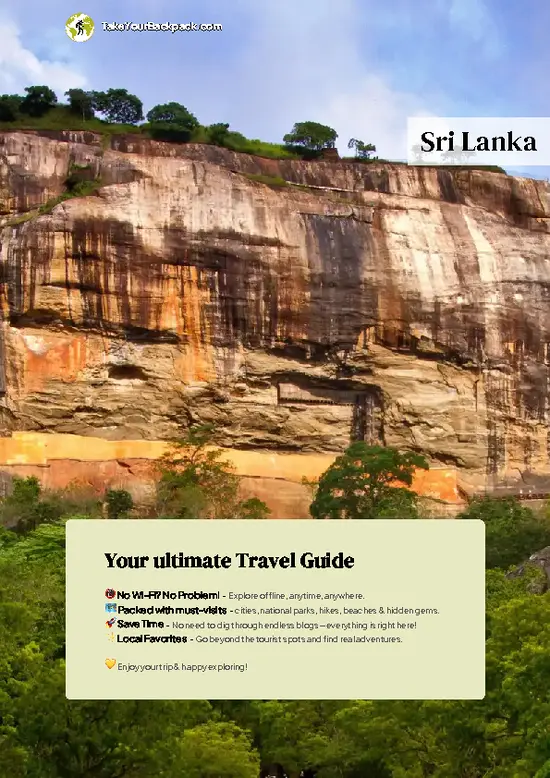
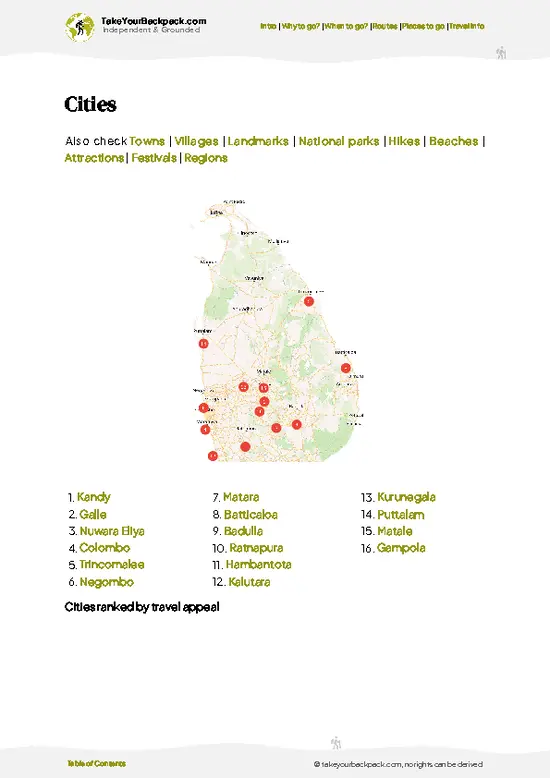
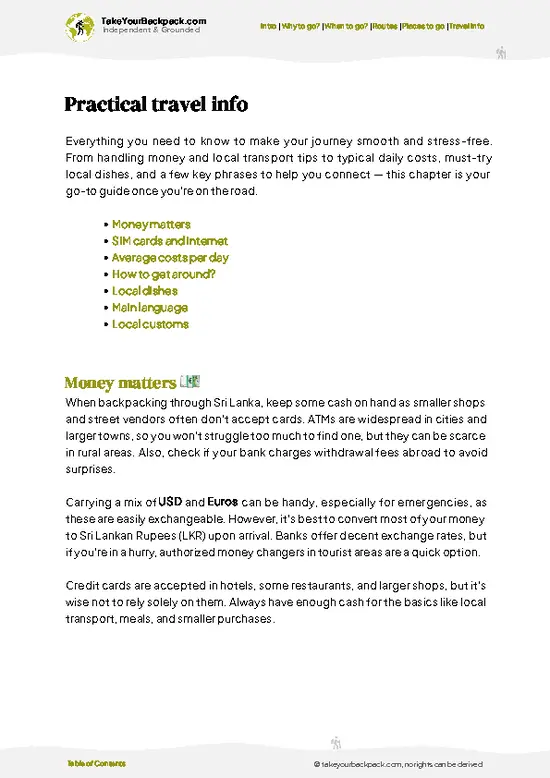
example page 0 from our offline Travel Guide for Sri Lanka
example page 1 from our offline Travel Guide for Sri Lanka
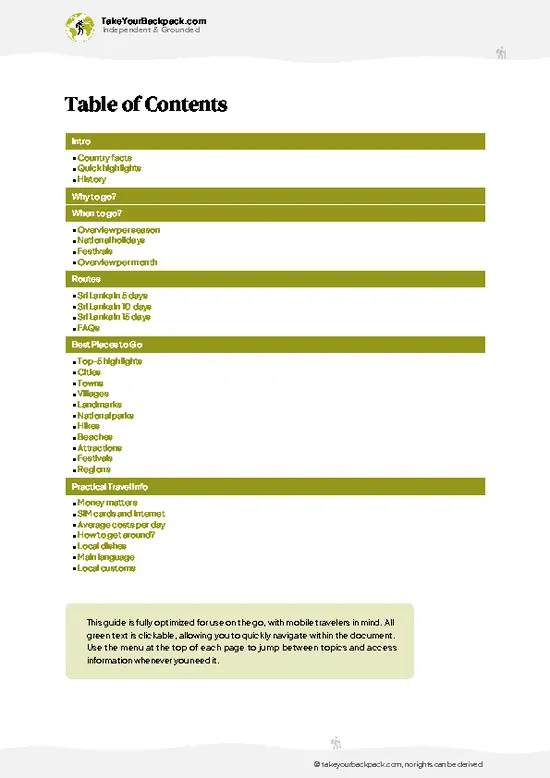
example page 2 from our offline Travel Guide for Sri Lanka
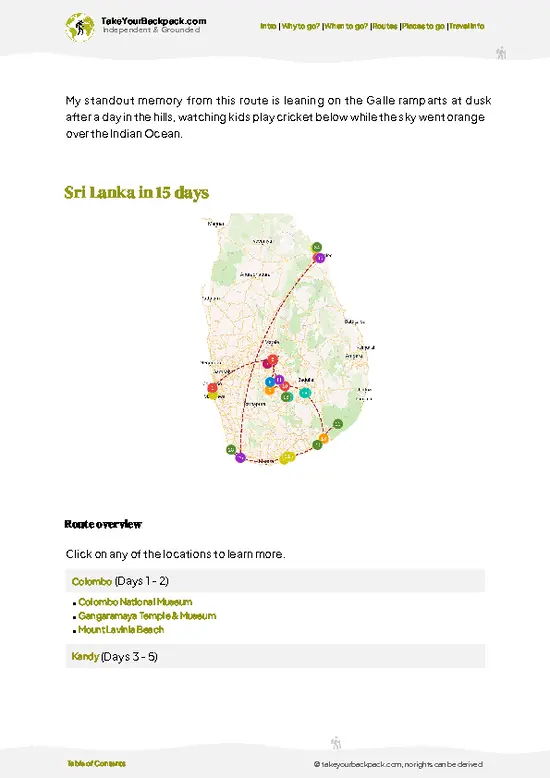
example page 3 from our offline Travel Guide for Sri Lanka
example page 4 from our offline Travel Guide for Sri Lanka
example page 5 from our offline Travel Guide for Sri Lanka
example page 6 from our offline Travel Guide for Sri Lanka
example page 7 from our offline Travel Guide for Sri Lanka
The digital guide (445 pages) contains:
124 highlights, ranked by travel appeal
Optimized 5, 10 & 15-day travel routes
Cities, national parks, landmarks, beaches
How to get around
Offline-friendly for travel without Wi-Fi
👉 Click to see all 30+ guide features

📅 Plan smarter in minutes, not weeks
Month by month travel advice
Festivals & national holidays
Budget expectations

🗺️ Go to the right places, skip the overrated ones
Honest pros & cons of destinations
Top hikes, parks & viewpoints
Lesser-known places most travelers miss
Clear “worth it vs skip it” guidance

🛏️ Travel smoothly without rookie mistakes
Best areas to stay
Transport systems explained simply
Common scams & safety advice
SIM cards, money & practical tips

🌍 Understand the country, not just visit it
Culture & traditions
52 Essential phrases & customs
Festivals worth planning around
Traveler-friendly historical context
Insights that make places more meaningful

📱 Built for real travel conditions
Fully downloadable PDF
Works completely offline
Optimized for phone use
Useful in remote areas & buses
Everything in one place
Save weeks of stressful planning
Get instant access to your full guide. 30‑day money-back guarantee.
+ Add another guide for just US$7.80

By proceeding you agree to our terms.
Sent to your inbox immediately after payment • 100% Secure Checkout
Best Backpacking Travel Advisor 2025 tourism awardBest Backpacking
Travel Advisor
2025
What others say about Take Your Backpack Guides:
⭐⭐⭐⭐⭐
Fantastic, amazing amount of information!
⭐⭐⭐⭐⭐
My goodness this is amazing, it's what I've been looking for hats off too you!
⭐⭐⭐⭐⭐
I think this is absolutely BRILLIANT
⭐⭐⭐⭐
Very complete and informative. It's still missing places, but I gotta to commend you
⭐⭐⭐⭐⭐
This is truly amazing, thank you, can't wait to explore it with my kids!
⭐⭐⭐⭐⭐
Awesome resource, thank you!
⭐⭐⭐⭐⭐
This is amazing! Can't wait to explore the ones I haven't seen
⭐⭐⭐⭐
I love this! Well done, great idea.
⭐⭐⭐⭐⭐
Thanks for taking the time to make this gem!
⭐⭐⭐⭐⭐
This might be the best website I've ever seen.
⭐⭐⭐⭐⭐
Congratulations, and thank you so much for your work; it's incredibly valuable.
⭐⭐⭐⭐
In all seriousness I think you did a great job pointing out the important spots
⭐⭐⭐⭐⭐
10/10 very good
⭐⭐⭐⭐⭐
As someone who's only just starting to visit regularly this is awesome, thank you.
⭐⭐⭐⭐
Thank you very much! I'm going to visit my dad, it's going to be very useful!
⭐⭐⭐⭐⭐
This is really cool! We'll be travelling for the first time and this definitely come in handy.
⭐⭐⭐⭐⭐
You are now our minister of culture, congratulations 👨‍💼
⭐⭐⭐⭐⭐
Just wanted to tell you that this is a pearl! Going to follow your recommendations.
⭐⭐⭐⭐⭐
This is so cool. I'll definitely be using the resource for my travels soon.
⭐⭐⭐⭐⭐
This is very impressive! Good work.
⭐⭐⭐⭐⭐
This is an amazing and informative site. Very well done!

🛏️ Where to stay?How to pick the right area

Thirukkovil Temple is a stunning site, but let’s get real about the area. Crowds can be overwhelming, especially during festivals. You’ll want to find a spot that balances proximity with a bit of peace.

Consider staying in the nearby coastal town of Thirukkovil. It’s a hub for backpackers, with a laid-back vibe and plenty of budget-friendly options. The beach is just a short walk away, perfect for unwinding after a day of temple exploration.

Another option is to look for accommodations in the surrounding villages. These places often offer a more authentic experience. You’ll meet locals, taste … read more 👉
Thirukkovil Temple is a stunning site, but let’s get real about the area. Crowds can be overwhelming, especially during festivals. You’ll want to find a spot that balances proximity with a bit of peace.

Consider staying in the nearby coastal town of Thirukkovil. It’s a hub for backpackers, with a laid-back vibe and plenty of budget-friendly options. The beach is just a short walk away, perfect for unwinding after a day of temple exploration.

Another option is to look for accommodations in the surrounding villages. These places often offer a more authentic experience. You’ll meet locals, taste home-cooked meals, and maybe even catch a glimpse of daily life that tourists miss.

Safety is generally good, but stick to well-lit areas at night. Social scenes vary, but you’ll find fellow travelers eager to share stories. Embrace the local culture, and you’ll discover the real magic of Thirukkovil beyond the crowds.

👛 Costs (as of 4 September 2026)What things cost and how to budget

Visiting Thirukkovil Temple in Sri Lanka is a unique experience, but it comes with its own set of costs that you should be aware of.
  • Entrance Fee: The entrance to Thirukkovil Temple is typically free for locals. For foreign visitors, there might be a nominal fee ranging from €1 to €3 (approximately $1 to $3). This fee helps maintain the temple grounds and supports local initiatives.
  • Transportation: Getting to Thirukkovil can vary widely. If you’re taking a bus from nearby towns, expect to pay around €0.50 to €2 ($0.50 to $2) for a ticket. If you opt for a taxi or tuk-tuk, the fare can range from €5 to €15 ($5 to $15), depending on your starting point and negotiation skills.
  • Food and Drink: Local eateries near the temple offer meals for about €2 to €5 ($2 to $5). Street food is even cheaper, with
read more 👉
Visiting Thirukkovil Temple in Sri Lanka is a unique experience, but it comes with its own set of costs that you should be aware of.
  • Entrance Fee: The entrance to Thirukkovil Temple is typically free for locals. For foreign visitors, there might be a nominal fee ranging from €1 to €3 (approximately $1 to $3). This fee helps maintain the temple grounds and supports local initiatives.
  • Transportation: Getting to Thirukkovil can vary widely. If you’re taking a bus from nearby towns, expect to pay around €0.50 to €2 ($0.50 to $2) for a ticket. If you opt for a taxi or tuk-tuk, the fare can range from €5 to €15 ($5 to $15), depending on your starting point and negotiation skills.
  • Food and Drink: Local eateries near the temple offer meals for about €2 to €5 ($2 to $5). Street food is even cheaper, with snacks costing as little as €0.50 ($0.50). If you want to indulge in a sit-down meal at a nicer restaurant, budget around €10 to €20 ($10 to $20).
  • Souvenirs: If you’re looking to take home a piece of the experience, local crafts and trinkets can range from €1 to €10 ($1 to $10). Bargaining is common, so don’t hesitate to negotiate for a better price.
  • Guided Tours: If you prefer a deeper dive into the temple’s history and significance, guided tours are available. Prices typically range from €10 to €30 ($10 to $30) per person, depending on the length and depth of the tour.

Be prepared for crowds, especially during festivals. The real magic lies in the temple’s atmosphere and the local devotion. Embrace the chaos; it’s part of the experience.


source: srilanka.travel
⚠️ Prices can change and everyone travels differently, so take this as a rough guide. Hope it helps you plan your adventure!

FAQTraveler FAQ

Thirukkovil Temple is an ancient Hindu temple located in the Eastern Province of Sri Lanka, dedicated to Lord Shiva. It is known for its Dravidian architecture and religious significance, attracting pilgrims especially during the annual festival in July.
You need about 1 to 2 hours to visit Thirukkovil Temple, enough time to explore the temple complex, observe rituals, and appreciate the architecture. Longer visits may be required during festival times for full participation.
To get to Thirukkovil Temple, travel to the town of Thirukkovil in the Ampara District, approximately 350 km from Colombo. The temple is accessible by local buses or taxis from Ampara town, which is the nearest major transport hub.
⚠️ Things can change over time, so always validate details locally before you go.

Other Sri Lankan landmarks near Thirukkovil Temple

Explore more nearby:


💡 Not sure where to go next?
Create a personalized itinerary for Sri Lanka including Thirukkovil Temple and the places that fit your trip.

Generate my itinerary

👉 Discover all landmarks

Or checkout all Sri Lanka has to offer (think cities, towns, villages, national parks, hikes, beaches, festivals)
Country photo of Sri Lanka

We 💚 feedbackKey takeaways before you go

Thirukkovil Temple is a breathtaking slice of Sri Lankan spirituality, where the intricate carvings and vibrant rituals pulse with life. But let’s be real: the crowds can be overwhelming, especially during festivals. If you can navigate those throngs, the experience is worth every moment. Just remember, it’s not about the perfect photo; it’s about soaking in the energy of a place that’s alive with devotion.

✈️ When did I visit Sri Lanka?
In December 2025 I visited Sri Lanka.

✍️ Help improve this page!
The information on this page is based on my own backpacking experience in Sri Lanka, supplemented with up-to-date research and feedback from other travelers. Travel details can change, so if you notice anything outdated or incomplete, feel free to let me know.


🙋‍♂️ Give feedback

👋 Meet the founderWho’s Behind Take Your Backpack?

Johan, backpacker and founder of TakeYourBackpackHi, I’m Johan (Netherlands 🇳🇱), the creator of TakeYourBackpack. Over the past decade, I’ve backpacked through 80+ countries across six continents, gaining extensive experience with independent travel, long-term trips, and overland routes.

This site is built on a combination of firsthand travel experience and carefully curated insights from other backpackers. Many guides are based on places I’ve personally visited, while others bring together tips, observations, and practical advice shared by trusted travelers I’ve met along the way.

The goal is to provide realistic, experience-driven guidance — not generic itineraries — so you can explore destinations with better context, clearer expectations, and more confidence.

Get full Sri Lanka guide •
Instant download • 124 highlights • Full Offline guide