v2.webp)
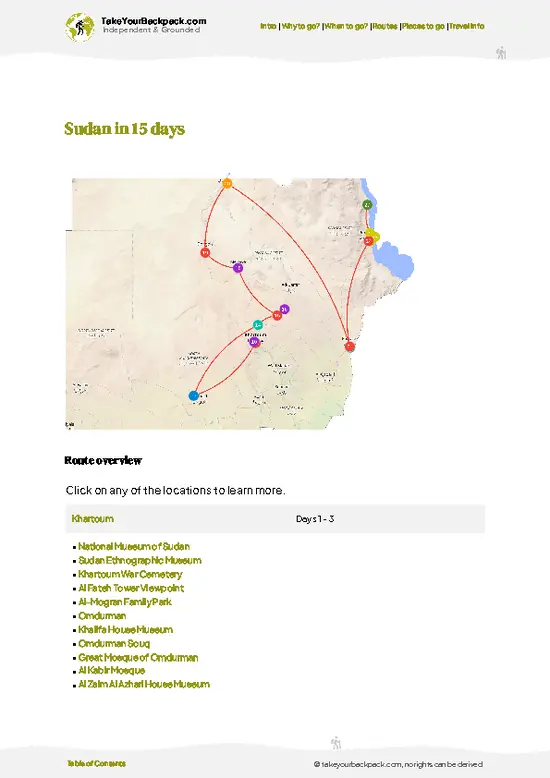
1. The Food Court: Sudanese Street Food, Indoors
Forget the sterile, globalized food courts you find in most malls. Al Waha’s food court is a crash course in Sudanese comfort food, with a side of North African, Middle Eastern, and even a few rogue Italian options. You’ll see families sharing ful medames (fava beans stewed with garlic and oil), students wolfing down shawarma wraps, and business types sipping thick, cardamom-laced coffee. The prices are refreshingly local—no tourist markups here. The real draw? The energy. It’s loud, it’s chaotic, and it’s a genuine slice of Khartoum life. If you want to eat like a local without sweating through a street stall, this is your spot. (Personal favorite: the fresh, piping-hot ta’amiya—Sudanese falafel—served with a tart, peppery salad.)
2. The … read more 👉
Forget the sterile, globalized food courts you find in most malls. Al Waha’s food court is a crash course in Sudanese comfort food, with a side of North African, Middle Eastern, and even a few rogue Italian options. You’ll see families sharing ful medames (fava beans stewed with garlic and oil), students wolfing down shawarma wraps, and business types sipping thick, cardamom-laced coffee. The prices are refreshingly local—no tourist markups here. The real draw? The energy. It’s loud, it’s chaotic, and it’s a genuine slice of Khartoum life. If you want to eat like a local without sweating through a street stall, this is your spot. (Personal favorite: the fresh, piping-hot ta’amiya—Sudanese falafel—served with a tart, peppery salad.)
2. The … read more 👉
1. The Food Court: Sudanese Street Food, Indoors
Forget the sterile, globalized food courts you find in most malls. Al Waha’s food court is a crash course in Sudanese comfort food, with a side of North African, Middle Eastern, and even a few rogue Italian options. You’ll see families sharing ful medames (fava beans stewed with garlic and oil), students wolfing down shawarma wraps, and business types sipping thick, cardamom-laced coffee. The prices are refreshingly local—no tourist markups here. The real draw? The energy. It’s loud, it’s chaotic, and it’s a genuine slice of Khartoum life. If you want to eat like a local without sweating through a street stall, this is your spot. (Personal favorite: the fresh, piping-hot ta’amiya—Sudanese falafel—served with a tart, peppery salad.)
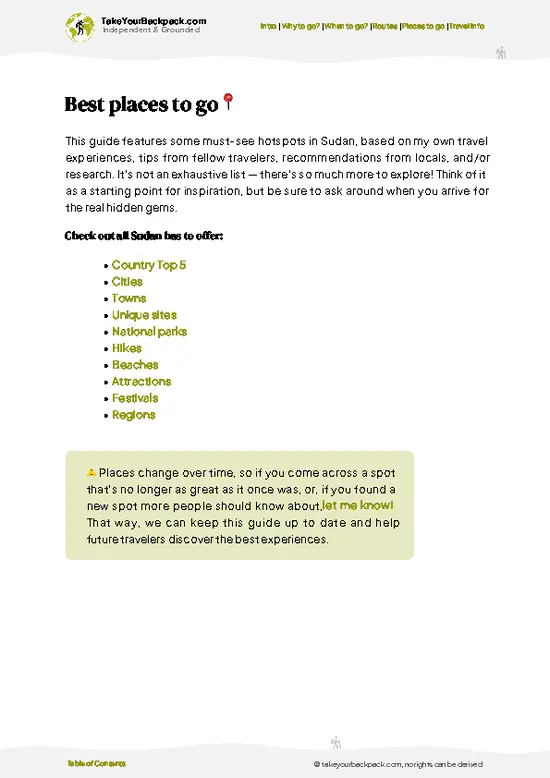
2. The Rooftop View: Khartoum’s Urban Pulse
Most people don’t realize you can access the rooftop at Al Waha. It’s not glamorous—think concrete, a few benches, and the occasional stray cat—but it’s one of the best places to watch the city’s daily rhythm. You’ll see the Nile’s dusty haze, the sprawl of minarets, and the endless parade of tuk-tuks and buses below. At sunset, the city glows gold, and you get a front-row seat to the real Khartoum: not curated for Instagram, but alive and unfiltered. Bring a snack from downstairs and soak it in.
3. The Arcade: Old-School Fun, Sudanese Style
Tucked away on the second floor, the arcade is a time capsule. No VR headsets or high-tech simulators—just classic racing games, air hockey, and a few battered pinball machines. It’s where local teens go to blow off steam and where you’ll hear the universal language of competitive trash talk. The machines are a little rough around the edges, but that’s part of the charm. If you want a break from sightseeing and a dose of nostalgia, this is your ticket.
4. The People-Watching: Khartoum in Microcosm
Al Waha isn’t just a mall; it’s a social crossroads. You’ll see women in vibrant tobes, men in crisp jalabiyas, expats haggling over SIM cards, and kids darting between shops. It’s a masterclass in Sudanese daily life, minus the tourist filter. Grab a tea from one of the kiosks, find a seat, and just watch. The stories write themselves.
5. The Bargain Shopping: Real-World Retail Therapy
If you’re expecting luxury brands, you’re in the wrong place. Al Waha is about practical shopping—clothes, shoes, electronics, and household goods at prices that make sense for locals. The fun is in the hunt: sifting through racks, haggling with shopkeepers, and maybe scoring a pair of sandals or a football jersey you’ll actually use on the road. It’s not glamorous, but it’s real—and that’s the point.
Forget the sterile, globalized food courts you find in most malls. Al Waha’s food court is a crash course in Sudanese comfort food, with a side of North African, Middle Eastern, and even a few rogue Italian options. You’ll see families sharing ful medames (fava beans stewed with garlic and oil), students wolfing down shawarma wraps, and business types sipping thick, cardamom-laced coffee. The prices are refreshingly local—no tourist markups here. The real draw? The energy. It’s loud, it’s chaotic, and it’s a genuine slice of Khartoum life. If you want to eat like a local without sweating through a street stall, this is your spot. (Personal favorite: the fresh, piping-hot ta’amiya—Sudanese falafel—served with a tart, peppery salad.)
2. The Rooftop View: Khartoum’s Urban Pulse
Most people don’t realize you can access the rooftop at Al Waha. It’s not glamorous—think concrete, a few benches, and the occasional stray cat—but it’s one of the best places to watch the city’s daily rhythm. You’ll see the Nile’s dusty haze, the sprawl of minarets, and the endless parade of tuk-tuks and buses below. At sunset, the city glows gold, and you get a front-row seat to the real Khartoum: not curated for Instagram, but alive and unfiltered. Bring a snack from downstairs and soak it in.
3. The Arcade: Old-School Fun, Sudanese Style
Tucked away on the second floor, the arcade is a time capsule. No VR headsets or high-tech simulators—just classic racing games, air hockey, and a few battered pinball machines. It’s where local teens go to blow off steam and where you’ll hear the universal language of competitive trash talk. The machines are a little rough around the edges, but that’s part of the charm. If you want a break from sightseeing and a dose of nostalgia, this is your ticket.
4. The People-Watching: Khartoum in Microcosm
Al Waha isn’t just a mall; it’s a social crossroads. You’ll see women in vibrant tobes, men in crisp jalabiyas, expats haggling over SIM cards, and kids darting between shops. It’s a masterclass in Sudanese daily life, minus the tourist filter. Grab a tea from one of the kiosks, find a seat, and just watch. The stories write themselves.
5. The Bargain Shopping: Real-World Retail Therapy
If you’re expecting luxury brands, you’re in the wrong place. Al Waha is about practical shopping—clothes, shoes, electronics, and household goods at prices that make sense for locals. The fun is in the hunt: sifting through racks, haggling with shopkeepers, and maybe scoring a pair of sandals or a football jersey you’ll actually use on the road. It’s not glamorous, but it’s real—and that’s the point.
Spotted a mistake or missing something? Contact us.

 Best Backpacking
.jpg) Hi, I’m Johan (Netherlands 🇳🇱), the creator of TakeYourBackpack. Over the past decade, I’ve backpacked through 80+ countries across six continents, gaining extensive experience with independent travel, long-term trips, and overland routes.
Hi, I’m Johan (Netherlands 🇳🇱), the creator of TakeYourBackpack. Over the past decade, I’ve backpacked through 80+ countries across six continents, gaining extensive experience with independent travel, long-term trips, and overland routes.