×

Suriname🇸🇷 | landmarksFort ZeelandiaStar-shaped ramparts, colonial museum, Suriname River bank, 1982 memorial | things to do and best time to go

Explore TotnessExplore Colakreek

Backpacking in Fort Zeelandia
🌟 Highlightunique site ranked #2
By Johan Kruseman 🇳🇱 | Updated October 19, 2026

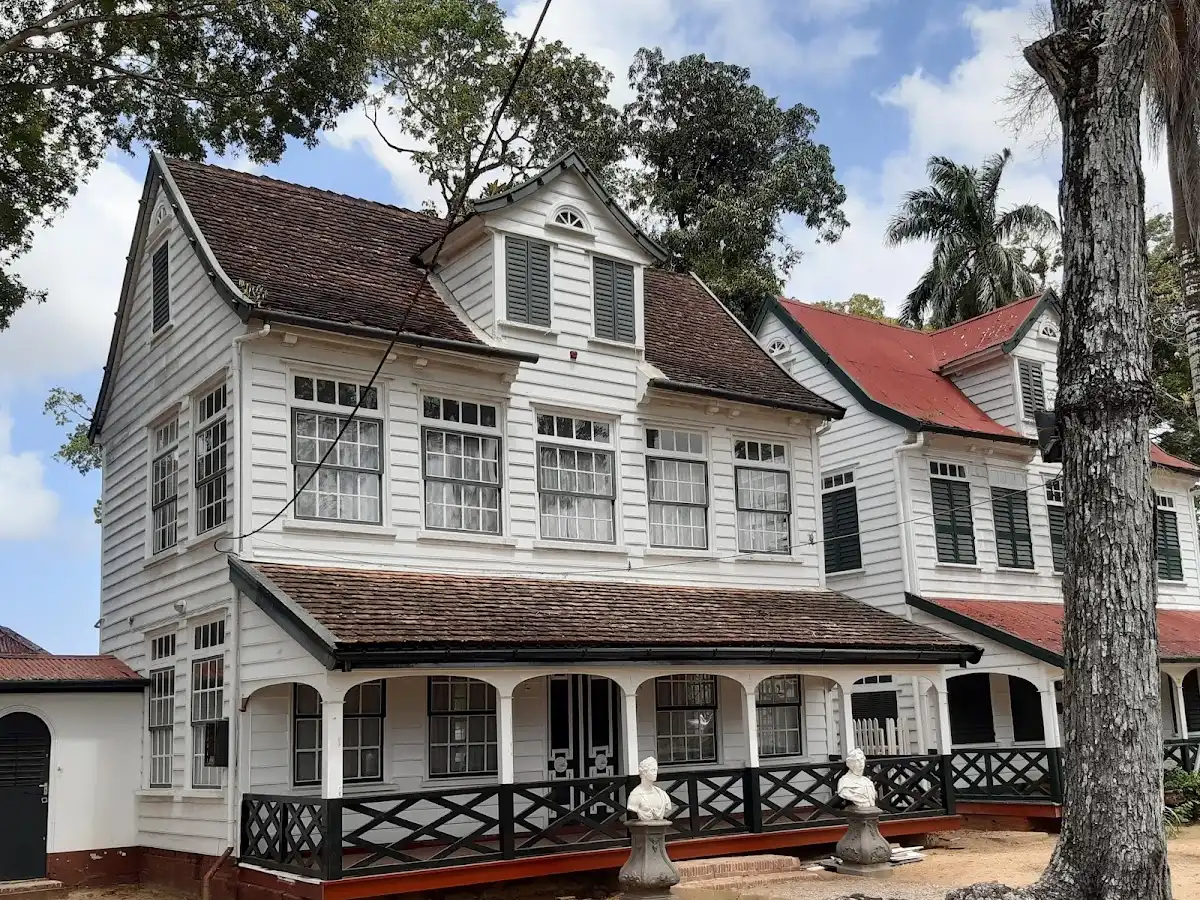
Fort Zeelandia is a squat, star-shaped fortress of whitewashed walls and grassy ramparts, and it sits right on the Suriname River in Paramaribo, the capital of Suriname. Step through the gate and the street noise drops. You get river breeze, the smell of cut grass and old timber, and the warm glare of sun off the walls. The wow-factor is quiet, not scenic. This is a compact site, so expect to be done in an hour or two, and crowds rarely thicken beyond a few tour groups. Entry is cheap, and the museum inside adds more than the walls alone. Its history is heavy, from colonial trading to a brutal chapter in the 1980s, and the fort does not hide that. Photographers get angled ramparts, shuttered colonial buildings and river light. Come in the morning, before the heat settles over the stone and the paths lose their shade.

Discover everything you want to know in the 📖 Suriname Travel Guide.


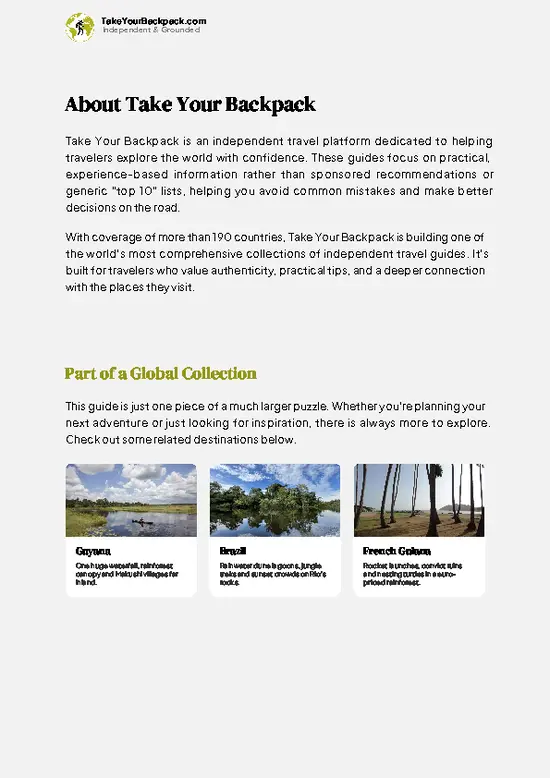
example page 0 from our offline Travel Guide for Suriname
example page 1 from our offline Travel Guide for Suriname
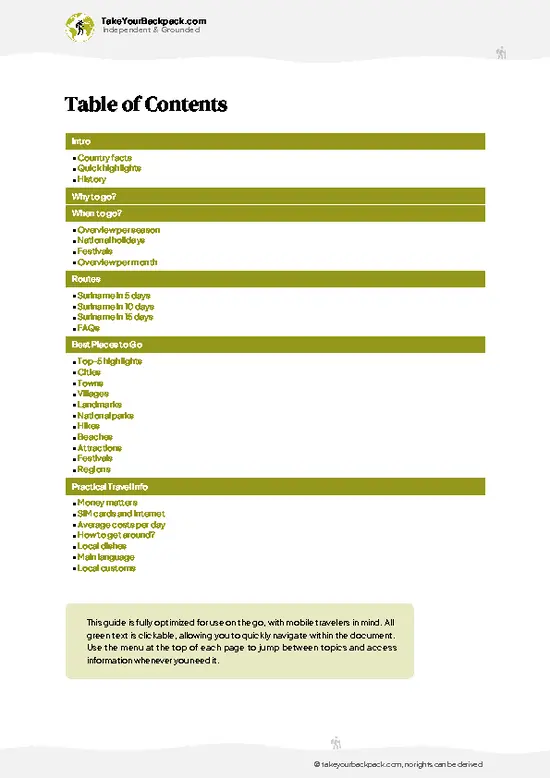
example page 2 from our offline Travel Guide for Suriname
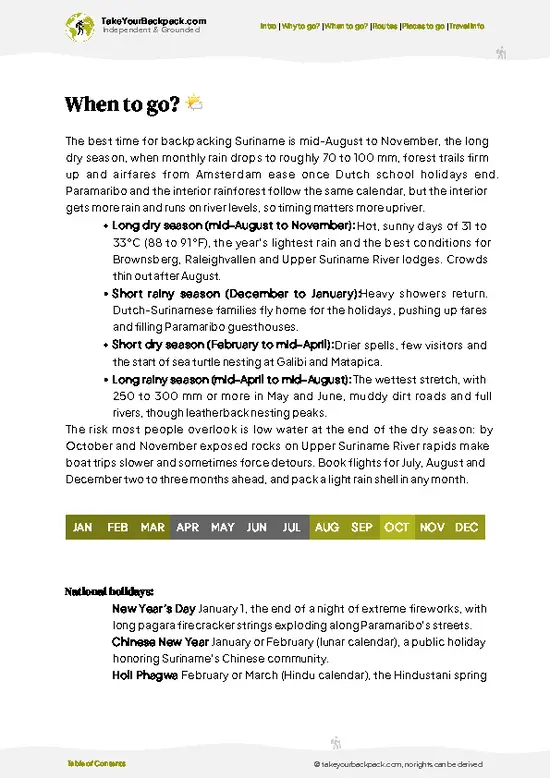
example page 3 from our offline Travel Guide for Suriname
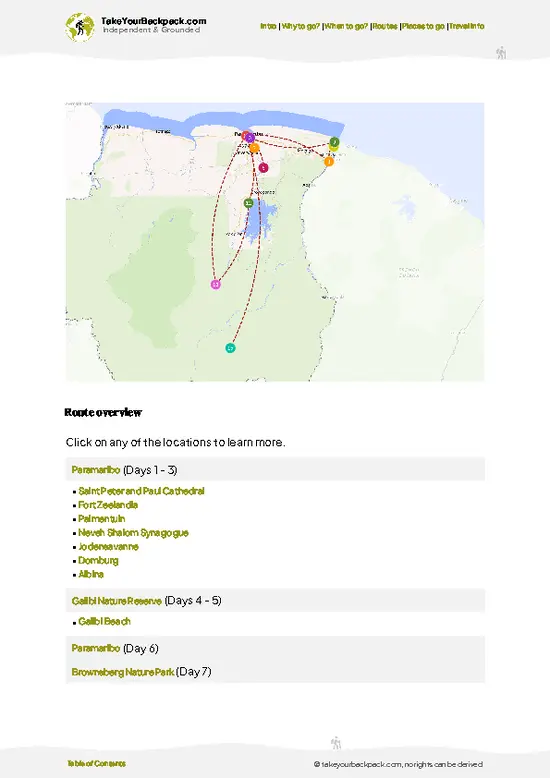
example page 4 from our offline Travel Guide for Suriname
example page 5 from our offline Travel Guide for Suriname
example page 6 from our offline Travel Guide for Suriname
example page 7 from our offline Travel Guide for Suriname
Loading the map 🌍
CLICK TO FILTER
cities
towns
villages
landmarks
national parks
hikes
beaches
attractions
festivals
regions
SHOW COUNTRY’S BESTSHOW ALL

✨ Why go?
Ranked #2 unique site in Suriname
The unique appeal for travelers

Fort Zeelandia gives you the shortest route into how Paramaribo was built, fought over and governed. The fort began as an English outpost, passed to the Dutch, and its pentagon of bastions still reads clearly from the ramparts. If you only have one historical stop in the capital, this is the one that explains the rest of the old center. The Surinaams Museum inside makes it more than a wall to photograph. It fills restored colonial rooms with furniture, household objects and displays that tie plantation-era Suriname to the multicultural country you see on the streets today. It also sits inside the UNESCO-listed historic inner city, so it works as the anchor of a walking loop. Palm-lined squares, wooden mansions and the riverfront promenade are all a short stroll away, and you can cover them … read more 👉
Fort Zeelandia gives you the shortest route into how Paramaribo was built, fought over and governed. The fort began as an English outpost, passed to the Dutch, and its pentagon of bastions still reads clearly from the ramparts. If you only have one historical stop in the capital, this is the one that explains the rest of the old center. The Surinaams Museum inside makes it more than a wall to photograph. It fills restored colonial rooms with furniture, household objects and displays that tie plantation-era Suriname to the multicultural country you see on the streets today. It also sits inside the UNESCO-listed historic inner city, so it works as the anchor of a walking loop. Palm-lined squares, wooden mansions and the riverfront promenade are all a short stroll away, and you can cover them in one easy day without a taxi. The site also carries the memory of the December 1982 killings, which many Surinamese still speak about. Knowing that changes how you look at the compound, and it gives the visit weight that few small forts anywhere can match.

💡 HighlightsPlaces and moments you shouldn't skip

  1. The Fort Zeelandia Walls and Bastions: The star-shaped, five-pointed layout of this fort on the Suriname River is what people come for. Thick brick ramparts, grass courtyards and old cannon give you a clear sense of why the Dutch held this spot in Paramaribo. Entry is through the museum, with a small fee of roughly US$3 to 5.
  2. Museum Fort Zeelandia: Housed inside the fort, the collection covers colonial life, the plantation era, and Suriname’s path to independence. Rooms are cool and quiet compared with the sticky streets outside, and displays mix everyday objects with maps and documents.
  3. The Wooden Officers’ Buildings: Inside the walls stand low colonial buildings of timber and brick, painted white. Look at the shuttered windows and the pitched roofs, which show how builders coped with heavy
… read more 👉
  1. The Fort Zeelandia Walls and Bastions: The star-shaped, five-pointed layout of this fort on the Suriname River is what people come for. Thick brick ramparts, grass courtyards and old cannon give you a clear sense of why the Dutch held this spot in Paramaribo. Entry is through the museum, with a small fee of roughly US$3 to 5.
  2. Museum Fort Zeelandia: Housed inside the fort, the collection covers colonial life, the plantation era, and Suriname’s path to independence. Rooms are cool and quiet compared with the sticky streets outside, and displays mix everyday objects with maps and documents.
  3. The Wooden Officers’ Buildings: Inside the walls stand low colonial buildings of timber and brick, painted white. Look at the shuttered windows and the pitched roofs, which show how builders coped with heavy tropical rain.
  4. The December 1982 Memory Site: The fort was the site of the killings of 15 prominent Surinamers in 1982, during the military rule of Desi Bouterse. A memorial reference to this period gives the visit real weight, and guides speak about it plainly.
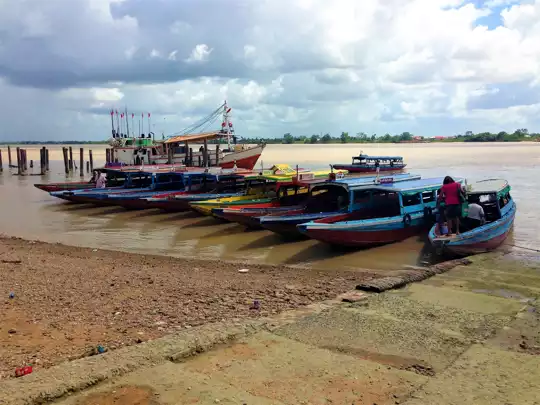
  5. Riverside Ramparts View: Walk the wall facing the Suriname River and watch barges, small boats and ferries slide past in brown water. Late afternoon brings softer light and a breeze off the river, good for photos.
  6. Independence Square (Onafhankelijkheidsplein) Next Door: Just steps away, this open green square is lined with the Presidential Palace and the white-fronted Ministry buildings. It gives context to the fort, and you can pair both in one walk through the historic inner city.
  7. The Open-Air Cultural Events Space: The fort’s courtyard sometimes hosts concerts and local gatherings, with food stalls and music echoing off the brick walls. Check the schedule locally, since it changes.
  8. The Historic Inner City Walk: Leaving the fort, follow the wooden façades along the river toward the Palmentuin and the cathedral. This UNESCO-listed core is compact, flat and easy on foot.


The courtyard’s small Dutch-era gate-side details get overlooked, so spend a few minutes tracing the old brickwork by the entrance before heading into the museum.
Spotted a mistake or missing something? Contact us.

Things to do near Fort Zeelandia

Ratings based on Tripadvisor reviews. When you book through this link, you support our work at no extra cost to you.

🌤️ When to go?Choosing the right time of year

  • Long Dry Season (mid-August to early December): Fort Zeelandia is easiest to visit now. Paramaribo runs about 30 to 33°C (86 to 91°F) by day and 22 to 24°C (72 to 75°F) at night, with little rain, so the riverside courtyard and the Suriname River promenade stay comfortable for wandering. Daylight lasts about 12 hours.
  • Short Wet Season (December to late January): Showers come in sharp bursts, usually 20 to 40 minutes, then clear. Temperatures stay near 29 to 31°C (84 to 88°F). Rooms are easy to find and crowds are thin.
  • Short Dry Spell (February to mid-April): Drier and slightly breezier. Local holidays like Holi (March) and Easter fill the streets and nudge prices up.
  • Long Wet Season (late April to mid-August): Heavy downpours turn the courtyard to puddles and humidity sits above 80 percent.
… read more 👉
  • Long Dry Season (mid-August to early December): Fort Zeelandia is easiest to visit now. Paramaribo runs about 30 to 33°C (86 to 91°F) by day and 22 to 24°C (72 to 75°F) at night, with little rain, so the riverside courtyard and the Suriname River promenade stay comfortable for wandering. Daylight lasts about 12 hours.
  • Short Wet Season (December to late January): Showers come in sharp bursts, usually 20 to 40 minutes, then clear. Temperatures stay near 29 to 31°C (84 to 88°F). Rooms are easy to find and crowds are thin.
  • Short Dry Spell (February to mid-April): Drier and slightly breezier. Local holidays like Holi (March) and Easter fill the streets and nudge prices up.
  • Long Wet Season (late April to mid-August): Heavy downpours turn the courtyard to puddles and humidity sits above 80 percent. Fewer visitors, and guesthouse rates often fall 10 to 20 percent.
Go on a weekday morning before the heat builds, when the museum inside is quiet and the stone walls still hold some shade.


source: climatestotravel.comJANJanuary: fair for travelingFEBFebruary: fair for travelingMARMarch: fair for travelingAPRApril: fair for travelingMAYMay: fair for travelingJUNJune: good for travelingJULJuly: good for travelingAUGAugust: excellent for travelingSEPSeptember: excellent for travelingOCTOctober: excellent for travelingNOVNovember: highly recommended for travelingDECDecember: fair for traveling
suriname-unique-site-fort-zeelandia
© Google |

✈️ The backpacker research shortcutSuriname Travel Guide

An offline-friendly backpacking guide with optimized travel routes, ranked highlights, transport advice, and the best areas to stay.
example page 0 from our offline Travel Guide for Suriname
example page 1 from our offline Travel Guide for Suriname
example page 2 from our offline Travel Guide for Suriname
example page 3 from our offline Travel Guide for Suriname
example page 4 from our offline Travel Guide for Suriname
example page 5 from our offline Travel Guide for Suriname
example page 6 from our offline Travel Guide for Suriname
example page 7 from our offline Travel Guide for Suriname
The digital guide (153 pages) contains:
✅ 40 highlights, ranked by travel appeal
✅ Optimized 5, 10 & 15-day travel routes
✅ Cities, national parks, landmarks, beaches
✅ How to get around
✅ Offline-friendly for travel without Wi-Fi
👉 Click to see all 30+ guide features

📅 Plan smarter in minutes, not weeks
✅ Month by month travel advice
✅ Festivals & national holidays
✅ Budget expectations

🗺️ Go to the right places, skip the overrated ones
✅ Honest pros & cons of destinations
✅ Top hikes, parks & viewpoints
✅ Lesser-known places most travelers miss
✅ Clear “worth it vs skip it” guidance

🛏️ Travel smoothly without rookie mistakes
✅ Best areas to stay
✅ Transport systems explained simply
✅ Common scams & safety advice
✅ SIM cards, money & practical tips

🌍 Understand the country, not just visit it
✅ Culture & traditions
✅ 52 Essential phrases & customs
✅ Festivals worth planning around
✅ Traveler-friendly historical context
✅ Insights that make places more meaningful

📱 Built for real travel conditions
✅ Fully downloadable PDF
✅ Works completely offline
✅ Optimized for phone use
✅ Useful in remote areas & buses
✅ Everything in one place
Stop searching, start planning
Get instant access to your full guide. 30‑day money-back guarantee.
+ Add another guide for just

By proceeding you agree to our terms.
Sent to your inbox immediately after payment • 100% Secure Checkout
Best Backpacking Travel Advisor 2025 tourism awardBest Backpacking
Travel Advisor
2025
What others say about Take Your Backpack Guides:
⭐⭐⭐⭐⭐
Fantastic, amazing amount of information!
⭐⭐⭐⭐⭐
My goodness this is amazing, it's what I've been looking for hats off too you!
⭐⭐⭐⭐⭐
I think this is absolutely BRILLIANT
⭐⭐⭐⭐
Very complete and informative. It's still missing places, but I gotta to commend you
⭐⭐⭐⭐⭐
This is truly amazing, thank you, can't wait to explore it with my kids!
⭐⭐⭐⭐⭐
Awesome resource, thank you!
⭐⭐⭐⭐⭐
This is amazing! Can't wait to explore the ones I haven't seen
⭐⭐⭐⭐
I love this! Well done, great idea.
⭐⭐⭐⭐⭐
Thanks for taking the time to make this gem!
⭐⭐⭐⭐⭐
This might be the best website I've ever seen.
⭐⭐⭐⭐⭐
Congratulations, and thank you so much for your work; it's incredibly valuable.
⭐⭐⭐⭐
In all seriousness I think you did a great job pointing out the important spots
⭐⭐⭐⭐⭐
10/10 very good
⭐⭐⭐⭐⭐
As someone who's only just starting to visit regularly this is awesome, thank you.
⭐⭐⭐⭐
Thank you very much! I'm going to visit my dad, it's going to be very useful!
⭐⭐⭐⭐⭐
This is really cool! We'll be travelling for the first time and this definitely come in handy.
⭐⭐⭐⭐⭐
You are now our minister of culture, congratulations 👨‍💼
⭐⭐⭐⭐⭐
Just wanted to tell you that this is a pearl! Going to follow your recommendations.
⭐⭐⭐⭐⭐
This is so cool. I'll definitely be using the resource for my travels soon.
⭐⭐⭐⭐⭐
This is very impressive! Good work.
⭐⭐⭐⭐⭐
This is an amazing and informative site. Very well done!

🛏️ Where to stay?How to pick the right area

The historic inner city of Paramaribo is the best area to stay, because Fort Zeelandia sits on the riverfront at its edge and you can walk there in minutes. This UNESCO-listed core has wooden colonial buildings, the Waterkant riverfront, Independence Square and the Palm Garden, and most budget travelers end up here. Streets around the Waterkant and Keizerstraat have the densest cluster of dorm beds and cheap guesthouses, plus cafes, bars and street food stalls where solo travelers fall into conversation easily. Expect rooms and dorms to be social, with shared kitchens and tour desks that sell … read more 👉
The historic inner city of Paramaribo is the best area to stay, because Fort Zeelandia sits on the riverfront at its edge and you can walk there in minutes. This UNESCO-listed core has wooden colonial buildings, the Waterkant riverfront, Independence Square and the Palm Garden, and most budget travelers end up here. Streets around the Waterkant and Keizerstraat have the densest cluster of dorm beds and cheap guesthouses, plus cafes, bars and street food stalls where solo travelers fall into conversation easily. Expect rooms and dorms to be social, with shared kitchens and tour desks that sell Amazon interior and Commewijne trips.

The area is safe by day and lively until late in the evening, but quieter side streets empty out after dark, so take a taxi for longer trips back at night and keep phones tucked away.

A second option is the stretch toward Domineestraat and the Saramaccastraat markets, which is cheaper and more local, with Javanese warungs and Chinese eateries. It suits travelers who prefer neighborhood life over hostel chatter.

South of the center, the Flora and Zorg en Hoop districts offer quieter guesthouses with pools, a short taxi ride from the fort, better if you want sleep over socializing.

👛 Costs (as of 19 October 2026)What things cost and how to budget

Entry to Fort Zeelandia costs roughly US$2 to 5, with a total daily budget of US$62 at high-season rates. The fort itself is cheap, and most of your money goes to a bed and meals in Paramaribo. Pay in Surinamese dollars, though many places quote foreign currency.
CategoryBudget RangeLocal Reality
Fort entry (Suriname Museum)US$2 to 5Small fee for the courtyard and museum rooms; rates for foreigners are higher than for locals.
Accommodation (high season)US$18 to 35Dorm beds or basic private rooms in the historic center; rates dip a little in the wet season.
FoodUS$10 to 18Roti, bami and nasi at warungs cost US$3 to 6 a plate; sit-down meals run US$10 and up.
Local transportUS$2 to 8The center is walkable; a short taxi ride costs US$4 to 8 and has no meter, so agree the fare first.
Drinks and snacksUS$3
… read more 👉
Entry to Fort Zeelandia costs roughly US$2 to 5, with a total daily budget of US$62 at high-season rates. The fort itself is cheap, and most of your money goes to a bed and meals in Paramaribo. Pay in Surinamese dollars, though many places quote foreign currency.
CategoryBudget RangeLocal Reality
Fort entry (Suriname Museum)US$2 to 5Small fee for the courtyard and museum rooms; rates for foreigners are higher than for locals.
Accommodation (high season)US$18 to 35Dorm beds or basic private rooms in the historic center; rates dip a little in the wet season.
FoodUS$10 to 18Roti, bami and nasi at warungs cost US$3 to 6 a plate; sit-down meals run US$10 and up.
Local transportUS$2 to 8The center is walkable; a short taxi ride costs US$4 to 8 and has no meter, so agree the fare first.
Drinks and snacksUS$3 to 6Local Parbo beer is about US$2 to 3 in a bar; coffee runs US$2 to 3.
Extras (museums, tours)US$3 to 8Nearby sights like the Palm Garden are free or cheap; day tours cost far more.
Total Daily BudgetUS$62Based on US$2 entry, US$27 bed, US$14 food, US$6 transport, US$5 drinks, US$8 extras.
⚠️ Prices can change and everyone travels differently, so take this as a rough guide. Hope it helps you plan your adventure!

FAQCommon questions from travelers

Fort Zeelandia is a 17th-century star-shaped fort on the Suriname River in central Paramaribo, now part of the UNESCO-listed historic inner city. The British built it in the 1650s, and the Dutch took it over and renamed it in 1667. Inside you find the Suriname Museum in the old buildings, and the fort is also known for the December 1982 killings that happened there during the military era. Entry is cheap, roughly US$2 to 5.
Plan on 1 to 2 hours for Fort Zeelandia itself, which covers the courtyard, the ramparts and the museum rooms. Add another hour if you walk the neighboring Waterkant riverfront and Independence Square. Most backpackers pair it with the rest of the historic center in a half day, or a full day with the Palm Garden and a market stop.
Fort Zeelandia stands in the heart of Paramaribo, a 5 to 15 minute walk from most guesthouses in the historic center. From Johan Adolf Pengel International Airport, about 45 km south, a taxi takes around 45 to 60 minutes and costs roughly US$30 to 40. Minibuses run from the city bus stations, but walking or a short taxi of US$4 to 8 is simpler once you are in town.
⚠️ Things can change over time, so always validate details locally before you go.

Other Surinamese landmarks near Fort Zeelandia

Explore more nearby:

  • Colakreek—Tea-colored creek, white sand banks, weekend barbecues, Para district| 41 km away
  • Tapawatra Sula—Upper Suriname rapids, Saramaka villages, dugout boat access, Gran Rio confluence| 205 km away
  • Blanche Marie Falls—Nickerie River cascades, dark rock shelves, tea-colored wading pools, rough southern road| 225 km away

💡 Not sure where to go next?
Create a personalized itinerary for Suriname including Fort Zeelandia and the places that fit your trip.

Generate my itinerary

👉 Discover all landmarks

Or checkout all Suriname has to offer (think cities, towns, villages, national parks, hikes, beaches, festivals)
Country photo of Suriname

We 💚 feedbackFinal thoughts on visiting Fort Zeelandia

Give Fort Zeelandia a relaxed two hours, enough for the ramparts, the museum rooms and the memorial without rushing the heavy parts. A full day here would be too long, but pair it with the palm garden and the riverfront walk and you have a satisfying morning. Bring water and a hat, because the open walls offer little shade after midday.

✍️ Help improve this page!
The information on this page is based on in-depth research, insights shared by experienced travelers, and feedback from the local travel community in Suriname. While every effort is made to keep the information accurate and current, conditions can change — so if you spot anything incorrect or outdated, please get in touch.


🙋‍♂️ Give feedback

👋 Meet the founderWho’s Behind Take Your Backpack?

Johan, backpacker and founder of TakeYourBackpackHi, I’m Johan (Netherlands 🇳🇱), the creator of TakeYourBackpack. Over the past 3 decades, I’ve backpacked through 90+ countries across six continents, gaining extensive experience with independent travel, long-term trips, and overland routes.

This site is built on a combination of firsthand travel experience and carefully curated insights from other backpackers. Many guides are based on places I’ve personally visited, while others bring together tips, observations, and practical advice shared by trusted travelers I’ve met along the way.

The goal is to provide realistic, experience-driven guidance — not generic itineraries — so you can explore destinations with better context, clearer expectations, and more confidence.