×

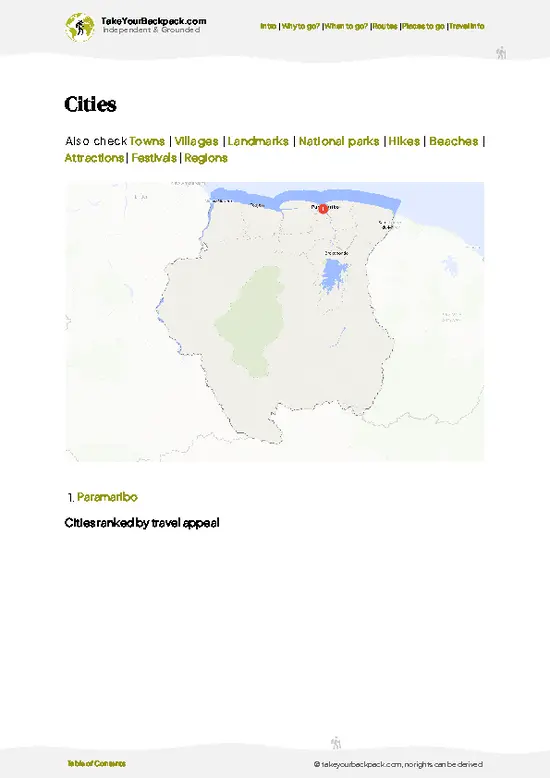
Suriname🇸🇷 | citiesParamariboDutch colonial facades, riverside markets, wooden architecture | things to do and best time to go

Explore Pikin Saramacca BeachExplore Avondvierdaagse

Backpacking in Paramaribo
UNESCO World Heritage site
🏆 Top pickcity ranked #1
By Johan Kruseman 🇳🇱 | Updated September 4, 2026

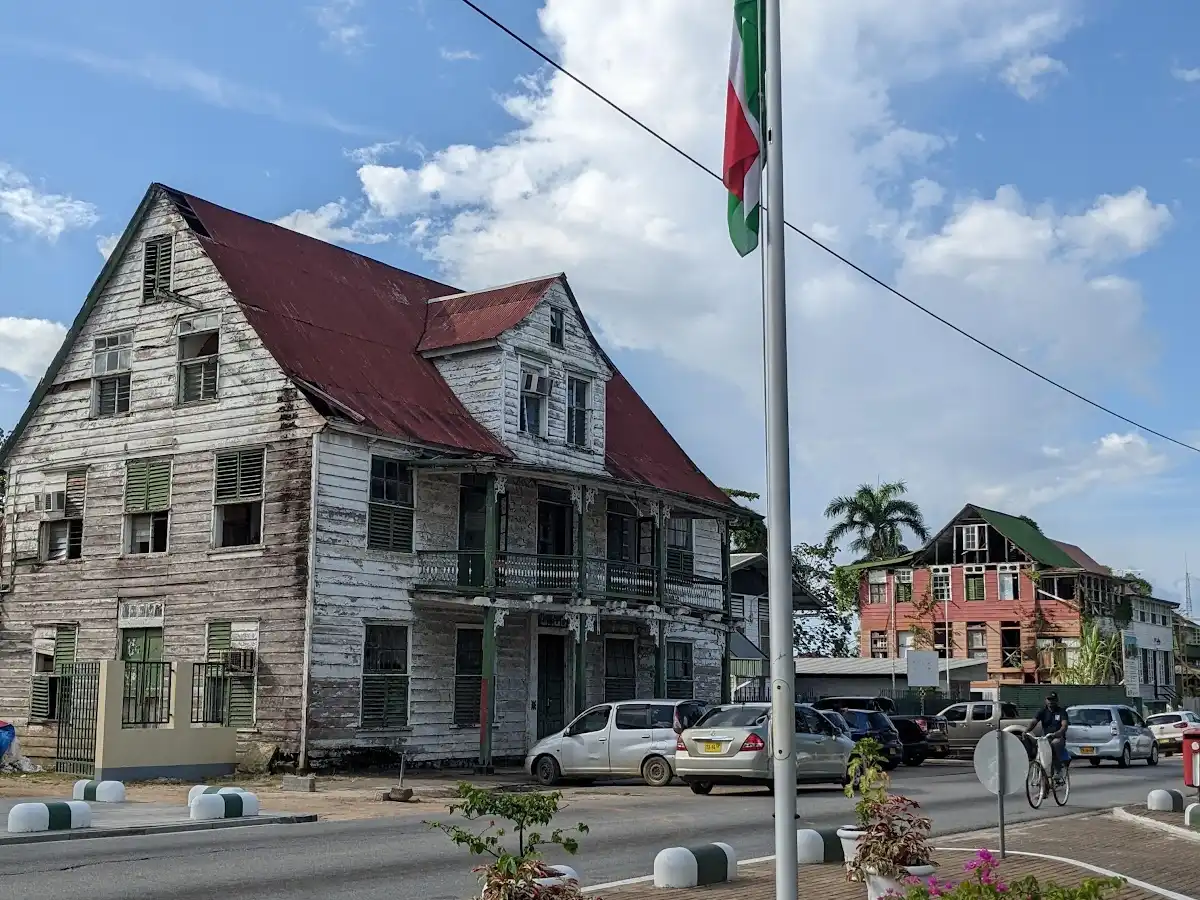
Most people who’ve heard of Paramaribo assume it’s either a rough port or a dull administrative capital you just transit through. That’s off. It’s more like a slow-burn crossroads city where South America, the Caribbean, India, Java, and the Netherlands all share the same riverside air. Paramaribo sits on Suriname’s north coast, stretched along the Suriname River, and it’s the clear hub of the country. For backpackers, it’s low-key but rewarding: wooden Dutch colonial streets, riverside bars, a mosque and synagogue side by side, and food that’s wildly good for the price. It’s cheap by South American standards, but not rock-bottom; nightlife is fun on weekends, sleepy midweek. Safety is decent if you use normal city sense, though some areas feel sketchy after dark. Compared with smaller Surinamese towns, Paramaribo is where you’ll actually meet other travelers, arrange jungle trips, and feel the country’s cultural mash-up in one walkable, slightly frayed package.

Discover everything you want to know in the 📖 Suriname Travel Guide.


Get your Suriname guide
43 ranked highlights, routes & tips, works offline (185 pages)
Loading the map 🌍
CLICK TO FILTER
cities
towns
villages
landmarks
national parks
hikes
beaches
attractions
festivals
regions
SHOW COUNTRY’S BESTSHOW ALL

✨ Why go?
Ranked #1 city in Suriname
Why visitors keep coming back

Paramaribo is a strategic stop for backpackers navigating Suriname. Its basecamp value is undeniable; you can easily launch into day trips to explore the surrounding nature and culture. The city itself is walkable, making it a breeze to discover local markets, colonial architecture, and vibrant street life on foot.

When it comes to accommodations, hostels here are not just affordable; they often foster a community vibe, perfect for meeting fellow travelers. You’ll find a mix of local cuisine and international options that won’t break the bank, allowing you to indulge without guilt.

As for nightlife, Paramaribo offers a laid-back scene where you can unwind after a day of exploration. Bars and cafes buzz with energy, providing a chance to mingle and share stories.

In terms of onward travel, … read more 👉
Paramaribo is a strategic stop for backpackers navigating Suriname. Its basecamp value is undeniable; you can easily launch into day trips to explore the surrounding nature and culture. The city itself is walkable, making it a breeze to discover local markets, colonial architecture, and vibrant street life on foot.

When it comes to accommodations, hostels here are not just affordable; they often foster a community vibe, perfect for meeting fellow travelers. You’ll find a mix of local cuisine and international options that won’t break the bank, allowing you to indulge without guilt.

As for nightlife, Paramaribo offers a laid-back scene where you can unwind after a day of exploration. Bars and cafes buzz with energy, providing a chance to mingle and share stories.

In terms of onward travel, the city serves as a convenient hub, connecting you to other parts of Suriname and beyond. If your style leans toward immersive experiences, Paramaribo is more than a stopover; it’s a place to soak in the local culture while planning your next adventure.
Want to include Paramaribo in your Suriname route?
Create a personalized Suriname itinerary that includes Paramaribo and the places that fit your trip — based on your travel style, budget, and available time. Get your route in seconds.

Generate my trip

💡 HighlightsTop highlights of Paramaribo

  • Historic inner city (UNESCO World Heritage area) — walkable cluster of 18th-19th century wooden colonial buildings, narrow streets and squares; the best way to feel Paramaribo’s layered Dutch, African and Asian history without a museum label.
  • Saints Peter and Paul Cathedral (Wooden Cathedral) — one of the biggest wooden churches in the Americas; step inside for its airy interior, surprising size and the view of the city’s skyline from Kerkplein.
  • Fort Zeelandia and its museum — a compact riverside fort with exhibits on colonial Suriname, the plantation era and 20th-century politics; good for photos, river views and a sobering dose of history.
  • Onafhankelijkheidsplein & Presidential Palace — the civic heart of the city: the carved white Presidential Palace, statue of Johan Pengel and the
read more 👉
  • Historic inner city (UNESCO World Heritage area) — walkable cluster of 18th-19th century wooden colonial buildings, narrow streets and squares; the best way to feel Paramaribo’s layered Dutch, African and Asian history without a museum label.
  • Saints Peter and Paul Cathedral (Wooden Cathedral) — one of the biggest wooden churches in the Americas; step inside for its airy interior, surprising size and the view of the city’s skyline from Kerkplein.
  • Fort Zeelandia and its museum — a compact riverside fort with exhibits on colonial Suriname, the plantation era and 20th-century politics; good for photos, river views and a sobering dose of history.
  • Onafhankelijkheidsplein & Presidential Palace — the civic heart of the city: the carved white Presidential Palace, statue of Johan Pengel and the square’s changing activities give a quick primer on Surinamese national life.
  • Keizerstraat “religious quarter” — Neveh Shalom and Beracha ve Shalom synagogues + Keizerstraat Mosque — within a few blocks you can visit synagogues, a tiny Jewish museum and a historic mosque; a rare, tangible example of Paramaribo’s interfaith mix.
  • Arya Dewaker Hindu Mandir — striking red-and-gold temple complex with ornate carvings and regular ceremonies; culturally vivid and open to respectful visitors wanting to see Hindu traditions in Suriname.
  • Centrale Markt (Central Market) — chaotic, colorful market where locals buy fish, herbs, spices and street food; great for cheap bites, people-watching and buying fresh ingredients or souvenirs.
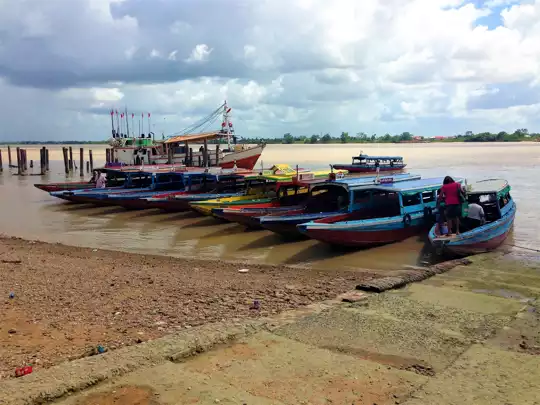
  • Waterkant (the riverfront promenade) — lively riverside strip with moored boats, colonial façades and bars; excellent at sunset for atmosphere and to watch the river traffic coming and going.
  • Surinaams Museum — small but informative museum with Maroon, Indigenous and colonial artifacts; a compact stop to fill in the cultural and ethnographic context you’ll see around the city.
  • Palmentuin (Palm Garden) — shaded park behind the Presidential Palace, perfect for a rest between sights; locals play dominoes and gossip here — low-key, very Paramaribo.
A few great day trips just outside the city: Fort Nieuw Amsterdam and the plantations/Peperpot Nature Park in Commewijne, and the historic Jodensavanne ruins — all visitable from Paramaribo in a day.
Spotted a mistake or missing something? Contact us.

Things to do in Paramaribo

Ratings based on Tripadvisor reviews. When you book through this link, you support our work at no extra cost to you.

🏘️ NeighborhoodsHow different areas shape the experience

Paramaribo is a vibrant city where colonial charm meets a lively cultural scene. Each neighborhood offers unique experiences, making it essential to choose wisely based on your priorities.

Centrum: This is the heart of Paramaribo. You’ll find historical architecture, bustling markets, and a mix of locals and travelers. It’s walkable, with plenty of cafes and shops. Nightlife is lively but not overwhelming. Perfect for short stays, as everything is within reach.

Onafhankelijkheidsplein: This area is quieter, centered around the Independence Square. It’s great for those who want a more relaxed vibe. While it lacks the nightlife of Centrum, it’s ideal for longer stays, offering a peaceful atmosphere with easy access to parks and museums.

Houttuin: Known for its local eateries and art scene, … read more 👉
Paramaribo is a vibrant city where colonial charm meets a lively cultural scene. Each neighborhood offers unique experiences, making it essential to choose wisely based on your priorities.

Centrum: This is the heart of Paramaribo. You’ll find historical architecture, bustling markets, and a mix of locals and travelers. It’s walkable, with plenty of cafes and shops. Nightlife is lively but not overwhelming. Perfect for short stays, as everything is within reach.

Onafhankelijkheidsplein: This area is quieter, centered around the Independence Square. It’s great for those who want a more relaxed vibe. While it lacks the nightlife of Centrum, it’s ideal for longer stays, offering a peaceful atmosphere with easy access to parks and museums.

Houttuin: Known for its local eateries and art scene, Houttuin is a hidden treasure. It’s slightly off the main tourist path, making it more affordable. The walkability is decent, but you might want to use local transport for longer distances. This area suits backpackers looking for authenticity and a slower pace.

Nieuw Amsterdam: Just outside the city center, this neighborhood offers a glimpse into local life. It’s less touristy, with a mix of residential and commercial spaces. Transport options are available, but it’s best for those who don’t mind a bit of travel. Ideal for longer stays, especially if you want to immerse yourself in the local culture.

Commodore: A lively area with a mix of nightlife and local dining. It’s more expensive than other neighborhoods but offers a vibrant atmosphere. Walkability is good, and it’s perfect for those who want to experience the city’s nightlife while still being close to the action. Great for short stays if you enjoy a bustling environment.

⌛️ 1 dayWhat you can realistically do in a day

Paramaribo, the capital of Suriname, is a vibrant blend of cultures, where Dutch colonial architecture meets the rhythms of Afro-Caribbean life. This city is a canvas painted with history, nature, and a dash of urban flair. You can experience its unique charm in just one day, focusing on the historic center and the nearby neighborhoods.

Start your morning at the bustling Central Market. The aroma of fresh fruits and spices fills the air, and the vibrant colors of the produce are a feast for the eyes. Grab a local breakfast of roti with chicken or a sweet treat like a coconut ball from one of the vendors. After fueling up, stroll over to Fort Zeelandia, a historic fort that offers a glimpse into the colonial past. The views of the Suriname River from here are a perfect backdrop for some early-morning … read more 👉
Paramaribo, the capital of Suriname, is a vibrant blend of cultures, where Dutch colonial architecture meets the rhythms of Afro-Caribbean life. This city is a canvas painted with history, nature, and a dash of urban flair. You can experience its unique charm in just one day, focusing on the historic center and the nearby neighborhoods.

Start your morning at the bustling Central Market. The aroma of fresh fruits and spices fills the air, and the vibrant colors of the produce are a feast for the eyes. Grab a local breakfast of roti with chicken or a sweet treat like a coconut ball from one of the vendors. After fueling up, stroll over to Fort Zeelandia, a historic fort that offers a glimpse into the colonial past. The views of the Suriname River from here are a perfect backdrop for some early-morning photos.

As the sun climbs higher, make your way to the nearby Palmentuin, a serene palm garden that feels like a hidden oasis. It’s a great spot to relax and soak in the local atmosphere. From there, head to the nearby neighborhood of Waterkant, where you can wander along the riverfront. The colorful wooden houses lining the water are iconic and provide a picturesque setting for a leisurely walk.

In the afternoon, visit the Suriname Museum, where you can dive deeper into the country’s rich history and diverse cultures. It’s not on every tourist’s radar, but it’s worth the time. Afterward, explore the vibrant streets of the historic district, where you can pop into local shops and perhaps find a unique souvenir.

As evening approaches, settle down at one of the local eateries in the city center. Try a dish like pom, a traditional Surinamese casserole, while enjoying the lively atmosphere. Cap off your day with a stroll along the river, where the sunset casts a warm glow over the water, making it a perfect ending to your Paramaribo adventure.
Turn your Paramaribo visit into an Suriname adventure
Build a complete Suriname route with Paramaribo, hidden gems, must-see destinations, and realistic travel times included.

Generate my trip

🌤️ When to go?When to go for the best experience


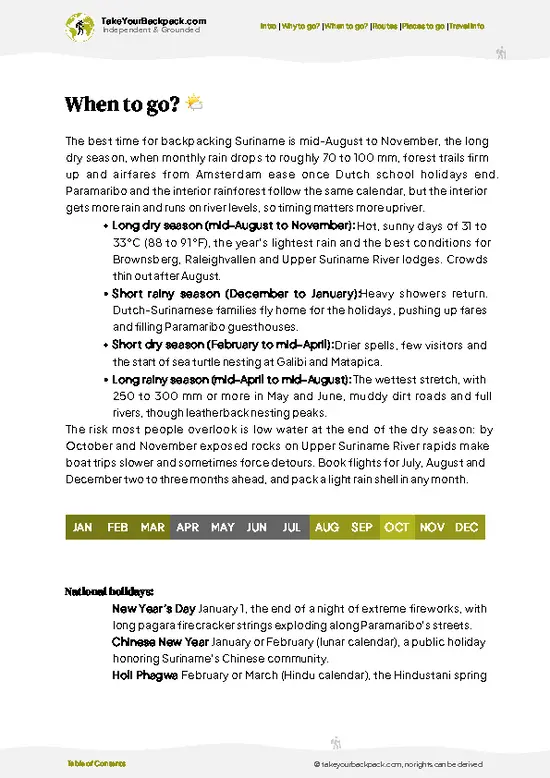
  • Topic: Weather – Paramaribo’s climate is tropical, with a wet season from December to July and a dry season from August to November. The dry months offer less humidity and fewer rain interruptions, making trekking and city exploration more enjoyable.

  • Topic: Temperature – Temperatures hover between 24°C and 31°C (75°F to 88°F) year-round. The dry season tends to feel slightly cooler and less sticky, which can be a relief after long days on foot.

  • Topic: Daylight Hours – Daylight stays consistent, roughly 11.5 to 12.5 hours daily. This means you can plan full days without worrying about early sunsets cutting your adventures short.

  • Topic: Crowds – Tourist flow peaks during the dry season, especially around August and November. Visiting just before or after these months means fewer travelers,
read more 👉

  • Topic: Weather – Paramaribo’s climate is tropical, with a wet season from December to July and a dry season from August to November. The dry months offer less humidity and fewer rain interruptions, making trekking and city exploration more enjoyable.

  • Topic: Temperature – Temperatures hover between 24°C and 31°C (75°F to 88°F) year-round. The dry season tends to feel slightly cooler and less sticky, which can be a relief after long days on foot.

  • Topic: Daylight Hours – Daylight stays consistent, roughly 11.5 to 12.5 hours daily. This means you can plan full days without worrying about early sunsets cutting your adventures short.

  • Topic: Crowds – Tourist flow peaks during the dry season, especially around August and November. Visiting just before or after these months means fewer travelers, giving you more breathing room in popular spots.

  • Topic: Seasonal Activities – The dry season aligns with cultural festivals and open-air markets, enhancing your experience with local color and energy. The wet season limits outdoor events but offers lush landscapes if you’re into nature photography.

  • Topic: Price Fluctuations – Accommodation and flights spike during the dry season’s peak months. Traveling in shoulder months like late July or early December can save money without sacrificing comfort.


Pro-tip: Aim for the shoulder months of July and December to balance weather, crowd size, and cost—this is where savvy backpackers find the sweet spot.


source: climatestotravel.comJANJanuary: fair for travelingFEBFebruary: fair for travelingMARMarch: fair for travelingAPRApril: fair for travelingMAYMay: fair for travelingJUNJune: fair for travelingJULJuly: highly recommended for travelingAUGAugust: excellent for travelingSEPSeptember: excellent for travelingOCTOctober: excellent for travelingNOVNovember: excellent for travelingDECDecember: highly recommended for traveling
suriname-city-paramaribo
© Google |

✈️ The backpacker research shortcutSuriname Travel Guide

An offline-friendly backpacking guide with optimized travel routes, ranked highlights, transport advice, and the best areas to stay.
example page 0 from our offline Travel Guide for Suriname
example page 1 from our offline Travel Guide for Suriname
example page 2 from our offline Travel Guide for Suriname
example page 3 from our offline Travel Guide for Suriname
example page 4 from our offline Travel Guide for Suriname
example page 5 from our offline Travel Guide for Suriname
example page 6 from our offline Travel Guide for Suriname
example page 7 from our offline Travel Guide for Suriname
The digital guide (185 pages) contains:
43 highlights, ranked by travel appeal
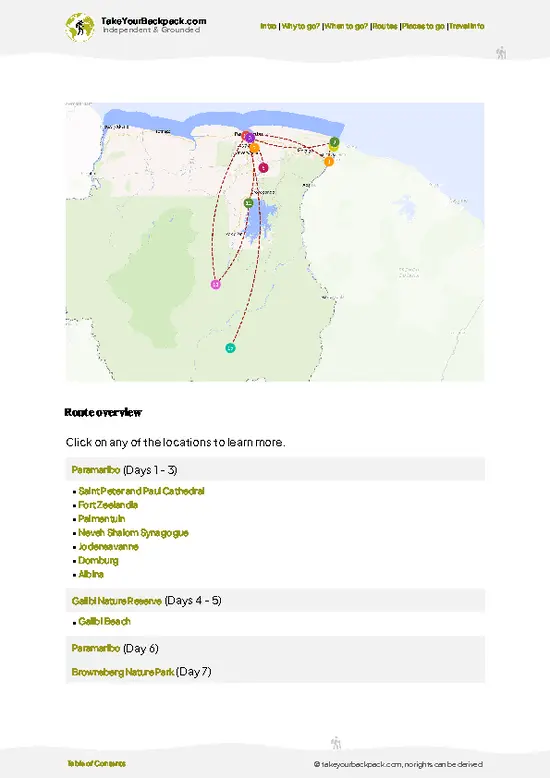
Optimized 5, 10 & 15-day travel routes
Cities, national parks, landmarks, beaches
How to get around
Offline-friendly for travel without Wi-Fi
👉 Click to see all 30+ guide features

📅 Plan smarter in minutes, not weeks
Month by month travel advice
Festivals & national holidays
Budget expectations

🗺️ Go to the right places, skip the overrated ones
Honest pros & cons of destinations
Top hikes, parks & viewpoints
Lesser-known places most travelers miss
Clear “worth it vs skip it” guidance

🛏️ Travel smoothly without rookie mistakes
Best areas to stay
Transport systems explained simply
Common scams & safety advice
SIM cards, money & practical tips

🌍 Understand the country, not just visit it
Culture & traditions
52 Essential phrases & customs
Festivals worth planning around
Traveler-friendly historical context
Insights that make places more meaningful

📱 Built for real travel conditions
Fully downloadable PDF
Works completely offline
Optimized for phone use
Useful in remote areas & buses
Everything in one place
Save weeks of stressful planning
Get instant access to your full guide. 30‑day money-back guarantee.
+ Add another guide for just US$7.80

By proceeding you agree to our terms.
Sent to your inbox immediately after payment • 100% Secure Checkout
Best Backpacking Travel Advisor 2025 tourism awardBest Backpacking
Travel Advisor
2025
What others say about Take Your Backpack Guides:
⭐⭐⭐⭐⭐
Fantastic, amazing amount of information!
⭐⭐⭐⭐⭐
My goodness this is amazing, it's what I've been looking for hats off too you!
⭐⭐⭐⭐⭐
I think this is absolutely BRILLIANT
⭐⭐⭐⭐
Very complete and informative. It's still missing places, but I gotta to commend you
⭐⭐⭐⭐⭐
This is truly amazing, thank you, can't wait to explore it with my kids!
⭐⭐⭐⭐⭐
Awesome resource, thank you!
⭐⭐⭐⭐⭐
This is amazing! Can't wait to explore the ones I haven't seen
⭐⭐⭐⭐
I love this! Well done, great idea.
⭐⭐⭐⭐⭐
Thanks for taking the time to make this gem!
⭐⭐⭐⭐⭐
This might be the best website I've ever seen.
⭐⭐⭐⭐⭐
Congratulations, and thank you so much for your work; it's incredibly valuable.
⭐⭐⭐⭐
In all seriousness I think you did a great job pointing out the important spots
⭐⭐⭐⭐⭐
10/10 very good
⭐⭐⭐⭐⭐
As someone who's only just starting to visit regularly this is awesome, thank you.
⭐⭐⭐⭐
Thank you very much! I'm going to visit my dad, it's going to be very useful!
⭐⭐⭐⭐⭐
This is really cool! We'll be travelling for the first time and this definitely come in handy.
⭐⭐⭐⭐⭐
You are now our minister of culture, congratulations 👨‍💼
⭐⭐⭐⭐⭐
Just wanted to tell you that this is a pearl! Going to follow your recommendations.
⭐⭐⭐⭐⭐
This is so cool. I'll definitely be using the resource for my travels soon.
⭐⭐⭐⭐⭐
This is very impressive! Good work.
⭐⭐⭐⭐⭐
This is an amazing and informative site. Very well done!

🛏️ Where to stay?How to pick the right area

Paramaribo’s sweet spot for backpackers is the historic center, especially around the Waterkant and the adjacent streets. This area nails the balance between safety, social buzz, and budget-friendly options. It’s where you’ll find a cluster of hostels that cater to solo travelers and groups alike, making it easy to meet others without sacrificing your peace of mind. The vibe here is relaxed but lively, with street vendors, cafés, and markets within walking distance, so you’re never stuck indoors or isolated.

Compared to the more residential or commercial zones, the historic center offers a compact, … read more 👉
Paramaribo’s sweet spot for backpackers is the historic center, especially around the Waterkant and the adjacent streets. This area nails the balance between safety, social buzz, and budget-friendly options. It’s where you’ll find a cluster of hostels that cater to solo travelers and groups alike, making it easy to meet others without sacrificing your peace of mind. The vibe here is relaxed but lively, with street vendors, cafés, and markets within walking distance, so you’re never stuck indoors or isolated.

Compared to the more residential or commercial zones, the historic center offers a compact, walkable layout. You save time and money on transport, which is a big win in a city where public transit isn’t always reliable. Plus, the colonial architecture and leafy streets add character without the tourist overload you’d find in more developed capitals. It’s a place where you can soak in local life without feeling like a tourist trapped in a bubble.

If you stray too far east or south, you’ll hit quieter, less tourist-friendly neighborhoods that lack the social infrastructure backpackers crave. Those areas might be cheaper but come with trade-offs in safety and convenience. So, for a smart traveler who values connection and ease, the historic center is the clear choice—where your time, money, and comfort align to unlock the best of Paramaribo.

🚌 Getting aroundHow to get around Paramaribo

Paramaribo moves at its own rhythm—neither a frantic rush nor a slow crawl. It’s a city where the clock is a suggestion, not a law. You’ll find that schedules exist, but they’re flexible, bending to the flow of daily life rather than dictating it. This means your transit choices aren’t just about getting from A to B; they’re about reading the city’s pulse and deciding how much time, money, and comfort you’re willing to trade for the experience. The trade-off map here is simple: faster, more comfortable rides cost more and run on looser schedules; cheaper options demand patience and a willingness to blend into the local tempo.

Walking is the baseline. Paramaribo’s compact center is surprisingly walkable, with tree-lined streets and colonial architecture that reward slow exploration. It costs … read more 👉
Paramaribo moves at its own rhythm—neither a frantic rush nor a slow crawl. It’s a city where the clock is a suggestion, not a law. You’ll find that schedules exist, but they’re flexible, bending to the flow of daily life rather than dictating it. This means your transit choices aren’t just about getting from A to B; they’re about reading the city’s pulse and deciding how much time, money, and comfort you’re willing to trade for the experience. The trade-off map here is simple: faster, more comfortable rides cost more and run on looser schedules; cheaper options demand patience and a willingness to blend into the local tempo.

Walking is the baseline. Paramaribo’s compact center is surprisingly walkable, with tree-lined streets and colonial architecture that reward slow exploration. It costs nothing but your time and energy, and you get the bonus of soaking in the city’s vibe firsthand. Walking is the ultimate budget choice, but it’s not always practical if you’re pressed for time or venturing beyond the core.

Minibus services are the backbone of local transit. These shared vans run on informal routes and schedules, often leaving only when full. Expect to pay around 2-3 SRD (Surinamese dollars) per trip, making them the cheapest motorized option. They’re slow and cramped, but they deliver an authentic slice of daily life. If you’re patient and flexible, minibuses stretch your budget without sacrificing reach.

Taxis offer a middle ground between speed and cost. They don’t run on meters, so fares are negotiable—expect to pay roughly 20-40 SRD for short to medium distances within the city. Taxis are faster and more comfortable than minibuses but come at a premium. They’re ideal when you want to save time without splurging on private car hires.

Motorbike Taxis are a quick, nimble option for solo travelers or pairs. They dart through traffic and cost about 10-15 SRD per ride. Comfort is minimal, but the speed and price make them a smart choice if you’re navigating tight schedules and narrow streets. Safety gear is basic, so weigh your risk tolerance here.

Bicycle Rentals combine speed, economy, and freedom. Renting a bike costs around 15-25 SRD per day, and it’s a great way to cover more ground than walking while staying close to the street-level experience. It’s comfortable if you’re used to cycling and want to avoid the unpredictability of public transit. However, Paramaribo’s tropical heat and occasional rain can turn this into a sweaty challenge.

Understanding these options means you’re not just a passenger—you’re a strategist. You decide when to save time by paying more, when to save money by sacrificing comfort, or when to embrace the city’s tempo by walking or hopping on a minibus. Each choice shapes your experience, turning logistics into a game where you call the shots.

👛 Costs (as of 4 September 2026)Travel costs and budget guide for Paramaribo

Backpacking in Paramaribo, Suriname, offers a clear trade-off between cost and comfort, with prices that reflect its status as a less-touristed South American capital. Understanding these costs lets you plan smartly, balancing your budget without sacrificing the experience.
  • Dorm Accommodation (High Season): Expect to pay around $10 to $15 per night in shared dorms during peak travel months. These are basic but clean, often with communal bathrooms and simple amenities.
  • Dorm Accommodation (Off-Season): Prices drop to about $7 to $10 per night when the tourist flow slows, giving you more room to negotiate or snag deals directly with guesthouses.
  • Meals: Local eateries and street food dominate the scene, with meals costing between $2 and $5. Opt for roti or fresh fish dishes to keep costs low
read more 👉
Backpacking in Paramaribo, Suriname, offers a clear trade-off between cost and comfort, with prices that reflect its status as a less-touristed South American capital. Understanding these costs lets you plan smartly, balancing your budget without sacrificing the experience.
  • Dorm Accommodation (High Season): Expect to pay around $10 to $15 per night in shared dorms during peak travel months. These are basic but clean, often with communal bathrooms and simple amenities.
  • Dorm Accommodation (Off-Season): Prices drop to about $7 to $10 per night when the tourist flow slows, giving you more room to negotiate or snag deals directly with guesthouses.
  • Meals: Local eateries and street food dominate the scene, with meals costing between $2 and $5. Opt for roti or fresh fish dishes to keep costs low while sampling authentic flavors.
  • Local Transport: Minibuses and shared taxis are the norm, with fares typically around $0.50 to $1 per trip. They’re frequent but can be crowded and less predictable in timing.
  • City Transport Pass: Paramaribo doesn’t have a formal city transport pass system; relying on cash for each ride is standard. Budget accordingly if you plan multiple daily trips.
  • Basic Activities/Entry Fees: Museums and cultural sites usually charge between $2 and $5. Nature excursions or guided tours can push this higher, but casual exploration is mostly free.
  • Miscellaneous Expenses: Include about $1 to $3 daily for bottled water, snacks, or small personal items. Internet cafes and SIM cards are affordable, with SIM cards costing around $5 and data plans starting at $2.

In total, a backpacker in Paramaribo can expect to spend roughly $15 to $30 per day. This range covers basic dorm stays, local meals, and transport, with enough left over for modest activities and incidentals. Knowing these numbers upfront lets you decide where to stretch for comfort or save to extend your adventure.


source: surinametourism.com
⚠️ Prices can change and everyone travels differently, so take this as a rough guide. Hope it helps you plan your adventure!

🚌 Day tripsBest day trips from Paramaribo

Using Paramaribo as your base opens up a world of day trips that blend adventure with cultural immersion. Each journey offers a unique slice of Suriname, making it easy to explore without the hassle of overnight stays.

Brownsberg Nature Park
Just a two-hour drive from Paramaribo, Brownsberg Nature Park is a haven for nature lovers. The park features lush rainforests, stunning waterfalls, and a variety of wildlife. You can hike the well-marked trails, with the most popular leading to the breathtaking Leo Falls. The entrance fee is minimal, usually around $5, and you can easily grab a shared taxi for about $10 each way. The best time to visit is during the dry season, from August to November, when trails are less muddy. A common mistake is underestimating the park’s size; plan for a full … read more 👉
Using Paramaribo as your base opens up a world of day trips that blend adventure with cultural immersion. Each journey offers a unique slice of Suriname, making it easy to explore without the hassle of overnight stays.

Brownsberg Nature Park
Just a two-hour drive from Paramaribo, Brownsberg Nature Park is a haven for nature lovers. The park features lush rainforests, stunning waterfalls, and a variety of wildlife. You can hike the well-marked trails, with the most popular leading to the breathtaking Leo Falls. The entrance fee is minimal, usually around $5, and you can easily grab a shared taxi for about $10 each way. The best time to visit is during the dry season, from August to November, when trails are less muddy. A common mistake is underestimating the park’s size; plan for a full day to truly soak in the beauty.
👉 Explore Brownsberg Nature Park

Commewijne River Tour
A boat trip along the Commewijne River offers a unique perspective on Suriname’s colonial history. Just a short ride from the city, you can hop on a local boat for around $15. The tour typically lasts about four hours, allowing you to explore old plantations and spot wildlife like dolphins and caimans. The best time to go is early morning when the river is calm and the wildlife is active. Many first-timers miss the chance to engage with local guides; their stories add depth to the experience.


Fort Zeelandia
For a quick cultural fix, head to Fort Zeelandia, just a 15-minute walk from the city center. This historic fort offers a glimpse into Suriname’s colonial past and houses a small museum. Entry is usually around $3, making it a budget-friendly option. You can easily combine this with a stroll through the nearby waterfront area. The best time to visit is in the late afternoon when the sun sets over the river, creating a picturesque backdrop. Don’t rush through; take time to chat with the locals around the fort for insider tips.
👉 Explore Fort Zeelandia

Jodensavanne
About an hour from Paramaribo, Jodensavanne is a fascinating historical site that tells the story of the Jewish community in Suriname. The ruins of the old synagogue and cemetery are hauntingly beautiful. A shared taxi will cost around $10 each way. The site is best visited in the dry season, when the paths are more accessible. Many visitors overlook the guided tours; these provide context that enriches your understanding of the area.


Peperpot Nature Park
Just a 30-minute drive from the city, Peperpot Nature Park is a former plantation turned wildlife sanctuary. You can explore its trails, where you might spot monkeys and exotic birds. Entry is typically around $2, making it an easy addition to your itinerary. The best time to visit is early morning or late afternoon for optimal wildlife viewing. A common mistake is not bringing enough water; the trails can be longer than they appear.
👉 Explore Peperpot Nature Park
Want to know what more Suriname offers?
The Suriname Travel Guide describes 43 highlights, from cities to national parks, from beaches to hikes

Get the Travel Guide -

🍲 FoodLocal Cuisine & Drinks

In Paramaribo, food is a vibrant tapestry of cultures, reflecting its diverse heritage. You can’t miss trying pom, a savory dish made from seasoned chicken and a unique root vegetable, often served at family gatherings. Another must-try is roti, a flatbread paired with flavorful curries, showcasing the Indian influence.

For a true local experience, hit the street food stalls. The aroma of grilled satay wafts through the air, tempting you to indulge in skewers of marinated meat. Don’t overlook the market scene; the Central Market buzzes with vendors selling fresh fruits, spices, and homemade snacks. Grab a bowl of kousenband—a refreshing salad made with green beans and coconut—while you mingle with locals.

When it comes to drinks, try sorrel juice, a tangy, refreshing beverage made from … read more 👉
In Paramaribo, food is a vibrant tapestry of cultures, reflecting its diverse heritage. You can’t miss trying pom, a savory dish made from seasoned chicken and a unique root vegetable, often served at family gatherings. Another must-try is roti, a flatbread paired with flavorful curries, showcasing the Indian influence.

For a true local experience, hit the street food stalls. The aroma of grilled satay wafts through the air, tempting you to indulge in skewers of marinated meat. Don’t overlook the market scene; the Central Market buzzes with vendors selling fresh fruits, spices, and homemade snacks. Grab a bowl of kousenband—a refreshing salad made with green beans and coconut—while you mingle with locals.

When it comes to drinks, try sorrel juice, a tangy, refreshing beverage made from hibiscus flowers, perfect for cooling off in the tropical heat. The drinking culture here is laid-back; locals often gather in casual bars to sip on beer or cachaça, a sugarcane spirit.

Etiquette is relaxed, but it’s polite to greet vendors and share a smile. Embrace the communal vibe; meals are often shared, turning every bite into a social experience. In Paramaribo, food isn’t just sustenance; it’s a celebration of life.

🛡️ SafetySafety Tips and Common Scams in Paramaribo

Paramaribo is generally safe, but like any city, it has its quirks. Stay aware in crowded markets like the Central Market, where pickpockets might lurk. Keep your belongings close and avoid flashy displays of wealth.

If you’re traveling solo, especially at night, stick to well-lit areas and main streets. The city has a laid-back vibe, but it’s wise to trust your instincts. If something feels off, it probably is.

Scams are rare, but be cautious of overly friendly strangers offering unsolicited help. They might expect a tip or lead you to shops with inflated prices. Always confirm prices before engaging in services, whether it’s a taxi or a meal.

Annoyances can include slow service in restaurants, but that’s part of the local charm. Embrace the pace, and remember: patience is key. Carry … read more 👉
Paramaribo is generally safe, but like any city, it has its quirks. Stay aware in crowded markets like the Central Market, where pickpockets might lurk. Keep your belongings close and avoid flashy displays of wealth.

If you’re traveling solo, especially at night, stick to well-lit areas and main streets. The city has a laid-back vibe, but it’s wise to trust your instincts. If something feels off, it probably is.

Scams are rare, but be cautious of overly friendly strangers offering unsolicited help. They might expect a tip or lead you to shops with inflated prices. Always confirm prices before engaging in services, whether it’s a taxi or a meal.

Annoyances can include slow service in restaurants, but that’s part of the local charm. Embrace the pace, and remember: patience is key. Carry yourself confidently, and you’ll navigate Paramaribo like a pro.

FAQCommon questions from travelers

3 to 4 days are sufficient to explore Paramaribo's main attractions, including the historic city center, Fort Zeelandia, and the Central Market. This allows time for day trips to nearby nature reserves like Brownsberg. Longer stays are recommended if you want to explore Suriname's interior.
Yes, Paramaribo is generally safe for solo backpackers, especially in well-populated areas and during daylight hours. Basic precautions like avoiding poorly lit streets at night and securing valuables are advised. Local crime rates are moderate, so staying alert is important.
Paramaribo is known for its unique Dutch colonial architecture, including wooden buildings and the UNESCO-listed historic inner city. It is also famous for its cultural diversity, reflected in its cuisine and festivals. The city serves as a gateway to Suriname's rainforests and wildlife.
⚠️ Things can change over time, so always validate details locally before you go.

Other destinations worth considering

Paramaribo isn’t the only highlight in Suriname. Explore all what Suriname has to offer.
Country photo of Suriname

We 💚 feedbackSumming up the experience

In Paramaribo, the vibe is laid-back yet vibrant, a blend of cultures that feels alive. Don’t miss the local markets; they’re a sensory overload in the best way. The best surprise? The food—try the pom and roti for a flavor explosion. Just a heads-up: the humidity can be intense, so stay hydrated and pace yourself. Embrace the slower rhythm here; it’s part of the charm. You’ll leave with stories that linger longer than the heat.

✍️ Help improve this page!
The information on this page is based on in-depth research, insights shared by experienced travelers, and feedback from the local travel community in Suriname. While every effort is made to keep the information accurate and current, conditions can change — so if you spot anything incorrect or outdated, please get in touch.


🙋‍♂️ Give feedback

👋 Meet the founderWho’s Behind Take Your Backpack?

Johan, backpacker and founder of TakeYourBackpackHi, I’m Johan (Netherlands 🇳🇱), the creator of TakeYourBackpack. Over the past decade, I’ve backpacked through 80+ countries across six continents, gaining extensive experience with independent travel, long-term trips, and overland routes.

This site is built on a combination of firsthand travel experience and carefully curated insights from other backpackers. Many guides are based on places I’ve personally visited, while others bring together tips, observations, and practical advice shared by trusted travelers I’ve met along the way.

The goal is to provide realistic, experience-driven guidance — not generic itineraries — so you can explore destinations with better context, clearer expectations, and more confidence.

Get full Suriname guide •
Instant download • 43 highlights • Full Offline guide