
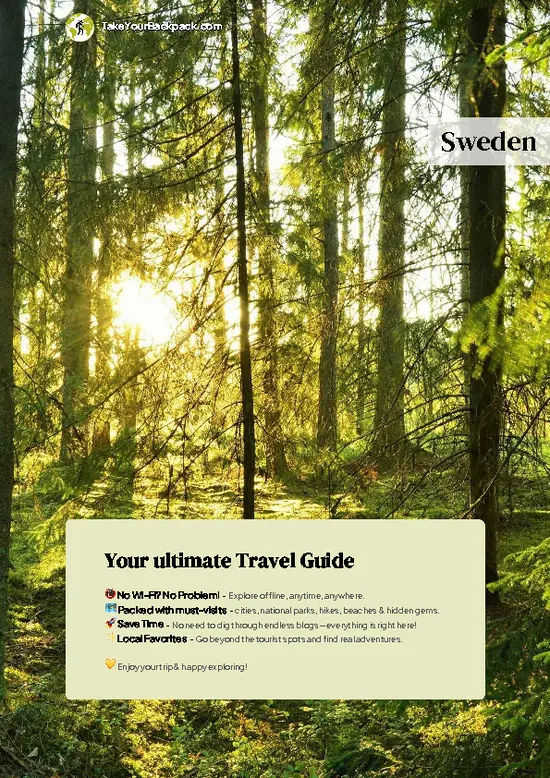


- Ancient spruce forest — some of the park’s best bits are the gnarled, centuries-old spruces and the thick carpets of moss and lichens around them. The place feels genuinely primeval: lots of dead wood, fallen trunks and tree holes that are biodiversity gold for fungi and insects.
- Steep ravines and ravine forests — Björnlandet is cut by narrow, shadowy ravines where moisture and shade let unusual mosses, ferns and small trees thrive. The contrast between cliff walls and lush pockets is dramatic and great for photos.
- Open mires and highland bogs — wide, windswept bogs and raised mires give you unexpected vistas in a park that otherwise feels forested. In summer you’ll find cloudberries and insect life; bring boots or stick to boardwalks to protect the fragile ground.
- Clear streams, rapids
- Ancient spruce forest — some of the park’s best bits are the gnarled, centuries-old spruces and the thick carpets of moss and lichens around them. The place feels genuinely primeval: lots of dead wood, fallen trunks and tree holes that are biodiversity gold for fungi and insects.
- Steep ravines and ravine forests — Björnlandet is cut by narrow, shadowy ravines where moisture and shade let unusual mosses, ferns and small trees thrive. The contrast between cliff walls and lush pockets is dramatic and great for photos.
- Open mires and highland bogs — wide, windswept bogs and raised mires give you unexpected vistas in a park that otherwise feels forested. In summer you’ll find cloudberries and insect life; bring boots or stick to boardwalks to protect the fragile ground.
- Clear streams, rapids and small waterfalls — a network of streams cuts through the park, sometimes tumbling over rock into little rapids. They add sound, movement and good spots to rest or scout for dragonflies and water plants.
- Deadwood habitat and specialist birds — all that standing and fallen wood makes Björnlandet a hotspot for woodpeckers (think three-toed and black woodpeckers), owls and cavity-nesting species. Birdwatchers and fungus hunters will be rewarded.
- Signs of big mammals — the name means “bear land” for a reason: you’ll mostly see tracks, droppings and scratch marks rather than the animals themselves, but moose, wolverine/lynx/bear evidence turns up. It’s a good place to practice track ID and quiet observation.
- Trail network and real solitude — marked footpaths and longer backcountry routes thread the park, letting you piece together day hikes or longer treks. Fewer visitors than southern parks means real peace—bring a map and be prepared for basic, wild conditions.
Spotted a mistake or missing something? Contact us.

 Best Backpacking

 Hi, I’m Johan (Netherlands 🇳🇱), the creator of TakeYourBackpack. Over the past 3 decades, I’ve backpacked through 90+ countries across six continents, gaining extensive experience with independent travel, long-term trips, and overland routes.