How many parks to visit: Three to five national parks is a sound number for a two to three week trip. That allows two or three days in each, and leaves time for weather delays and transport gaps. More than that turns the trip into a transit exercise, particularly where buses run only a few times a day. One large northern park and two or three compact southern ones gives a good contrast without excessive travel.
Which kind to prioritize: Backpackers who want
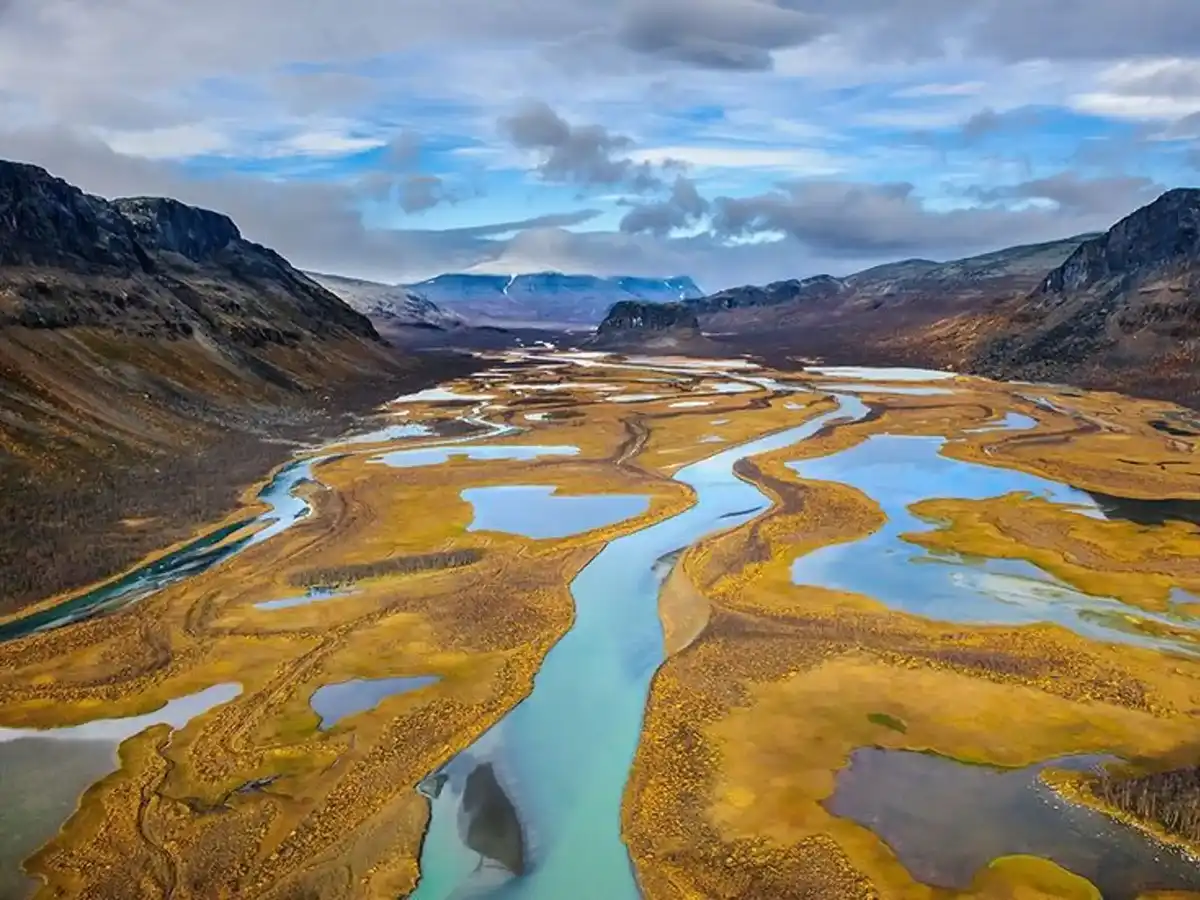
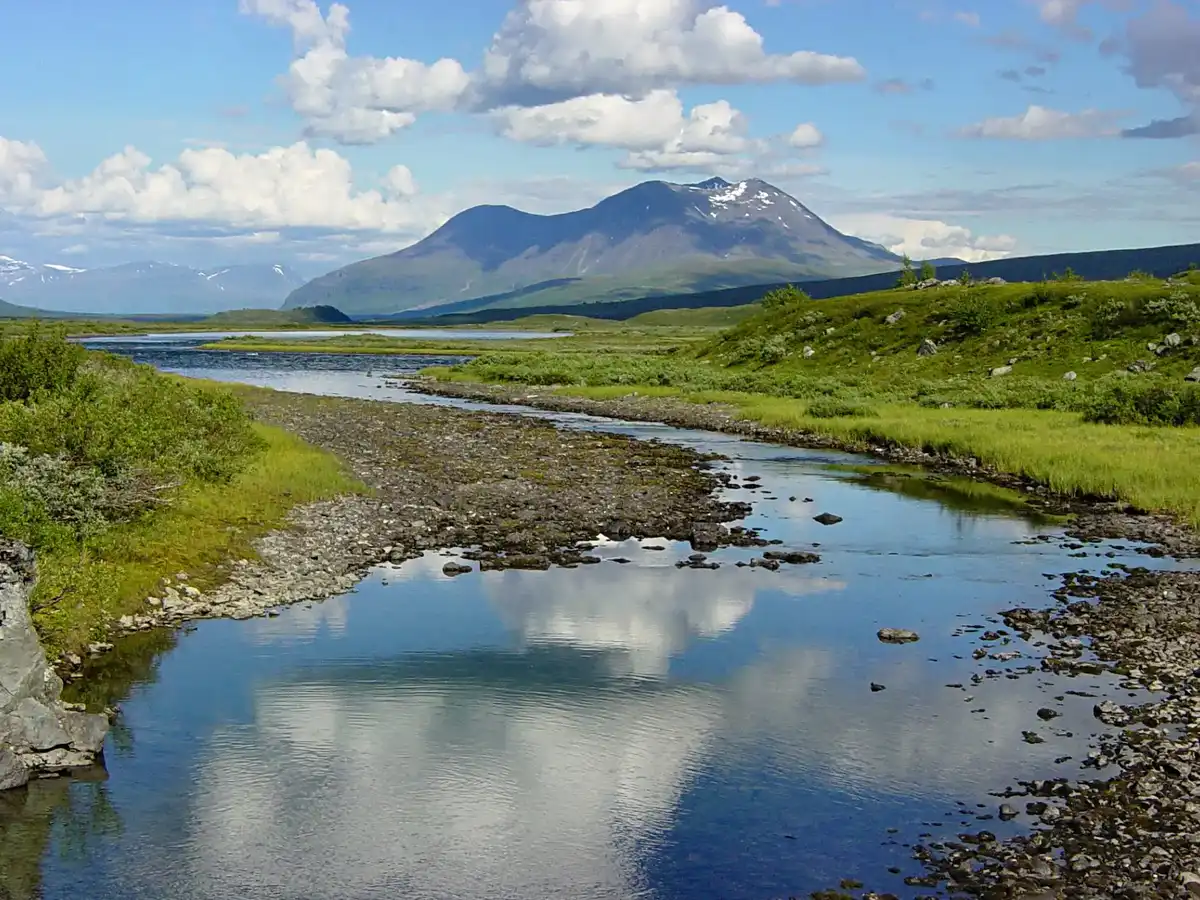
multi-day trekking should prioritize the northern mountain and forest parks. They cost more in time and logistics, with long approaches, but offer the real wilderness that Sweden is known for. Those with a short schedule, a smaller budget or limited fitness are better served by
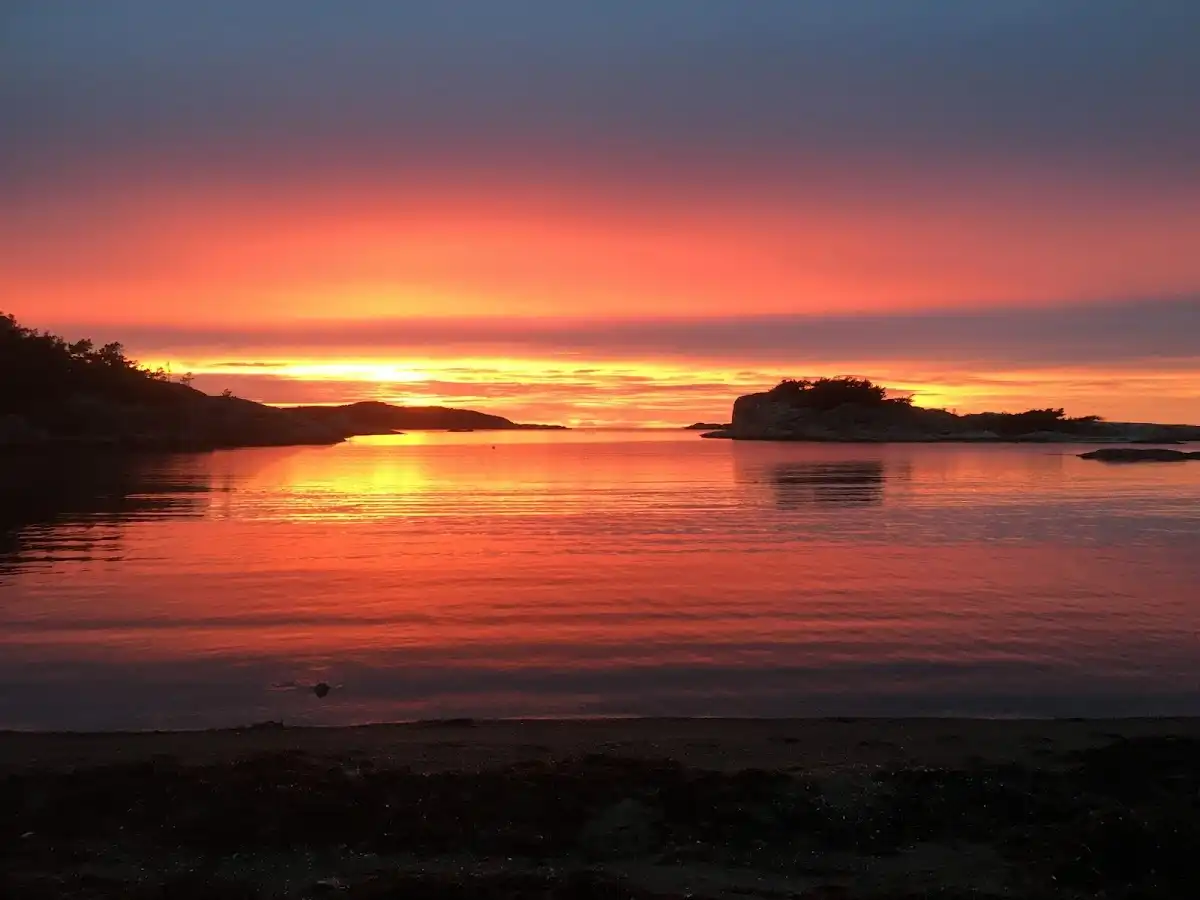
southern coastal and woodland parks. Day walks start close …
read more 👉 How many parks to visit: Three to five national parks is a sound number for a two to three week trip. That allows two or three days in each, and leaves time for weather delays and transport gaps. More than that turns the trip into a transit exercise, particularly where buses run only a few times a day. One large northern park and two or three compact southern ones gives a good contrast without excessive travel.
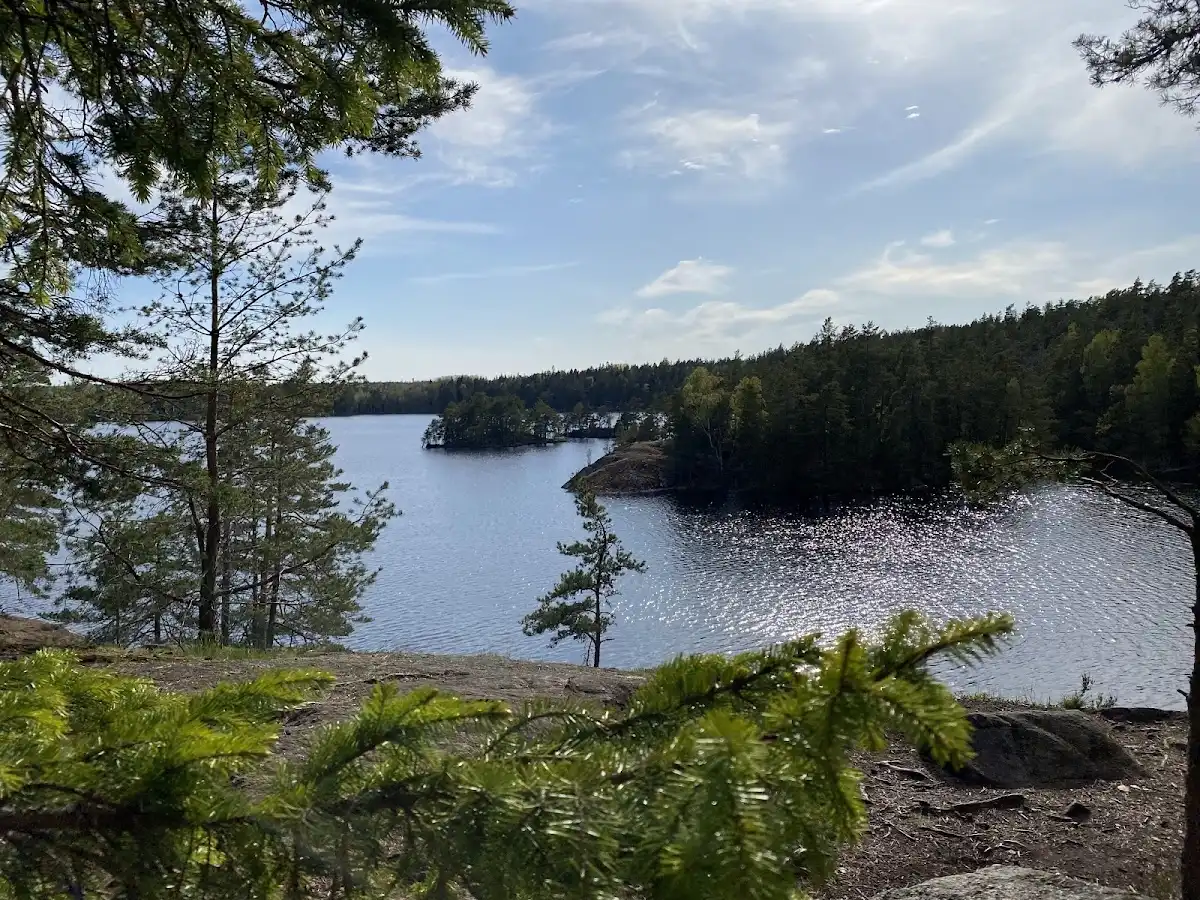
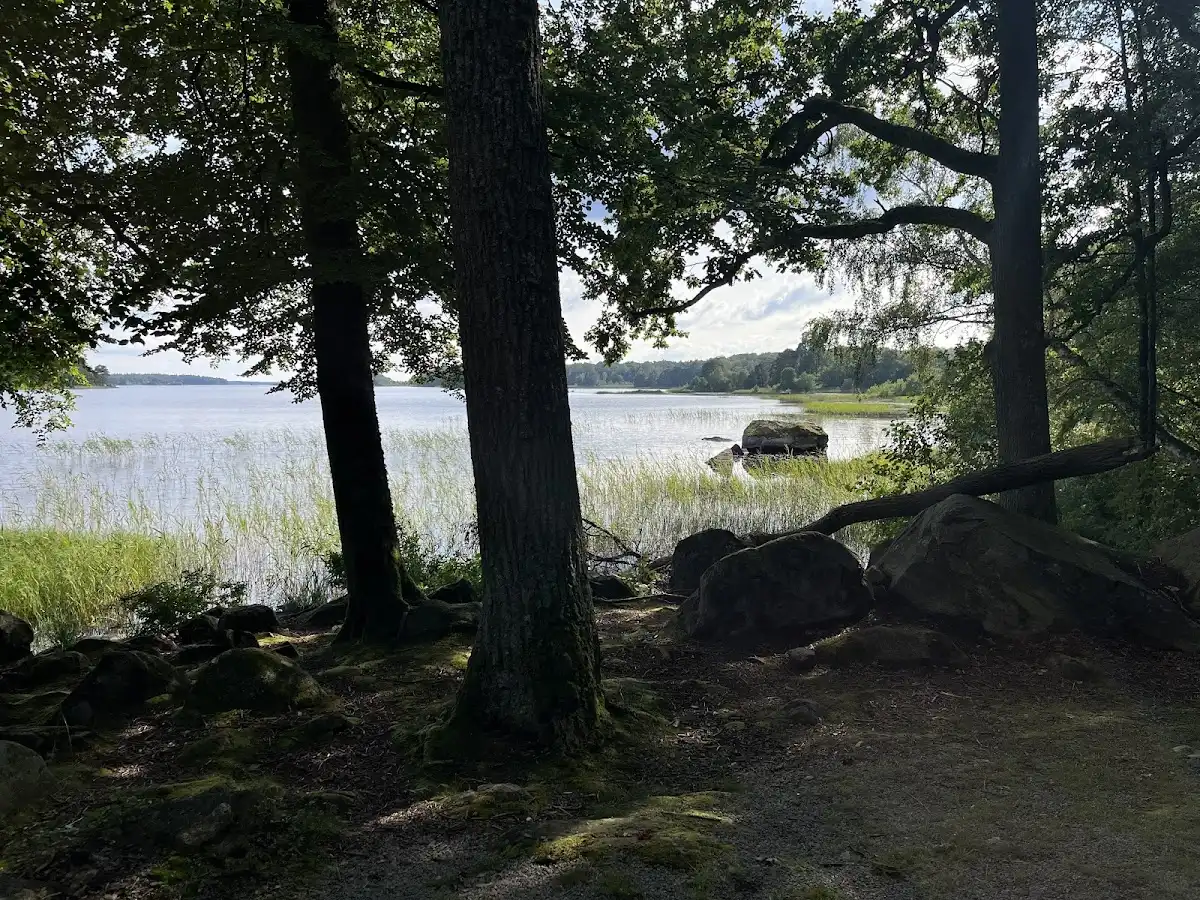
Which kind to prioritize: Backpackers who want multi-day trekking should prioritize the northern mountain and forest parks. They cost more in time and logistics, with long approaches, but offer the real wilderness that Sweden is known for. Those with a short schedule, a smaller budget or limited fitness are better served by southern coastal and woodland parks. Day walks start close to train or bus stops and need little gear. Paddlers and island visitors can take a middle route with boat-access parks, which cost a little extra for ferries but give a lot of landscape for little walking.
What it costs: Entry is free. A realistic budget is 800 to 1,400 SEK a day (about US$75 to 130) if you use huts, buy food in shops and take public transport. Camping with your own food can bring it down to 400 to 700 SEK (about US$38 to 65). Mountain hut beds in the north cost roughly 500 to 800 SEK a night for non-members, less for members of the Swedish Tourist Association (STF). Boat transfers and local buses run from 50 to 400 SEK per leg. Guided day trips typically cost 800 to 1,800 SEK. Food in the north is expensive, so stock up in a town supermarket before heading out. Per visit, most independent travelers spend 1,500 to 4,000 SEK (US$140 to 370) including transport.
Safety and etiquette: The main hazards are weather and distance. In the mountains, temperatures can fall near freezing even in July, and fog or rain can hide marked routes. Carry a map, a compass and a charged phone, as coverage is patchy. Stream crossings can be dangerous after rain or snowmelt. Mosquitoes and ticks are common in summer, so bring repellent and check skin after walking in grass or woodland. Wild animals such as moose and reindeer are best left alone, and reindeer in northern areas belong to Sami herders, so keep dogs leashed and stay clear of herds.
Under allemansrätten, camp at least a short distance from houses, for no more than a night or two in one place, and leave nothing behind. Fires are banned in many parks and during dry spells, so use a stove. Some areas have special rules on nesting seasons, with restricted access to islands and shores from spring to midsummer. Always check the park’s regulations on the Swedish Environmental Protection Agency’s website or the local sign.
v2.webp)





 Best Backpacking
.jpg) Hi, I’m Johan (Netherlands 🇳🇱), the creator of TakeYourBackpack. Over the past 3 decades, I’ve backpacked through 90+ countries across six continents, gaining extensive experience with independent travel, long-term trips, and overland routes.
Hi, I’m Johan (Netherlands 🇳🇱), the creator of TakeYourBackpack. Over the past 3 decades, I’ve backpacked through 90+ countries across six continents, gaining extensive experience with independent travel, long-term trips, and overland routes.