v2.webp)


1. Karlskrona Naval Museum (Marinmuseum)
Step onto the wooden pier and you’ll smell the brine of the Baltic before you even see the hulking submarines moored outside. This isn’t just a museum—it’s a living slice of Sweden’s maritime backbone. The main hall floats above the water, with glass floors revealing real shipwrecks below. Climb aboard a Cold War-era submarine, run your hands along the iron hull, and feel the claustrophobia of life beneath the waves. The exhibits are tactile, immersive, and surprisingly moving. Best in late morning, before the school groups arrive. Entry is about 150 SEK for adults; budget two to three hours if you want to see the underwater tunnel and the ship models in detail.
2. Stortorget & Fredrikskyrkan
Karlskrona’s main square is a lesson in Swedish symmetry … read more 👉
Step onto the wooden pier and you’ll smell the brine of the Baltic before you even see the hulking submarines moored outside. This isn’t just a museum—it’s a living slice of Sweden’s maritime backbone. The main hall floats above the water, with glass floors revealing real shipwrecks below. Climb aboard a Cold War-era submarine, run your hands along the iron hull, and feel the claustrophobia of life beneath the waves. The exhibits are tactile, immersive, and surprisingly moving. Best in late morning, before the school groups arrive. Entry is about 150 SEK for adults; budget two to three hours if you want to see the underwater tunnel and the ship models in detail.
2. Stortorget & Fredrikskyrkan
Karlskrona’s main square is a lesson in Swedish symmetry … read more 👉
1. Karlskrona Naval Museum (Marinmuseum)
Step onto the wooden pier and you’ll smell the brine of the Baltic before you even see the hulking submarines moored outside. This isn’t just a museum—it’s a living slice of Sweden’s maritime backbone. The main hall floats above the water, with glass floors revealing real shipwrecks below. Climb aboard a Cold War-era submarine, run your hands along the iron hull, and feel the claustrophobia of life beneath the waves. The exhibits are tactile, immersive, and surprisingly moving. Best in late morning, before the school groups arrive. Entry is about 150 SEK for adults; budget two to three hours if you want to see the underwater tunnel and the ship models in detail.
2. Stortorget & Fredrikskyrkan
Karlskrona’s main square is a lesson in Swedish symmetry and sunlit stone. The square itself is vast, ringed by pastel facades and the baroque Fredrikskyrkan, whose ochre towers catch the late afternoon light like a beacon. Step inside for the cool hush and the scent of old wood and candle wax. The square is at its best on a Saturday morning, when the market is in full swing and you can grab a cinnamon bun from a local bakery. Free to wander; allow 30-45 minutes for the church and a stroll, longer if you linger with coffee.
3. Bastion Aurora
This 17th-century fortification is more than a relic—it’s a vantage point. Climb the grassy ramparts and you’ll get a panoramic sweep of the harbor, the islands, and the shipyards that built Sweden’s naval might. In summer, wildflowers push through the old stone, and the air smells of salt and cut grass. It’s usually quiet, except for the occasional local walking a dog. Free entry, open year-round, but go at sunset for the best light. Thirty minutes is enough for the view, but bring a picnic and you’ll want to stay longer.
4. Blekinge Museum
This is where Karlskrona’s story gets personal. Housed in a former governor’s residence, the museum weaves together the region’s naval history with everyday life—think shipwright tools, folk costumes, and a reconstructed 18th-century street. The courtyard garden is a peaceful spot to catch your breath. Visit in the afternoon when the light slants through the old windows. Entry is free; an hour is plenty unless you’re a history buff.
5. Saltö Badplats (Saltö Beach)
A five-minute walk from the city center, Saltö Beach is where locals go to shake off the workweek. The sand is pale, the water brisk even in July, and the air smells faintly of pine and seaweed. There’s a diving tower for the brave, and flat rocks for sunbathing if you’re not. Early morning or late evening is best for solitude; high summer afternoons for people-watching. Free, and you can swim or just sprawl for as long as you like.
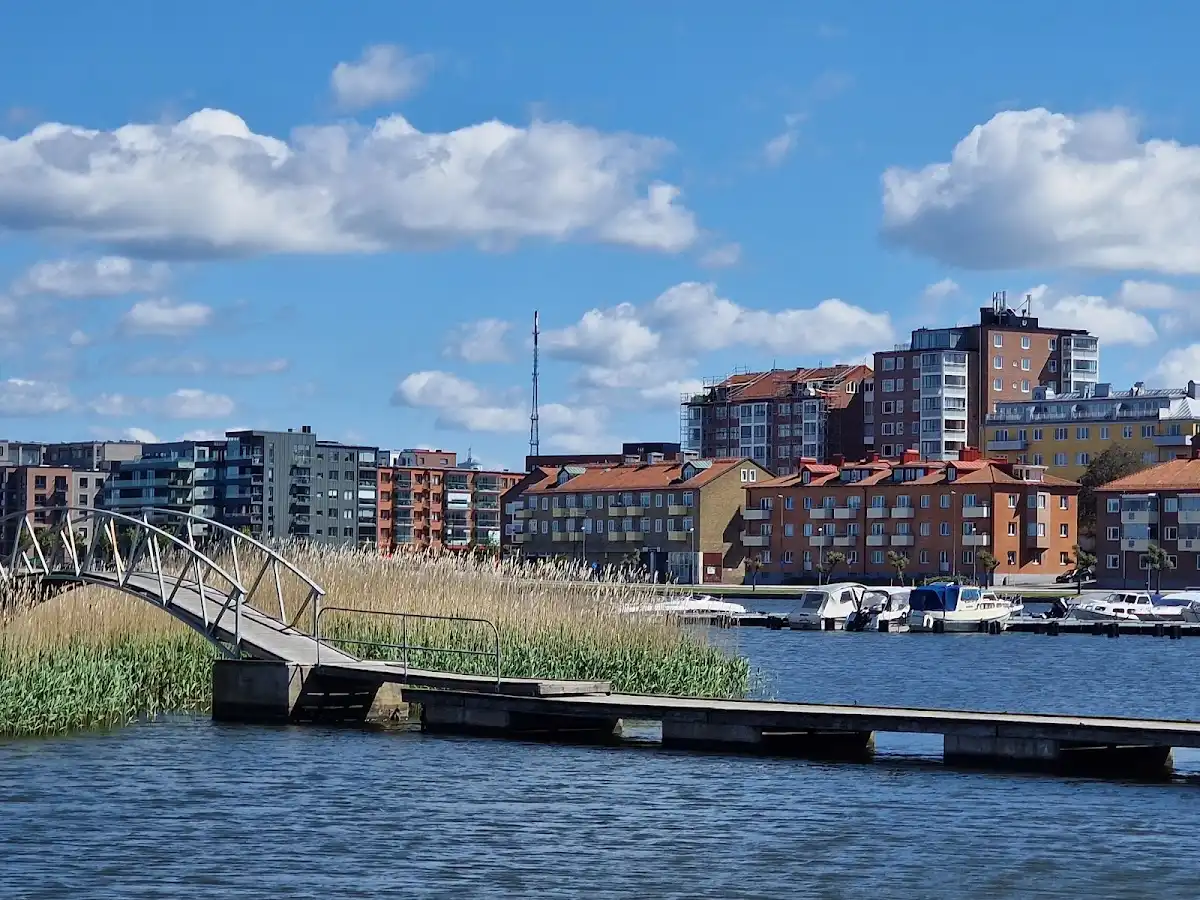
Karlskrona is a launchpad for island-hopping: Aspö’s fortress, the wild cliffs of Sturkö, and the forested trails of Tjurkö are all easy day trips. Aspö’s fortress is my personal favorite—bring a bike and you’ll feel like you’ve slipped into another century.
Step onto the wooden pier and you’ll smell the brine of the Baltic before you even see the hulking submarines moored outside. This isn’t just a museum—it’s a living slice of Sweden’s maritime backbone. The main hall floats above the water, with glass floors revealing real shipwrecks below. Climb aboard a Cold War-era submarine, run your hands along the iron hull, and feel the claustrophobia of life beneath the waves. The exhibits are tactile, immersive, and surprisingly moving. Best in late morning, before the school groups arrive. Entry is about 150 SEK for adults; budget two to three hours if you want to see the underwater tunnel and the ship models in detail.
2. Stortorget & Fredrikskyrkan
Karlskrona’s main square is a lesson in Swedish symmetry and sunlit stone. The square itself is vast, ringed by pastel facades and the baroque Fredrikskyrkan, whose ochre towers catch the late afternoon light like a beacon. Step inside for the cool hush and the scent of old wood and candle wax. The square is at its best on a Saturday morning, when the market is in full swing and you can grab a cinnamon bun from a local bakery. Free to wander; allow 30-45 minutes for the church and a stroll, longer if you linger with coffee.
3. Bastion Aurora
This 17th-century fortification is more than a relic—it’s a vantage point. Climb the grassy ramparts and you’ll get a panoramic sweep of the harbor, the islands, and the shipyards that built Sweden’s naval might. In summer, wildflowers push through the old stone, and the air smells of salt and cut grass. It’s usually quiet, except for the occasional local walking a dog. Free entry, open year-round, but go at sunset for the best light. Thirty minutes is enough for the view, but bring a picnic and you’ll want to stay longer.
4. Blekinge Museum
This is where Karlskrona’s story gets personal. Housed in a former governor’s residence, the museum weaves together the region’s naval history with everyday life—think shipwright tools, folk costumes, and a reconstructed 18th-century street. The courtyard garden is a peaceful spot to catch your breath. Visit in the afternoon when the light slants through the old windows. Entry is free; an hour is plenty unless you’re a history buff.
5. Saltö Badplats (Saltö Beach)
A five-minute walk from the city center, Saltö Beach is where locals go to shake off the workweek. The sand is pale, the water brisk even in July, and the air smells faintly of pine and seaweed. There’s a diving tower for the brave, and flat rocks for sunbathing if you’re not. Early morning or late evening is best for solitude; high summer afternoons for people-watching. Free, and you can swim or just sprawl for as long as you like.
Karlskrona is a launchpad for island-hopping: Aspö’s fortress, the wild cliffs of Sturkö, and the forested trails of Tjurkö are all easy day trips. Aspö’s fortress is my personal favorite—bring a bike and you’ll feel like you’ve slipped into another century.
Spotted a mistake or missing something? Contact us.
 Best Backpacking
.jpg) Hi, I’m Johan (Netherlands 🇳🇱), the creator of TakeYourBackpack. Over the past 3 decades, I’ve backpacked through 90+ countries across six continents, gaining extensive experience with independent travel, long-term trips, and overland routes.
Hi, I’m Johan (Netherlands 🇳🇱), the creator of TakeYourBackpack. Over the past 3 decades, I’ve backpacked through 90+ countries across six continents, gaining extensive experience with independent travel, long-term trips, and overland routes.