v2.webp)
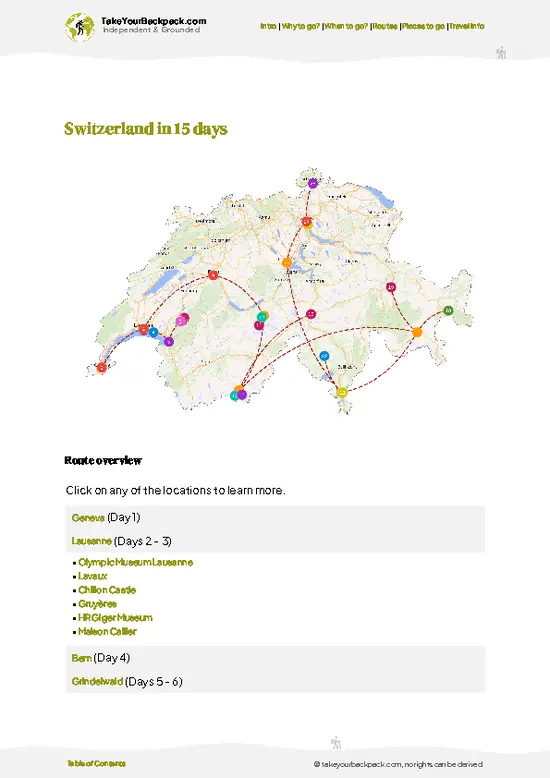
Altstadt (Old Town)
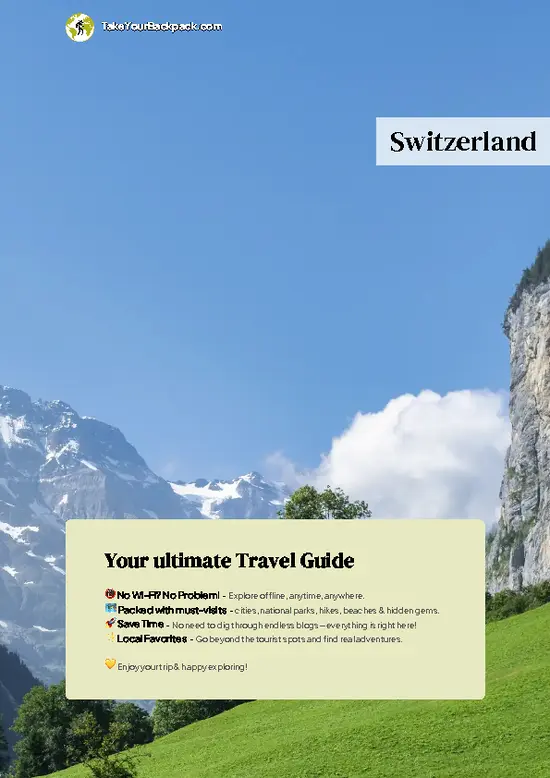
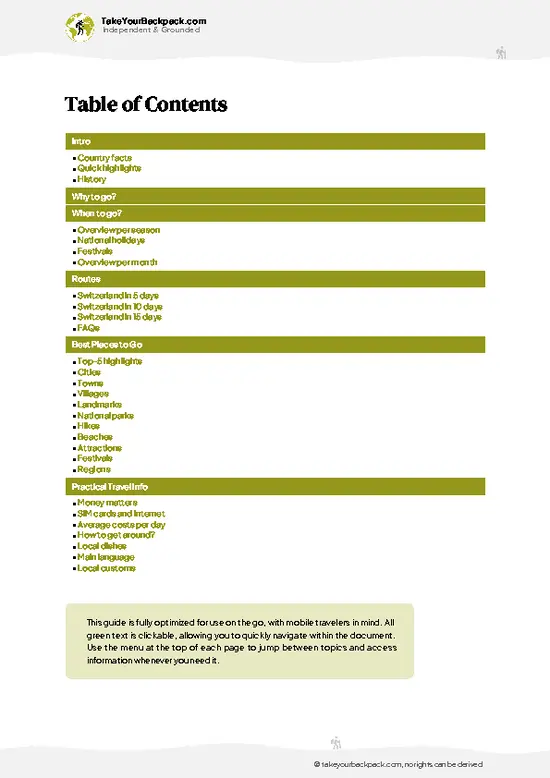
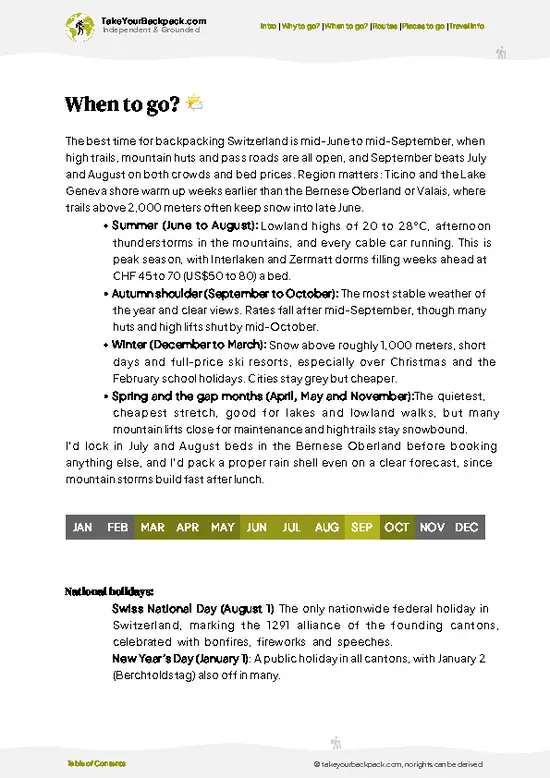
Chur’s Altstadt isn’t just a pretty face—it’s a living, breathing core where the Alps meet centuries of human ambition. The cobblestones are uneven, worn smooth by Roman sandals and medieval boots. You’ll smell fresh bread from tucked-away bakeries and hear the echo of church bells bouncing off pastel facades. This is the oldest city in Switzerland, and the layers show: Roman ruins peek out behind Renaissance fountains, and every alley seems to hide a story. The best time to wander is early morning, when the light is soft and the tour groups haven’t yet arrived. Free to explore; give yourself at least 1.5-2 hours if you want to do more than just snap a few photos.
St. Martin’s Church and Tower
You don’t have to be religious to appreciate the gravity of St. Martin’s. The … read more 👉
Chur’s Altstadt isn’t just a pretty face—it’s a living, breathing core where the Alps meet centuries of human ambition. The cobblestones are uneven, worn smooth by Roman sandals and medieval boots. You’ll smell fresh bread from tucked-away bakeries and hear the echo of church bells bouncing off pastel facades. This is the oldest city in Switzerland, and the layers show: Roman ruins peek out behind Renaissance fountains, and every alley seems to hide a story. The best time to wander is early morning, when the light is soft and the tour groups haven’t yet arrived. Free to explore; give yourself at least 1.5-2 hours if you want to do more than just snap a few photos.
St. Martin’s Church and Tower
You don’t have to be religious to appreciate the gravity of St. Martin’s. The … read more 👉
Altstadt (Old Town)
Chur’s Altstadt isn’t just a pretty face—it’s a living, breathing core where the Alps meet centuries of human ambition. The cobblestones are uneven, worn smooth by Roman sandals and medieval boots. You’ll smell fresh bread from tucked-away bakeries and hear the echo of church bells bouncing off pastel facades. This is the oldest city in Switzerland, and the layers show: Roman ruins peek out behind Renaissance fountains, and every alley seems to hide a story. The best time to wander is early morning, when the light is soft and the tour groups haven’t yet arrived. Free to explore; give yourself at least 1.5-2 hours if you want to do more than just snap a few photos.
St. Martin’s Church and Tower
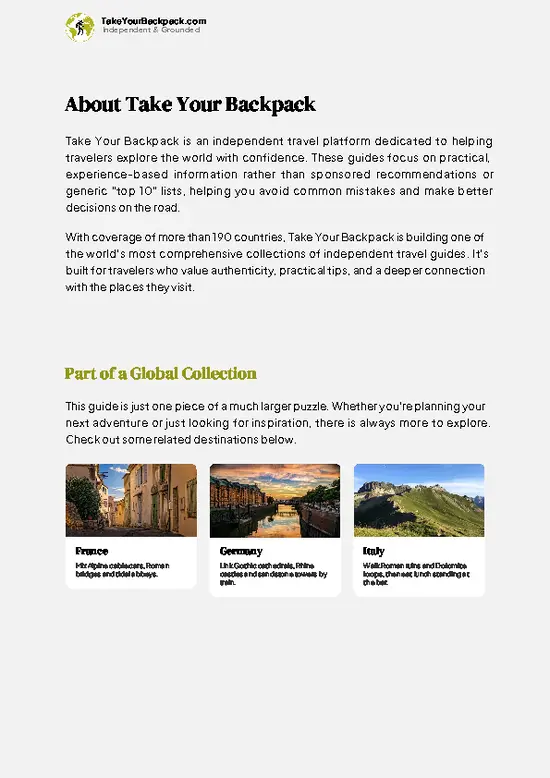
You don’t have to be religious to appreciate the gravity of St. Martin’s. The church’s gothic spire is the city’s compass, visible from almost every angle. Inside, the stained glass windows by Augusto Giacometti (yes, that Giacometti family) throw kaleidoscopic color across the stone floor—especially vivid on a sunny afternoon. Climb the tower for a panorama that rewards every step: the rooftops of Chur, the green sweep of the Rhine Valley, and the distant teeth of the Alps. Entry to the church is free; tower climb costs a few francs (under CHF 5). Allow 45-60 minutes.
Rätisches Museum
If you want to understand why Chur matters, the Rätisches Museum is your shortcut. Housed in a 17th-century patrician mansion, it’s a tactile journey through Graubünden’s past: Roman helmets, ancient tools, and the odd, haunting artifact from the region’s pagan days. The exhibits are compact but dense with detail, and the building itself creaks with history. Go on a rainy day or in the late afternoon when the crowds thin. Entry is around CHF 8. Plan for about an hour.
Arcas Square
Arcas isn’t just a pretty plaza—it’s the city’s living room. Locals sip coffee under chestnut trees, kids chase pigeons, and the surrounding houses glow with pastel colors that shift as the sun moves. There’s a rhythm here: market mornings, lazy afternoons, and the occasional festival that spills out into the square. Grab a seat at a café and watch Chur unfold around you. Free, unless you’re tempted by the gelato or a glass of local wine. Stay as long as you like, but 30-45 minutes is enough to soak up the atmosphere.
Bündner Kunstmuseum (Grisons Art Museum)
This isn’t your average regional art museum. The Bündner Kunstmuseum is a collision of old and new—its historic villa is now fused with a sleek, modern extension. Inside, you’ll find works by the Giacometti clan, Segantini, and contemporary Swiss artists who wrestle with the Alpine landscape in paint and sculpture. The galleries are intimate, the curation sharp, and the building itself is worth the visit. Go in the late morning for quiet contemplation. Entry is CHF 15. Give yourself 1-1.5 hours.
Chur is a launchpad for adventure: the Bernina Express, the vineyards of Maienfeld, and the dramatic Rhine Gorge are all within easy reach. For me, hiking the Rhine Gorge—Switzerland’s own “Grand Canyon”—is the day trip that never gets old.
Chur’s Altstadt isn’t just a pretty face—it’s a living, breathing core where the Alps meet centuries of human ambition. The cobblestones are uneven, worn smooth by Roman sandals and medieval boots. You’ll smell fresh bread from tucked-away bakeries and hear the echo of church bells bouncing off pastel facades. This is the oldest city in Switzerland, and the layers show: Roman ruins peek out behind Renaissance fountains, and every alley seems to hide a story. The best time to wander is early morning, when the light is soft and the tour groups haven’t yet arrived. Free to explore; give yourself at least 1.5-2 hours if you want to do more than just snap a few photos.
St. Martin’s Church and Tower
You don’t have to be religious to appreciate the gravity of St. Martin’s. The church’s gothic spire is the city’s compass, visible from almost every angle. Inside, the stained glass windows by Augusto Giacometti (yes, that Giacometti family) throw kaleidoscopic color across the stone floor—especially vivid on a sunny afternoon. Climb the tower for a panorama that rewards every step: the rooftops of Chur, the green sweep of the Rhine Valley, and the distant teeth of the Alps. Entry to the church is free; tower climb costs a few francs (under CHF 5). Allow 45-60 minutes.
Rätisches Museum
If you want to understand why Chur matters, the Rätisches Museum is your shortcut. Housed in a 17th-century patrician mansion, it’s a tactile journey through Graubünden’s past: Roman helmets, ancient tools, and the odd, haunting artifact from the region’s pagan days. The exhibits are compact but dense with detail, and the building itself creaks with history. Go on a rainy day or in the late afternoon when the crowds thin. Entry is around CHF 8. Plan for about an hour.
Arcas Square
Arcas isn’t just a pretty plaza—it’s the city’s living room. Locals sip coffee under chestnut trees, kids chase pigeons, and the surrounding houses glow with pastel colors that shift as the sun moves. There’s a rhythm here: market mornings, lazy afternoons, and the occasional festival that spills out into the square. Grab a seat at a café and watch Chur unfold around you. Free, unless you’re tempted by the gelato or a glass of local wine. Stay as long as you like, but 30-45 minutes is enough to soak up the atmosphere.
Bündner Kunstmuseum (Grisons Art Museum)
This isn’t your average regional art museum. The Bündner Kunstmuseum is a collision of old and new—its historic villa is now fused with a sleek, modern extension. Inside, you’ll find works by the Giacometti clan, Segantini, and contemporary Swiss artists who wrestle with the Alpine landscape in paint and sculpture. The galleries are intimate, the curation sharp, and the building itself is worth the visit. Go in the late morning for quiet contemplation. Entry is CHF 15. Give yourself 1-1.5 hours.
Chur is a launchpad for adventure: the Bernina Express, the vineyards of Maienfeld, and the dramatic Rhine Gorge are all within easy reach. For me, hiking the Rhine Gorge—Switzerland’s own “Grand Canyon”—is the day trip that never gets old.
Spotted a mistake or missing something? Contact us.

3 Hour Unique Wine Tour - Half Day in Swiss Alps

Private Tour of Chur in 90 minutes with a Local

Discover Chur’s most Photogenic Spots with a Local

Guided tour through the old town of Chur in German

Chur Self-Guided City Walking Tour & Scavenger Hunt

Private Photoshoot in Chur Swiss Alps Vacation Photography
Historic Chur: Exclusive Private Tour with a Local

Explore Chur’s Art and Culture with a Local

Architectural Chur: Private Tour with a Local Expert


 Best Backpacking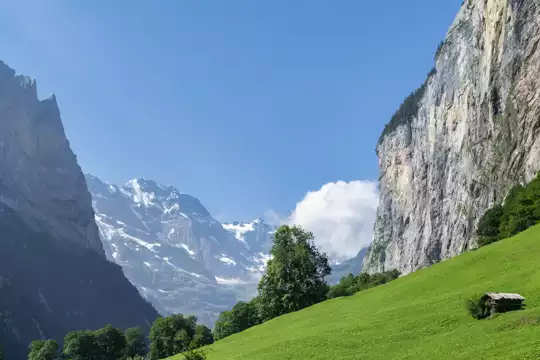
.jpg) Hi, I’m Johan (Netherlands 🇳🇱), the creator of TakeYourBackpack. Over the past 3 decades, I’ve backpacked through 90+ countries across six continents, gaining extensive experience with independent travel, long-term trips, and overland routes.
Hi, I’m Johan (Netherlands 🇳🇱), the creator of TakeYourBackpack. Over the past 3 decades, I’ve backpacked through 90+ countries across six continents, gaining extensive experience with independent travel, long-term trips, and overland routes.