v2.webp)
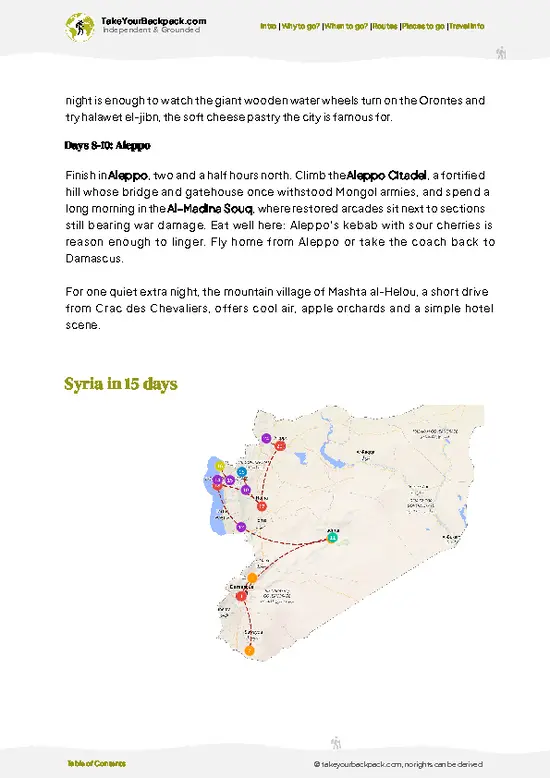
- Al-Qamishli Central Souq (Old Market) — The beating heart of the city: narrow alleys, fresh produce stalls, spice sellers and small cloth shops. Great for people-watching and tasting street food (and practicing haggling in broken Arabic or Kurdish).
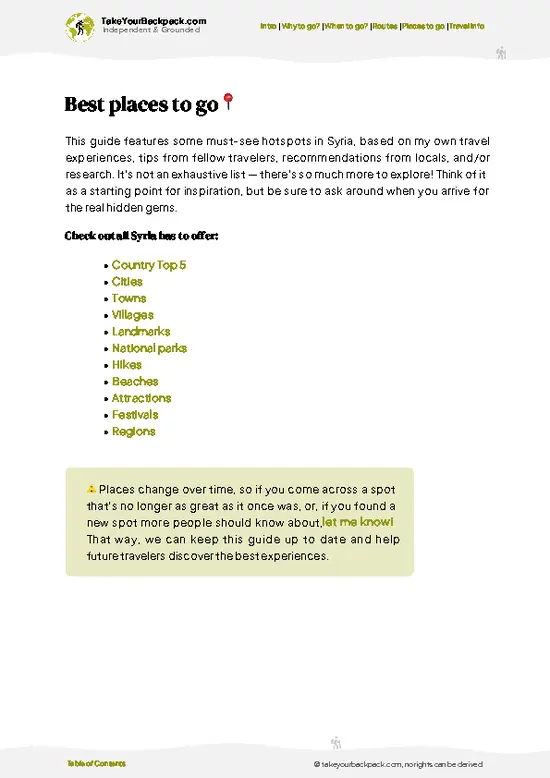
- Christian Quarter and Its Churches — A compact neighborhood where Assyrian/Syriac and Armenian communities have long lived. Visiting the neighborhood’s churches and side streets gives a clear sense of the city’s multi-ethnic history and everyday religious life.
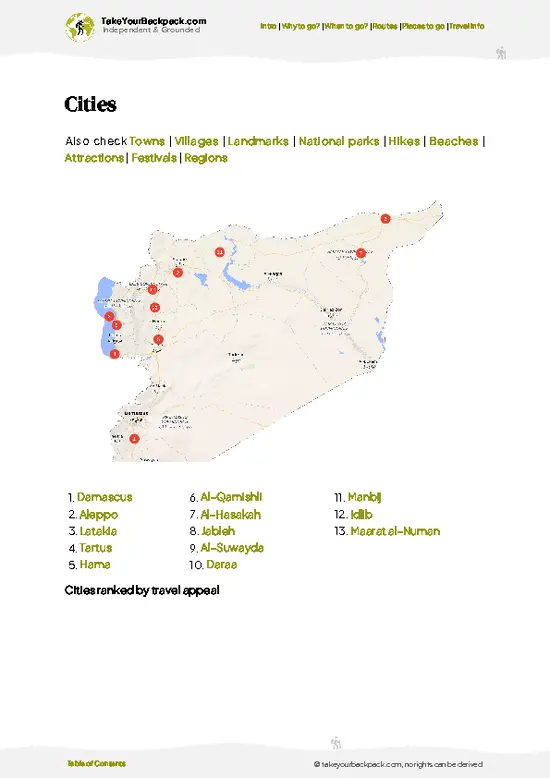
- Old French-era Buildings and Railway Remnants — Scattered colonial-period architecture and an old railway terminus recall Qamishli’s growth under the Mandate. Not a single museum piece, but visually striking and worth a slow walk with a camera.
- Municipal Park and Riverside Promenades
- Al-Qamishli Central Souq (Old Market) — The beating heart of the city: narrow alleys, fresh produce stalls, spice sellers and small cloth shops. Great for people-watching and tasting street food (and practicing haggling in broken Arabic or Kurdish).
- Christian Quarter and Its Churches — A compact neighborhood where Assyrian/Syriac and Armenian communities have long lived. Visiting the neighborhood’s churches and side streets gives a clear sense of the city’s multi-ethnic history and everyday religious life.
- Old French-era Buildings and Railway Remnants — Scattered colonial-period architecture and an old railway terminus recall Qamishli’s growth under the Mandate. Not a single museum piece, but visually striking and worth a slow walk with a camera.
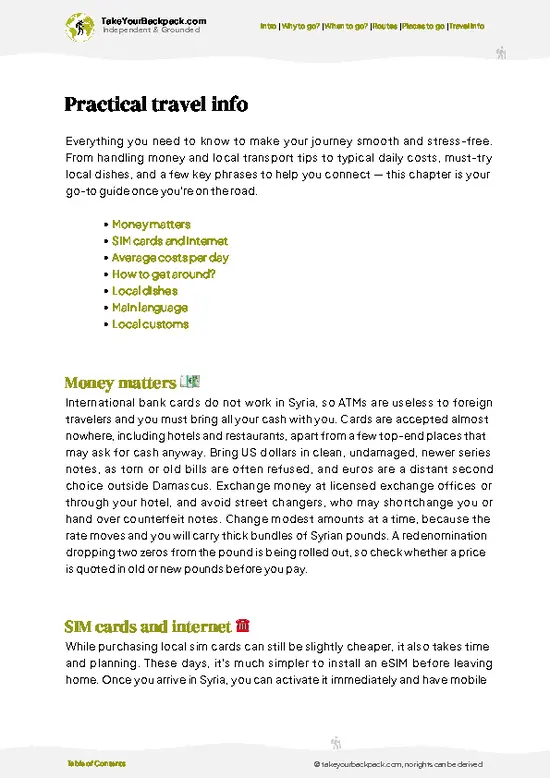
- Municipal Park and Riverside Promenades — The city parks and tree-lined avenues are where locals take their evenings. Small, calm and useful as a break from the bustle — good for a picnic and local chatter.
- Kurdish Cultural Centers and Local Arts Halls — Small cultural hubs where you can catch music, poetry nights or exhibitions focused on local languages and crafts. They give a window into contemporary Kurdish and Jazira cultural life.
- Qamishli Airport (Qamishli National Airport) — Functional and low-key, the airport is a practical entry point to the region and worth noting for logistical planning rather than sightseeing.
- Ethnic Neighborhoods: Armenian and Assyrian Streets — Beyond churches, these quarters have distinctive bakeries, family-run shops and traditional houses that convey the city’s layered identity if you stroll them respectfully.
- Local Tea Houses and Coffee Streets — Simple cafés where men and women gather for tea, backgammon and conversation. Small, social, and essential for getting a real feel for daily life in Qamishli.
- Border Market Area (near the Turkish frontier) — The commercial zone serving cross-border trade (when open) is lively and revealing: a practical look at how frontier economies function here. Access rules vary, so check locally before going.
- City-run Cultural Exhibitions and Small Museums — Modest local displays and temporary exhibitions (often in community centers or municipal buildings) that showcase regional history, traditional costumes and agricultural tools — low on polish but high on local stories.
Spotted a mistake or missing something? Contact us.

 Best Backpacking
.jpg) Hi, I’m Johan (Netherlands 🇳🇱), the creator of TakeYourBackpack. Over the past 3 decades, I’ve backpacked through 90+ countries across six continents, gaining extensive experience with independent travel, long-term trips, and overland routes.
Hi, I’m Johan (Netherlands 🇳🇱), the creator of TakeYourBackpack. Over the past 3 decades, I’ve backpacked through 90+ countries across six continents, gaining extensive experience with independent travel, long-term trips, and overland routes.