v2.webp)
- Old Market (Souq al-Manbij) — the heart of the city: narrow alleys, fruit and spice stalls, small food vendors and bartering. It’s the best place to overhear local life, try street food, and watch trades that haven’t changed much in decades.
- Sajur River banks and bridges — a short riverside walk that gives you a quieter, greener side of Manbij. Locals fish, families picnic and there are simple wooden bridges and riverside cafés that are great for low-key people-watching.
- Manbij citadel / old city tell — the raised mound and remaining fragments of walls that mark the medieval/earlier footprint of the town. No blockbuster ruins, but a compact place to understand the city’s long layering and to get a lookout over the old neighbourhoods.
- Site markers and traces of Hierapolis-Bambyce (Atargatis
- Old Market (Souq al-Manbij) — the heart of the city: narrow alleys, fruit and spice stalls, small food vendors and bartering. It’s the best place to overhear local life, try street food, and watch trades that haven’t changed much in decades.
- Sajur River banks and bridges — a short riverside walk that gives you a quieter, greener side of Manbij. Locals fish, families picnic and there are simple wooden bridges and riverside cafés that are great for low-key people-watching.
- Manbij citadel / old city tell — the raised mound and remaining fragments of walls that mark the medieval/earlier footprint of the town. No blockbuster ruins, but a compact place to understand the city’s long layering and to get a lookout over the old neighbourhoods.
- Site markers and traces of Hierapolis-Bambyce (Atargatis sanctuary) — Manbij sits on top of an ancient cult center once famous for the goddess Atargatis. Visible surface remains and scattered stones in and around the old quarters are the tangible link to that deep past; useful if you like archaeology without the crowds.
- Grand Mosque (Jami’ of Manbij) — the main mosque in the city’s core, important for both architecture and daily life. Visiting around prayer times gives a real sense of community rhythms and traditional mosque courtyards.
- Traditional hammam in the old quarter — simple, unglitzy public baths still used by locals. A cultural and sensory experience (steam, scrubs, tea) — a practical way to slow down, meet people and see traditional urban customs up close.
- Municipal/Local antiquities displays — small civic collections and municipal displays (often modest) that gather finds from nearby tells and the city. Not a big museum, but useful for context: pottery, coins and plaques that tell the story of the plain.
- Ottoman-era lanes and courtyard houses — the old residential quarters with carved wooden doors, inner courtyards and a scale of living that feels tangible compared with the modern grid. Good for slow wandering and photography (ask before entering private homes).
- Handicraft and textile workshops — small family-run weaving and embroidery stalls clustered near the market. You’ll see carpets, loose-loom weaving and embroidered garments — a way to support local makers and learn about techniques passed down regionally.
- Community squares, street murals and contemporary memorial sites — public squares where people gather, often with murals, memorials or recent public art that reflect local memory and resilience. They’re less “tourist attraction” and more a window into current civic life.
Spotted a mistake or missing something? Contact us.

 Best Backpacking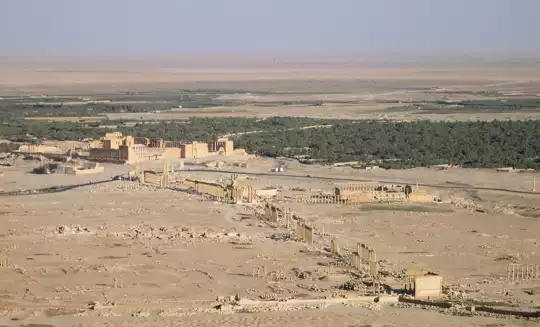
.jpg) Hi, I’m Johan (Netherlands 🇳🇱), the creator of TakeYourBackpack. Over the past decade, I’ve backpacked through 80+ countries across six continents, gaining extensive experience with independent travel, long-term trips, and overland routes.
Hi, I’m Johan (Netherlands 🇳🇱), the creator of TakeYourBackpack. Over the past decade, I’ve backpacked through 80+ countries across six continents, gaining extensive experience with independent travel, long-term trips, and overland routes.