v2.webp)
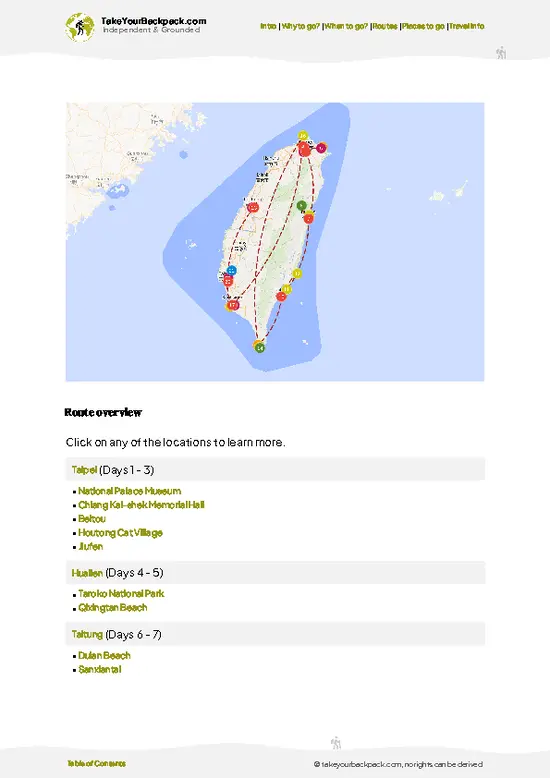

- Guanziling Mud Hot Springs — The town’s signature attraction: warm, mineral-rich mud and spring water you can bathe in. It’s a tactile, slightly messy experience that’s actually rare worldwide and what most people come here for.
- Mud volcano fields (泥火山) — Patches of bubbling clay and steaming vents where the mud “breathes.” Walk close enough to see the vents and textures up close; it’s geology you can practically touch.
- Guanziling Scenic Area / Hot Spring Park — A compact landscape of trails, terraces and lookout points built around the hot-spring valley. Good for easy walks, photography, and getting a feel for how the hot springs sit in the hills.
- Main hot-spring street & public bathhouses — The low-key spine of the town: small bathhouses, public foot baths and rustic storefronts. Try
- Guanziling Mud Hot Springs — The town’s signature attraction: warm, mineral-rich mud and spring water you can bathe in. It’s a tactile, slightly messy experience that’s actually rare worldwide and what most people come here for.
- Mud volcano fields (泥火山) — Patches of bubbling clay and steaming vents where the mud “breathes.” Walk close enough to see the vents and textures up close; it’s geology you can practically touch.
- Guanziling Scenic Area / Hot Spring Park — A compact landscape of trails, terraces and lookout points built around the hot-spring valley. Good for easy walks, photography, and getting a feel for how the hot springs sit in the hills.
- Main hot-spring street & public bathhouses — The low-key spine of the town: small bathhouses, public foot baths and rustic storefronts. Try a public soak or dip your feet while grabbing street snacks—very local, very social.
- Valley observation decks — A handful of simple viewing platforms that look over the hot-spring valley and rice terraces. Sunrise or foggy mornings make the mud pools and roofs look cinematic—bring a jacket and a camera.
- Guanziling old-street food stalls — Not a glossy night market, but a cluster of stalls and small eateries serving hot-spring eggs, bamboo rice and other regional bites. Tasting local snacks here gives the place its flavor (literally).
- Traditional hot-spring inns and public baths — Even if you don’t stay overnight, many inns welcome day visitors to their public baths. The older ryokan-style places have character and an atmosphere you won’t get in a chain spa.
- Visitor information point / hot-spring cultural displays — Small local info centers or panels that explain the mud springs’ geology and the town’s history. Short, helpful context that makes the mud and temples mean more when you visit them.
- Short nature walks and nearby tea/banana terraces — Easy trails and farm paths around town where you can stretch your legs, spot local agriculture and see how the landscape supports the hot-spring community.
- Local temples and shrines — Modest but active temples tucked into the hot-spring neighborhood. Visiting one gives insight into local religious life, seasonal festivals and how communities center themselves around the springs.
Spotted a mistake or missing something? Contact us.

 Best Backpacking
.jpg) Hi, I’m Johan (Netherlands 🇳🇱), the creator of TakeYourBackpack. Over the past 3 decades, I’ve backpacked through 90+ countries across six continents, gaining extensive experience with independent travel, long-term trips, and overland routes.
Hi, I’m Johan (Netherlands 🇳🇱), the creator of TakeYourBackpack. Over the past 3 decades, I’ve backpacked through 90+ countries across six continents, gaining extensive experience with independent travel, long-term trips, and overland routes.