×

Tanzania🇹🇿 | festivalsMaKuYa FestivalMapiko masks, Makonde carvers, Mtwara, cashew-country food | things to do and best time to go

Explore Lushoto Cultural Tourism FestivalExplore Wanyambo Festival

Backpacking in MaKuYa
👌 Worth visitingfestival ranked #10
By Johan Kruseman 🇳🇱 | Updated October 22, 2026

MaKuYa Festival takes its name from three peoples, the Makonde, Makua and Yao, so it is a showcase of southeastern Tanzanian culture rather than a pop concert with a headline act. It happens in Mtwara, in the far south of Tanzania near the Mozambique border. Expect masked dancers, drum ensembles, carvers, food stalls and a mostly local crowd, with few foreign faces. Book a bed early, because Mtwara has limited rooms once the festival fills them. Carry enough Tanzanian shillings, since card machines are scarce. Allow slack in your onward bus plans, as southern roads run late. Keep your camera ready when a mapiko dancer lunges out of the crowd in a full wooden mask.

Discover everything you want to know in the 📖 Tanzania Travel Guide.


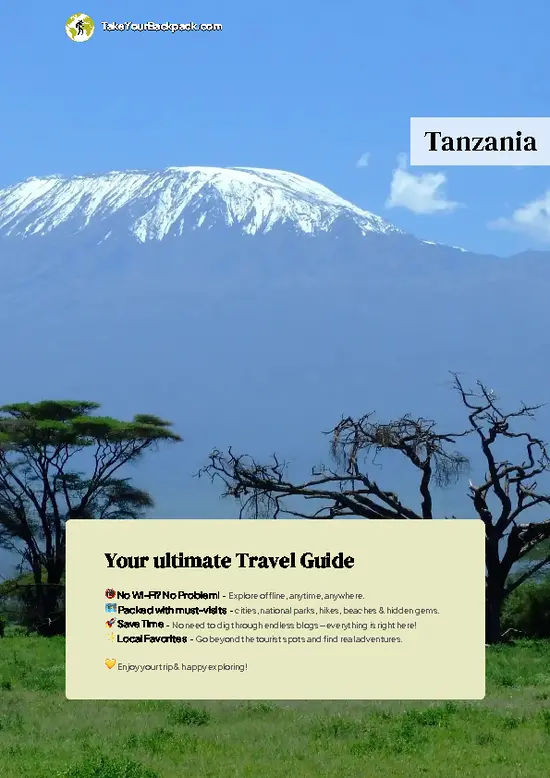
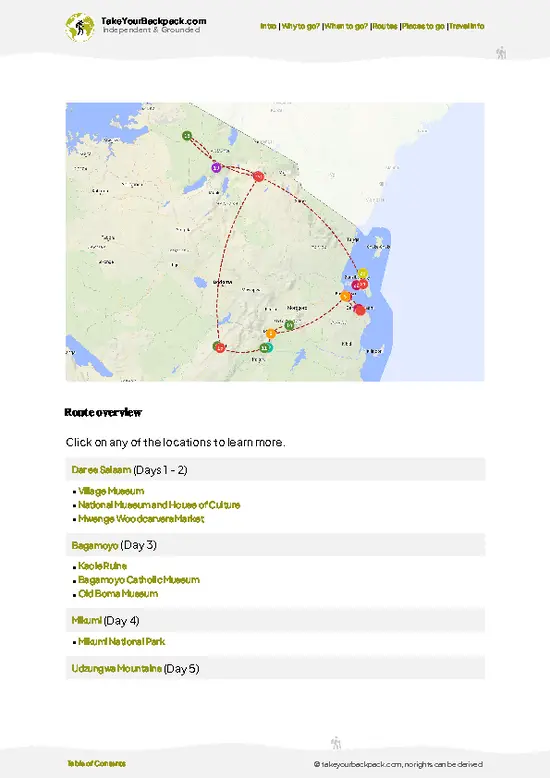
example page 0 from our offline Travel Guide for Tanzania
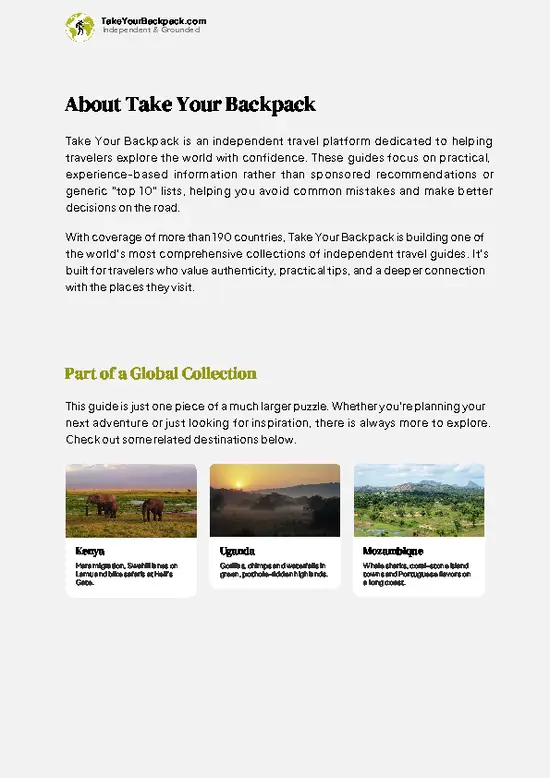
example page 1 from our offline Travel Guide for Tanzania
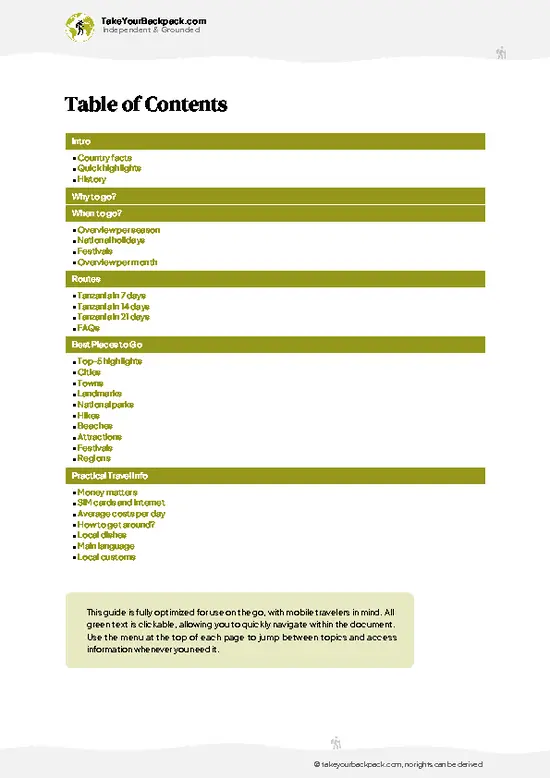
example page 2 from our offline Travel Guide for Tanzania
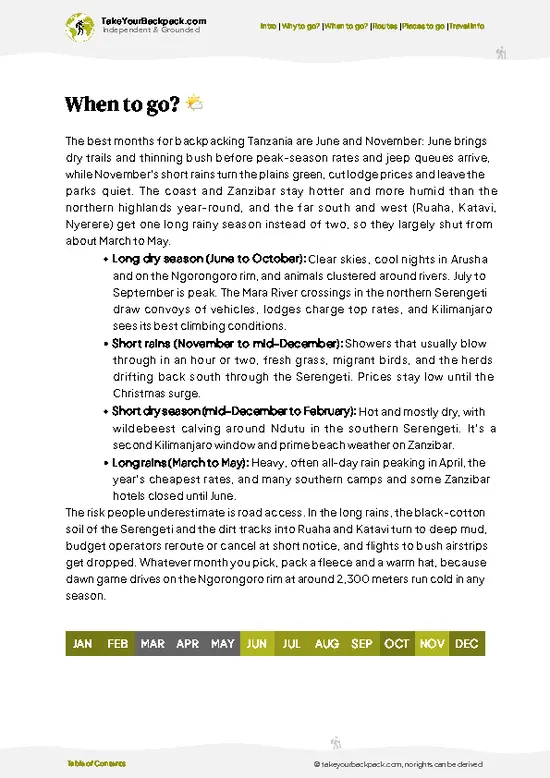
example page 3 from our offline Travel Guide for Tanzania
example page 4 from our offline Travel Guide for Tanzania
example page 5 from our offline Travel Guide for Tanzania
example page 6 from our offline Travel Guide for Tanzania
example page 7 from our offline Travel Guide for Tanzania
Loading the map 🌍
CLICK TO FILTER
cities
towns
landmarks
national parks
hikes
beaches
attractions
festivals
regions
SHOW COUNTRY’S BESTSHOW ALL

✨ Why go?
Ranked #10 festival in Tanzania
Why MaKuYa should be on your travel list

MaKuYa Festival gives you something the northern safari circuit never will: a Mtwara gathering of Makonde, Makua and Yao communities who dance, cook and trade in front of you without a tour-bus script. Backpackers route around it because the south is quiet most of the year, and here you meet hundreds of people in a few days. Strangers become friends over shared plates and drumming circles, and nobody treats you as a walk-up customer. It also anchors a longer southern loop, since the coast, Mikindani’s old Swahili streets and the border with Mozambique sit close enough to add on. Compared with big-name festivals elsewhere in East Africa, this one stays small, local and easy on the wallet.

💡 HighlightsMust-see experiences and standout moments

  1. Mapiko masked dances: The Makonde masquerade is the festival’s signature. Dancers in carved wooden helmet masks move to hard drumming, and the crowd presses in and shouts. It is loud, theatrical and a little eerie.
  2. Makonde carving displays: Makonde artists are known across East Africa for ebony sculpture. Watch carvers work the dense dark wood and pick up small pieces straight from the maker.
  3. Makua and Yao ngoma drumming: Each group brings its own rhythms, costumes and song styles. Standing between performances, you start to hear the difference between them.
  4. Coastal food stalls: Southern cooking leans on coconut, cassava, fish and cashews, since Mtwara is cashew country. Graze through the stalls and ask what each dish is.
  5. Mikindani Old Town: Just outside Mtwara, this historic Swahili coast settlement
… read more 👉
  1. Mapiko masked dances: The Makonde masquerade is the festival’s signature. Dancers in carved wooden helmet masks move to hard drumming, and the crowd presses in and shouts. It is loud, theatrical and a little eerie.
  2. Makonde carving displays: Makonde artists are known across East Africa for ebony sculpture. Watch carvers work the dense dark wood and pick up small pieces straight from the maker.
  3. Makua and Yao ngoma drumming: Each group brings its own rhythms, costumes and song styles. Standing between performances, you start to hear the difference between them.
  4. Coastal food stalls: Southern cooking leans on coconut, cassava, fish and cashews, since Mtwara is cashew country. Graze through the stalls and ask what each dish is.
  5. Mikindani Old Town: Just outside Mtwara, this historic Swahili coast settlement has a restored German-era fort and quiet lanes. It is the calm counterpart to the festival grounds.
MaKuYa Festival pairs well with Mikindani Old Town in one day: wander the old streets while it is cool, then return for the evening mapiko and drumming.
Spotted a mistake or missing something? Contact us.

🌤️ When to go?When is the celebration of MaKuYa Festival?

MaKuYa Festival is held in Mtwara Region in southern Tanzania, usually over a few days in late August or September, with the exact dates announced each year.
  • Best day: The opening night sets the mood, but the main weekend night has the biggest crowds and the loudest dancing.
  • Weather: Expect dry, humid coastal heat of about 24 to 31°C (75 to 88°F), with almost no rain. Bring a hat, sunscreen, a light layer for the sea breeze and a refillable bottle.
  • Booking: Reserve beds two to four weeks ahead. Rates in town can rise by 20 to 40 percent on the main nights.
  • Roads: Arrive a day early. Buses and minibuses fill on the last afternoon, so leave the morning after the closing night.
Book your return seat before the festival starts, not after the final set.

source: climatestotravel.comJANJanuary: not recommended for travelingFEBFebruary: not recommended for travelingMARMarch: not recommended for travelingAPRApril: not recommended for travelingMAYMay: not recommended for travelingJUNJune: excellent for travelingJULJuly: not recommended for travelingAUGAugust: not recommended for travelingSEPSeptember: not recommended for travelingOCTOctober: not recommended for travelingNOVNovember: not recommended for travelingDECDecember: not recommended for traveling

✈️ The backpacker research shortcutTanzania Travel Guide

An offline-friendly backpacking guide with optimized travel routes, ranked highlights, transport advice, and the best areas to stay.
example page 0 from our offline Travel Guide for Tanzania
example page 1 from our offline Travel Guide for Tanzania
example page 2 from our offline Travel Guide for Tanzania
example page 3 from our offline Travel Guide for Tanzania
example page 4 from our offline Travel Guide for Tanzania
example page 5 from our offline Travel Guide for Tanzania
example page 6 from our offline Travel Guide for Tanzania
example page 7 from our offline Travel Guide for Tanzania
The digital guide (396 pages) contains:
✅ 103 highlights, ranked by travel appeal
✅ Optimized 7, 14 & 21-day travel routes
✅ Cities, national parks, landmarks, beaches
✅ How to get around
✅ Offline-friendly for travel without Wi-Fi
👉 Click to see all 30+ guide features

📅 Plan smarter in minutes, not weeks
✅ Month by month travel advice
✅ Festivals & national holidays
✅ Budget expectations

🗺️ Go to the right places, skip the overrated ones
✅ Honest pros & cons of destinations
✅ Top hikes, parks & viewpoints
✅ Lesser-known places most travelers miss
✅ Clear “worth it vs skip it” guidance

🛏️ Travel smoothly without rookie mistakes
✅ Best areas to stay
✅ Transport systems explained simply
✅ Common scams & safety advice
✅ SIM cards, money & practical tips

🌍 Understand the country, not just visit it
✅ Culture & traditions
✅ 52 Essential phrases & customs
✅ Festivals worth planning around
✅ Traveler-friendly historical context
✅ Insights that make places more meaningful

📱 Built for real travel conditions
✅ Fully downloadable PDF
✅ Works completely offline
✅ Optimized for phone use
✅ Useful in remote areas & buses
✅ Everything in one place
Stop searching, start planning
Get instant access to your full guide. 30‑day money-back guarantee.
+ Add another guide for just

By proceeding you agree to our terms.
Sent to your inbox immediately after payment • 100% Secure Checkout
Best Backpacking Travel Advisor 2025 tourism awardBest Backpacking
Travel Advisor
2025
What others say about Take Your Backpack Guides:
⭐⭐⭐⭐⭐
Fantastic, amazing amount of information!
⭐⭐⭐⭐⭐
My goodness this is amazing, it's what I've been looking for hats off too you!
⭐⭐⭐⭐⭐
I think this is absolutely BRILLIANT
⭐⭐⭐⭐
Very complete and informative. It's still missing places, but I gotta to commend you
⭐⭐⭐⭐⭐
This is truly amazing, thank you, can't wait to explore it with my kids!
⭐⭐⭐⭐⭐
Awesome resource, thank you!
⭐⭐⭐⭐⭐
This is amazing! Can't wait to explore the ones I haven't seen
⭐⭐⭐⭐
I love this! Well done, great idea.
⭐⭐⭐⭐⭐
Thanks for taking the time to make this gem!
⭐⭐⭐⭐⭐
This might be the best website I've ever seen.
⭐⭐⭐⭐⭐
Congratulations, and thank you so much for your work; it's incredibly valuable.
⭐⭐⭐⭐
In all seriousness I think you did a great job pointing out the important spots
⭐⭐⭐⭐⭐
10/10 very good
⭐⭐⭐⭐⭐
As someone who's only just starting to visit regularly this is awesome, thank you.
⭐⭐⭐⭐
Thank you very much! I'm going to visit my dad, it's going to be very useful!
⭐⭐⭐⭐⭐
This is really cool! We'll be travelling for the first time and this definitely come in handy.
⭐⭐⭐⭐⭐
You are now our minister of culture, congratulations 👨‍💼
⭐⭐⭐⭐⭐
Just wanted to tell you that this is a pearl! Going to follow your recommendations.
⭐⭐⭐⭐⭐
This is so cool. I'll definitely be using the resource for my travels soon.
⭐⭐⭐⭐⭐
This is very impressive! Good work.
⭐⭐⭐⭐⭐
This is an amazing and informative site. Very well done!

🛏️ Where to stay?How to pick the right area

Mtwara town is the practical base for most budget travelers, and it is where the guesthouses with the best mix of price, safety and company sit. Stay near the central market and the bus stand area, where you can walk to food stalls, money agents and transport at any hour without needing a car. The streets around the waterfront are quieter, breezier and good for meeting other travelers over a cold drink in the evening.

If you want a calmer base, look toward Msimbati and the beaches to the south. It is a good option for a day or two before or after the festival, but late-night transport back is … read more 👉
Mtwara town is the practical base for most budget travelers, and it is where the guesthouses with the best mix of price, safety and company sit. Stay near the central market and the bus stand area, where you can walk to food stalls, money agents and transport at any hour without needing a car. The streets around the waterfront are quieter, breezier and good for meeting other travelers over a cold drink in the evening.

If you want a calmer base, look toward Msimbati and the beaches to the south. It is a good option for a day or two before or after the festival, but late-night transport back is limited, so it suits those with a flexible plan. Sharing a room or splitting a taxi with other festival-goers cuts costs and adds safety.

Wherever you stay, pick a place within walking distance or a short motorbike ride of the venue, and keep valuables locked away. Solo travelers should avoid walking unlit roads after the music ends and travel back in a group.

👛 Costs (as of 22 October 2026)Typical daily expenses

A day at MaKuYa Festival costs roughly US$24 to 70 for an independent traveler, with US$55 a sensible planning figure.
CategoryBudget RangeLocal Reality
Festival ticketsUS$4 to 12Entry is modest and paid in cash at the gate. Some nights are free or cheaper before the headliners.
AccommodationUS$10 to 30 (high season)Basic guesthouse rooms in Mtwara. Prices climb during the festival, and shared rooms cut the cost.
Local transportUS$2 to 8Bajaj (tuk-tuk) and motorbike taxis cover short hops. Agree a fare before you ride, especially late at night.
Food & drinksUS$6 to 15Street skewers, fish and rice meals are cheap. A beer costs about US$1 to 2.
Miscellaneous expensesUS$2 to 5Water, sunscreen, a SIM top-up and tips for guides or drivers.
Total Daily BudgetUS$24 to 70About US$55 for a comfortable day.
⚠️ Prices can change and everyone travels differently, so take this as a rough guide. Hope it helps you plan your adventure!

🍲 FoodLocal Flavors for Backpackers

Expect the festival to run on grilled street food. Smoky skewers of mishkaki (marinated beef or goat), roasted corn and fried chipsi mayai (a chips omelet) come off charcoal grills all night. Coastal Mtwara adds fresh fish, coconut rice and octopus in coconut sauce, which are worth seeking out over generic fast food.

For drinks, look for fresh sugarcane juice, young coconuts hacked open in front of you, and spiced tea or coffee served from big kettles. Bottled soda and local lagers are everywhere, and the beer gets warm quickly, so drink water between rounds.

Pay in cash in small notes, since vendors rarely have change for large ones, and mobile money is widely accepted at many stalls. Portions are generous and cheap, so sharing a plate of skewers is normal. Lines form around the best grills … read more 👉
Expect the festival to run on grilled street food. Smoky skewers of mishkaki (marinated beef or goat), roasted corn and fried chipsi mayai (a chips omelet) come off charcoal grills all night. Coastal Mtwara adds fresh fish, coconut rice and octopus in coconut sauce, which are worth seeking out over generic fast food.

For drinks, look for fresh sugarcane juice, young coconuts hacked open in front of you, and spiced tea or coffee served from big kettles. Bottled soda and local lagers are everywhere, and the beer gets warm quickly, so drink water between rounds.

Pay in cash in small notes, since vendors rarely have change for large ones, and mobile money is widely accepted at many stalls. Portions are generous and cheap, so sharing a plate of skewers is normal. Lines form around the best grills after the headline acts, so eat early and ask for the freshest batch off the fire.

FAQFrequently asked questions about MaKuYa

MaKuYa Festival takes place in Mtwara Region in southern Tanzania, usually in late August or September. It runs over a few days, and the exact dates are announced each year. Most visitors arrive in Mtwara town a day before the opening night.
Attending MaKuYa Festival costs roughly US$4 to 12 for entry, and a full day with a bed, food and local transport usually comes to US$40 to 70. Guesthouse rooms in Mtwara run about US$10 to 30 a night during the festival. Street meals cost US$2 to 5, and short taxi rides a few dollars.
Advance tickets are usually not essential for MaKuYa Festival, since entry is generally paid at the gate in cash. The real booking pressure is on beds in Mtwara, which are best reserved two to four weeks ahead. Buy your onward bus or flight seat early, as seats fill on the last day.
⚠️ Things can change over time, so always validate details locally before you go.

Other Tanzanian festivals near MaKuYa

Explore more nearby:

  • Swahili Fashion Week—Kitenge runway, East African designers, Dar evenings, audience street style| 404 km away
  • Wanyambo Festival—Kagera heritage, Haya dance, matoke plates, Dar es Salaam| 406 km away
  • Mwaka Kogwa—Banana stem fights, burning hut, Makunduchi, Shirazi new year| 439 km away

💡 Not sure where to go next?
Create a personalized itinerary for Tanzania including MaKuYa and the places that fit your trip.

Generate my itinerary

👉 Discover all festivals

Or checkout all Tanzania has to offer (think cities, towns, villages, national parks, hikes, beaches, festivals)
Country photo of Tanzania

We 💚 feedbackParting advice and final tips

MaKuYa Festival suits curious travelers who like culture up close, photographers, and slow-route backpackers heading toward Mozambique. If you need polished facilities or a party scene, skip it. I would arrive a day early, learn a few Swahili greetings, and bring small notes for stalls and carvers.

✍️ Help improve this page!
The information on this page is based on in-depth research, insights shared by experienced travelers, and feedback from the local travel community in Tanzania. While every effort is made to keep the information accurate and current, conditions can change — so if you spot anything incorrect or outdated, please get in touch.


🙋‍♂️ Give feedback

👋 Meet the founderWho’s Behind Take Your Backpack?

Johan, backpacker and founder of TakeYourBackpackHi, I’m Johan (Netherlands 🇳🇱), the creator of TakeYourBackpack. Over the past 3 decades, I’ve backpacked through 90+ countries across six continents, gaining extensive experience with independent travel, long-term trips, and overland routes.

This site is built on a combination of firsthand travel experience and carefully curated insights from other backpackers. Many guides are based on places I’ve personally visited, while others bring together tips, observations, and practical advice shared by trusted travelers I’ve met along the way.

The goal is to provide realistic, experience-driven guidance — not generic itineraries — so you can explore destinations with better context, clearer expectations, and more confidence.