
×

Tanzania🇹🇿 | festivalsMwaka KogwaBanana stem fights, burning hut, Makunduchi, Shirazi new year | things to do and best time to go

Explore Wanyambo FestivalExplore Mount Kilimanjaro

Backpacking in Mwaka Kogwa
🌟 Highlightfestival ranked #4
By Johan Kruseman 🇳🇱 | Updated October 22, 2026

Mwaka Kogwa has no ticket, no stage and no organizer: it is a Shirazi new year ritual held in villages, and the best-known version happens in Makunduchi, where men fight with banana stems. Makunduchi sits in the southeast of Unguja, Zanzibar, in Tanzania. The festival marks the Shirazi new year, falling in July, and runs for about one day of main ritual, with build-up and cooking in the days before. Expect drumming, singing in Swahili, mock fistfights, a hut set ablaze and a crowd of locals, with a few travelers on the edges. The vibe is rowdy but good-natured, and the whole thing is communal rather than staged. Rent a scooter or share a minibus from Stone Town and arrive early. Culture-hungry travelers and photographers will love it. Anyone wanting polished entertainment, comfort or fixed schedules will not.

Discover everything you want to know in the 📖 Tanzania Travel Guide.


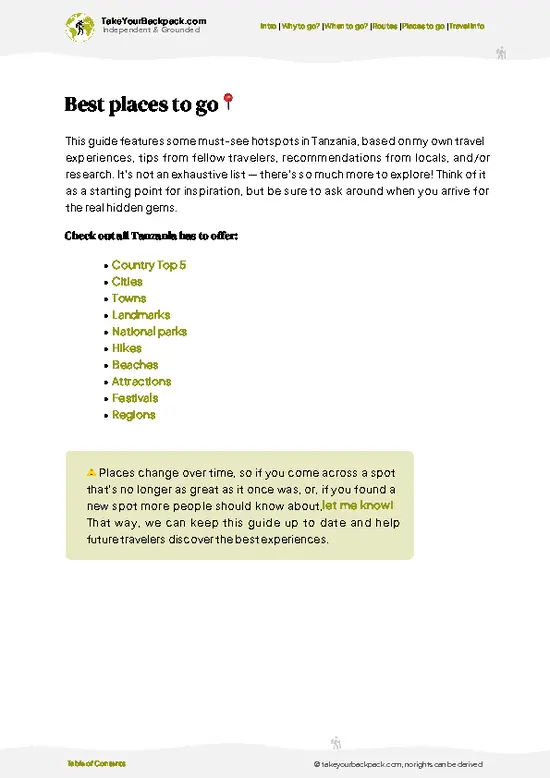
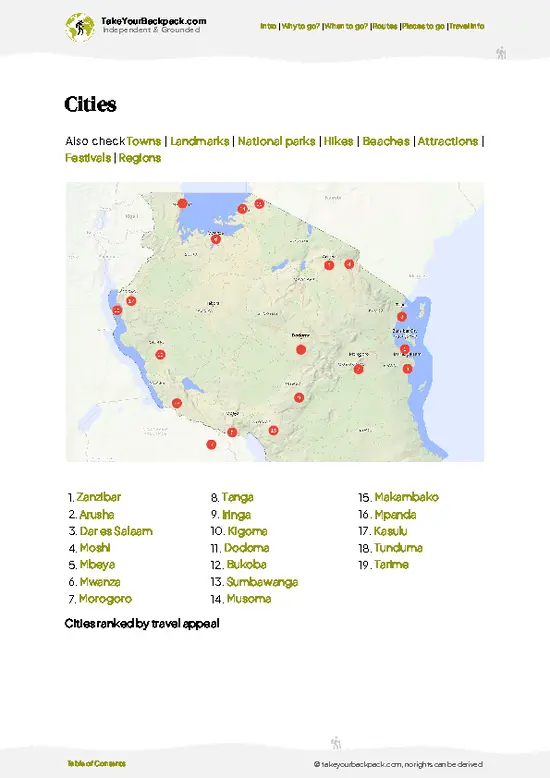
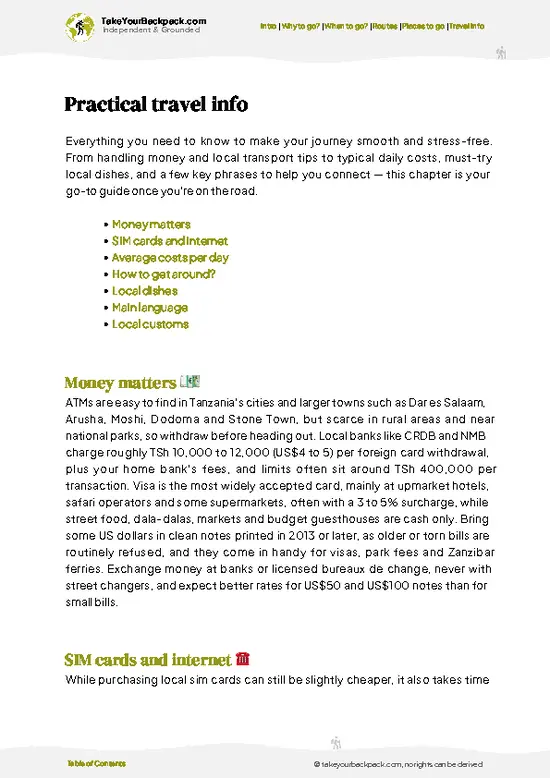
example page 0 from our offline Travel Guide for Tanzania
example page 1 from our offline Travel Guide for Tanzania
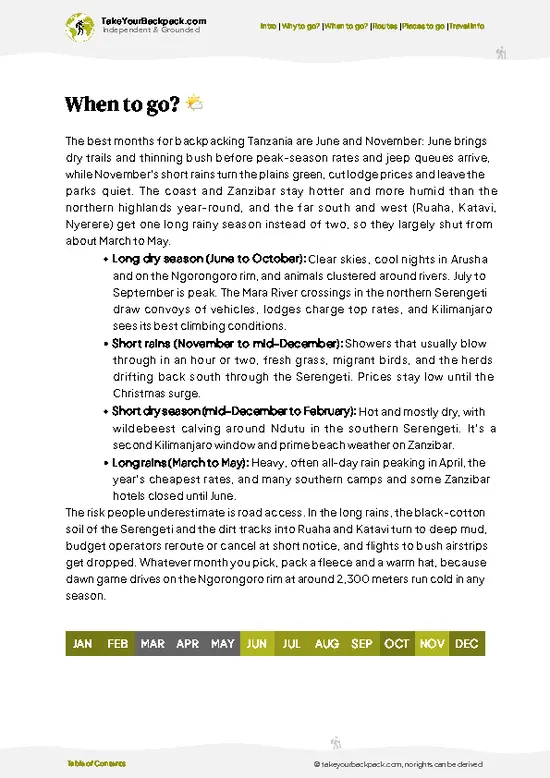
example page 2 from our offline Travel Guide for Tanzania
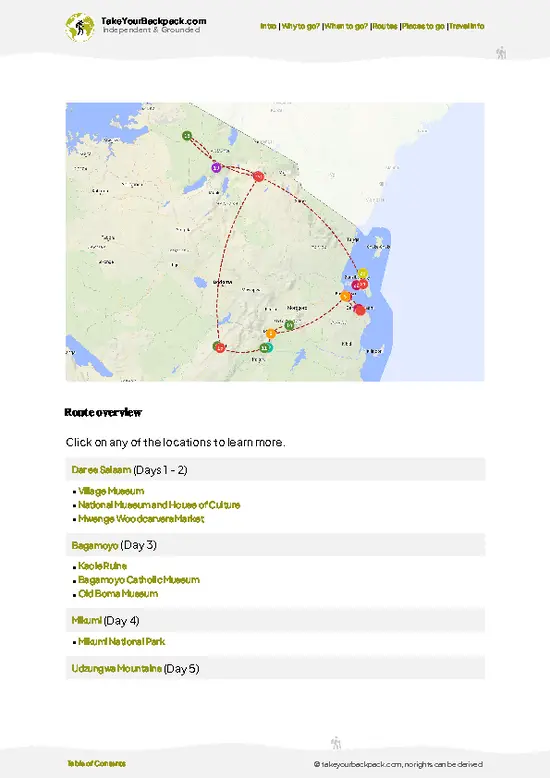
example page 3 from our offline Travel Guide for Tanzania
example page 4 from our offline Travel Guide for Tanzania
example page 5 from our offline Travel Guide for Tanzania
example page 6 from our offline Travel Guide for Tanzania
example page 7 from our offline Travel Guide for Tanzania
Loading the map 🌍
CLICK TO FILTER
cities
towns
landmarks
national parks
hikes
beaches
attractions
festivals
regions
SHOW COUNTRY’S BESTSHOW ALL

✨ Why go?
Ranked #4 festival in Tanzania
Why visitors keep coming back

Mwaka Kogwa is one of the few Zanzibar events where you watch a community do something for itself, with no tourist show built around it. Backpackers route their July plans around it because the whole of Makunduchi turns out, and you end up standing shoulder to shoulder with grandmothers, schoolkids and drummers instead of other travelers. Nobody sells tickets, so the cost is just getting there and a long day in the sun.

The ritual itself is the draw. The banana stem fights clear the air of old grudges, and the burning of the straw hut signals the year turning over. Few travelers can say they have seen a conflict settled by whacking each other with fruit-tree trunks and then sharing a meal. It also slots easily into a Zanzibar loop, letting you pair beaches on the southeast coast with a day … read more 👉
Mwaka Kogwa is one of the few Zanzibar events where you watch a community do something for itself, with no tourist show built around it. Backpackers route their July plans around it because the whole of Makunduchi turns out, and you end up standing shoulder to shoulder with grandmothers, schoolkids and drummers instead of other travelers. Nobody sells tickets, so the cost is just getting there and a long day in the sun.

The ritual itself is the draw. The banana stem fights clear the air of old grudges, and the burning of the straw hut signals the year turning over. Few travelers can say they have seen a conflict settled by whacking each other with fruit-tree trunks and then sharing a meal. It also slots easily into a Zanzibar loop, letting you pair beaches on the southeast coast with a day of living tradition before heading back to Stone Town or north to Nungwi.

💡 HighlightsWhat this place is best known for

  1. Banana stem fights: Men from the northern and southern halves of Makunduchi line up in a field and swing banana stems at each other. It is symbolic, meant to release grudges before the new year, and the crowd cheers every hit.
  2. Burning of the mkunazini hut: A hut made of dried palm and straw is built and set alight, sending the old year up in smoke. Elders lead the moment and the crowd presses in close.
  3. Ngoma drumming and singing: Drums and call-and-response songs run through the day, with women in bright kanga cloth dancing in circles. It is loud, physical and easy to join from the edge.
  4. Traditional dress and body painting: Many participants wear their best clothes, and some paint patterns on faces or hands. Photographers get faces, colors and textures without any staging, though asking before
… read more 👉
  1. Banana stem fights: Men from the northern and southern halves of Makunduchi line up in a field and swing banana stems at each other. It is symbolic, meant to release grudges before the new year, and the crowd cheers every hit.
  2. Burning of the mkunazini hut: A hut made of dried palm and straw is built and set alight, sending the old year up in smoke. Elders lead the moment and the crowd presses in close.
  3. Ngoma drumming and singing: Drums and call-and-response songs run through the day, with women in bright kanga cloth dancing in circles. It is loud, physical and easy to join from the edge.
  4. Traditional dress and body painting: Many participants wear their best clothes, and some paint patterns on faces or hands. Photographers get faces, colors and textures without any staging, though asking before shooting a portrait is polite.
  5. Shared meals and family visits: Households cook large pots of food and neighbors drift between homes. If you are invited in, accept, and bring a small gift or a thank-you in Swahili.
Mwaka Kogwa needs no ticket or advance booking, and the only thing to arrange ahead is transport and a bed on the southeast coast.
Spotted a mistake or missing something? Contact us.

Things to do near Mwaka Kogwa

Ratings based on Tripadvisor reviews. When you book through this link, you support our work at no extra cost to you.

🌤️ When to go?When is the celebration of Mwaka Kogwa?

Mwaka Kogwa is held in Makunduchi, on the southeast coast of Unguja (Zanzibar), for one day in late July, timed to the Shirazi New Year, with the date set by the local calendar and shifting slightly each year.
  • Best part: The main day is the point. Mock fights between men with banana stems start in the late morning in the open ground near the shore, and the later procession and music are worth staying for.
  • Weather: July is cool and mostly dry, with highs near 28°C (82°F) and nights around 21°C (70°F). Shade is scarce on the field, so bring a hat, sunscreen and water. Light layers help on the ride back.
  • Booking: The ritual itself is not ticketed. Rooms in Makunduchi are few, so reserve beds in Stone Town or on the southeast coast a few weeks ahead. Expect rises of 20 to 40 percent.
  • Roads: Daladalas
… read more 👉
Mwaka Kogwa is held in Makunduchi, on the southeast coast of Unguja (Zanzibar), for one day in late July, timed to the Shirazi New Year, with the date set by the local calendar and shifting slightly each year.
  • Best part: The main day is the point. Mock fights between men with banana stems start in the late morning in the open ground near the shore, and the later procession and music are worth staying for.
  • Weather: July is cool and mostly dry, with highs near 28°C (82°F) and nights around 21°C (70°F). Shade is scarce on the field, so bring a hat, sunscreen and water. Light layers help on the ride back.
  • Booking: The ritual itself is not ticketed. Rooms in Makunduchi are few, so reserve beds in Stone Town or on the southeast coast a few weeks ahead. Expect rises of 20 to 40 percent.
  • Roads: Daladalas and taxis fill early, and the road south is slow after the fights end. Arrive by mid-morning and leave before the crowds do.
Book a driver for the return trip before you arrive, because spare seats vanish by afternoon.


source: climatestotravel.comJANJanuary: not recommended for travelingFEBFebruary: not recommended for travelingMARMarch: not recommended for travelingAPRApril: not recommended for travelingMAYMay: not recommended for travelingJUNJune: not recommended for travelingJULJuly: excellent for travelingAUGAugust: not recommended for travelingSEPSeptember: not recommended for travelingOCTOctober: not recommended for travelingNOVNovember: not recommended for travelingDECDecember: not recommended for traveling

✈️ The backpacker research shortcutTanzania Travel Guide

An offline-friendly backpacking guide with optimized travel routes, ranked highlights, transport advice, and the best areas to stay.
example page 0 from our offline Travel Guide for Tanzania
example page 1 from our offline Travel Guide for Tanzania
example page 2 from our offline Travel Guide for Tanzania
example page 3 from our offline Travel Guide for Tanzania
example page 4 from our offline Travel Guide for Tanzania
example page 5 from our offline Travel Guide for Tanzania
example page 6 from our offline Travel Guide for Tanzania
example page 7 from our offline Travel Guide for Tanzania
The digital guide (396 pages) contains:
✅ 103 highlights, ranked by travel appeal
✅ Optimized 7, 14 & 21-day travel routes
✅ Cities, national parks, landmarks, beaches
✅ How to get around
✅ Offline-friendly for travel without Wi-Fi
👉 Click to see all 30+ guide features

📅 Plan smarter in minutes, not weeks
✅ Month by month travel advice
✅ Festivals & national holidays
✅ Budget expectations

🗺️ Go to the right places, skip the overrated ones
✅ Honest pros & cons of destinations
✅ Top hikes, parks & viewpoints
✅ Lesser-known places most travelers miss
✅ Clear “worth it vs skip it” guidance

🛏️ Travel smoothly without rookie mistakes
✅ Best areas to stay
✅ Transport systems explained simply
✅ Common scams & safety advice
✅ SIM cards, money & practical tips

🌍 Understand the country, not just visit it
✅ Culture & traditions
✅ 52 Essential phrases & customs
✅ Festivals worth planning around
✅ Traveler-friendly historical context
✅ Insights that make places more meaningful

📱 Built for real travel conditions
✅ Fully downloadable PDF
✅ Works completely offline
✅ Optimized for phone use
✅ Useful in remote areas & buses
✅ Everything in one place
Stop searching, start planning
Get instant access to your full guide. 30‑day money-back guarantee.
+ Add another guide for just

By proceeding you agree to our terms.
Sent to your inbox immediately after payment • 100% Secure Checkout
Best Backpacking Travel Advisor 2025 tourism awardBest Backpacking
Travel Advisor
2025
What others say about Take Your Backpack Guides:
⭐⭐⭐⭐⭐
Fantastic, amazing amount of information!
⭐⭐⭐⭐⭐
My goodness this is amazing, it's what I've been looking for hats off too you!
⭐⭐⭐⭐⭐
I think this is absolutely BRILLIANT
⭐⭐⭐⭐
Very complete and informative. It's still missing places, but I gotta to commend you
⭐⭐⭐⭐⭐
This is truly amazing, thank you, can't wait to explore it with my kids!
⭐⭐⭐⭐⭐
Awesome resource, thank you!
⭐⭐⭐⭐⭐
This is amazing! Can't wait to explore the ones I haven't seen
⭐⭐⭐⭐
I love this! Well done, great idea.
⭐⭐⭐⭐⭐
Thanks for taking the time to make this gem!
⭐⭐⭐⭐⭐
This might be the best website I've ever seen.
⭐⭐⭐⭐⭐
Congratulations, and thank you so much for your work; it's incredibly valuable.
⭐⭐⭐⭐
In all seriousness I think you did a great job pointing out the important spots
⭐⭐⭐⭐⭐
10/10 very good
⭐⭐⭐⭐⭐
As someone who's only just starting to visit regularly this is awesome, thank you.
⭐⭐⭐⭐
Thank you very much! I'm going to visit my dad, it's going to be very useful!
⭐⭐⭐⭐⭐
This is really cool! We'll be travelling for the first time and this definitely come in handy.
⭐⭐⭐⭐⭐
You are now our minister of culture, congratulations 👨‍💼
⭐⭐⭐⭐⭐
Just wanted to tell you that this is a pearl! Going to follow your recommendations.
⭐⭐⭐⭐⭐
This is so cool. I'll definitely be using the resource for my travels soon.
⭐⭐⭐⭐⭐
This is very impressive! Good work.
⭐⭐⭐⭐⭐
This is an amazing and informative site. Very well done!

🛏️ Where to stay?How to pick the right area

Stone Town is the safest and most social base for Mwaka Kogwa, with the widest range of dorms and guesthouses and plenty of other solo travelers to share a ride south. The trip to Makunduchi takes roughly 1.5 to 2 hours by road, so you can split a taxi in the morning with people you meet over breakfast. Walking the lanes at night is fine in the main streets around Forodhani, though stick to lit routes.

If you prefer to be closer, the southeast coast around Paje and Jambiani is the better choice. These beach villages are popular with budget travelers, with kitesurfing crowds, beach bars and small … read more 👉
Stone Town is the safest and most social base for Mwaka Kogwa, with the widest range of dorms and guesthouses and plenty of other solo travelers to share a ride south. The trip to Makunduchi takes roughly 1.5 to 2 hours by road, so you can split a taxi in the morning with people you meet over breakfast. Walking the lanes at night is fine in the main streets around Forodhani, though stick to lit routes.

If you prefer to be closer, the southeast coast around Paje and Jambiani is the better choice. These beach villages are popular with budget travelers, with kitesurfing crowds, beach bars and small guesthouses, and Makunduchi is about 45 minutes to an hour away by road. Paje is the most sociable, while Jambiani is quieter and more local.

Makunduchi itself has only a handful of simple guesthouses, which fill fast around the festival and suit those who want to wake up beside the action. Book early if you go that way. For most backpackers, Paje balances price, company and travel time best, and the sunrise start toward the festival field is easy to organize with a driver.

👛 Costs (as of 22 October 2026)What things cost and how to budget

Mwaka Kogwa costs roughly US$55 to 100 a day for an independent traveler, with the ritual itself free to watch. The table below covers one day in high season.
CategoryBudget RangeLocal Reality
Festival ticketsUS$0 to 5Watching is free. Some local helpers ask for a small tip or guide fee.
AccommodationUS$15 to 40Dorms and basic rooms in Stone Town, Paje or Jambiani. Prices rise around the festival.
Local transportUS$10 to 40Shared daladalas cost little, while a private taxi from Stone Town or Paje costs more but is more reliable on the day.
Food & drinksUS$8 to 15Street grills, pilau and fresh juices at the ground. Cash only.
Miscellaneous expensesUS$5 to 15Water, sunscreen, small tips, and a modest cloth or souvenir.
Total Daily BudgetUS$78Based on high-season accommodation and a mix of shared and private transport.
⚠️ Prices can change and everyone travels differently, so take this as a rough guide. Hope it helps you plan your adventure!

🍲 FoodEating & Drinking in Mwaka Kogwa

Food at Mwaka Kogwa is street-side and simple, centered on stalls around the festival ground in Makunduchi and cooks selling from home doorways. Expect grilled seafood and octopus, mishkaki (skewered marinated meat), chapati, and mandazi doughnuts, all smoky from charcoal.

Try the pilau, fragrant with cardamom and cloves, and the coconut-based fish dishes that southeast Zanzibar does well. For drinks, look for fresh sugarcane juice, coconut water cut open on the spot, and spiced tea or coffee sold from street kettles. Alcohol is hard to find in this devout Muslim community, so don’t plan on beer at the field.

Pay in cash in small notes, as stalls have no card readers and change runs thin as the day goes on. Plates are modest, so order a couple of items and share. Lines are loose and informal, … read more 👉
Food at Mwaka Kogwa is street-side and simple, centered on stalls around the festival ground in Makunduchi and cooks selling from home doorways. Expect grilled seafood and octopus, mishkaki (skewered marinated meat), chapati, and mandazi doughnuts, all smoky from charcoal.

Try the pilau, fragrant with cardamom and cloves, and the coconut-based fish dishes that southeast Zanzibar does well. For drinks, look for fresh sugarcane juice, coconut water cut open on the spot, and spiced tea or coffee sold from street kettles. Alcohol is hard to find in this devout Muslim community, so don’t plan on beer at the field.

Pay in cash in small notes, as stalls have no card readers and change runs thin as the day goes on. Plates are modest, so order a couple of items and share. Lines are loose and informal, so a polite greeting works better than pushing. Eat with your right hand when there are no utensils, and dress modestly, with shoulders and knees covered, when buying from families. Food sells out by the afternoon, so eat before the fights peak.

FAQFrequently asked questions about Mwaka Kogwa

Mwaka Kogwa takes place in late July each year, over a single main day in Makunduchi on the southeast coast of Zanzibar. The date follows the Shirazi New Year and shifts slightly annually. Makunduchi is roughly 1.5 to 2 hours by road from Stone Town, so plan to leave early.
Attending Mwaka Kogwa is free, as the rituals are open to all onlookers. Budget about US$55 to 100 a day overall, including US$15 to 40 for a bed, US$10 to 40 for transport depending on shared or private rides, and US$8 to 15 for food. Small tips for local helpers are common.
Mwaka Kogwa needs no entry ticket, since it is a community ritual held in the open near Makunduchi. What you should book ahead is a room, because Makunduchi has few beds and Stone Town, Paje and Jambiani fill up around the date. Arrange a driver for the return trip too, as transport south is scarce by afternoon.
⚠️ Things can change over time, so always validate details locally before you go.

Other Tanzanian festivals near Mwaka Kogwa

Explore more nearby:


💡 Not sure where to go next?
Create a personalized itinerary for Tanzania including Mwaka Kogwa and the places that fit your trip.

Generate my itinerary

👉 Discover all festivals

Or checkout all Tanzania has to offer (think cities, towns, villages, national parks, hikes, beaches, festivals)
Country photo of Tanzania

We 💚 feedbackSumming up the experience

Mwaka Kogwa trips go wrong when travelers show up late, thinking it is a scheduled event, and catch only the cleanup. Get to Makunduchi in the morning, stay near the edge of the crowd, and ask before pointing a camera at anyone. I would dress modestly, bring cash for food and water, and plan to spend most of the day on your feet.

✍️ Help improve this page!
The information on this page is based on in-depth research, insights shared by experienced travelers, and feedback from the local travel community in Tanzania. While every effort is made to keep the information accurate and current, conditions can change — so if you spot anything incorrect or outdated, please get in touch.


🙋‍♂️ Give feedback

👋 Meet the founderWho’s Behind Take Your Backpack?

Johan, backpacker and founder of TakeYourBackpackHi, I’m Johan (Netherlands 🇳🇱), the creator of TakeYourBackpack. Over the past 3 decades, I’ve backpacked through 90+ countries across six continents, gaining extensive experience with independent travel, long-term trips, and overland routes.

This site is built on a combination of firsthand travel experience and carefully curated insights from other backpackers. Many guides are based on places I’ve personally visited, while others bring together tips, observations, and practical advice shared by trusted travelers I’ve met along the way.

The goal is to provide realistic, experience-driven guidance — not generic itineraries — so you can explore destinations with better context, clearer expectations, and more confidence.