
×

Tanzania🇹🇿 | beachesPaje BeachKitesurf lagoon, tide pools, seaweed farms, beach-bar evenings | things to do and best time to go

Explore Nungwi BeachExplore Arusha

Backpacking in Paje Beach
🌟 Highlightbeach ranked #3
By Johan Kruseman 🇳🇱 | Updated October 22, 2026

Paje Beach is best known as the kitesurfing capital of Zanzibar, and you'll see the colorful kites cutting across the lagoon the moment you reach the sand. It sits on the southeast coast of Unguja, the main island of Zanzibar in Tanzania, a short ride from Stone Town. Go for the wind, the powder-white sand and the turquoise shallows, which empty at low tide into a flat, seaweed-draped expanse where you walk a long way out. Skip it if you want a deep swim at any hour, because the tide dictates everything. The beach is mostly clean, though seaweed piles up in some seasons. Hostels, beach shacks and cheap local eateries line the road behind the sand, so budget travelers eat and sleep well. Snorkel trips and dive outings leave from the village. Expect beach boys selling tours, and say no with a smile. At low tide, local women tend seaweed farms on the flats.

Discover everything you want to know in the 📖 Tanzania Travel Guide.


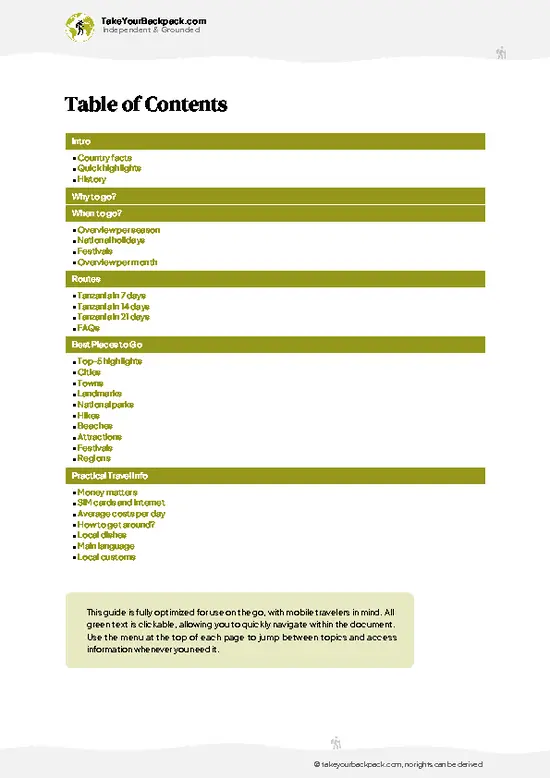
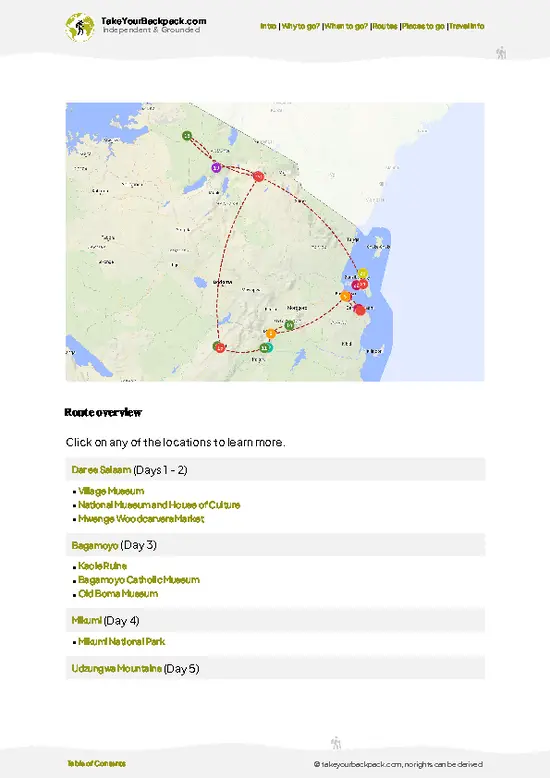
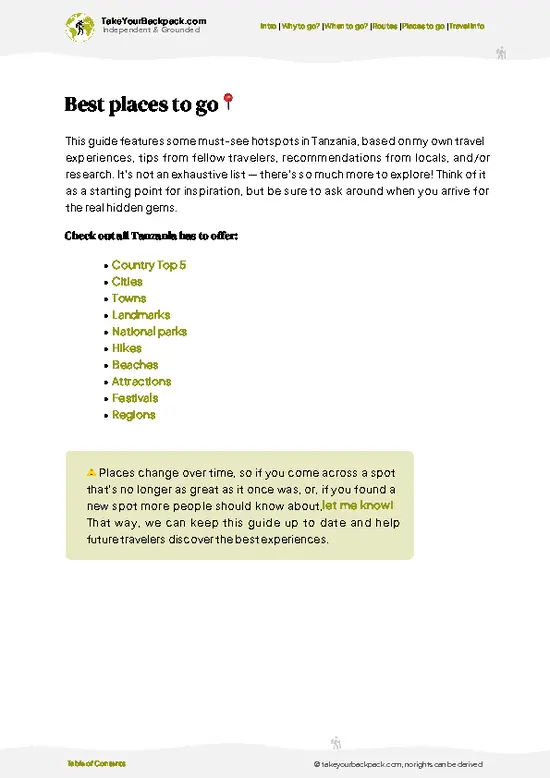
example page 0 from our offline Travel Guide for Tanzania
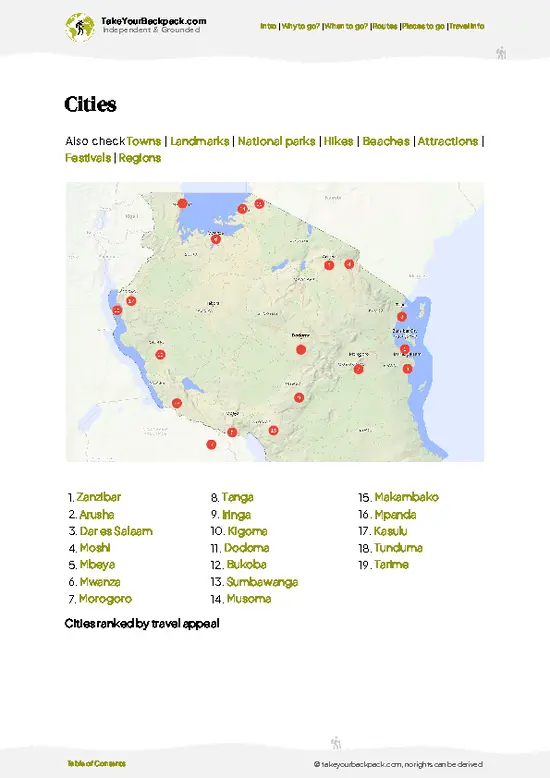
example page 1 from our offline Travel Guide for Tanzania
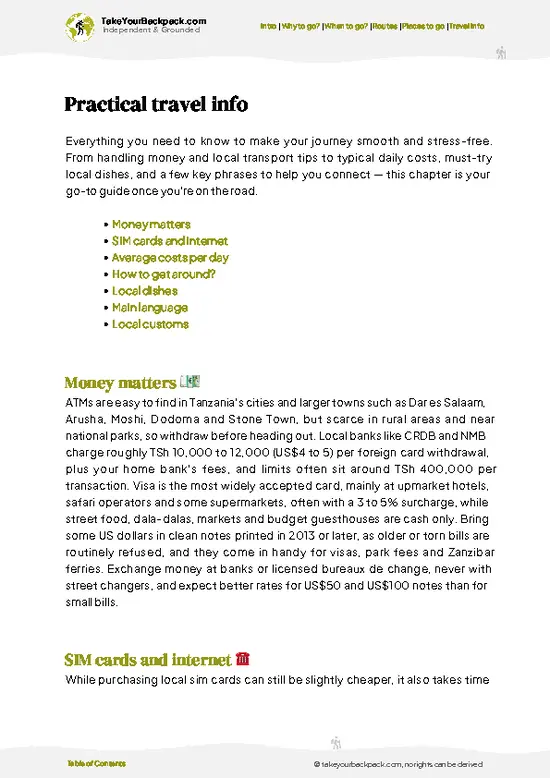
example page 2 from our offline Travel Guide for Tanzania
example page 3 from our offline Travel Guide for Tanzania
example page 4 from our offline Travel Guide for Tanzania
example page 5 from our offline Travel Guide for Tanzania
example page 6 from our offline Travel Guide for Tanzania
example page 7 from our offline Travel Guide for Tanzania
Loading the map 🌍
CLICK TO FILTER
cities
towns
landmarks
national parks
hikes
beaches
attractions
festivals
regions
SHOW COUNTRY’S BESTSHOW ALL

✨ Why go?
Ranked #3 beach in Tanzania
Why visitors keep coming back

Paje Beach earns its stops because of one thing above all: the wind. The lagoon here is shallow and steady, so it draws kitesurfers from around the world, and you can sign up for lessons without paying resort prices. Even if you never clip into a board, watching the sails and kites from a beachfront deck with a cold drink is the best way to spend an afternoon. The second reason is the crowd. Backpackers cluster in the hostels along the sand, so you'll meet travelers heading up or down the east coast, swap tips on Jozani Forest or Kizimkazi dolphin trips, and often end up sharing a taxi. It also works as a connector. Paje sits on the road between the south and the northeast beaches, so many people pause here for a few nights between Jambiani and Kendwa or Nungwi. The seaweed farms on the tidal … read more 👉
Paje Beach earns its stops because of one thing above all: the wind. The lagoon here is shallow and steady, so it draws kitesurfers from around the world, and you can sign up for lessons without paying resort prices. Even if you never clip into a board, watching the sails and kites from a beachfront deck with a cold drink is the best way to spend an afternoon. The second reason is the crowd. Backpackers cluster in the hostels along the sand, so you'll meet travelers heading up or down the east coast, swap tips on Jozani Forest or Kizimkazi dolphin trips, and often end up sharing a taxi. It also works as a connector. Paje sits on the road between the south and the northeast beaches, so many people pause here for a few nights between Jambiani and Kendwa or Nungwi. The seaweed farms on the tidal flats give it a working-village feel too, and the low-tide walk across the lagoon is a real reason to linger.

💡 HighlightsDon't-miss highlights and experiences

  1. Kitesurfing in the Paje Lagoon: This is what the beach is famous for. Steady winds and waist-deep, flat water make it one of the easiest places in East Africa to learn. Schools run beginner courses over several days, and watching from the sand costs nothing.
  2. Low-Tide Walk on the Flats: When the sea retreats far out, you can wander across ripples of white sand, starfish and tide pools. Go in the morning when the light is soft and the flats are busiest with life.
  3. Seaweed Farms: Local women tend lines of seaweed staked out in the shallows, harvesting it by hand. You can watch the work and, with respect, ask about it. It is a rare look at daily village livelihood.
  4. Snorkeling and Dive Outings: Boats leave from the village for reef snorkeling and diving trips. Tides control departures, so book a day
… read more 👉
  1. Kitesurfing in the Paje Lagoon: This is what the beach is famous for. Steady winds and waist-deep, flat water make it one of the easiest places in East Africa to learn. Schools run beginner courses over several days, and watching from the sand costs nothing.
  2. Low-Tide Walk on the Flats: When the sea retreats far out, you can wander across ripples of white sand, starfish and tide pools. Go in the morning when the light is soft and the flats are busiest with life.
  3. Seaweed Farms: Local women tend lines of seaweed staked out in the shallows, harvesting it by hand. You can watch the work and, with respect, ask about it. It is a rare look at daily village livelihood.
  4. Snorkeling and Dive Outings: Boats leave from the village for reef snorkeling and diving trips. Tides control departures, so book a day ahead and check timing before you commit.
  5. Sunset Drinks and Evening Beach Bars: As the day cools, the beachfront fills with travelers sharing drinks and live music. Some nights bring bonfires and relaxed dancing on the sand, with the kites still silhouetted offshore.
Together, these fit comfortably into two days, or a lazy three if you take a kitesurfing lesson.
Spotted a mistake or missing something? Contact us.

Things to do near Paje Beach

Ratings based on Tripadvisor reviews. When you book through this link, you support our work at no extra cost to you.

🌤️ When to go?Seasonal considerations and timing

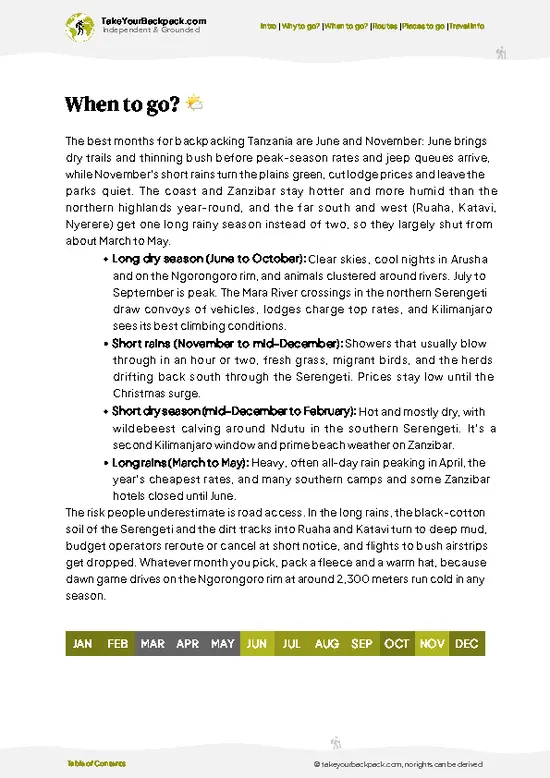
  • Dry Season (June to October): Paje’s steadiest weather, with sunny days of 26-30°C (79-86°F), cool nights near 20°C (68°F) and a steady breeze that fills the kite sails. Daylight runs about 12 hours. Rooms cost the most and fill fast in July and August.
  • Hot Season (December to February): Hotter and stickier at 29-33°C (84-91°F), with lighter winds, sea temperatures like a bath and lively crowds around Christmas and New Year. Prices spike for those weeks.
  • Long Rains (March to May): Daily downpours, humidity and 27-30°C (81-86°F). Many guesthouses and restaurants close or discount heavily, often 30 to 50 percent, and the sea turns cloudy with seaweed on some days.
  • Short Rains (November): Brief afternoon showers, warm water and thin crowds, with good value on beds.
  • Kitesurfing Winds: Kaskazi (December
… read more 👉
  • Dry Season (June to October): Paje’s steadiest weather, with sunny days of 26-30°C (79-86°F), cool nights near 20°C (68°F) and a steady breeze that fills the kite sails. Daylight runs about 12 hours. Rooms cost the most and fill fast in July and August.
  • Hot Season (December to February): Hotter and stickier at 29-33°C (84-91°F), with lighter winds, sea temperatures like a bath and lively crowds around Christmas and New Year. Prices spike for those weeks.
  • Long Rains (March to May): Daily downpours, humidity and 27-30°C (81-86°F). Many guesthouses and restaurants close or discount heavily, often 30 to 50 percent, and the sea turns cloudy with seaweed on some days.
  • Short Rains (November): Brief afternoon showers, warm water and thin crowds, with good value on beds.
  • Kitesurfing Winds: Kaskazi (December to March) and Kusi (June to September) blow strongest.
  • Tides: The lagoon empties at low tide, so plan swims for high water.
Check a tide table before booking a beach day, since the sea can sit hundreds of meters out.


source: climatestotravel.comJANJanuary: good for travelingFEBFebruary: good for travelingMARMarch: fair for travelingAPRApril: fair for travelingMAYMay: fair for travelingJUNJune: highly recommended for travelingJULJuly: highly recommended for travelingAUGAugust: highly recommended for travelingSEPSeptember: highly recommended for travelingOCTOctober: highly recommended for travelingNOVNovember: good for travelingDECDecember: good for traveling
when-to-go

✈️ The backpacker research shortcutTanzania Travel Guide

An offline-friendly backpacking guide with optimized travel routes, ranked highlights, transport advice, and the best areas to stay.
example page 0 from our offline Travel Guide for Tanzania
example page 1 from our offline Travel Guide for Tanzania
example page 2 from our offline Travel Guide for Tanzania
example page 3 from our offline Travel Guide for Tanzania
example page 4 from our offline Travel Guide for Tanzania
example page 5 from our offline Travel Guide for Tanzania
example page 6 from our offline Travel Guide for Tanzania
example page 7 from our offline Travel Guide for Tanzania
The digital guide (396 pages) contains:
✅ 103 highlights, ranked by travel appeal
✅ Optimized 7, 14 & 21-day travel routes
✅ Cities, national parks, landmarks, beaches
✅ How to get around
✅ Offline-friendly for travel without Wi-Fi
👉 Click to see all 30+ guide features

📅 Plan smarter in minutes, not weeks
✅ Month by month travel advice
✅ Festivals & national holidays
✅ Budget expectations

🗺️ Go to the right places, skip the overrated ones
✅ Honest pros & cons of destinations
✅ Top hikes, parks & viewpoints
✅ Lesser-known places most travelers miss
✅ Clear “worth it vs skip it” guidance

🛏️ Travel smoothly without rookie mistakes
✅ Best areas to stay
✅ Transport systems explained simply
✅ Common scams & safety advice
✅ SIM cards, money & practical tips

🌍 Understand the country, not just visit it
✅ Culture & traditions
✅ 52 Essential phrases & customs
✅ Festivals worth planning around
✅ Traveler-friendly historical context
✅ Insights that make places more meaningful

📱 Built for real travel conditions
✅ Fully downloadable PDF
✅ Works completely offline
✅ Optimized for phone use
✅ Useful in remote areas & buses
✅ Everything in one place
Stop searching, start planning
Get instant access to your full guide. 30‑day money-back guarantee.
+ Add another guide for just

By proceeding you agree to our terms.
Sent to your inbox immediately after payment • 100% Secure Checkout
Best Backpacking Travel Advisor 2025 tourism awardBest Backpacking
Travel Advisor
2025
What others say about Take Your Backpack Guides:
⭐⭐⭐⭐⭐
Fantastic, amazing amount of information!
⭐⭐⭐⭐⭐
My goodness this is amazing, it's what I've been looking for hats off too you!
⭐⭐⭐⭐⭐
I think this is absolutely BRILLIANT
⭐⭐⭐⭐
Very complete and informative. It's still missing places, but I gotta to commend you
⭐⭐⭐⭐⭐
This is truly amazing, thank you, can't wait to explore it with my kids!
⭐⭐⭐⭐⭐
Awesome resource, thank you!
⭐⭐⭐⭐⭐
This is amazing! Can't wait to explore the ones I haven't seen
⭐⭐⭐⭐
I love this! Well done, great idea.
⭐⭐⭐⭐⭐
Thanks for taking the time to make this gem!
⭐⭐⭐⭐⭐
This might be the best website I've ever seen.
⭐⭐⭐⭐⭐
Congratulations, and thank you so much for your work; it's incredibly valuable.
⭐⭐⭐⭐
In all seriousness I think you did a great job pointing out the important spots
⭐⭐⭐⭐⭐
10/10 very good
⭐⭐⭐⭐⭐
As someone who's only just starting to visit regularly this is awesome, thank you.
⭐⭐⭐⭐
Thank you very much! I'm going to visit my dad, it's going to be very useful!
⭐⭐⭐⭐⭐
This is really cool! We'll be travelling for the first time and this definitely come in handy.
⭐⭐⭐⭐⭐
You are now our minister of culture, congratulations 👨‍💼
⭐⭐⭐⭐⭐
Just wanted to tell you that this is a pearl! Going to follow your recommendations.
⭐⭐⭐⭐⭐
This is so cool. I'll definitely be using the resource for my travels soon.
⭐⭐⭐⭐⭐
This is very impressive! Good work.
⭐⭐⭐⭐⭐
This is an amazing and informative site. Very well done!

🛏️ Where to stay?Best areas and accommodation options

Paje village itself is the best place to stay, with a cluster of budget guesthouses and social hostels within a few minutes’ walk of the sand. Dorm beds run roughly US$10 to 20 a night, and private rooms US$25 to 50, depending on season.
The strip along the beach road, running south toward the kite spots, is the most social. Most places here sit beside kitesurf schools and beach bars, so you meet people over breakfast and sundowners. Solo travelers find it easy to join a group for a kite lesson or a night out. Lanes are sandy, lit by bar fronts and well-trafficked after dark.
The inland side, along … read more 👉
Paje village itself is the best place to stay, with a cluster of budget guesthouses and social hostels within a few minutes’ walk of the sand. Dorm beds run roughly US$10 to 20 a night, and private rooms US$25 to 50, depending on season.
The strip along the beach road, running south toward the kite spots, is the most social. Most places here sit beside kitesurf schools and beach bars, so you meet people over breakfast and sundowners. Solo travelers find it easy to join a group for a kite lesson or a night out. Lanes are sandy, lit by bar fronts and well-trafficked after dark.
The inland side, along the main road toward Jambiani and Bwejuu, is quieter and cheaper. Rooms are plainer, often in family-run compounds, and you walk 10 to 15 minutes to the water. It suits you if you want sleep and local food over parties.
Jambiani, a few kilometers south, is a calmer option with a village feel and guesthouses on the shore. Book ahead from July to August and over New Year. Elsewhere, walk in and bargain.

🛡️ SafetyStaying Safe: What Travelers Should Know

Paje Beach is a calm, well-used stretch, and most trouble comes from tides and sun rather than people. The lagoon is protected by an offshore reef, so waves are small, but at low tide the water retreats far out and leaves shallow flats with seaweed. Swim at high tide for real depth. Near the reef edge and channel gaps, currents get stronger, so stay inside the lagoon unless you’re with a guide.
Sea urchins sit on rocks and reef, and stepping on one hurts. Wear reef shoes for wading. The equatorial sun is strong, especially midday, so use reef-safe sunscreen and a hat.
Kite lessons share the water, so keep clear of the marked kite zones. Beach boys sell tours and souvenirs, and a firm, friendly no works. Leave phones and cash unattended on the sand rarely, and lock valuables at your guesthouse. … read more 👉
Paje Beach is a calm, well-used stretch, and most trouble comes from tides and sun rather than people. The lagoon is protected by an offshore reef, so waves are small, but at low tide the water retreats far out and leaves shallow flats with seaweed. Swim at high tide for real depth. Near the reef edge and channel gaps, currents get stronger, so stay inside the lagoon unless you’re with a guide.
Sea urchins sit on rocks and reef, and stepping on one hurts. Wear reef shoes for wading. The equatorial sun is strong, especially midday, so use reef-safe sunscreen and a hat.
Kite lessons share the water, so keep clear of the marked kite zones. Beach boys sell tours and souvenirs, and a firm, friendly no works. Leave phones and cash unattended on the sand rarely, and lock valuables at your guesthouse. Walk along the road rather than empty sand after dark.

FAQFrequently asked questions about Paje Beach

Most travelers reach Paje Beach from Stone Town by dala-dala (minibus) number 309 or 310, which takes 1.5 to 2 hours for about US$1 to 2. A shared or private taxi takes about 1 hour and costs roughly US$30 to 50, and Zanzibar airport is about 50 minutes away. Many hostels also arrange shuttles for around US$8 to 15 per person.
Paje Beach is best known for kitesurfing, thanks to steady winds from June to September and December to March and a shallow lagoon that suits beginners; a lesson package starts around US$60 to 80 per hour. Swimming works only at high tide, because the water drains far out at low tide. Snorkeling happens on boat trips to the reef or nearby sandbanks, costing roughly US$20 to 40.
Paje Beach is free to walk and swim, with no entrance fee on the public sand. You pay only for sunbeds at beach bars, usually by buying a drink, and for activities like kitesurfing, snorkeling trips or seaweed farm visits. A coconut or cold drink at a beach bar costs roughly US$1 to 3.
⚠️ Things can change over time, so always validate details locally before you go.

Other Tanzanian beaches near Paje Beach

Explore more nearby:

  • Jambiani Beach—Sand-flat walks, seaweed lines, Kuza Cave, dhow reef trips| 6 km away
  • Kiwengwa Beach—East-coast lagoon, sunrise shore, coral rag forest, seaweed farmers| 36 km away
  • Matemwe—Mnemba Atoll boats, dawn snorkel, village lanes, low-tide flats| 49 km away

💡 Not sure where to go next?
Create a personalized itinerary for Tanzania including Paje Beach and the places that fit your trip.

Generate my itinerary

👉 Discover all beaches

Or checkout all Tanzania has to offer (think cities, towns, villages, national parks, hikes, beaches, festivals)
Country photo of Tanzania

We 💚 feedbackParting advice and final tips

Paje Beach pairs best with a quieter night or two in Jambiani to the south, then a swing through Stone Town before you head north to Nungwi or Kendwa. I would book your kite lesson for the first morning, before the wind and tide plans change, and bring a pair of reef shoes for the flats.

✍️ Help improve this page!
The information on this page is based on in-depth research, insights shared by experienced travelers, and feedback from the local travel community in Tanzania. While every effort is made to keep the information accurate and current, conditions can change — so if you spot anything incorrect or outdated, please get in touch.


🙋‍♂️ Give feedback

👋 Meet the founderWho’s Behind Take Your Backpack?

Johan, backpacker and founder of TakeYourBackpackHi, I’m Johan (Netherlands 🇳🇱), the creator of TakeYourBackpack. Over the past 3 decades, I’ve backpacked through 90+ countries across six continents, gaining extensive experience with independent travel, long-term trips, and overland routes.

This site is built on a combination of firsthand travel experience and carefully curated insights from other backpackers. Many guides are based on places I’ve personally visited, while others bring together tips, observations, and practical advice shared by trusted travelers I’ve met along the way.

The goal is to provide realistic, experience-driven guidance — not generic itineraries — so you can explore destinations with better context, clearer expectations, and more confidence.